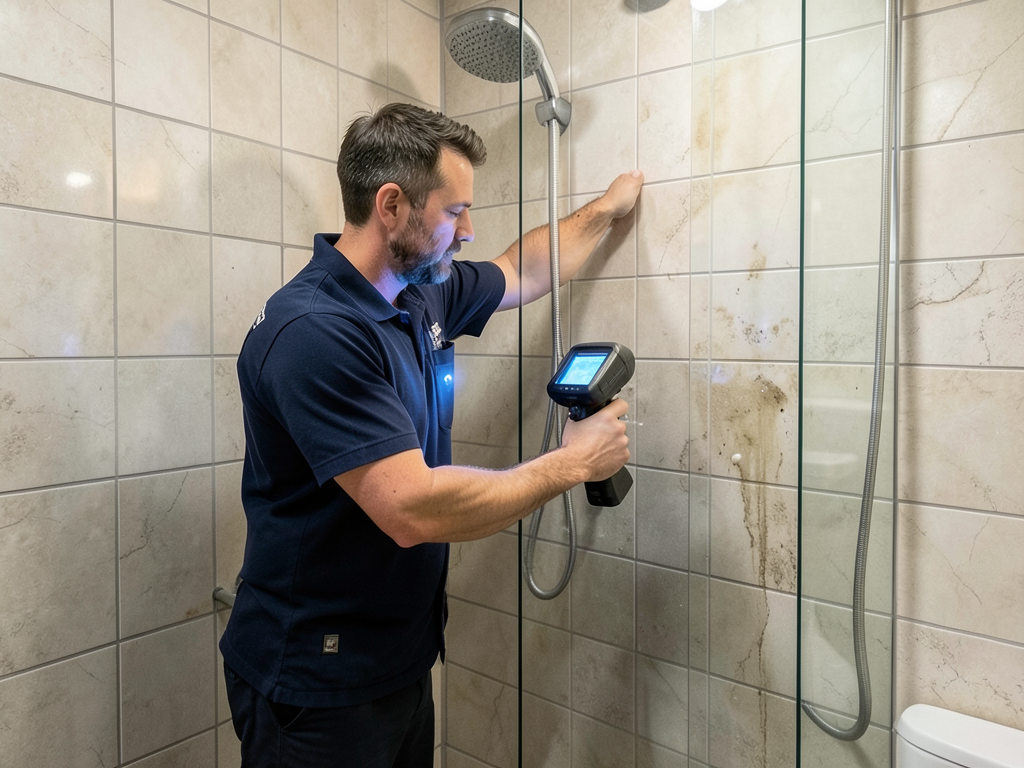






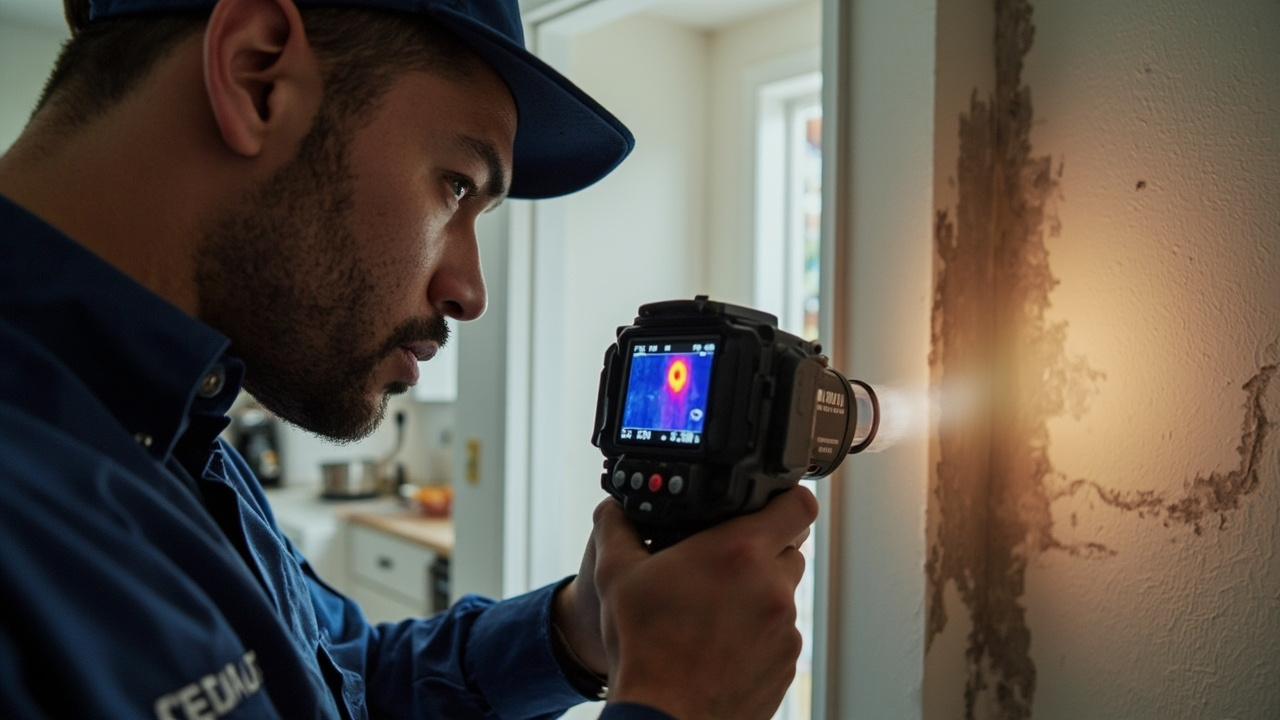

San Antonio sits on expansive clay soil that swells when wet and shrinks when dry. This cycle creates foundation movement that cracks slabs and shifts pier-and-beam structures. Groundwater seeps through these cracks during heavy rain, especially in low-lying areas near Salado Creek, the San Antonio River, and Leon Creek. The water wicks upward through capillary action, saturating concrete and migrating into wall framing. Summer humidity above 70% prevents this moisture from evaporating, so it stays trapped in building cavities. Detecting invisible leaks in these conditions requires thermal imaging to see temperature differentials that indicate active moisture movement.
Liberty Water Damage Restoration Riverside has worked in every San Antonio neighborhood, from the historic homes in King William to the newer subdivisions in Stone Oak. We know that homes near the Edwards Aquifer recharge zone experience seasonal water table fluctuations that cause basement seepage and slab moisture. We understand that older neighborhoods with mature oak trees often have root intrusion into sewer lines, leading to chronic leaks. Local knowledge matters because moisture problems here are different from Houston's flood plain issues or Dallas's freeze-thaw cycles. Choosing a provider who knows San Antonio's building stock and environmental conditions ensures accurate diagnosis and effective mitigation.