




Menu

Choosing a Restoration Company in San Antonio – Know What to Look For Before Disaster Strikes

Finding a reputable water damage company in San Antonio means understanding certifications, response capacity, and local experience before water invades your property and decisions become rushed.

Slider Image 1
Slider Image 2
Slider Image 3
Slider Image 4
Slider Image 5
Slider Image 7
Slider Image 8
Slider Image 9
Slider Image 10
Slider Image 11

Why Vetting Restoration Contractors in San Antonio Requires Local Knowledge

San Antonio's subtropical climate delivers intense summer storms and flash flooding that can overwhelm drainage systems in minutes. The Edwards Aquifer underneath the city creates unique foundation challenges. Clay soils expand when wet and contract when dry, shifting slab foundations and cracking basement walls. This creates pathways for water intrusion that most national franchises miss during initial assessments.

Selecting a water damage contractor who understands these regional factors means the difference between a surface fix and a complete restoration. When water breaches your property through foundation cracks or wind-driven rain, you need someone who recognizes how San Antonio's geology and weather patterns create cascading damage.

Many homeowners discover too late that hiring a water mitigation service without proper local expertise leads to incomplete drying, hidden mold growth, and structural issues that surface months after the emergency. The company you choose will control your timeline, your insurance claim process, and whether your property returns to pre-loss condition or deteriorates over time.

Finding a reputable water damage company before an emergency happens gives you control. You can evaluate credentials, verify equipment capacity, and confirm they understand local building codes without the pressure of standing water destroying your floors. The restoration industry operates with minimal regulation in Texas, which means vetting restoration contractors requires asking specific questions about certification, technology, and proven local experience.

Why Vetting Restoration Contractors in San Antonio Requires Local Knowledge
The Technical Framework for Evaluating Water Damage Specialists

The Technical Framework for Evaluating Water Damage Specialists

How to pick a restoration company starts with understanding what professional mitigation actually requires. The Institute of Inspection, Cleaning and Restoration Certification provides the industry standard for water damage restoration training. Technicians should hold Water Removal Technician or Applied Structural Drying certifications at minimum. These credentials prove understanding of psychrometry, moisture mapping, and controlled demolition techniques.

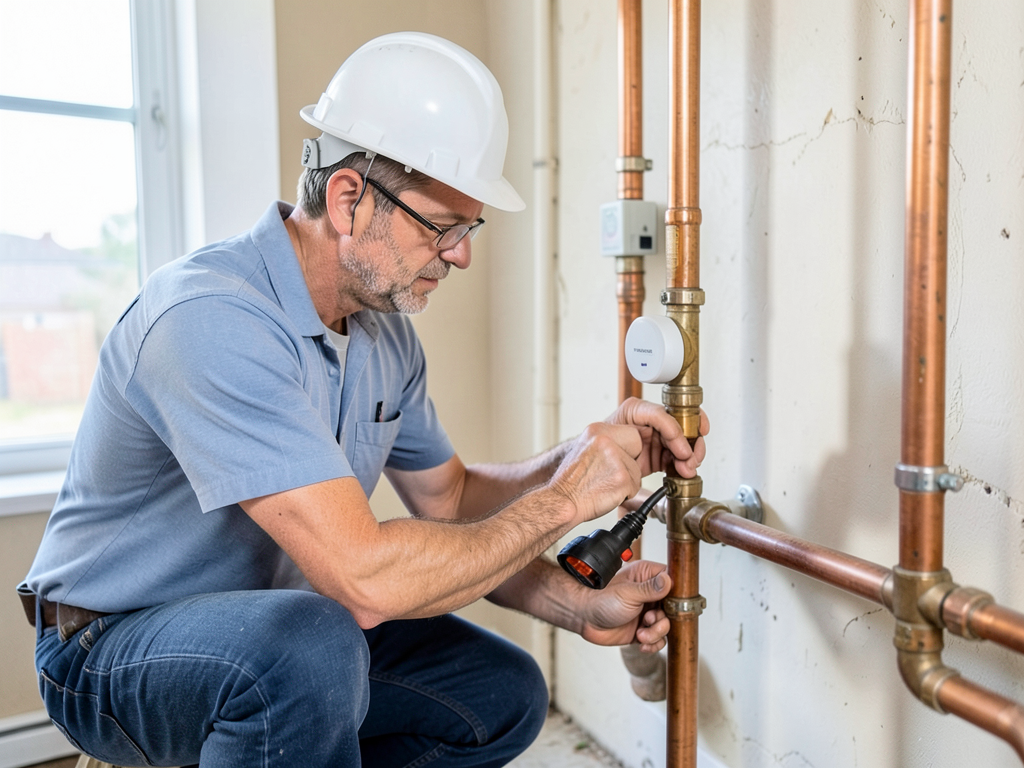
Equipment capacity separates professional operations from pickup truck operators. Commercial-grade truck-mounted extraction units pull water faster than portable units. Thermal imaging cameras detect moisture inside wall cavities without destructive testing. Low-grain refrigerant dehumidifiers remove moisture from structural materials more efficiently than standard equipment. Air movers need to be positioned according to drying chamber principles, not randomly scattered across a room.

Documentation drives insurance claim success. Professional contractors photograph damage before mitigation begins, track moisture readings daily using calibrated hygrometers, and maintain chain-of-custody records for contents removal. They understand the difference between Category 1, 2, and 3 water contamination and adjust protocols accordingly. Category 3 water from sewage backups or storm flooding requires antimicrobial treatment and controlled disposal of porous materials.

Restoration scope extends beyond drying. Complete mitigation includes structural repairs, mold remediation when needed, and reconstruction to return properties to pre-loss condition. Companies subcontracting every phase create communication breakdowns and timeline delays. Integrated operations with in-house crews control quality and accelerate completion. Liberty Water Damage Restoration Riverside maintains the equipment, training, and crew capacity to handle projects from initial extraction through final reconstruction without handing your emergency to multiple vendors.

Your Path to Selecting the Right Water Damage Partner

Choosing a Restoration Company in San Antonio – Know What to Look For Before Disaster Strikes
01

Verify Credentials and Capacity

Request proof of IICRC certification for technicians who will work on your property. Confirm they carry general liability and professional liability coverage. Ask about equipment inventory and whether they own or rent extraction units, dehumidifiers, and air movers. Companies with substantial equipment investment can mobilize faster during peak demand periods when rental equipment becomes scarce.
02

Evaluate Local Experience

Ask how long they have operated in San Antonio and request references from recent projects in your neighborhood. Companies familiar with local construction methods understand common failure points in foundation waterproofing and roof drainage systems. They know which insurance adjusters handle claims efficiently and which require additional documentation. Local contractors respond faster because they operate from nearby facilities, not distant corporate hubs.
03

Confirm Complete Service Range

Determine whether the company performs mitigation, remediation, and reconstruction in-house or subcontracts phases to other vendors. Integrated operations eliminate coordination delays and communication gaps. Ask about emergency response protocols, typical arrival times, and after-hours availability. Companies with 24/7 dispatch and on-call crews minimize damage progression. Verify they handle insurance claim documentation and can work directly with your carrier.

Why San Antonio Properties Require Specialized Restoration Expertise

San Antonio's unique position over the Edwards Aquifer recharge zone creates groundwater conditions that influence foundation stability and drainage patterns. Properties built on expansive clay soils experience seasonal movement that stresses plumbing connections and creates micro-fractures in concrete slabs. When water damage occurs, these geological factors accelerate saturation in ways that surprise contractors unfamiliar with local soil composition.

The city's rapid growth has created neighborhoods with widely varying construction standards. Historic districts near downtown feature pier and beam foundations that respond differently to water intrusion than modern slab-on-grade homes in northern suburbs. Restoration approaches must account for these architectural differences. Cookie-cutter mitigation plans fail when applied to San Antonio's diverse housing stock.

Summer thunderstorms deliver intense rainfall that overwhelms drainage systems designed for average conditions. Flash flooding events deposit contaminated water into homes, requiring Category 3 water protocols and extensive antimicrobial treatment. Winter freeze events, though less common than in northern regions, still cause burst pipe failures that flood properties overnight. Each scenario demands different extraction methods, drying strategies, and reconstruction techniques.

Local building codes and permitting requirements add complexity to restoration projects involving structural repairs. Contractors must understand when permits are required for demolition and reconstruction work. They need established relationships with city inspectors to navigate approval processes efficiently. Out-of-town operators learning these requirements on your project create delays and compliance issues that extend timelines and increase costs. Liberty Water Damage Restoration Riverside operates within San Antonio's regulatory framework daily, streamlining projects that bog down inexperienced providers.

What Professional Water Damage Restoration Delivers

Immediate Response Capability

Water damage progression follows a predictable timeline. Within 24 hours, drywall begins wicking moisture upward and wood flooring starts cupping. By 48 hours, mold spores activate and microbial growth begins. Professional restoration companies maintain 24/7 dispatch and arrive within hours of your call, not the next business day. They begin extraction immediately to stop damage progression. Emergency response includes temporary power if electrical systems are compromised, emergency board-up for broken windows or damaged doors, and content protection to prevent secondary damage. Speed during the first 48 hours determines whether restoration succeeds or demolition becomes necessary.

Comprehensive Damage Assessment

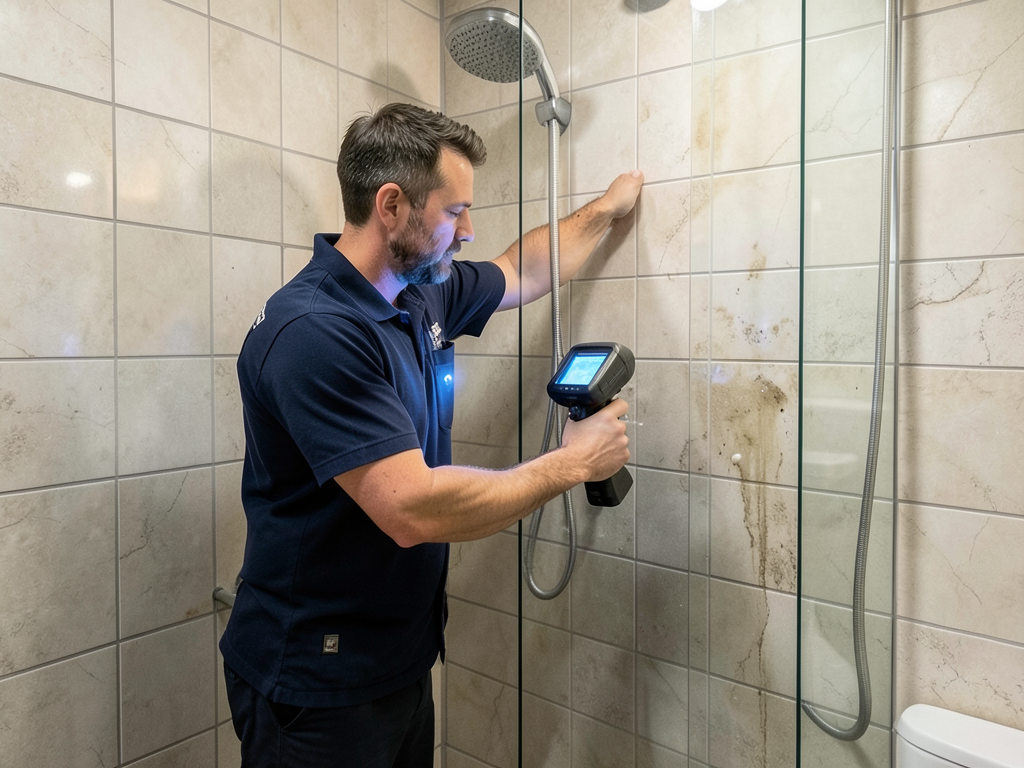
Initial evaluation determines the full scope of damage, not just visible water. Technicians use moisture meters to measure saturation levels in floors, walls, and ceilings. Thermal imaging cameras identify wet insulation and trapped moisture inside wall cavities. They classify water contamination levels and identify safety hazards like electrical risks or structural instability. Documentation includes detailed photographs, moisture mapping diagrams, and written damage descriptions that support insurance claims. Assessment drives the mitigation plan, equipment deployment, and timeline estimates. Incomplete assessments lead to scope creep, budget overruns, and incomplete drying that creates mold problems weeks after crews leave.

Complete Property Restoration

Professional restoration returns properties to pre-loss condition through controlled phases. Mitigation removes water and dries structural materials using industrial dehumidifiers and air movers. Remediation addresses mold growth, odor control, and antimicrobial treatment when needed. Reconstruction rebuilds demolished sections, replaces damaged materials, and restores finishes. Integrated companies control quality across all phases because the same project manager oversees mitigation through final inspection. Contents cleaning, pack-out services, and temporary storage protect belongings during restoration. The final walkthrough confirms moisture readings return to normal levels and all repairs meet your approval before project closeout.

Insurance Claim Support

Navigating insurance claims requires understanding policy language, documentation requirements, and adjuster expectations. Professional restoration companies photograph damage before mitigation begins, maintain daily moisture logs, and provide itemized estimates that align with insurance industry pricing standards. They communicate directly with adjusters, provide supporting documentation for covered damages, and help you understand what your policy covers. Emergency mitigation typically receives immediate approval because insurance carriers want to minimize damage progression. Reconstruction estimates may require adjuster review and approval before work begins. Experienced contractors know which documentation adjusters need and submit complete claim packages that reduce delays and disputes.

Frequently Asked Questions

You Have Questions,
We Have Answers

What questions should I ask a restoration company? +

Ask if they are licensed, bonded, and insured in Texas. Verify their response time, especially during San Antonio's flash flood season. Ask about their equipment, drying methods, and moisture detection tools. Request references from recent San Antonio projects. Confirm they handle insurance claims directly and provide written estimates. Ask if they perform mold testing after water damage, critical in our humid climate. Verify they offer 24/7 emergency service. Request their restoration process timeline. Ask about subcontractors versus in-house crews. Finally, confirm they follow IICRC standards for water damage restoration.

How profitable is a restoration company? +

This question concerns business operations, not choosing a restoration company. Profitability varies based on overhead, market saturation, and operational efficiency. San Antonio's growing population and periodic flooding create steady demand. However, high equipment costs, insurance requirements, and labor expenses affect margins. Established companies typically see 10-25% profit margins after expenses. Your focus should be on choosing a company with financial stability to complete your project, not their profit margins. Ask about bonding and insurance instead, which protect you if the company faces financial issues mid-project.

How to choose a water restoration company? +

Choose a water restoration company with IICRC certification and Texas licensure. Verify they offer 24/7 emergency response, critical when San Antonio storms cause sudden flooding. Check online reviews specific to water damage projects in your neighborhood. Confirm they use thermal imaging and moisture meters, not just visual inspection. Ask if they handle insurance claims directly. Verify they extract standing water, dry structures completely, and test for mold growth. Choose a company with local references and physical offices in San Antonio, not just a call center. Response time matters because mold grows within 48 hours in our humid climate.

Is Servpro a good restoration company? +

Servpro operates as a franchise network with national brand recognition and standardized training. Individual franchise quality varies by owner and local management. They offer 24/7 service and work with most insurance companies. However, being a franchise means higher overhead costs often passed to customers. Local independent restoration companies in San Antonio frequently provide faster response times, more personalized service, and competitive pricing. Focus on the specific franchise location's reviews, response time guarantees, and local reputation rather than national brand recognition. Ask for references from San Antonio projects specifically.

What not to tell a contractor? +

Never tell a contractor you are desperate or facing insurance claim deadlines. Avoid discussing your budget ceiling upfront. Do not mention other bids you received with specific pricing. Never say you do not understand the work required or building codes. Avoid stating you will not check references or permits. Do not tell them you are paying cash to avoid documentation. Never admit you have not read the contract thoroughly. In San Antonio, avoid mentioning you are unfamiliar with local building codes or flood zone requirements, which contractors may exploit during negotiations.

What are the things to look for in restoration? +

Look for IICRC certification, Texas state licensure, and general liability insurance. Verify they use moisture meters and thermal imaging cameras, not guesswork. Check for 24/7 emergency response with guaranteed arrival times. Examine online reviews focusing on communication, timeliness, and final results. Confirm they handle insurance claims documentation directly. Look for companies with physical offices in San Antonio, not distant call centers. Verify they perform mold testing after water damage. Ask about their drying equipment capacity and backup generators for power outages. Check if they offer written estimates and project timelines before starting work.

How do restoration companies get paid? +

Most restoration companies bill insurance companies directly after you sign an assignment of benefits. You pay your deductible upfront, then the company invoices your insurer for covered damages. For non-insurance work, companies require deposits before starting, with final payment upon completion. Some offer payment plans for large projects. In San Antonio, companies experienced with flood claims know which insurers pay promptly. Verify the company provides detailed invoices matching your policy coverage. Never pay the full amount upfront. Legitimate companies expect payment milestones tied to completed work phases, protecting both parties throughout the restoration process.

Is a 50% profit margin too much? +

This question concerns business pricing strategy, not restoration services. Profit margins vary by industry, overhead costs, and market conditions. In restoration work, margins between 10-25% are common after equipment, labor, insurance, and disposal costs. Higher margins may indicate price gouging, especially during emergencies like San Antonio flooding. However, low margins may signal corner-cutting on equipment or training. Focus instead on getting multiple written estimates for your project. Compare scope of work, not just total cost. Choose based on qualifications, response time, and references rather than trying to assess appropriate business profit margins.

Are restoration franchises worth it? +

Franchise value depends on brand recognition versus fees and restrictions. National restoration franchises charge ongoing royalties and require expensive branded equipment. They provide training, marketing support, and established insurance relationships. However, franchisees face corporate mandates that may not suit San Antonio's specific market conditions. Independent restoration companies avoid franchise fees, offer more flexible pricing, and adapt faster to local needs like flood response after heavy rains. For customers, franchises offer consistency but often higher costs. Independent companies provide personalized service and competitive rates. Your decision should focus on individual company qualifications, not franchise affiliation.

Why choose ServPro? +

ServPro offers national brand recognition, standardized employee training, and established insurance company relationships. They provide 24/7 emergency service and consistent processes across locations. Their size allows investment in specialized equipment. However, franchise structure means higher overhead costs. Many customers choose ServPro for perceived reliability and insurance company familiarity with their billing processes. Alternatives include local San Antonio restoration companies offering faster response times, lower costs, and personalized service. Your choice should depend on comparing specific franchise performance, local reviews, response time guarantees, and competitive estimates rather than brand name alone.

How San Antonio's Flood Zones and Soil Conditions Impact Restoration Company Selection

San Antonio sits at the intersection of multiple watersheds draining into the San Antonio River and its tributaries. Properties near Salado Creek, Leon Creek, and Martinez Creek face elevated flood risk during heavy rainfall events. FEMA flood zone maps identify high-risk areas, but flash flooding occurs throughout the city when drainage systems exceed capacity. Selecting a water damage contractor familiar with San Antonio's flood patterns means working with teams who understand regional hydrology and have completed numerous flood restoration projects. They recognize how quickly water rises in low-lying areas and mobilize equipment before roads become impassable. This local knowledge accelerates response when minutes determine damage severity.

The restoration industry in San Antonio includes national franchises, regional companies, and local independent operators. National chains offer brand recognition but often subcontract work to local crews with varying skill levels. Regional companies balance broader resources with local presence. Independent operators provide personalized service but may lack equipment capacity for large losses. Vetting restoration contractors means evaluating these tradeoffs based on your property type and risk profile. Companies with established San Antonio operations understand local permitting processes, maintain relationships with reliable subcontractors for specialized work, and know which insurance adjusters handle claims in this market. This operational knowledge streamlines projects and eliminates the learning curve that slows outside contractors entering the San Antonio market.
Water Damage Services in The San Antonio Area

We are proud to serve the entire San Antonio area. Our team is strategically located to ensure a rapid response to your location, no matter where you are. View our service area on the map to see if we cover your neighborhood, and please don't hesitate to reach out for immediate assistance. We're always here to help you navigate a water damage crisis with confidence and ease.

Address:
Titan Water Damage Restoration San Antonio, 5154 Broadway, San Antonio, TX, 78209

Additional Services We Offer

Our news updates

Latest Articles & News from The Blogs

What Exactly Happens Inside Your Walls During the First 24 Hours of a Leak \n\n Water damage inside your walls…

What Exactly Happens Inside Your Walls During the First 24 Hours of a Leak

What Exactly Happens Inside Your Walls During the First 24 Hours of a Leak \n\n Water damage inside your walls…

Why Waterproof Vinyl Plank Flooring Can Still Trap Moisture and Grow Mold

Why Waterproof Vinyl Plank Flooring Can Still Trap Moisture and Grow Mold Waterproof vinyl plank flooring seems like the perfect…

Simple Ways to Seal Your Windows Before the San Antonio Rainy Season Starts

Simple Ways to Seal Your Windows Before the San Antonio Rainy Season Starts San Antonio’s rainy season brings intense thunderstorms…

Contact Us

Do not wait until water invades your property to find qualified help. Call Liberty Water Damage Restoration Riverside at (210) 390-5977 for a consultation about protecting your San Antonio property. We answer questions, provide guidance, and respond immediately when emergencies occur.