




Menu

Steps to Take After a Flood in San Antonio – Your Complete Post-Flood Recovery Checklist for Fast, Safe Restoration

When floodwater hits your San Antonio property, every minute counts. Follow this guide to handling flood damage step by step, from immediate safety actions to complete restoration, so you can protect your home and avoid costly mistakes.

Slider Image 1
Slider Image 2
Slider Image 3
Slider Image 4
Slider Image 5
Slider Image 7
Slider Image 8
Slider Image 9
Slider Image 10
Slider Image 11

Why Floodwater in San Antonio Demands Immediate Action

San Antonio sits in a region where flash flooding can turn deadly in minutes. The city's clay-based soil does not absorb water quickly. When heavy rain hits, runoff collects fast in low-lying areas near Salado Creek, Leon Creek, and the San Antonio River. The result? Floodwater enters homes through foundation cracks, garage doors, and basement windows.

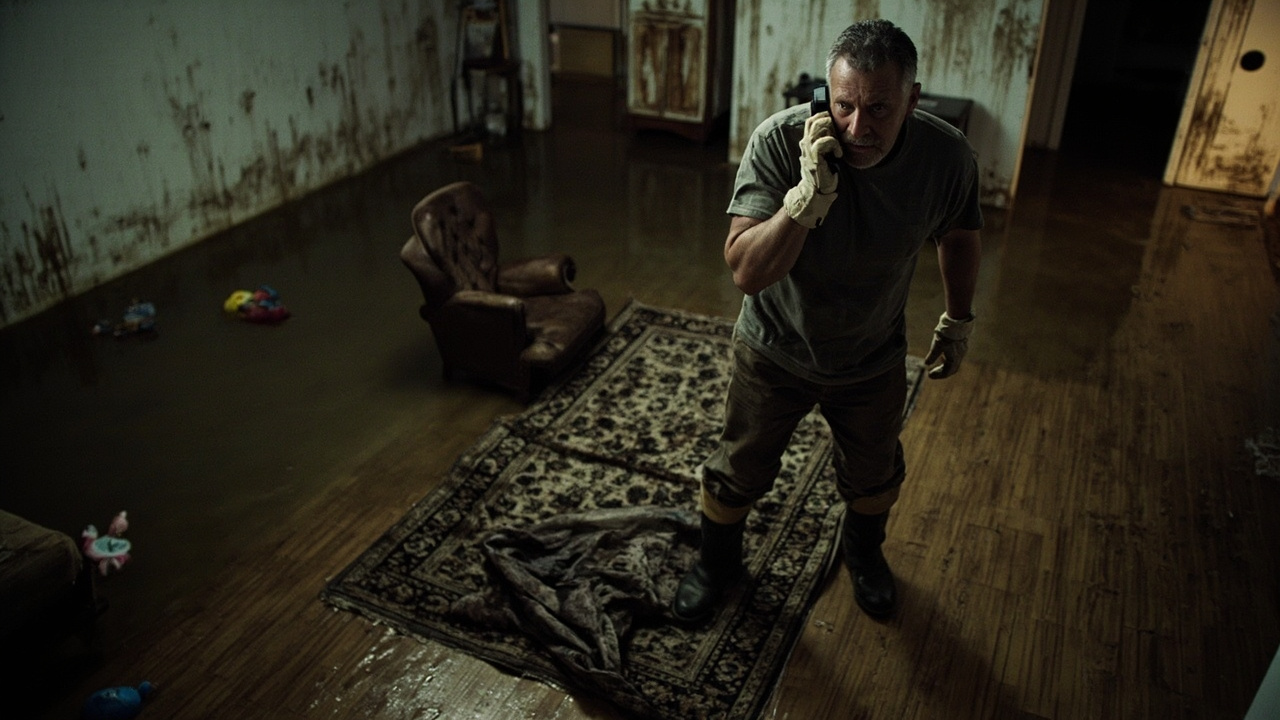
Floodwater is not just water. It carries bacteria, sewage, chemicals, and debris. The warm, humid climate in San Antonio accelerates mold growth. Within 24 to 48 hours, mold colonies establish themselves in drywall, insulation, and carpet. What looks like a simple flood becomes a biohazard.

Immediate actions after flooding determine whether your home suffers minor damage or major structural issues. You need a post-flood recovery checklist that addresses safety first, then water extraction, drying, and sanitization. Every hour you wait increases the risk of electrical hazards, structural weakening, and mold contamination.

Understanding what to do after a house flood starts with knowing the specific threats in San Antonio. Your home's foundation type, your proximity to flood zones along Olmos Creek or Medina River tributaries, and the age of your plumbing all affect your water damage clean up steps. Generic advice fails here. You need localized, expert guidance.

Why Floodwater in San Antonio Demands Immediate Action
The Professional Approach to Post-Flood Recovery

The Professional Approach to Post-Flood Recovery

Handling flood damage correctly requires more than shop vacuums and box fans. Professional water damage restoration follows a structured methodology developed by the Institute of Inspection, Cleaning and Restoration Certification. This process addresses hidden moisture, structural integrity, and contamination levels.

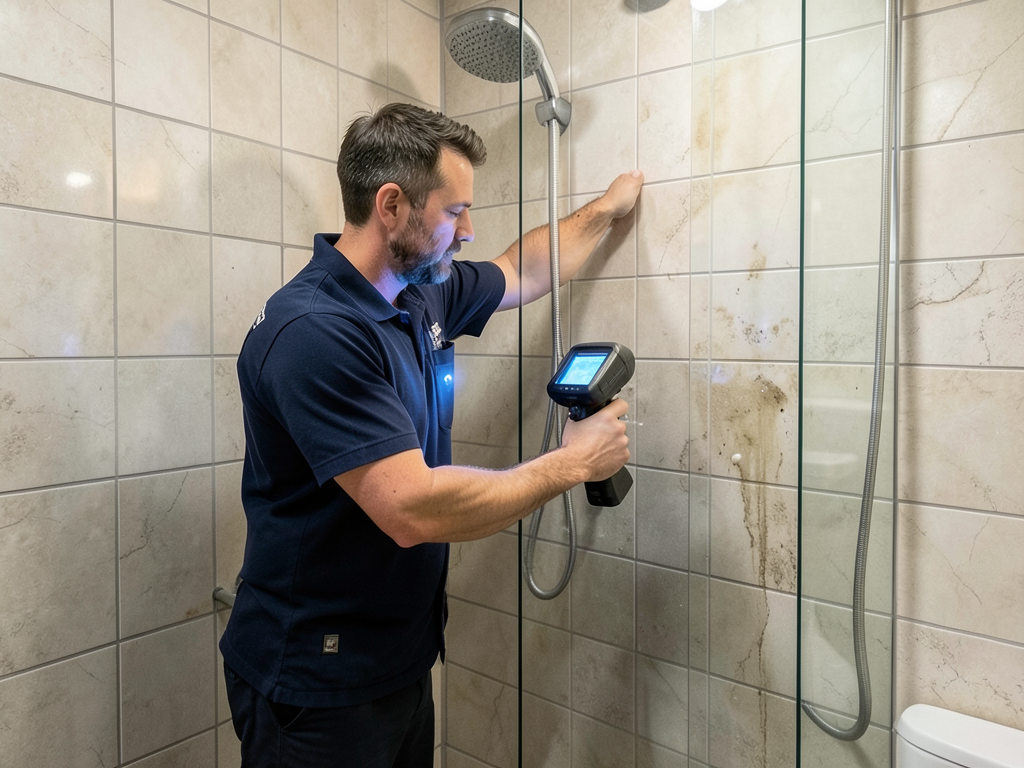
First, we conduct a moisture assessment using thermal imaging cameras and hygrometers. Floodwater hides in wall cavities, beneath flooring, and inside HVAC ductwork. Surface-level drying misses these pockets, which leads to mold and rot months later.

Next, we classify the water source. Category 3 water, which includes floodwater from rivers and storm drains, contains fecal matter, heavy metals, and pesticides. This water requires complete removal of affected porous materials like drywall, insulation, and carpeting. You cannot save these materials. Trying to dry them in place creates long-term health risks.

We then extract standing water using truck-mounted pumps that remove thousands of gallons per hour. Portable extractors cannot match this capacity. After extraction, we deploy commercial-grade air movers and dehumidifiers that create negative air pressure. This forces moisture out of structural materials and prevents secondary water migration into unaffected areas.

Sanitization follows drying. We apply EPA-registered antimicrobial treatments to all hard surfaces. Subfloors receive thorough treatment before new flooring goes down. Liberty Water Damage Restoration Riverside uses hospital-grade disinfectants that kill bacteria, viruses, and mold spores without leaving toxic residues.

Your First 72 Hours After Floodwater Enters Your Home

Steps to Take After a Flood in San Antonio – Your Complete Post-Flood Recovery Checklist for Fast, Safe Restoration
01

Safety and Documentation

Turn off electricity at the main breaker before entering flooded areas. Do not touch electrical panels, outlets, or appliances while standing in water. Document everything with photos and video before you move or discard anything. Your insurance adjuster needs this evidence. Call your insurance company immediately to open a claim and ask about emergency mitigation coverage.
02

Water Removal and Salvage

Remove standing water as quickly as possible. If you have more than two inches of water, call a professional extraction team. Move furniture and belongings to dry areas. Porous items like mattresses, particle board furniture, and cushioned seating cannot be saved after floodwater exposure. Hard surfaces like solid wood tables and metal filing cabinets can be cleaned and disinfected.
03

Drying and Monitoring

Begin drying affected areas within 24 hours to prevent mold growth. Open windows if outdoor humidity is below 60 percent. Run fans and dehumidifiers continuously. Monitor moisture levels in walls and floors using a moisture meter. Professional restoration teams use industrial equipment that dries structures in three to five days. DIY drying can take two to three weeks and often fails.

Why San Antonio Homeowners Trust Liberty Water Damage Restoration Riverside

San Antonio's unique flood patterns require local knowledge. We understand how water moves through neighborhoods built on Edwards Aquifer recharge zones. We know which areas near Brackenridge Park and Alamo Heights experience repeat flooding. We know how pier and beam foundations common in older homes near downtown behave differently than slab foundations in newer subdivisions.

Our teams respond to flood emergencies across Bexar County within 60 minutes. We operate 24 hours a day because floodwater does not wait for business hours. When you call, you speak directly to a restoration technician who can dispatch a crew immediately.

We work directly with insurance companies. Our estimators prepare detailed documentation that meets adjuster requirements. We photograph every affected area, log moisture readings, and itemize all damaged materials. This removes the burden from you during an already stressful time.

Liberty Water Damage Restoration Riverside uses only IICRC-certified technicians. Every crew member completes ongoing training in water damage restoration, structural drying, and microbial remediation. We do not hire day laborers or subcontract work to untrained crews.

Our equipment inventory includes truck-mounted extractors, axial air movers, low-grain refrigerant dehumidifiers, and hydroxyl generators for odor control. We maintain this equipment to manufacturer specifications and replace it regularly. You receive the benefit of reliable, commercial-grade tools that small restoration companies cannot afford.

We respect your home. Our crews wear booties, use corner guards on walls, and protect unaffected areas with plastic sheeting. We clean up thoroughly at the end of each day.

What Happens When You Call Liberty Water Damage Restoration Riverside

Emergency Response Time

We arrive within 60 minutes of your call for properties in San Antonio and the surrounding Bexar County area. Our dispatcher locates the closest available crew and provides you with an estimated arrival time. We do not operate on appointment schedules. Flood damage is an emergency, and we treat it as such. Our trucks carry full extraction and drying equipment, so we begin work immediately upon arrival. You do not wait days for service while water spreads through your home.

Comprehensive Damage Assessment

Our lead technician conducts a room-by-room inspection using moisture meters and thermal imaging cameras. We measure humidity levels, identify hidden water pockets, and classify contamination levels. You receive a written assessment that explains the scope of damage, required repairs, and estimated drying time. We test moisture in wall cavities, subflooring, and structural members. This assessment forms the basis of your insurance claim documentation. We do not guess. We measure and document everything.

Complete Structural Drying

We dry your home to industry-standard moisture levels, typically 12 to 15 percent for wood and below 1 percent for concrete. Our technicians monitor drying progress daily using calibrated meters and adjust equipment placement as needed. Most homes reach dry standards within three to five days. You receive daily updates and moisture logs. We do not remove equipment until independent testing confirms your home is dry. Premature equipment removal leads to mold growth and callbacks.

Post-Restoration Support

After your home is dry, we provide a final moisture report and recommendations for reconstruction. We coordinate with licensed contractors if you need drywall replacement, flooring installation, or plumbing repairs. Our team checks back at 30 and 60 days to verify no moisture issues have returned. If you notice musty odors or see signs of mold, we return at no charge to investigate. This follow-up service protects your investment and ensures the restoration work meets your expectations.

Frequently Asked Questions

You Have Questions,
We Have Answers

What steps to take after a flood? +

First, ensure everyone is safe and avoid flooded areas until authorities clear them. Document all damage with photos and video for insurance claims. Contact your insurance company immediately. Turn off electricity at the breaker if water entered your home. Remove standing water as quickly as possible to prevent mold growth. In San Antonio's humid climate, mold can start developing within 24 to 48 hours. Call a certified water damage restoration company to assess structural damage and begin professional drying. Do not enter your home until it is deemed safe, especially if floodwaters came from the San Antonio River or local creeks.

What should be done after the flood? +

After floodwaters recede, prioritize safety and documentation. Wear protective gear like boots and gloves when entering your property. Remove wet materials like carpet, drywall, and insulation that cannot be salvaged. Disinfect all hard surfaces with bleach solutions to kill bacteria. Open windows and use fans to promote airflow, but in San Antonio's high humidity, industrial dehumidifiers work best. Contact a restoration professional to evaluate hidden moisture in walls and subfloors. File your insurance claim promptly with detailed documentation. Address water damage quickly to avoid secondary issues like foundation problems common in areas with expansive clay soil.

What precautions should be taken after a flood? +

Wear protective clothing, gloves, and masks when cleaning, as floodwater often contains sewage and contaminants. Never touch electrical equipment while standing in water. Test well water before drinking if you rely on private wells. Watch for structural damage like cracks or shifting foundations, which San Antonio's clay soil can worsen after saturation. Discard any food that contacted floodwater. Ventilate your home thoroughly, but avoid relying solely on natural air in humid conditions. Use professional-grade dehumidifiers. Monitor for mold growth in the days following cleanup. Do not rush repairs until all moisture is completely removed and documented by a professional.

What should you do after going through a flood? +

Prioritize your safety first. Wait for official clearance before returning home. Once safe, document everything for insurance purposes with photos and detailed notes. Extract standing water immediately using pumps or wet vacuums. Remove soaked belongings and materials that hold moisture. In San Antonio, the combination of heat and humidity accelerates mold growth, so speed matters. Disinfect all surfaces exposed to floodwater. Contact your insurance adjuster and a water damage restoration company. They will use moisture meters and thermal imaging to find hidden water in walls and floors. Do not attempt major repairs until all moisture is confirmed dry.

What to spray on walls after a flood? +

After removing damaged drywall, spray exposed studs and framing with an EPA-registered antimicrobial or disinfectant solution. A bleach solution (one cup bleach per gallon of water) kills bacteria and mold spores on non-porous surfaces. For porous materials, antimicrobial sprays designed for flood restoration work better. In San Antonio's climate, follow up with a mold inhibitor to prevent future growth. Do not paint or seal walls until they are completely dry, confirmed by moisture readings below 15 percent. Professional restoration companies use commercial-grade products that provide better protection than household cleaners. Always wear respiratory protection when spraying.

What are the 5 steps of disaster recovery? +

The five steps of disaster recovery are assessment, stabilization, restoration, reconstruction, and monitoring. First, assess the full extent of damage safely. Second, stabilize the property by removing water, securing the structure, and preventing further damage. Third, restore salvageable materials through cleaning and drying. Fourth, reconstruct by replacing destroyed materials like drywall, flooring, and insulation. Finally, monitor humidity levels and inspect for secondary issues like mold or foundation movement. In San Antonio, where clay soil can shift after saturation, foundation monitoring is critical. Professional restoration companies follow this sequence to return your property to pre-loss condition efficiently.

What should you avoid doing after a flood? +

Do not enter your home without confirming it is structurally safe. Avoid touching electrical systems while standing in water. Never use generators or gas-powered equipment indoors due to carbon monoxide risk. Do not drink tap water until authorities confirm it is safe. Avoid walking through floodwater, which may contain sewage, chemicals, or sharp debris. Do not try to remove all water and dry your home without professional equipment, especially in San Antonio's humid environment where incomplete drying leads to mold. Avoid making permanent repairs before documenting damage for insurance. Never ignore signs of foundation issues or structural compromise after flooding.

What are the 5 steps of preparedness? +

The five steps of preparedness are planning, assembling supplies, staying informed, practicing your plan, and maintaining readiness. First, create a family emergency plan with evacuation routes and meeting points. Second, assemble a disaster supply kit with water, food, medications, and important documents. Third, stay informed about San Antonio flood risks, especially near the San Antonio River, Salado Creek, and Leon Creek. Fourth, practice your evacuation plan annually. Fifth, maintain your preparedness by updating supplies, reviewing insurance coverage, and identifying weak points in your home. San Antonio residents should monitor local weather alerts during storm season and understand flood zone maps.

How long to dry out a house after a flood? +

Complete drying typically takes three to five days with professional equipment in ideal conditions. However, San Antonio's high humidity can extend this timeline to seven to ten days or longer. Homes with significant structural water intrusion, wet insulation, or foundation moisture may require two to three weeks. Factors include the amount of water, materials affected, and airflow. Professional restoration companies use industrial dehumidifiers, air movers, and moisture meters to track progress. Do not rely on natural drying in humid climates. Hidden moisture in walls and subfloors must reach safe levels (below 15 percent) before reconstruction begins, or mold will develop.

What do people need after a flood? +

After a flood, people need safe shelter, clean drinking water, and food. Medical attention for injuries or contamination exposure is critical. Financial assistance through insurance claims or disaster relief programs helps cover immediate costs. Professional water damage restoration services are necessary to make homes habitable again. In San Antonio, residents often need help navigating insurance claims and understanding coverage. Emotional support from family, community, or counseling services helps with trauma recovery. Practical needs include cleaning supplies, protective gear, temporary housing, and documentation assistance. Quick access to certified restoration professionals prevents long-term damage and reduces overall recovery time and cost.

How San Antonio's Flash Flood Risk Makes Post-Flood Action Critical

San Antonio receives an average of 32 inches of rain annually, but that rainfall concentrates in intense spring and fall storms. The city's location at the Balcones Escarpment creates rapid runoff. Water that falls north of the escarpment races downhill through creek systems that cut through residential neighborhoods. Areas near Olmos Basin, Alazan Creek, and Apache Creek flood repeatedly. The clay soil common throughout Bexar County compounds the problem. Clay expands when wet and contracts when dry, which creates foundation movement and cracks. These cracks provide entry points for floodwater. Immediate water extraction prevents foundation shifting and reduces the load on already stressed structural elements.

Liberty Water Damage Restoration Riverside maintains relationships with San Antonio building inspectors and insurance adjusters throughout Bexar County. We understand local building codes that govern reconstruction after flood damage. We know which materials meet current flood zone requirements and which do not. Our crews have worked in every San Antonio neighborhood, from historic King William District homes with raised foundations to modern subdivisions near Stone Oak. This local expertise means we anticipate problems before they occur and provide solutions that pass inspection the first time. You avoid delays, failed inspections, and repeated service calls.

Water Damage Services in The San Antonio Area

We are proud to serve the entire San Antonio area. Our team is strategically located to ensure a rapid response to your location, no matter where you are. View our service area on the map to see if we cover your neighborhood, and please don't hesitate to reach out for immediate assistance. We're always here to help you navigate a water damage crisis with confidence and ease.

Address:
Titan Water Damage Restoration San Antonio, 5154 Broadway, San Antonio, TX, 78209

Additional Services We Offer

Our news updates

Latest Articles & News from The Blogs

Why DIY Mold Spray Can Actually Make Things Worse in Your Highland Hills Home Seeing black spots on your bathroom…

Why DIY Mold Spray Can Actually Make Things Worse in Your Highland Hills Home

Why DIY Mold Spray Can Actually Make Things Worse in Your Highland Hills Home Seeing black spots on your bathroom…

How to Safely Clean Up After Your Pet’s Water Bowl Disaster in Dignowity Hill

How to Safely Clean Up After Your Pet's Water Bowl Disaster in Dignowity Hill Your pet's water bowl just tipped…

Handling a Water Disaster in Your San Antonio Church or Place of Worship

Handling a Water Disaster in Your San Antonio Church or Place of Worship When water invades your church sanctuary it…

Contact Us

Do not let floodwater destroy your San Antonio home. Call Liberty Water Damage Restoration Riverside at (210) 390-5977 for immediate dispatch. Our crews are standing by 24 hours a day to extract water, dry your property, and document damage for your insurance claim. Every hour counts.