




Menu

Categories of Water in San Antonio – Know What You're Dealing With Before You Clean

Understanding IICRC water contamination levels saves you from health risks and failed restoration. Different categories of water demand different safety protocols, and treating Category 3 like Category 1 can endanger your family.

Slider Image 1
Slider Image 2
Slider Image 3
Slider Image 4
Slider Image 5
Slider Image 7
Slider Image 8
Slider Image 9
Slider Image 10
Slider Image 11

Why Water Category Matters in San Antonio Flooding Events

When the Olmos Basin overflows or a sewer line backs up into your Alamo Heights home, the water pooling in your living room is not just water. It carries contamination that determines whether you need basic extraction or biohazard-level remediation. The IICRC defines three water damage categories based on contamination levels, and confusing them costs San Antonio property owners thousands in failed cleanup and ongoing health issues.

Category 1 water comes from clean sources like supply lines or rainwater that has not contacted contaminants. Category 2 water contains significant contamination from sources like washing machine discharge, toilet overflow with urine, or sump pump failures. Category 3 water is grossly contaminated and includes sewage, rising floodwater from the San Antonio River, or any water that sat stagnant for more than 48 hours in our humid climate.

San Antonio's flash flood patterns make this distinction critical. A summer downpour can dump four inches in an hour, and that initially clean rainwater becomes Category 2 within hours as it absorbs dirt, insulation fibers, and building materials. By 48 hours in our 70 percent average humidity, it degrades to Category 3 regardless of source. The clay soil common throughout Bexar County does not absorb runoff quickly, which means standing water lingers longer than in other regions, accelerating contamination.

Many homeowners assume all water extraction is the same. They rent a shop vacuum and pull out what they can see. But water quality classifications determine whether you need antimicrobial treatment, whether salvaged materials are safe, and whether your insurance claim gets approved. Treating Category 3 contamination with Category 1 methods leaves pathogens that cause respiratory infections, skin rashes, and gastrointestinal illness.

Why Water Category Matters in San Antonio Flooding Events
How Liberty Water Damage Restoration Riverside Classifies and Treats Each Water Type

How Liberty Water Damage Restoration Riverside Classifies and Treats Each Water Type

We begin every extraction with contamination assessment, not just moisture detection. Our technicians test water sources, measure contact time, and evaluate environmental factors specific to San Antonio conditions. A broken supply line in your Stone Oak kitchen gets handled differently than a toilet overflow in your Monte Vista bungalow, and we document the category before equipment deployment.

For Category 1 water, we focus on rapid extraction and structural drying. Speed matters because water quality degrades over time. We pull standing water, place air movers to accelerate evaporation, and monitor moisture levels in framing and subfloors. The goal is full drydown before contamination sets in.

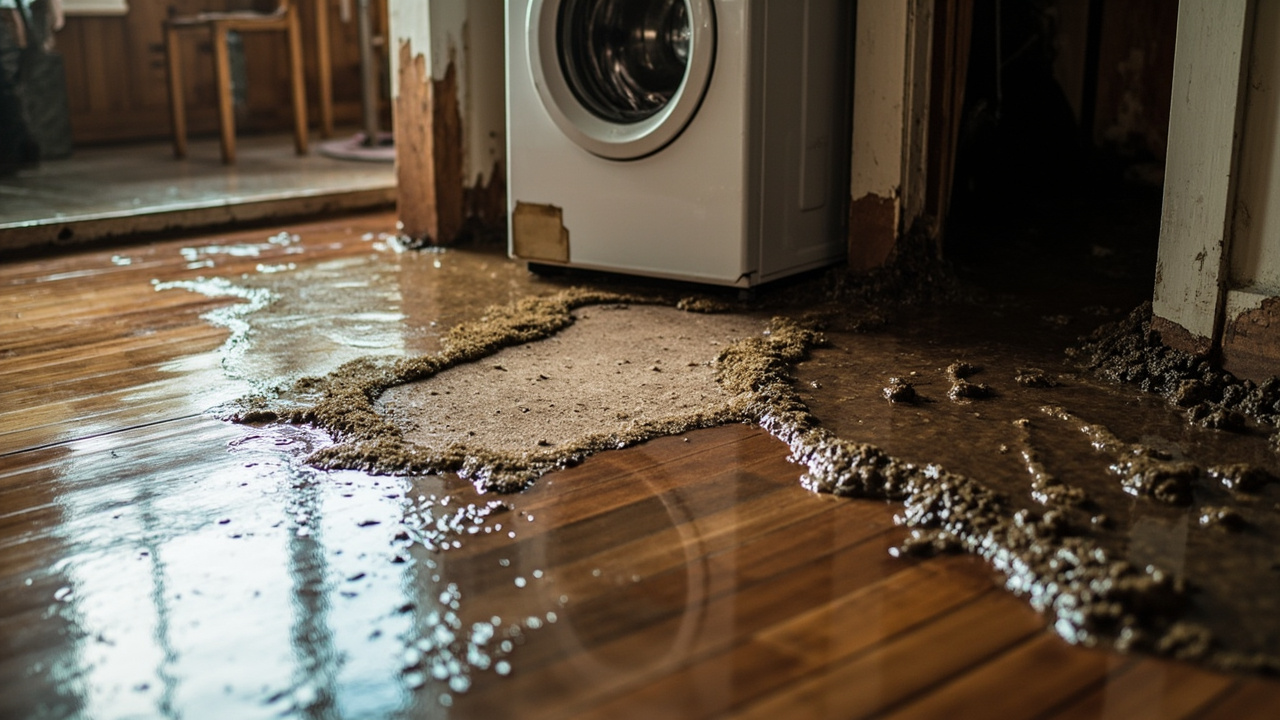
Category 2 requires antimicrobial application. Washing machine overflow or dishwasher discharge carries detergents, food particles, and bacteria. We extract the water, remove contaminated porous materials like carpet padding, then apply EPA-registered disinfectants to all affected surfaces. Hardwood floors, drywall, and cabinetry get treated before drying begins.

Category 3 demands controlled demolition and biohazard protocols. Sewage backups and floodwater contain fecal matter, chemicals, and pathogens. We remove all porous materials that contacted the water, including drywall up to 12 inches above the waterline, all insulation, and any flooring. Non-porous surfaces get disinfected twice. We run HEPA air scrubbers during demolition to capture airborne contaminants, then fog the space with antimicrobial solution before reconstruction begins.

San Antonio's building codes require proper waste handling for Category 3 materials. We bag contaminated debris separately, label it as biohazard waste, and dispose of it through approved facilities. This keeps your family safe and keeps your project compliant.

What Happens During Water Category Assessment in Your Home

Categories of Water in San Antonio – Know What You're Dealing With Before You Clean
01

Source Identification and Testing

Our team traces the water to its origin point and determines initial quality. We inspect the failure site, check for cross-contamination from building materials or soil contact, and measure how long the water has been present. In San Antonio's humidity, time is a contamination factor. We document everything for insurance and establish the baseline category before extraction starts.
02

Environmental Factor Analysis

We evaluate how local conditions changed the water quality. Clay soil intrusion, contact with HVAC ductwork, or interaction with stored materials can elevate category level. We test affected areas for bacterial load if there is ambiguity. San Antonio's warm climate accelerates microbial growth, so our assessment accounts for temperature and exposure duration to give you an accurate contamination classification.
03

Protocol Selection and Disclosure

Once we classify the water type, we explain what it means for your project. You get a clear breakdown of which materials must be removed, which can be salvaged, and what safety measures we will use. We walk you through the IICRC standards, show you the contamination risks, and outline the restoration plan. You know exactly what you are dealing with before we start work.

Why San Antonio Property Owners Trust Local Expertise for Water Classification

Water damage classification is not guesswork. It requires understanding how local conditions alter contamination levels, and that knowledge comes from working hundreds of projects across Bexar County's unique geography and climate patterns. Liberty Water Damage Restoration Riverside has handled everything from burst pipes in Terrell Hills to sewage backups in Southtown, and we know how San Antonio's environment affects water quality.

Our proximity to the Edwards Aquifer recharge zone means groundwater can surface during heavy rains, carrying soil bacteria and minerals. Homes near Salado Creek or Leon Creek face different flood contamination than properties in the Hill Country subdivisions. We understand these variables and adjust our assessment accordingly.

We also know local insurance requirements. San Antonio adjusters expect documented water categories with supporting evidence. We photograph source points, log moisture readings, and provide contamination justification that aligns with IICRC S500 standards. This documentation speeds up your claim and reduces disputes over coverage.

Our technicians train specifically on South Texas water issues. We recognize the signs of Category 2 degradation in our heat and humidity. We know which local building materials absorb contamination faster and which can be salvaged. This expertise prevents over-remediation that wastes your money and under-remediation that leaves health hazards.

You also get faster response. We operate out of San Antonio, not a regional hub two hours away. When a water event happens, we assess and classify within hours, not days. That speed prevents category escalation and keeps your damage contained.

What to Expect When We Assess Your Water Damage Category

Immediate Response and Onsite Evaluation

We arrive within two hours of your call and begin assessment immediately. Our technicians inspect the water source, test for contamination indicators, and determine the category before any equipment gets deployed. You receive a verbal classification on site, followed by written documentation. This quick turnaround prevents water quality from degrading while you wait for answers. We operate 24 hours a day because water does not wait for business hours, and neither do we.

Detailed Contamination Analysis

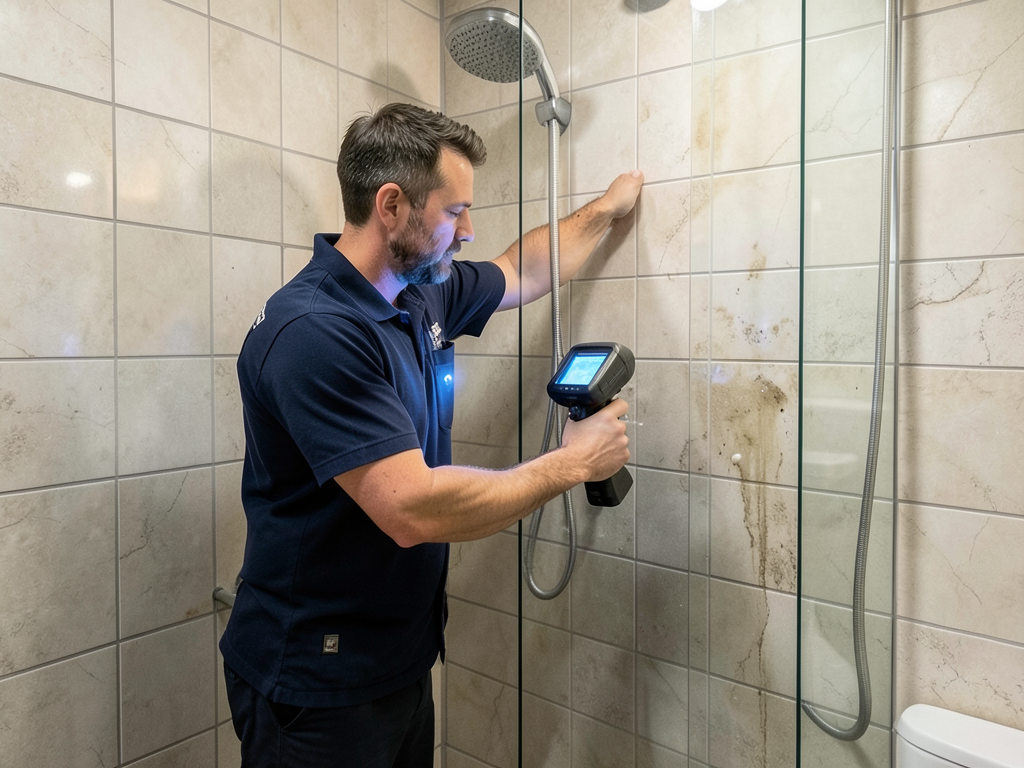
We perform a room-by-room evaluation to identify contamination spread. Water does not stay where it lands. It wicks through drywall, soaks into flooring, and travels along framing. We use moisture meters and thermal imaging to track migration patterns, then classify each affected area based on contact type and duration. You get a zone map showing Category 1, 2, and 3 areas so you understand the full scope. This transparency helps you make informed decisions about what to save and what to remove.

Safe, Compliant Restoration

Once the category is established, we execute the appropriate protocol without shortcuts. Category 3 jobs get full PPE, containment barriers, and negative air pressure to prevent cross-contamination. We follow IICRC guidelines for material removal and disinfection, then verify results with post-remediation testing. Your home gets returned to a safe, dry condition with documentation proving contamination was eliminated. We do not release a project until moisture levels are below 15 percent and microbial risk is neutralized.

Post-Restoration Verification

After remediation, we conduct final moisture checks and air quality testing on Category 2 and 3 projects. You receive a completion report with before and after readings, photos of the restored space, and a statement verifying IICRC compliance. This document protects you if health issues arise later and provides proof for insurance closeout. We also offer guidance on preventing future water intrusion specific to your property and San Antonio's weather patterns. Your restoration does not end when we leave. It ends when you have confidence in your home's safety.

Frequently Asked Questions

You Have Questions,
We Have Answers

What are the 5 types of water? +

Water damage professionals recognize three main categories, not five. Category 1 is clean water from sources like supply lines or faucets. Category 2 is gray water containing contaminants, such as washing machine overflow or toilet bowls without feces. Category 3 is black water, grossly unsanitary and often sewage-related. San Antonio homes face all three types during flooding events from storms or plumbing failures. Understanding the category determines the restoration approach, safety protocols, and disposal requirements. You should never attempt cleanup of Category 2 or 3 water without professional equipment and training.

What is category 1, 2, and 3 water? +

Category 1 water is clean and poses no immediate health risk. It comes from broken supply lines, sink overflows, or rainwater that has not contacted contaminants. Category 2 is gray water with some contamination, like dishwasher leaks or sump pump failures. It can cause discomfort or illness if contacted. Category 3 is black water, highly contaminated with sewage, chemicals, or floodwater. San Antonio residents often encounter Category 3 during heavy rains when storm drains back up. Black water requires immediate professional remediation and poses serious health hazards including bacteria and viruses.

What are the three categories of water? +

The three water damage categories are clean, gray, and black. Clean water originates from sanitary sources like water supply lines or rain before ground contact. Gray water contains contaminants that may cause discomfort, coming from appliances or fixtures. Black water is grossly unsanitary, often containing sewage or chemical pollutants. San Antonio properties experience all three types. A clean water event can degrade to gray water within 48 hours if left untreated, and gray water can become black water as bacteria multiply. Time matters when addressing any water intrusion, regardless of initial category.

What are the different water categories? +

Water damage falls into three distinct categories based on contamination level. Category 1 is clean water from sanitary sources. Category 2 is gray water with chemical or biological contaminants. Category 3 is black water, grossly unsanitary and potentially dangerous. San Antonio homes commonly face Category 1 from burst pipes during winter freezes or Category 3 from sewage backups during heavy storms. Each category requires different safety protocols, equipment, and disposal methods. Professionals assess the source and age of water intrusion to determine proper restoration procedures and protect occupant health.

What are the 7 types of water? +

There are three standard water categories in damage restoration, not seven. The industry uses Category 1 for clean water, Category 2 for gray water, and Category 3 for black water. This classification system focuses on contamination level and health risks. San Antonio restoration professionals follow IICRC standards that define these three categories. Some confusion arises when people mix water categories with the four classes of water damage, which describe evaporation rates and affected materials. Categories address contamination while classes address the extent and difficulty of drying. Both systems work together during assessment.

What are category 5 waters? +

Category 5 water does not exist in professional water damage restoration. The industry standard includes only three categories: clean, gray, and black water. Category 3 is the highest contamination level, covering sewage and grossly unsanitary water. San Antonio homeowners sometimes hear incorrect terminology from unlicensed contractors. If someone references Category 4 or 5 water, they lack proper training. Legitimate restoration companies follow IICRC S500 standards, which define three water categories and four damage classes. When hiring a restoration company after flooding or sewage backup, verify they understand and use correct industry classification systems.

What is category 4 water? +

Category 4 water does not exist in the restoration industry. The standard classification stops at Category 3, which covers black water and grossly contaminated sources. This includes sewage, rising floodwater, and water with pathogens or toxic chemicals. San Antonio properties affected by storm surge or sewer backups deal with Category 3 water. Some people confuse water categories with damage classes. There are four classes of water damage based on evaporation rates and materials affected, but only three contamination categories. Always work with trained professionals who follow IICRC standards for proper assessment and remediation.

What are the four classes of water? +

The four classes of water damage describe how much water was absorbed and evaporation difficulty, not contamination. Class 1 affects minimal porous materials with slow evaporation rates. Class 2 involves fast evaporation affecting carpet and cushions. Class 3 is the fastest evaporation rate, with water coming from overhead or saturating walls and insulation. Class 4 requires specialty drying for materials like hardwood, concrete, or stone. San Antonio homes with foundation slab construction often experience Class 4 damage when water seeps into concrete. Classes work alongside the three water categories to determine restoration scope and equipment needs.

Who uses class C water? +

Class C water is outdated terminology no longer used in professional restoration. The current IICRC standards classify water damage as Class 1 through 4 based on evaporation rates and affected materials. Older references used Class A, B, and C to describe contamination levels, similar to today's Category 1, 2, and 3 system. San Antonio restoration professionals use the modern classification to ensure consistency and proper protocols. If a contractor mentions Class C water, ask them to clarify using current Category and Class terminology. Updated training and certification ensure you receive service that meets industry standards and protects your health.

What are different types of water called? +

Water damage professionals call different types by their category and class. Categories describe contamination: clean water, gray water, and black water. Classes describe absorption and evaporation difficulty. Beyond restoration, water has other names based on source or treatment. Potable water is safe for drinking. Reclaimed water is treated wastewater used for irrigation in San Antonio parks. Groundwater comes from aquifers like the Edwards Aquifer serving the region. Stormwater runs off surfaces during rain. In restoration context, you need to know the category to understand health risks and the class to estimate drying time and equipment requirements.

How San Antonio's Flash Flood Patterns Elevate Water Contamination Levels Faster

San Antonio averages 32 inches of rain annually, but that precipitation falls in short, intense bursts rather than steady drizzle. A single storm can drop three inches in 30 minutes, overwhelming drainage systems and pushing runoff into homes before residents can react. This runoff picks up oil from streets, fertilizer from lawns, and bacteria from soil as it moves. What starts as rainwater, technically Category 1, becomes Category 2 within an hour of ground contact. The clay soil throughout Bexar County compounds the issue by preventing absorption, so water sits on the surface and continues collecting contaminants. By the time it enters your home through a doorway or foundation crack, it carries enough pollutants to require antimicrobial treatment.

Local restoration companies that understand this contamination acceleration provide better outcomes than national chains operating from regional hubs. Liberty Water Damage Restoration Riverside has tracked how San Antonio's seasonal flooding affects water quality in dozens of neighborhoods, from the low-lying areas near Brackenridge Park to the newer developments in far Northwest San Antonio. We know which flood zones produce Category 3 conditions immediately and which give you a few hours to extract before degradation occurs. This knowledge shapes our response protocols and keeps your family safer than generic, one-size-fits-all approaches that ignore local environmental factors.
Water Damage Services in The San Antonio Area

We are proud to serve the entire San Antonio area. Our team is strategically located to ensure a rapid response to your location, no matter where you are. View our service area on the map to see if we cover your neighborhood, and please don't hesitate to reach out for immediate assistance. We're always here to help you navigate a water damage crisis with confidence and ease.

Address:
Titan Water Damage Restoration San Antonio, 5154 Broadway, San Antonio, TX, 78209

Additional Services We Offer

Our news updates

Latest Articles & News from The Blogs

What Exactly Happens Inside Your Walls During the First 24 Hours of a Leak \n\n Water damage inside your walls…

What Exactly Happens Inside Your Walls During the First 24 Hours of a Leak

What Exactly Happens Inside Your Walls During the First 24 Hours of a Leak \n\n Water damage inside your walls…

Why Waterproof Vinyl Plank Flooring Can Still Trap Moisture and Grow Mold

Why Waterproof Vinyl Plank Flooring Can Still Trap Moisture and Grow Mold Waterproof vinyl plank flooring seems like the perfect…

Simple Ways to Seal Your Windows Before the San Antonio Rainy Season Starts

Simple Ways to Seal Your Windows Before the San Antonio Rainy Season Starts San Antonio’s rainy season brings intense thunderstorms…

Contact Us

Do not guess about water contamination levels. Call Liberty Water Damage Restoration Riverside at (210) 390-5977 for immediate classification and safe remediation. We respond 24 hours a day with the expertise to protect your health and property.