




Menu

Preventative Waterproofing Tips in San Antonio – Protect Your Home Before Damage Strikes

Expert-Backed Preventative Waterproofing Tips to Shield Your San Antonio Home from Humidity, Flash Floods, and Foundation Shifts Before Water Damage Costs You Thousands

Slider Image 1
Slider Image 2
Slider Image 3
Slider Image 4
Slider Image 5
Slider Image 7
Slider Image 8
Slider Image 9
Slider Image 10
Slider Image 11

Why San Antonio Homes Need Proactive Water Sealing Methods

San Antonio's climate is brutal on structures. Summer humidity hovers between 60 and 80 percent, creating constant moisture stress on building envelopes. Flash floods during spring thunderstorms overwhelm drainage systems in minutes. The expansive clay soil across Bexar County swells when wet and contracts when dry, shifting foundations and opening cracks that funnel water straight into your crawl space or basement.

Most homeowners wait until they see staining on drywall or smell mildew in the garage. By then, you are not preventing damage. You are paying to fix it. A water damage prevention checklist implemented before problems surface costs a fraction of emergency restoration work.

DIY waterproofing techniques can address minor vulnerabilities, but you need to know where to look. Gaps around window frames, missing sealant on foundation joints, and improperly graded soil near your slab all invite water intrusion. Homes in Alamo Heights and Terrell Hills face additional challenges from aging infrastructure and mature tree roots that disrupt drainage paths.

Proactive water sealing methods are not about paranoia. They are about math. A few hours of inspection and maintenance now prevents weeks of displacement and tens of thousands in repair bills later. Moisture control best practices tailored to South Texas conditions keep your home dry, your air quality safe, and your property value intact.

The question is not whether your home will face water threats. It is whether you will address them before or after they cause damage.

Why San Antonio Homes Need Proactive Water Sealing Methods
How Preventative Waterproofing Actually Works

How Preventative Waterproofing Actually Works

Effective home waterproofing maintenance starts with a methodical exterior-to-interior inspection. You begin outside, walking the perimeter of your foundation during daylight. Look for soil grading that slopes toward the house instead of away. Measure the gap between your soil line and weep holes. If dirt is covering weep holes, you have blocked your primary drainage escape route.

Next, check every penetration point. This means windows, doors, utility lines, and hose bibs. Run your hand along the sealant bead. If it is cracked, brittle, or pulling away from the substrate, moisture is getting through. Polyurethane or silicone caulk degrades under UV exposure in 3 to 5 years in San Antonio's intense sun. Resealing these joints is a low-cost, high-impact DIY waterproofing technique that stops 90 percent of minor leaks.

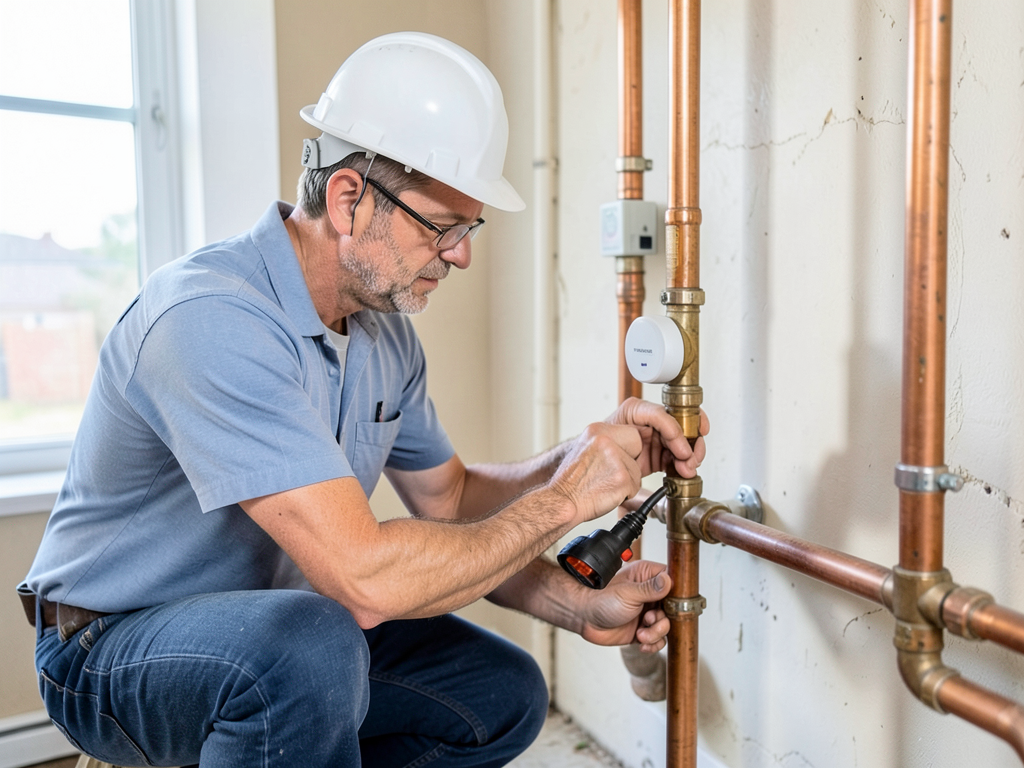
Inside, focus on moisture control best practices in high-risk zones. Bathrooms, kitchens, and laundry rooms generate the most humidity. Install or verify that exhaust fans vent to the exterior, not into the attic. Check under sinks for slow drips that saturate cabinet floors. Even a pinhole leak in a supply line can rot subflooring in weeks.

Your HVAC system also plays a role. A clogged condensate drain line can dump gallons of water into your air handler's drip pan, which then overflows into ceilings or walls. Clean the drain line quarterly using a wet-dry vacuum or a vinegar flush.

These steps are not complicated, but they require consistency. A water damage prevention checklist executed twice a year catches problems while they are still cheap to fix.

Your Three-Phase Home Waterproofing Maintenance Guide

Preventative Waterproofing Tips in San Antonio – Protect Your Home Before Damage Strikes
01

Exterior Envelope Assessment

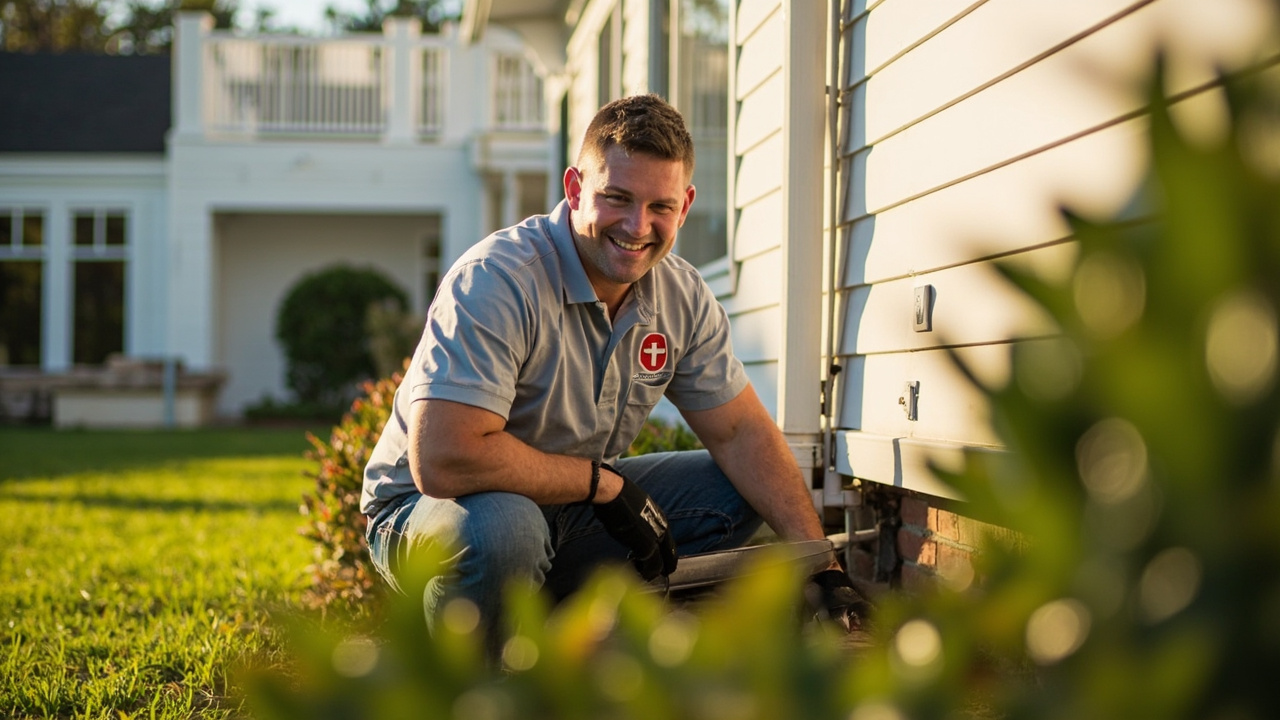
Start by inspecting your roof, gutters, downspouts, and foundation perimeter. Clear debris from gutters and verify downspout extensions discharge at least six feet from the foundation. Check for missing shingles, damaged flashing around chimneys, and cracked mortar in brick veneer. Document every deficiency with photos and prioritize repairs based on water entry risk. This phase identifies where water is most likely to breach your home's protective barrier.
02

Interior Moisture Mapping

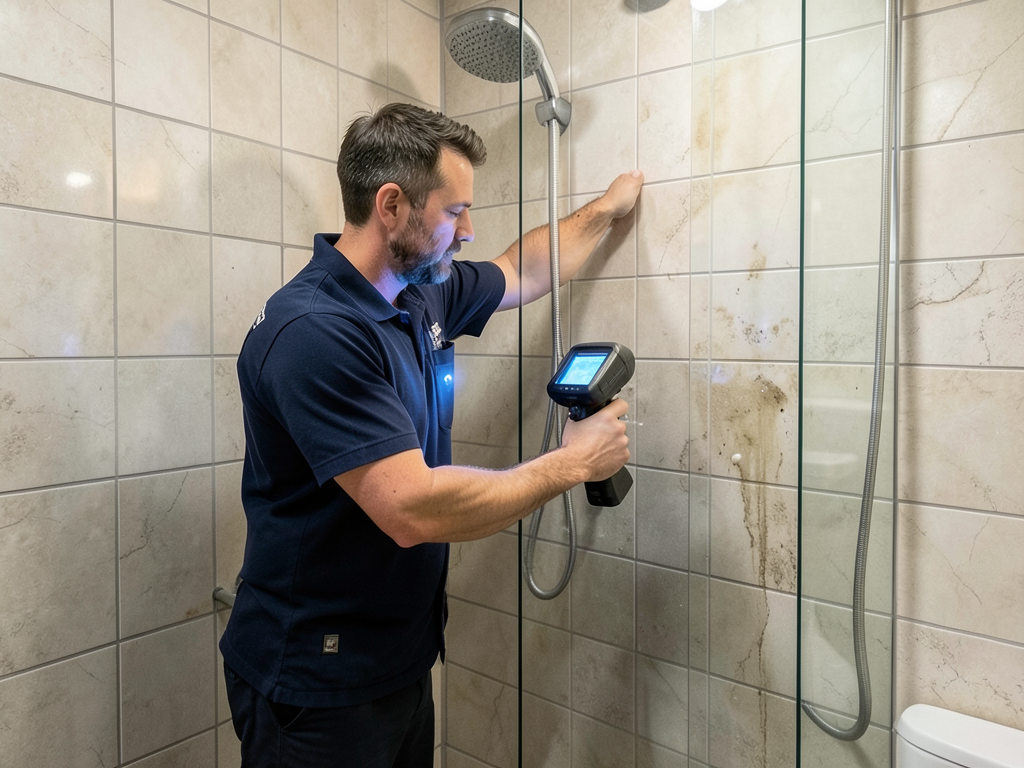
Move inside and use a moisture meter to scan walls near windows, under sinks, and along exterior walls. Elevated moisture readings between 16 and 20 percent indicate active water intrusion or condensation issues. Check attic insulation for compression or discoloration, which signals roof leaks. Inspect crawl spaces for standing water or efflorescence on concrete. This phase reveals hidden moisture problems before they cause visible damage or mold growth.
03

Sealant and Drainage Maintenance

Apply fresh sealant to compromised joints and cracks identified during your inspection. Use polyurethane caulk for exterior masonry and silicone for non-porous surfaces like metal flashing. Re-grade soil away from the foundation using fill dirt if necessary. Install splash blocks under downspout outlets. Test sump pumps if applicable and clear weep holes. This phase closes vulnerabilities and ensures water moves away from your structure instead of into it.

Why Liberty Water Damage Restoration Riverside Understands San Antonio Homes

Generic waterproofing advice does not account for the Edwards Aquifer recharge zone, Bexar County's strict grading ordinances, or the unique foundation challenges posed by South Texas clay. Liberty Water Damage Restoration Riverside works exclusively in this region, which means we know how summer monsoons interact with poorly maintained French drains in Olmos Park, how aging pier-and-beam structures in Monte Vista leak during prolonged rain events, and how newer homes in Stone Oak deal with rapid soil settlement.

We have extracted water from homes in every ZIP code across San Antonio. That fieldwork gives us pattern recognition you cannot get from a manual. We know that homes built before 1985 often lack vapor barriers in crawl spaces. We know that subdivisions developed in the early 2000s frequently have undersized gutters that cannot handle storm intensity. We know that properties near the San Antonio River or tributary creeks face groundwater intrusion risks that hillside homes do not.

When you call us for a consultation, you are not getting a technician reading from a script. You are getting someone who has seen what happens when preventative waterproofing gets ignored in this specific climate. We can walk your property, identify vulnerabilities based on local construction norms, and recommend fixes that align with how San Antonio buildings actually fail.

This is not about selling you services you do not need. It is about giving you a realistic risk assessment so you can make informed decisions. If your home is well-protected, we will tell you. If you have a ticking time bomb in your foundation or roof system, we will show you exactly where and why.

Local expertise matters because water damage does not follow national trends. It follows local geology, local weather patterns, and local building practices.

What You Can Expect from a Professional Waterproofing Consultation

Rapid Response and Availability

We understand that waterproofing questions often arise after you notice a problem. You can reach Liberty Water Damage Restoration Riverside seven days a week for consultations. Most property assessments are scheduled within 48 hours of your call. If you are dealing with active water intrusion, we dispatch a technician the same day. Our goal is to prevent small issues from escalating into emergency restoration projects. You get answers quickly so you can act before damage compounds.

Comprehensive Property Assessment

During the initial evaluation, a certified technician performs a full exterior and interior inspection. We use infrared thermography to detect hidden moisture behind walls and in ceilings. We test soil grading with a level and measure sealant integrity at penetration points. You receive a written report documenting every vulnerability, ranked by severity. We explain the failure modes specific to your home's age, construction type, and location. This is not a sales pitch. It is a diagnostic service designed to give you clarity.

Detailed Remediation Roadmap

After the assessment, you get a prioritized action plan. We differentiate between immediate risks that require professional intervention and lower-priority tasks you can handle yourself. If DIY waterproofing techniques are sufficient, we provide product recommendations and installation guidance. If structural repairs or drainage system modifications are needed, we outline scope, timeline, and cost factors. You walk away knowing exactly what needs to happen and when. No upselling. No pressure. Just data.

Ongoing Maintenance Support

Preventative waterproofing is not a one-time event. Sealants degrade. Drainage paths shift. We offer annual re-inspection services to verify that previous fixes remain effective and identify new vulnerabilities as your home ages. If you implement recommended repairs, we document the work and provide follow-up moisture testing to confirm success. Many clients schedule biannual inspections before and after storm season. This proactive approach catches problems early and keeps your home off the emergency repair list.

Frequently Asked Questions

You Have Questions,
We Have Answers

What to do before applying waterproofing? +

Before applying waterproofing, clean all surfaces thoroughly to remove dirt, mold, and loose debris. Repair any cracks, holes, or damaged areas in the concrete or masonry. Check for active leaks and address drainage issues around the foundation. In San Antonio, inspect for shifting caused by expansive clay soils, which can create new cracks. Let the surface dry completely before starting. Test a small area first to ensure the product adheres properly. If you find extensive foundation movement or ongoing moisture intrusion, call a professional to assess structural issues before waterproofing.

What are common waterproofing mistakes? +

Common waterproofing mistakes include applying products to wet or dirty surfaces, which prevents proper adhesion. Skipping surface prep or ignoring existing cracks leads to failure. Many homeowners apply too thin a coat or miss corners and seams where water penetrates. Using the wrong product for the application is another frequent error. In San Antonio, failing to address poor grading or clogged gutters means water still pools against foundations. Rushing the curing process between coats compromises effectiveness. Not extending waterproofing high enough on foundation walls allows moisture entry during heavy rain events.

Should you prime before waterproofing? +

Priming before waterproofing improves adhesion and penetration, especially on porous concrete or masonry surfaces. A quality primer seals the surface, fills minor imperfections, and creates a uniform base for the waterproofing membrane. In San Antonio, where caliche and limestone are common in foundations, primers help products bond better to alkaline surfaces. Not all waterproofing systems require primer, but checking the manufacturer's instructions is critical. For previously painted or sealed surfaces, priming ensures compatibility. Skipping this step can lead to peeling, bubbling, or incomplete coverage that compromises your entire waterproofing effort.

How much does it cost to waterproof a 1000 sq ft basement? +

Waterproofing a 1000 square foot basement varies widely based on method and condition. Interior sealants are the most affordable option. Exterior excavation and membrane application costs significantly more but provides superior protection. San Antonio homes often need additional foundation stabilization due to clay soil movement, which increases expenses. Drainage system installation, sump pump additions, and crack repair add to the total. Material quality, wall height, and accessibility affect pricing. For accurate estimates specific to your San Antonio property's soil conditions and foundation type, get multiple professional assessments before starting work.

What are the four steps to waterproofing? +

The four steps to waterproofing are preparation, priming, application, and drainage management. First, clean and repair all surfaces, fixing cracks and damage. Second, apply primer if your product requires it to ensure proper adhesion. Third, apply the waterproofing membrane or coating in multiple layers, following manufacturer cure times. Fourth, address exterior drainage by grading soil away from foundations, installing or cleaning gutters, and adding drainage systems if needed. In San Antonio, this final step is critical because clay soils retain water. Without proper drainage, even the best waterproofing products will eventually fail.

What does Coca-Cola do for concrete? +

Coca-Cola can clean oil and rust stains from concrete due to its phosphoric acid content. The mild acid breaks down these substances, making them easier to scrub away. However, Coca-Cola does not waterproof, seal, or protect concrete. It is a cleaning trick, not a structural solution. For San Antonio homeowners dealing with foundation moisture issues, soft drinks offer zero protection against water intrusion. After cleaning stains, you still need proper waterproofing products designed for concrete. While it makes a decent degreaser for driveways, never rely on it for moisture control or foundation protection.

How many coats of waterproofing should I do? +

Apply two to three coats of waterproofing for adequate protection. The first coat seals the surface and fills minor imperfections. The second coat builds thickness and covers any thin spots. A third coat adds extra protection for below-grade applications or areas with high water pressure. In San Antonio, where expansive clay soils create hydrostatic pressure against foundations, multiple coats provide better defense. Wait for each coat to cure fully before applying the next, following manufacturer dry times. Rushing this process creates weak spots. For basements and exterior foundation walls, three coats deliver the most reliable barrier.

What is the negative side of waterproofing? +

The negative side of waterproofing is that it only addresses symptoms, not causes. If you waterproof without fixing drainage problems, hydrostatic pressure can cause the coating to fail or push water through other weak points. Poor application traps moisture inside walls, leading to hidden mold growth. Low-quality products break down quickly, requiring reapplication. In San Antonio, waterproofing over foundation damage caused by soil movement creates a false sense of security while structural issues worsen. Some products also release fumes during application. Waterproofing works best as part of a complete moisture management system, not a standalone fix.

What causes waterproofing to fail? +

Waterproofing fails when poor drainage allows continuous water pressure against foundations. Expansive clay soils in San Antonio create hydrostatic pressure that overwhelms even quality products. Application over dirty, wet, or damaged surfaces prevents proper adhesion, causing peeling and cracking. Using interior-grade products on exterior applications accelerates breakdown from UV exposure and temperature swings. Foundation movement from soil shifting tears membranes and opens new pathways for water. Skipping surface prep or applying insufficient coats creates weak spots. Age and weathering degrade materials over time. Without addressing root causes like grading and gutters, waterproofing provides only temporary relief.

What is the best time to do water waterproofing? +

The best time for waterproofing in San Antonio is during dry, mild weather in spring or fall. Avoid summer's extreme heat, which causes products to dry too quickly and crack. Winter moisture and temperature fluctuations prevent proper curing. You need at least three consecutive dry days for exterior applications. Plan waterproofing before the heavy rain season to ensure protection when you need it most. Interior waterproofing has more flexibility but still requires controlled humidity. If you discover active leaks during summer storms, get temporary emergency repairs immediately, then schedule permanent waterproofing when conditions improve for optimal results.

How San Antonio's Clay Soil and Flash Floods Make Preventative Waterproofing Critical

Expansive clay soil across Bexar County creates constant stress on foundations. When soil absorbs water during spring rains, it swells and exerts lateral pressure on basement walls and slab edges. When it dries out in summer, it contracts and pulls away, creating gaps that funnel the next rainstorm directly under your foundation. This cycle cracks slabs, shifts pier-and-beam structures, and separates mortar joints in brick veneer. Add flash flooding from sudden thunderstorms that dump three inches in an hour, and you have water entering homes through every weak point. Proactive water sealing methods that account for soil movement and rapid drainage demands are not optional in this region. They are structural necessities.

Liberty Water Damage Restoration Riverside works within San Antonio's building code framework and understands local inspection requirements. We know that properties in the Edwards Aquifer recharge zone face stricter drainage regulations. We know that historic districts like King William have preservation guidelines that limit exterior modifications. We know which contractors in this market cut corners and which ones execute waterproofing details correctly. This local knowledge protects you from compliance issues and ensures repairs meet both code and real-world performance standards. When you work with a team that understands San Antonio's unique challenges, you get solutions that last.

Water Damage Services in The San Antonio Area

We are proud to serve the entire San Antonio area. Our team is strategically located to ensure a rapid response to your location, no matter where you are. View our service area on the map to see if we cover your neighborhood, and please don't hesitate to reach out for immediate assistance. We're always here to help you navigate a water damage crisis with confidence and ease.

Address:
Titan Water Damage Restoration San Antonio, 5154 Broadway, San Antonio, TX, 78209

Additional Services We Offer

Our news updates

Latest Articles & News from The Blogs

What Exactly Happens Inside Your Walls During the First 24 Hours of a Leak \n\n Water damage inside your walls…

What Exactly Happens Inside Your Walls During the First 24 Hours of a Leak

What Exactly Happens Inside Your Walls During the First 24 Hours of a Leak \n\n Water damage inside your walls…

Why Waterproof Vinyl Plank Flooring Can Still Trap Moisture and Grow Mold

Why Waterproof Vinyl Plank Flooring Can Still Trap Moisture and Grow Mold Waterproof vinyl plank flooring seems like the perfect…

Simple Ways to Seal Your Windows Before the San Antonio Rainy Season Starts

Simple Ways to Seal Your Windows Before the San Antonio Rainy Season Starts San Antonio’s rainy season brings intense thunderstorms…

Contact Us

Do not wait for stains, mold, or structural damage to force your hand. Call Liberty Water Damage Restoration Riverside today at (210) 390-5977 for a professional waterproofing assessment. We will identify vulnerabilities, explain your options, and help you implement a prevention plan that works.