




Menu

Condensation on Windows & Walls in San Antonio – Expert Diagnosis Stops Hidden Mold and Structural Damage

Liberty Water Damage Restoration Riverside identifies the root cause of window sweating and moisture buildup on walls, stopping mold growth and wood rot before they compromise your San Antonio home's structure and air quality.

Slider Image 1
Slider Image 2
Slider Image 3
Slider Image 4
Slider Image 5
Slider Image 7
Slider Image 8
Slider Image 9
Slider Image 10
Slider Image 11

Why San Antonio Homes Battle Window Sweating and Wall Moisture Year-Round

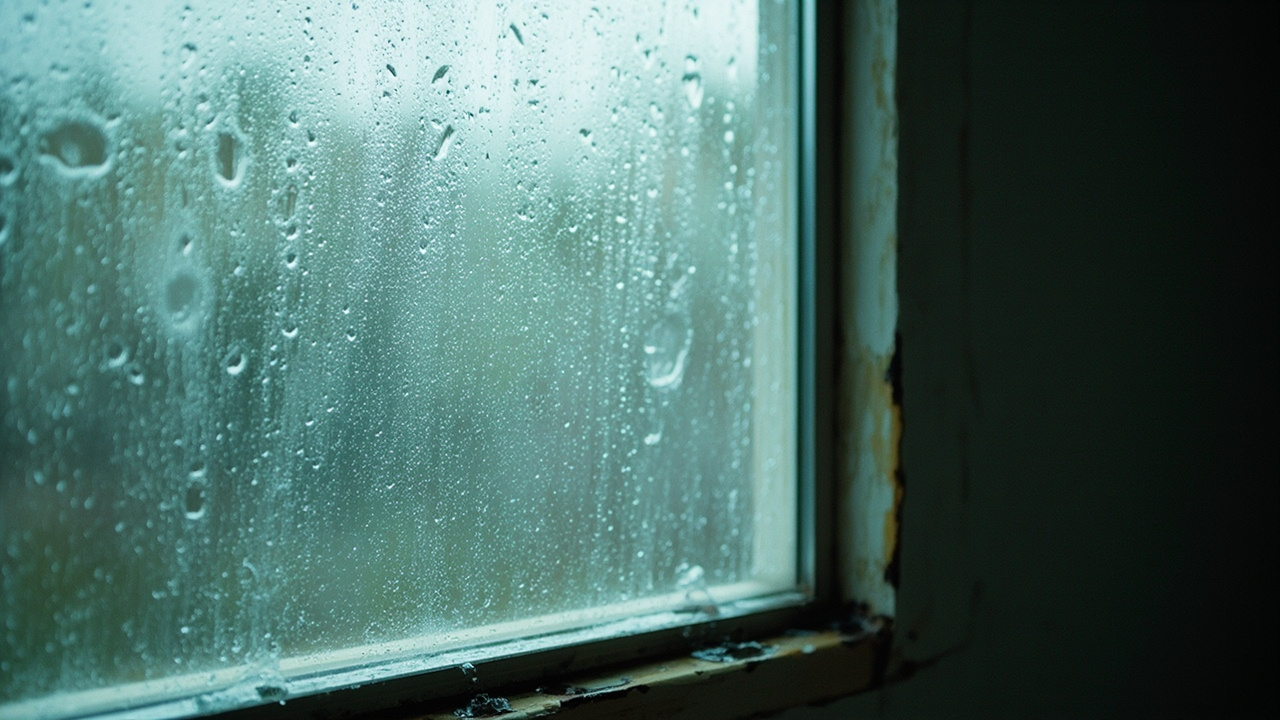
You wipe down your windows every morning. You notice damp drywall patches appearing near exterior walls. You see weeping window panes forming puddles on the sills. This is not normal wear and tear.

San Antonio's climate creates the perfect storm for interior glass condensation and moisture buildup on walls. Our summers push outdoor temperatures into the high 90s while indoor air conditioning drops interior spaces to the low 70s. That 20-plus degree temperature differential turns cold surfaces into condensation magnets. Add in our humidity levels that spike during spring thunderstorms and fall cold fronts, and you have constant moisture problems.

The issue gets worse in older neighborhoods like Alamo Heights and Monte Vista, where single-pane windows and minimal wall insulation create cold spots. Even newer construction in Stone Oak and Dominion can struggle when builder-grade vapor barriers fail or HVAC systems run oversized, cycling too quickly to dehumidify properly.

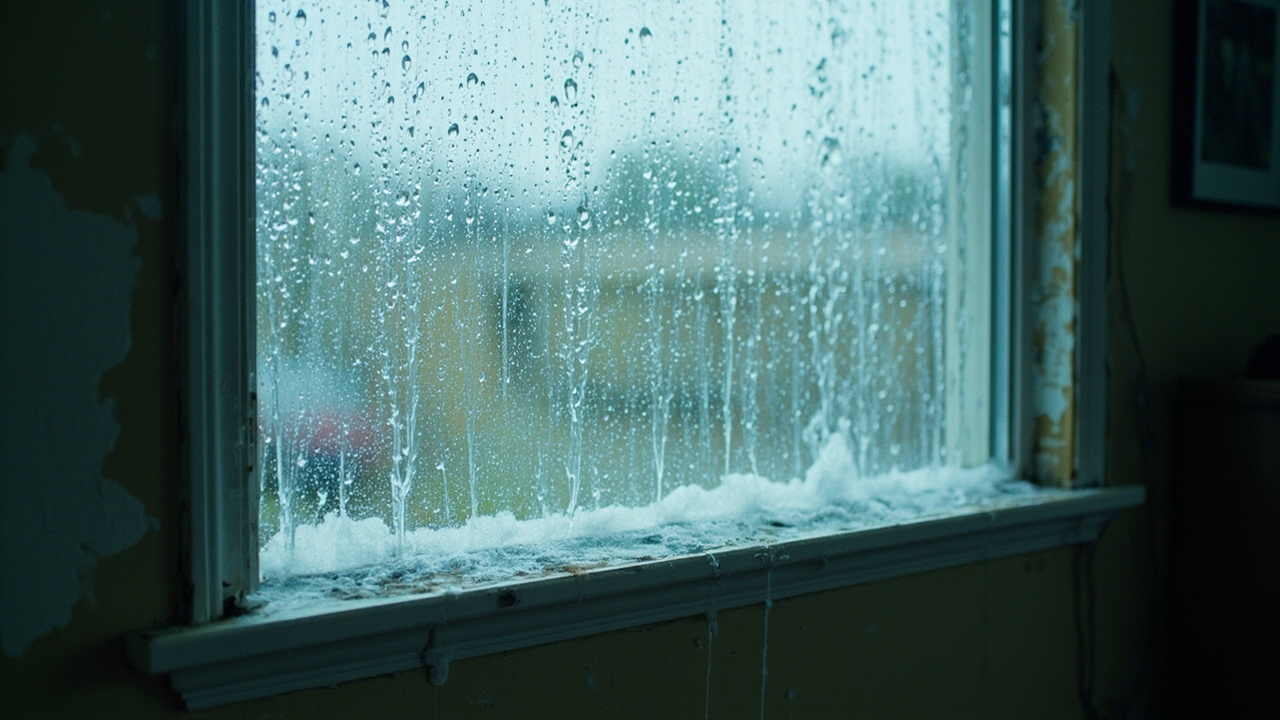
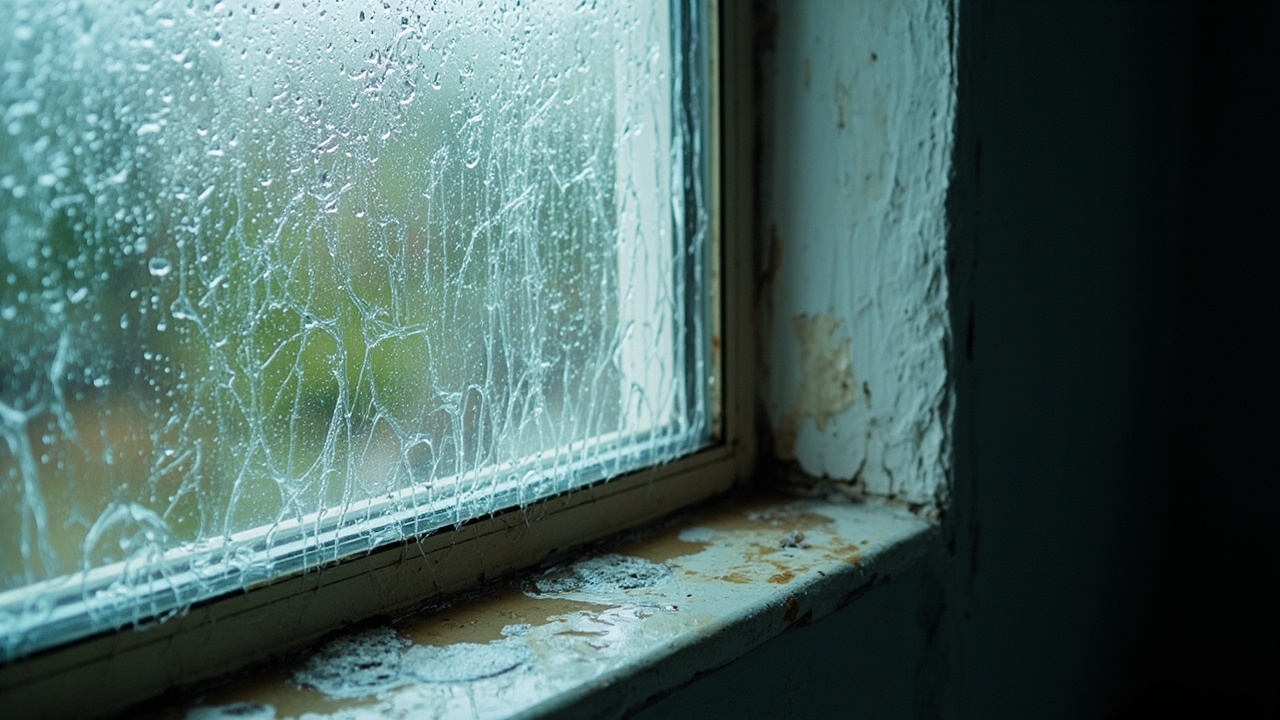
Window sweating looks harmless at first. The water runs down. It pools on the sill. Then it seeps into the wall cavity below. Within weeks, you have mold growing inside your walls. Within months, the window framing starts to rot. Damp drywall patches spread as interior moisture finds cold surfaces during temperature swings.

Most homeowners treat the symptom by wiping windows or running fans. That does nothing to address the underlying vapor pressure differential driving moisture through your building envelope. You need someone who understands building science, not just surface cleaning.

Why San Antonio Homes Battle Window Sweating and Wall Moisture Year-Round
How We Identify the Real Source of Interior Condensation

How We Identify the Real Source of Interior Condensation

We do not guess. We measure.

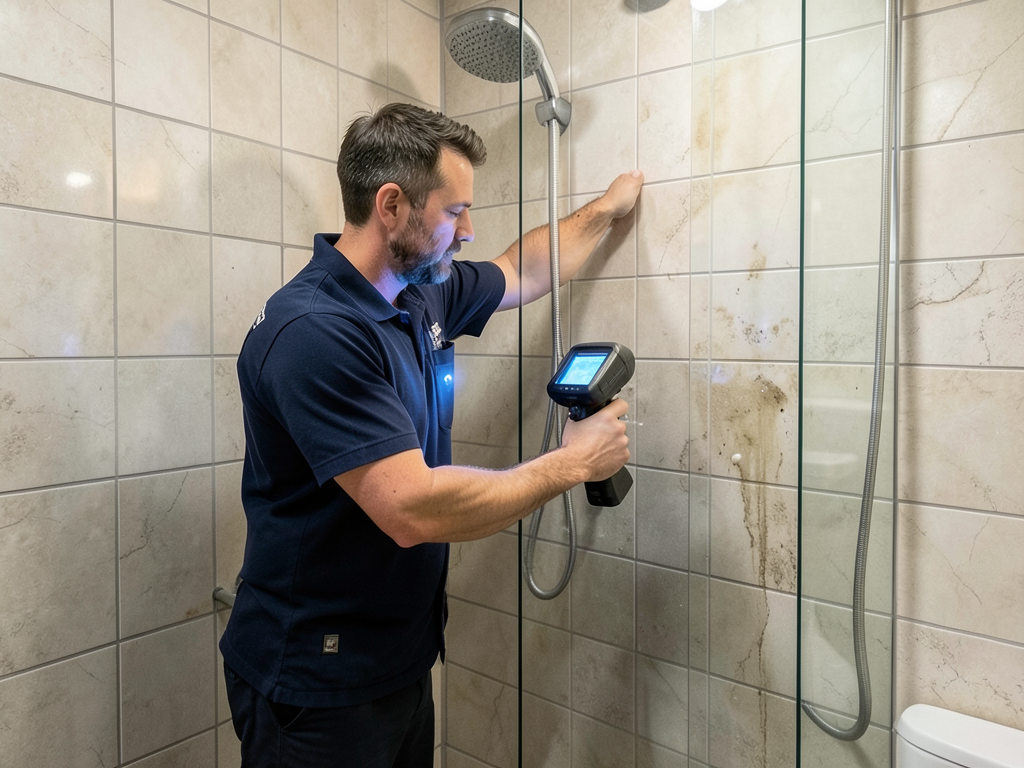
Our technicians arrive with thermal imaging cameras, hygrometers, and moisture meters calibrated for building diagnostics. We map surface temperatures across your windows and walls to identify thermal bridging where cold exterior conditions penetrate into conditioned space. A 10-degree surface temperature drop compared to surrounding drywall tells us exactly where heat transfer creates condensation risk.

Next, we measure relative humidity levels in each room and compare them to outdoor conditions. San Antonio homes should maintain 40-50% indoor humidity during cooling season. If your meter reads 60% or higher, you have a moisture production or ventilation problem, not just a window problem. We check bathroom exhaust flow rates, kitchen range hood performance, and HVAC return air pathways. Most condensation issues involve inadequate mechanical ventilation combined with high occupant moisture loads.

We inspect the building envelope for air leakage using pressure diagnostics when needed. Warm, humid outdoor air infiltrating through gaps around windows or penetrations adds moisture to indoor air. That moisture condenses on cold surfaces you cannot see, like the back side of exterior wall sheathing or inside insulated cavities. This hidden condensation causes the worst damage because you discover it only after mold growth or wood decay becomes severe.

For persistent moisture buildup on walls, we use invasive moisture testing. We drill small access holes to measure moisture content inside wall cavities. Readings above 20% indicate active water intrusion or condensation that requires immediate remediation. Surface moisture alone can be misleading if the real problem hides behind drywall.

We document everything with photos, temperature maps, and moisture readings so you understand exactly what needs correction.

What Happens During a Condensation Assessment

Condensation on Windows & Walls in San Antonio – Expert Diagnosis Stops Hidden Mold and Structural Damage
01

Visual and Thermal Survey

We photograph all areas showing window sweating, damp drywall patches, or visible moisture, then scan surfaces with infrared cameras to reveal hidden cold spots and moisture patterns invisible to the naked eye. This thermal mapping identifies every at-risk surface in your home, including areas where condensation occurs but has not yet caused visible damage or staining.
02

Environmental and Moisture Testing

We measure indoor humidity, surface temperatures, and material moisture content using calibrated instruments, then compare readings against outdoor conditions and building science benchmarks for San Antonio's climate zone. We test HVAC performance and ventilation rates to determine whether mechanical systems contribute to the moisture problem by undersizing dehumidification capacity or creating negative pressure that pulls in humid outdoor air.
03

Diagnosis and Action Plan

We compile all findings into a written report identifying the primary moisture source, secondary contributing factors, and specific corrections needed to eliminate condensation permanently. You receive a prioritized action plan with estimated costs for repairs, from simple fixes like improving ventilation to comprehensive solutions like upgrading windows or adding insulation. We explain which problems require immediate attention to prevent structural damage versus improvements that enhance comfort and efficiency.

Why San Antonio Homeowners Choose Liberty for Condensation Problems

Most restoration companies treat condensation as a simple moisture problem. They dry the surface and leave. We treat it as a building science problem that requires understanding heat flow, vapor pressure, and mechanical system performance specific to South Texas climate conditions.

Our team knows how San Antonio's climate zone 2A building code requirements affect condensation risk. We understand that our cooling-dominated climate creates different moisture dynamics than northern heating climates. Vapor barriers go on the exterior of walls here, not the interior. Insulation strategies that work in Dallas can fail in San Antonio because our humidity patterns differ. We size solutions for local conditions, not generic best practices.

We also understand San Antonio construction methods across different eras. Homes built before 1980 in neighborhoods like Terrell Hills typically lack wall insulation and use single-pane windows. The solution involves adding insulation and upgrading glazing, but we must account for limited wall cavity depth and avoid trapping moisture in assemblies that were designed to dry toward the interior. Homes built after 2000 have better envelopes but often suffer from HVAC systems installed by contractors who prioritized cooling capacity over dehumidification performance. We work with local HVAC professionals who understand how to retrofit equipment for better moisture control without sacrificing comfort.

Many condensation problems involve multiple contributing factors. You might have adequate insulation but undersized ventilation. You might have proper mechanical systems but air leakage bringing in outdoor humidity. We address the whole system, not isolated components.

Liberty Water Damage Restoration Riverside employs IICRC-trained technicians who continue education in building diagnostics and moisture management. We invest in professional-grade testing equipment because accurate diagnosis saves you money compared to trial-and-error repairs. We provide written documentation you can share with contractors, insurance adjusters, or future home buyers if needed.

What You Can Expect From Our Condensation Service

Response Time and Scheduling

We schedule condensation assessments within 48 hours of your call. Most evaluations take two to three hours depending on home size and problem complexity. We work around your schedule and explain findings on-site so you understand the issue before we leave. For active water damage from severe condensation, we offer same-day emergency response to prevent mold growth. Our technicians arrive with all diagnostic equipment needed to complete the assessment in one visit, eliminating return trips that delay your repair timeline.

Comprehensive Moisture Evaluation

Your assessment includes thermal imaging of all exterior walls and windows, humidity measurements in each major room, and moisture content testing of affected materials. We inspect attic ventilation, crawl space conditions, and HVAC system operation to identify all moisture sources. You receive photos, temperature maps, and written findings explaining exactly why condensation occurs and which building components require attention. We differentiate between condensation and other moisture sources like plumbing leaks or roof problems so you invest in the correct repairs.

Accurate Root Cause Identification

We pinpoint whether your weeping window panes result from inadequate insulation, air leakage, mechanical ventilation failure, or excessive indoor humidity from occupant activities. Most homes have multiple contributing factors. We rank them by impact so you address the primary cause first rather than spending money on secondary improvements that deliver minimal benefit. Our diagnostic approach eliminates guesswork and prevents wasted expense on repairs that fail to solve the underlying problem. You get a clear action plan with realistic cost expectations.

Follow-Up and Verification Testing

After you complete recommended repairs, we return to verify that corrections eliminated the condensation problem. We repeat moisture measurements and thermal imaging to confirm surface temperatures no longer drop into the dew point range. This verification ensures contractors performed work correctly and your investment delivered the expected results. If problems persist, we troubleshoot remaining issues at no additional diagnostic fee. We also provide maintenance guidance specific to San Antonio's climate to help you avoid future condensation problems through proper ventilation habits and seasonal HVAC adjustments.

Frequently Asked Questions

You Have Questions,
We Have Answers

How to stop condensation on windows and walls? +

Reduce indoor humidity by running exhaust fans in bathrooms and kitchens during and after use. Crack a window in high-moisture rooms to improve air circulation. Keep HVAC systems maintained and replace air filters monthly. In San Antonio's humid climate, run your AC consistently to control moisture levels. Move furniture away from exterior walls to allow airflow. Use vapor barriers in crawl spaces and attics. If condensation persists despite these steps, you may have hidden water intrusion or HVAC imbalance. Address the root cause quickly to prevent mold growth and structural damage.

Does condensation always indicate a problem? +

Occasional light condensation on cold mornings is normal in San Antonio, especially during winter cold fronts when temperature swings are dramatic. The problem starts when condensation appears daily, forms puddles on sills, or shows up on interior walls. This signals excess indoor humidity or air leakage. Chronic condensation promotes mold growth, wood rot, and drywall damage. If you notice musty odors, water stains, or peeling paint alongside condensation, you have a moisture problem that needs immediate attention. Normal condensation evaporates quickly. Persistent moisture means something is wrong.

Does condensation on windows mean the house is too cold? +

Not necessarily. Condensation forms when warm, moist indoor air meets cold glass surfaces. In San Antonio, this happens during winter cold snaps when outdoor temperatures drop into the 30s or 40s while indoor humidity stays high. Your house temperature may be fine, but your windows are too cold relative to indoor humidity levels. Single-pane windows condensate more easily than double-pane units. The solution is controlling indoor humidity through ventilation and dehumidification, not cranking up the heat. If condensation appears year-round, you have a ventilation or moisture intrusion problem.

Should you wipe condensation off windows? +

Yes, wipe it off to prevent water damage to sills and frames. Use an absorbent cloth or squeegee to remove standing moisture. This temporary fix protects your woodwork from rot and paint damage. However, wiping only treats the symptom. You must address the underlying humidity problem or the condensation will return daily. Improve ventilation, reduce indoor moisture sources, and check for air leaks around window frames. In San Antonio's climate, persistent condensation often signals HVAC issues or inadequate attic ventilation. Fix the root cause or you will be wiping windows forever.

Does condensation on windows mean poor insulation? +

Sometimes, but not always. Single-pane windows condensate easily even with good wall insulation because glass is a thermal conductor. In San Antonio homes built before 1990, single-pane windows are common and condensation is expected during cold weather. However, if you have newer double-pane windows and still see heavy condensation, you likely have insulation gaps, air leaks, or excessive indoor humidity. Check attic insulation levels and seal gaps around window frames. Poor insulation combined with high humidity creates the perfect conditions for condensation and potential mold growth behind walls.

What to put on walls to stop condensation? +

You cannot simply apply a product to walls to stop condensation. Wall condensation indicates serious moisture problems like hidden leaks, missing vapor barriers, or inadequate insulation. You must identify and fix the moisture source first. Install vapor barriers during wall construction or renovation. Use mold-resistant drywall in high-humidity areas. Ensure proper attic ventilation to prevent warm air from condensing inside wall cavities. In San Antonio's humid climate, control indoor humidity with dehumidifiers and proper HVAC operation. Applying paint or sealers over damp walls traps moisture and causes bigger problems. Fix the cause, not the symptom.

Does condensation on windows mean they are bad? +

Not automatically. Condensation appears on any cold surface when indoor humidity is too high. Even high-quality windows condensate under extreme conditions. However, excessive condensation on newer windows may indicate failed seals, especially between double-pane glass layers. If condensation forms between glass panes rather than on interior surfaces, the sealed unit has failed and needs replacement. Windows condensating heavily when others in the same room stay clear suggest air leaks around frames. In San Antonio, older single-pane windows condensate easily during winter cold fronts. This is normal physics, not window failure.

What are signs of excessive condensation? +

Watch for water pooling on windowsills, musty odors in closets or bathrooms, visible mold on walls or ceilings, peeling paint or wallpaper, and damp spots on interior walls. In San Antonio homes, check for condensation on AC vents during summer, which signals duct leakage. You might notice foggy windows that stay wet throughout the day or water stains on drywall below windows. Warped wood floors near exterior walls also indicate chronic moisture problems. Excessive condensation often appears alongside allergy symptoms and respiratory irritation caused by mold spores.

Will a dehumidifier get rid of condensation? +

A dehumidifier helps but does not solve underlying problems. It removes moisture from air, reducing condensation on surfaces. In San Antonio's humid climate, dehumidifiers are effective supplemental tools, especially in bathrooms, bedrooms, and closets. However, if condensation stems from leaking pipes, roof damage, or HVAC issues, a dehumidifier only masks symptoms. You must fix water intrusion sources and improve ventilation first. Run dehumidifiers in basements and crawl spaces where humidity concentrates. Empty collection tanks daily and maintain units properly. Combine dehumidification with source control for lasting results.

Why is there condensation on my bedroom walls? +

Bedroom walls condensate when warm, moist air meets cold exterior wall surfaces. This happens in San Antonio during winter cold fronts, especially in poorly insulated rooms. Bedrooms generate moisture through breathing and body heat, particularly with closed doors and poor air circulation. Check for blocked AC vents, inadequate insulation, or air leaks around windows. Move beds and furniture away from exterior walls to improve airflow. Run ceiling fans year-round to circulate air. If condensation appears only on one wall, you may have hidden water intrusion from roof leaks or plumbing issues.

How San Antonio's Temperature Swings Amplify Condensation Damage

San Antonio experiences 30-40 degree temperature drops during fall and winter cold fronts when arctic air masses push south through the Hill Country. Your home goes from 85 degrees and humid one afternoon to 45 degrees and damp the next morning. Interior surfaces cooled by this rapid temperature change hit dew point while indoor humidity remains elevated. Windows drip, walls sweat, and moisture accumulates faster than building materials can dry between weather events. This cycle repeats every five to seven days during cold front season, creating chronic moisture exposure that feeds mold growth and wood decay. Spring brings similar problems when warm, humid Gulf air masses collide with air-conditioned interiors, turning cold windows and walls into condensation zones for weeks at a time. These seasonal patterns make San Antonio particularly vulnerable to interior glass condensation and moisture buildup compared to climates with gradual temperature transitions.

Liberty Water Damage Restoration Riverside serves San Antonio neighborhoods from Government Hill to Southtown, bringing building science expertise to condensation problems that confuse general contractors and confuse homeowners. We understand how local construction methods interact with South Texas humidity, and we work with trusted local contractors who can execute the repairs our diagnostics identify. Our familiarity with San Antonio building inspectors and code requirements ensures recommended solutions meet local standards without expensive over-engineering. When you choose a local restoration company with deep roots in the San Antonio community, you get accurate diagnosis backed by knowledge of how thousands of local homes perform in our specific climate conditions.

Water Damage Services in The San Antonio Area

We are proud to serve the entire San Antonio area. Our team is strategically located to ensure a rapid response to your location, no matter where you are. View our service area on the map to see if we cover your neighborhood, and please don't hesitate to reach out for immediate assistance. We're always here to help you navigate a water damage crisis with confidence and ease.

Address:
Titan Water Damage Restoration San Antonio, 5154 Broadway, San Antonio, TX, 78209

Additional Services We Offer

Our news updates

Latest Articles & News from The Blogs

Comparing the Best Smart Leak Detectors for San Antonio Vacation Rentals San Antonio vacation rental owners face unique water damage…

Comparing the Best Smart Leak Detectors for San Antonio Vacation Rentals

Comparing the Best Smart Leak Detectors for San Antonio Vacation Rentals San Antonio vacation rental owners face unique water damage…

Choosing the Right Restoration Contractor for Medical and Dental Clinics in Oak Hills

Choosing the Right Restoration Contractor for Medical and Dental Clinics in Oak Hills When water damage strikes a medical or…

Why Your Custom Walk-In Shower in Hidden Forest is Leaking Behind the Tiles

Why Your Custom Walk-In Shower in Hidden Forest is Leaking Behind the Tiles Hidden Forest custom homes often feature luxury…

Contact Us

Call Liberty Water Damage Restoration Riverside at (210) 390-5977 right now for a professional condensation assessment. We identify the real cause of your moisture problems and provide a clear action plan to fix them permanently.