






Menu

Does Insurance Cover Mold in San Antonio? Get Clear Answers on Your Coverage and Claims

We break down homeowners insurance mold coverage for San Antonio residents, explaining exactly when does insurance cover mold damage, what documentation you need for mold remediation insurance claims, and how to maximize your property insurance mold coverage.

Slider Image 1
Slider Image 2
Slider Image 3
Slider Image 4
Slider Image 5
Slider Image 7
Slider Image 8
Slider Image 9
Slider Image 10
Slider Image 11

Why Mold Coverage Confuses San Antonio Homeowners

The question of whether homeowners insurance mold coverage applies to your situation is rarely simple. Most San Antonio residents discover this the hard way after finding visible growth in their attic or behind drywall.

San Antonio's humid subtropical climate creates perfect conditions for mold proliferation. When summer humidity hovers near 75 percent and afternoon thunderstorms dump inches of rain in minutes, water intrusion becomes inevitable. The real problem starts when that moisture sits undetected in wall cavities or crawl spaces.

Here is the core issue. Standard homeowners policies typically cover mold only when it results from a covered peril. If a burst pipe floods your bathroom and causes mold within 48 hours, property insurance mold coverage usually applies. But if mold develops from gradual roof leaks or condensation buildup, you face potential denial.

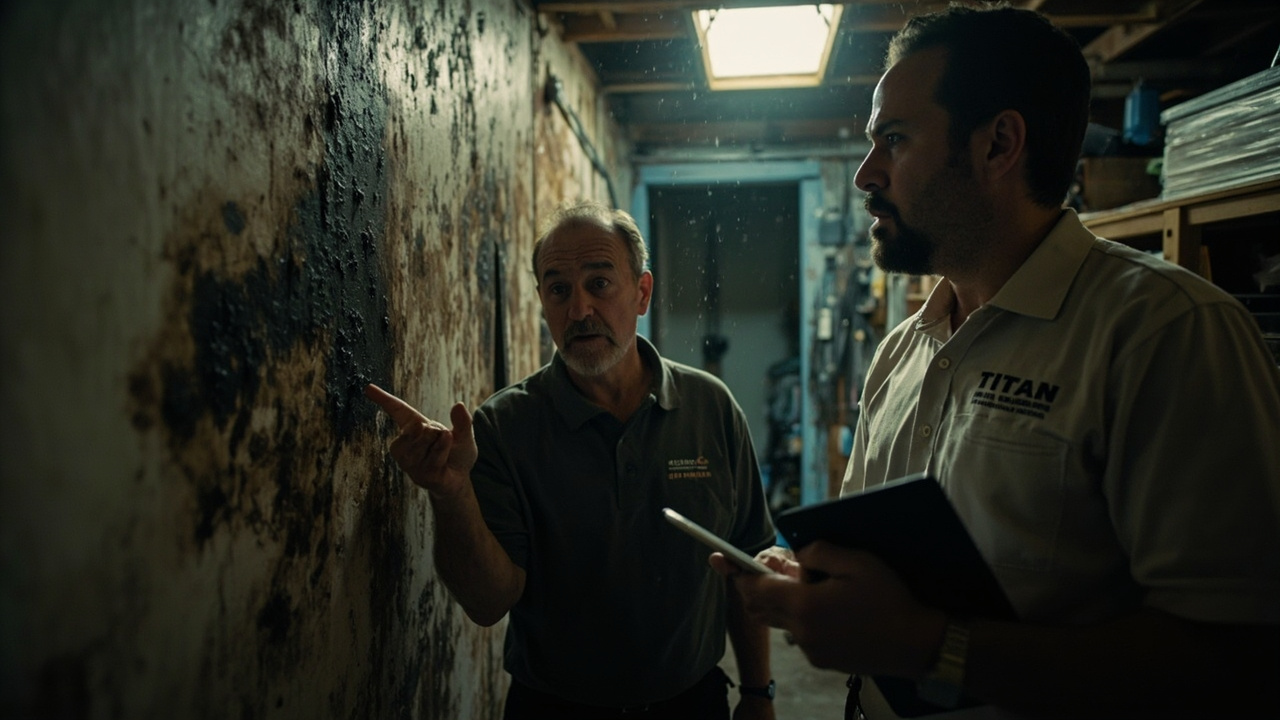
The difference between covered and denied mold remediation insurance claims often comes down to documentation and timing. Insurance adjusters will examine whether the water damage was sudden and accidental or the result of deferred maintenance. They will look at your service records, inspection reports, and the timeline between initial water intrusion and mold discovery.

Understanding is mold damage covered by insurance requires knowing your policy's specific exclusions and endorsements. Many San Antonio carriers now offer mold riders with coverage limits between five thousand and fifty thousand dollars. Without this endorsement, your base policy may cap mold coverage at one thousand dollars or exclude it entirely.

The answer to does home insurance pay for mold removal depends entirely on the source event and your policy language.

Why Mold Coverage Confuses San Antonio Homeowners
How Insurance Evaluates Mold Damage Claims

How Insurance Evaluates Mold Damage Claims

Insurance companies use a specific framework to determine mold claim validity. They assign adjusters who investigate the proximate cause, which means identifying the original water source and whether your policy covers that specific event.

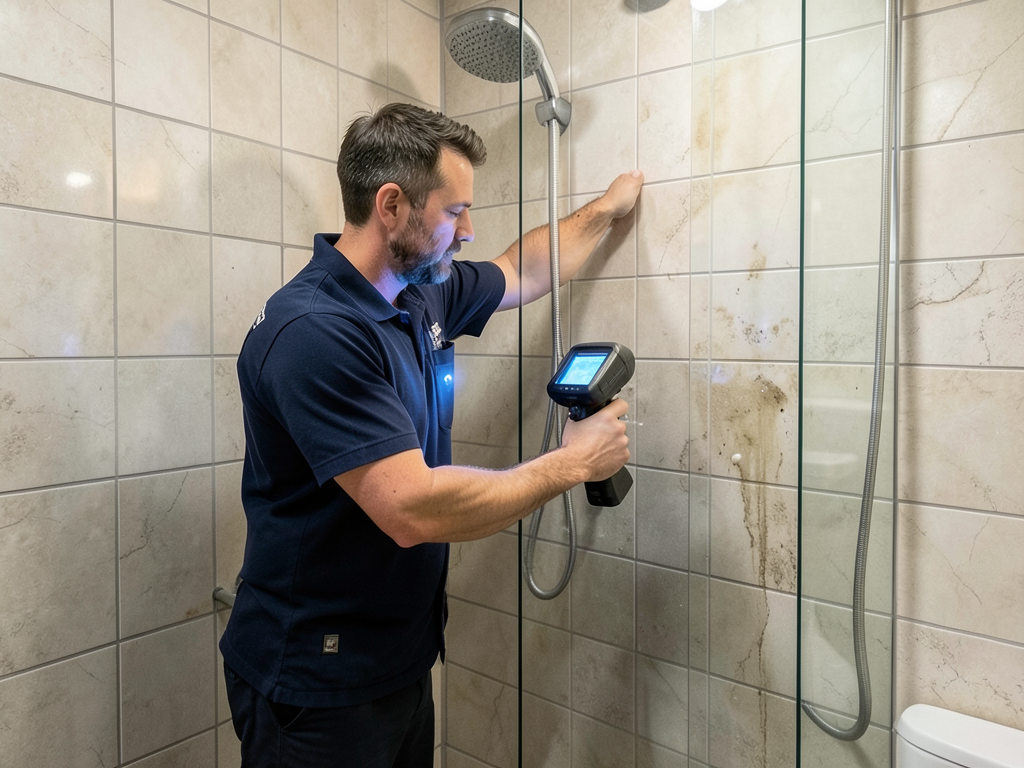
The adjuster will document the affected areas through moisture mapping using thermal imaging cameras and moisture meters. These tools detect elevated moisture levels behind surfaces where visual inspection cannot reach. The data creates an evidentiary record showing the extent and likely duration of water intrusion.

Carriers distinguish between primary damage and secondary damage. Primary damage refers to the initial water event like a pipe burst or storm damage. Secondary damage includes subsequent mold growth. Your homeowners insurance mold coverage typically extends to secondary damage only when the primary cause qualifies as a covered peril.

Timing plays a critical role in claim approval. Mold can colonize within 24 to 48 hours after water exposure. If you documented the initial water damage, contacted your insurer promptly, and took reasonable steps to mitigate further damage, your claim stands on solid ground. Delays or failure to report weaken your position significantly.

Insurance adjusters also examine maintenance records. They want proof you maintained your HVAC system, repaired known roof damage, and addressed plumbing issues promptly. Neglected maintenance gives carriers grounds for denial under policy exclusions for wear and deterioration.

Liberty Water Damage Restoration Riverside works directly with insurance adjusters throughout San Antonio. We provide detailed moisture assessments, photographic evidence, and scope documentation that supports valid mold remediation insurance claims. Our reports use industry-standard protocols that adjusters recognize and respect, which streamlines the approval process and reduces claim disputes.

What Happens During a Mold Insurance Claim

Does Insurance Cover Mold in San Antonio? Get Clear Answers on Your Coverage and Claims
01

Initial Damage Assessment

We conduct comprehensive moisture mapping and document the water source and affected areas. Our technicians photograph all visible damage, record moisture readings at multiple depths, and identify the likely timeline of water intrusion. This documentation forms the foundation of your insurance submission and establishes the scope before remediation begins.
02

Carrier Communication and Documentation

We prepare detailed estimates using Xactimate software, which insurance companies use for claim pricing. Our scope breaks down containment setup, affected material removal, antimicrobial application, and structural drying. We communicate directly with adjusters, answer technical questions, and provide supplemental documentation when carriers request additional information about remediation protocols or moisture readings.
03

Claim Resolution and Restoration

After claim approval, we execute the remediation plan following IICRC S520 standards for mold remediation. We maintain containment barriers, use HEPA filtration, remove contaminated materials, and verify clearance through post-remediation testing. You receive final documentation showing completed work, which satisfies insurance requirements and protects your policy standing for future claims.

Why San Antonio Homeowners Trust Our Insurance Expertise

Navigating property insurance mold coverage requires understanding both remediation science and insurance policy language. Many restoration companies handle the physical work competently but lack the claims expertise to maximize your coverage.

Liberty Water Damage Restoration Riverside employs IICRC-certified technicians who understand what insurance adjusters need to approve claims. We have worked with every major carrier operating in San Antonio, from USAA and State Farm to smaller regional insurers. This experience teaches us each carrier's documentation requirements, preferred vendors, and claim processing timelines.

Our approach protects your interests during the claims process. We identify all covered damages in our initial assessment, preventing situations where you pay out of pocket for items your policy should cover. We also distinguish between covered mold remediation and excluded conditions, giving you clear expectations before work begins.

San Antonio's construction characteristics matter during mold claims. Many homes in Alamo Heights and Terrell Hills feature pier and beam foundations that create crawl space humidity issues. Homes in Stone Oak or The Dominion often have complex HVAC systems where condensate line failures cause attic mold. We understand these local building patterns and how they affect insurance coverage determinations.

When carriers dispute claims, our documentation stands up to scrutiny. We photograph moisture intrusion points, document pre-existing conditions separately from new damage, and maintain chain of custody for all testing samples. This professional approach reduces claim denials and speeds approval timelines.

You need a restoration partner who speaks both remediation and insurance. We translate technical findings into language that satisfies adjuster requirements while protecting your coverage and preventing future policy issues.

What to Expect During the Mold Claim Process

Response and Assessment Timeline

We respond to mold assessment requests within two hours for emergency water events and within four hours for non-emergency situations. Our initial assessment takes 45 to 90 minutes depending on property size. You receive preliminary findings immediately and a detailed written report within 24 hours. This quick turnaround helps you file your insurance claim promptly, which strengthens your position with carriers who value immediate notification and mitigation efforts.

Comprehensive Moisture and Mold Evaluation

Our assessment includes thermal imaging to detect hidden moisture, moisture meter readings at multiple wall depths, and visual inspection of common problem areas like attics and crawl spaces. We identify the water source, map the affected envelope, and classify contamination levels per IICRC S520 guidelines. When necessary, we collect air and surface samples for laboratory analysis, providing scientific evidence that supports your mold remediation insurance claims and establishes the scope of contamination.

Insurance-Grade Documentation and Reporting

You receive a comprehensive report with annotated photographs, moisture readings, affected material inventory, and a detailed scope of work. Our estimates use Xactimate, matching the format insurance adjusters use for claim review. We include technical explanations of why specific remediation steps are necessary, which prevents claim reductions for supposedly unnecessary procedures. This documentation quality reduces back-and-forth with adjusters and accelerates approval, getting your remediation started faster.

Post-Remediation Verification and Warranty

After remediation, we conduct clearance testing to verify mold levels meet acceptable standards. You receive laboratory reports showing spore counts and a final walk-through documenting completed work. We maintain detailed project files for five years, which proves valuable if you sell your home or face future insurance questions about prior mold issues. Our documentation protects your property value and ensures your carrier cannot dispute that remediation met professional standards.

Frequently Asked Questions

You Have Questions,
We Have Answers

Should I tell my insurance company about mold? +

Yes, you should inform your insurance company about mold, but timing matters. If mold resulted from a sudden covered event like a burst pipe or storm damage, report it immediately. San Antonio's high humidity can accelerate mold growth after water intrusion, making fast action critical. Document everything with photos and keep detailed records. Do not file a claim until you understand your policy's mold coverage limits and exclusions. Many policies cap mold remediation at $5,000 to $10,000. Consult a restoration professional first to assess the damage and determine if filing makes financial sense given your deductible.

Can you claim for mold on house insurance? +

You can claim mold on house insurance, but only under specific conditions. Most policies cover mold if it stems from a sudden, accidental water event like a plumbing leak, appliance malfunction, or storm damage. San Antonio homeowners often face mold after roof leaks during heavy rains or AC condensation issues. Coverage typically excludes mold from gradual damage, poor maintenance, or flooding. Review your policy's mold endorsement carefully. Many insurers limit mold remediation payouts to $10,000 or less. If the underlying water damage is covered, mold cleanup may be included as part of the restoration claim.

How expensive is mold removal? +

Mold removal costs vary widely based on the extent of contamination and affected materials. Small areas under 10 square feet may run a few hundred dollars. Larger infestations requiring containment, air filtration, and structural removal can reach several thousand. San Antonio's humidity and older homes with ventilation issues often create more extensive growth. Costs increase if drywall, insulation, or framing needs replacement. Professional assessment is essential to determine the scope. Insurance may cover part of the expense if mold resulted from a covered peril. DIY attempts on significant mold problems often worsen contamination and increase total costs.

What is an example of a mold claim for insurance? +

A common mold claim example involves a homeowner discovering mold after a washing machine supply line bursts while they are at work. Water floods the laundry room and seeps into adjacent walls. The homeowner files a claim for water damage. The adjuster approves water extraction and drying but finds mold behind baseboards three days later. The insurer covers mold remediation up to the policy limit because the mold resulted from the sudden plumbing failure. In San Antonio, similar claims arise from roof leaks after hailstorms or AC drain pan overflows during summer months when humidity accelerates growth.

Will my rates go up if I file a mold claim? +

Filing a mold claim can increase your rates, but the impact depends on your insurer, claims history, and policy terms. Insurance companies view mold claims as higher risk because they signal potential maintenance issues or water intrusion problems. In San Antonio, where humidity and storms create frequent water damage, multiple claims may flag your property. Some insurers raise premiums or reduce coverage limits after a mold claim. Others may non-renew your policy. Weigh the claim payout against potential rate hikes and future insurability. If remediation costs only slightly exceed your deductible, paying out of pocket may be smarter long term.

What to do if you can't afford mold removal? +

If you cannot afford professional mold removal, address the moisture source immediately to prevent further growth. Fix leaks, improve ventilation, and use dehumidifiers to lower indoor humidity below 50 percent. For small areas under 10 square feet, you can attempt DIY cleanup with protective gear and proper cleaning solutions. San Antonio residents can contact local housing assistance programs or nonprofit organizations for financial help. Some restoration companies offer payment plans. Document everything in case the problem worsens and requires insurance involvement later. Ignoring mold creates health risks and structural damage that becomes far more expensive over time.

What are my rights if my insurance denies a mold claim? +

If your insurer denies a mold claim, request a detailed written explanation citing specific policy language. Review your policy's mold exclusions and coverage limits carefully. You can hire a public adjuster to reassess the damage and negotiate with your insurer. In Texas, you have the right to dispute the denial through the Texas Department of Insurance. If the mold resulted from a covered peril like sudden water damage, gather documentation proving the timeline and cause. Consult an attorney who handles insurance disputes if the denial seems unjustified. San Antonio residents can also file a complaint with state regulators to pressure insurers.

How much does it cost to fix damp issues in a house? +

Fixing damp issues depends on the source and severity. Simple solutions like sealing foundation cracks or improving gutter drainage may cost a few hundred dollars. More complex problems like French drain installation, sump pump addition, or crawl space encapsulation can run several thousand. San Antonio's clay soil expands and contracts with moisture, creating foundation movement and water intrusion. Repairing interior damp damage to drywall, flooring, or insulation adds to costs. Professional moisture assessments identify root causes before you spend money on ineffective fixes. Insurance rarely covers dampness from maintenance neglect or gradual deterioration, so budget for out-of-pocket expenses.

What are the signs of mold in a house? +

Visible mold appears as black, green, or white patches on walls, ceilings, or floors. You may smell a musty, earthy odor even without seeing growth. Water stains, discoloration, or peeling paint signal moisture problems that fuel mold. San Antonio's humidity often creates condensation on windows, walls, or AC vents where mold thrives. Health symptoms like persistent coughing, sneezing, or respiratory irritation can indicate hidden mold. Check bathrooms, kitchens, attics, and crawl spaces regularly. Warped floors, bubbling drywall, or soft spots in walls suggest long-term moisture intrusion and potential mold colonization behind surfaces.

Can a house full of mold be saved? +

Yes, a house with extensive mold can be saved, but remediation requires professional intervention and may involve significant structural work. Technicians remove contaminated materials, treat affected areas with antimicrobial solutions, and address the underlying moisture source. San Antonio homes with severe mold often need drywall replacement, insulation removal, and improved ventilation systems. The key is eliminating moisture permanently. Homes with chronic humidity issues, foundation problems, or ongoing leaks may face recurring mold without comprehensive repairs. Restoration costs can be substantial, but most structures remain salvageable. Insurance coverage depends on whether the mold stemmed from a sudden covered event or gradual neglect.

How San Antonio's Climate Affects Mold Insurance Claims

San Antonio receives 32 inches of annual rainfall, with intense summer thunderstorms creating sudden water intrusion events that trigger valid homeowners insurance mold coverage. The Edwards Aquifer recharge zone creates unique foundation challenges in neighborhoods like Alamo Heights and Terrell Hills, where expansive clay soils shift during wet-dry cycles. These soil movements crack foundations and slab floors, allowing groundwater seepage that leads to chronic moisture problems. Insurance adjusters familiar with San Antonio understand these geological factors, which helps when explaining why mold developed despite reasonable homeowner maintenance.

Liberty Water Damage Restoration Riverside maintains relationships with local insurance agents, adjusters, and public adjusters throughout Bexar County. We understand San Antonio's building codes, which require proper flashing and drainage systems but do not mandate whole-house dehumidification in our humid climate. This local knowledge helps us document whether mold resulted from code-compliant construction that simply encountered extraordinary weather events versus construction defects your policy might exclude. Our familiarity with local claim patterns and carrier preferences in the San Antonio market gives you an advantage when pursuing does home insurance pay for mold removal questions.


Water Damage Services in The San Antonio Area

We are proud to serve the entire San Antonio area. Our team is strategically located to ensure a rapid response to your location, no matter where you are. View our service area on the map to see if we cover your neighborhood, and please don't hesitate to reach out for immediate assistance. We're always here to help you navigate a water damage crisis with confidence and ease.

Address:
Titan Water Damage Restoration San Antonio, 5154 Broadway, San Antonio, TX, 78209

Additional Services We Offer

Our news updates

Latest Articles & News from The Blogs

Comparing the Best Smart Leak Detectors for San Antonio Vacation Rentals San Antonio vacation rental owners face unique water damage…

Comparing the Best Smart Leak Detectors for San Antonio Vacation Rentals

Comparing the Best Smart Leak Detectors for San Antonio Vacation Rentals San Antonio vacation rental owners face unique water damage…

Choosing the Right Restoration Contractor for Medical and Dental Clinics in Oak Hills

Choosing the Right Restoration Contractor for Medical and Dental Clinics in Oak Hills When water damage strikes a medical or…

Why Your Custom Walk-In Shower in Hidden Forest is Leaking Behind the Tiles

Why Your Custom Walk-In Shower in Hidden Forest is Leaking Behind the Tiles Hidden Forest custom homes often feature luxury…

Contact Us

Do not let insurance confusion delay necessary mold remediation. Contact Liberty Water Damage Restoration Riverside at (210) 390-5977 for a comprehensive assessment that documents your damage and supports your claim. We provide the expertise San Antonio homeowners need to maximize their property insurance mold coverage.