




Menu

Peeling Paint & Wallpaper in San Antonio – Expert Water Damage Detection and Repair

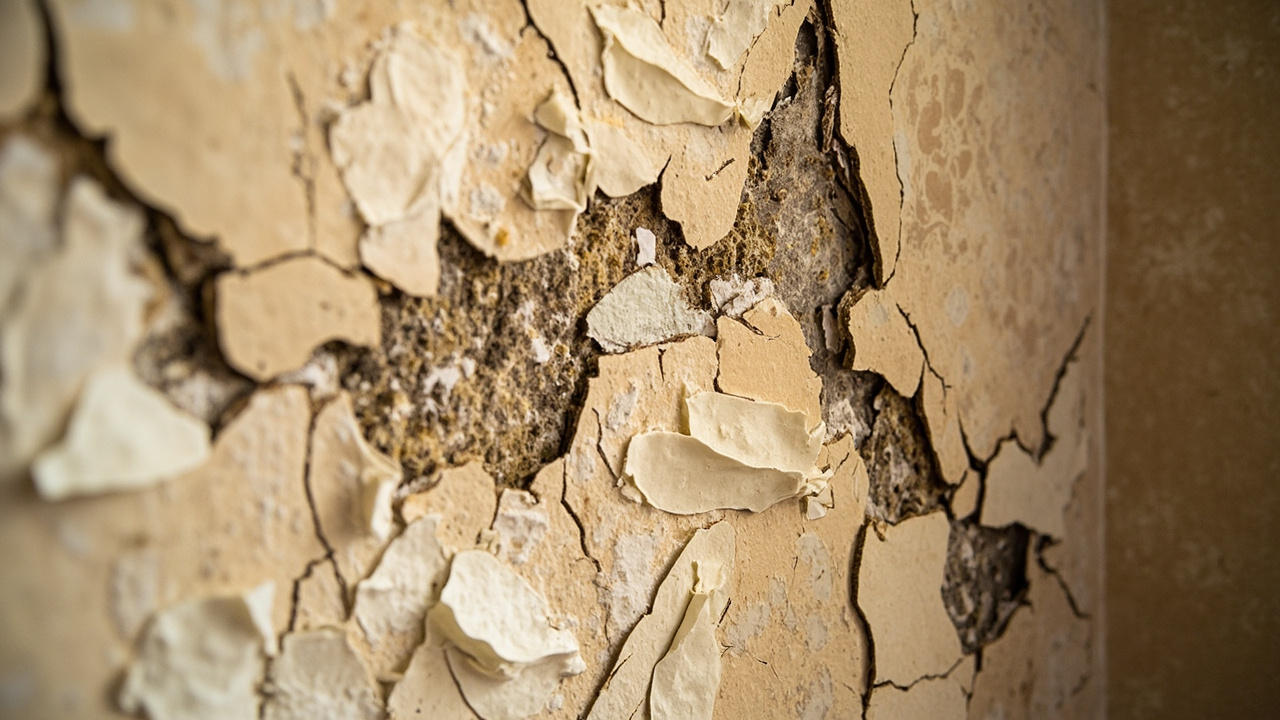
When bubbling paint, blistering wall paint, or lifting wallpaper appears in your San Antonio home, you're looking at hidden moisture damage that demands immediate professional diagnosis and repair before structural issues escalate.

Slider Image 1
Slider Image 2
Slider Image 3
Slider Image 4
Slider Image 5
Slider Image 7
Slider Image 8
Slider Image 9
Slider Image 10
Slider Image 11

Why San Antonio Homes Develop Bubbling Paint and Loose Wallpaper

You walk past that wall every day. The paint looks fine until it doesn't. Suddenly you notice a bubble forming near the baseboard. A corner of wallpaper lifts away from the surface. Flaking paint appears around a window frame. These are not cosmetic problems.

San Antonio's climate creates the perfect conditions for hidden water damage. Our summer humidity routinely exceeds 70 percent. When air conditioning systems cycle on and off, condensation forms inside walls. The Edwards Aquifer limestone foundation common throughout Bexar County absorbs groundwater during our intense rainstorms, then releases moisture vapor upward through concrete slabs and into drywall.

That blistering wall paint near your bathroom is moisture pushing through from behind. The lifting wallpaper in your bedroom signals a slow leak from the roof or a failing window seal. These symptoms appear gradually because the damage happens slowly, hidden from view until the paint or adhesive can no longer hold.

The clay-rich soil beneath San Antonio homes expands and contracts with moisture changes. When soil swells after heavy rain, it pushes against your foundation. When it dries out during our brutal summers, it pulls away. This constant movement creates foundation cracks that allow water intrusion. That water migrates through capillary action into your walls, where it sits between the drywall and the paint layer, creating those telltale bubbles.

Loose wallpaper and flaking paint are your early warning system. They appear before you see mold, before you smell mustiness, before structural damage becomes severe. Pay attention to them.

Why San Antonio Homes Develop Bubbling Paint and Loose Wallpaper
How We Diagnose the Real Problem Behind Your Damaged Walls

How We Diagnose the Real Problem Behind Your Damaged Walls

Scraping off bubbling paint and repainting solves nothing. The moisture source remains active. Within months, the problem returns, often worse.

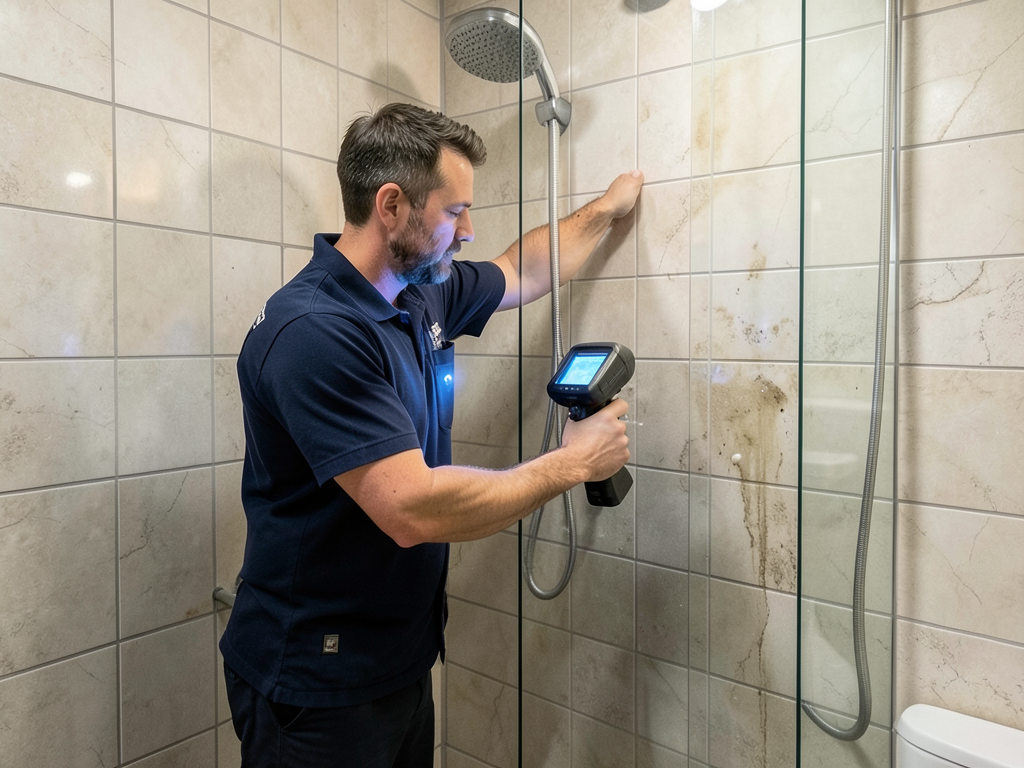
Liberty Water Damage Restoration Riverside uses thermal imaging cameras to map temperature differentials across your walls. Wet drywall reads cooler than dry material. We identify the moisture pattern, which tells us where water enters and how it spreads. A concentrated cool spot near a corner suggests a roof leak. A horizontal moisture line at baseboard level points to foundation intrusion or a slab leak.

We measure moisture content with pin-type and pinless meters. Pin meters penetrate the surface to read moisture levels in the substrate. Pinless meters scan larger areas without damaging your walls. We take readings at multiple heights and locations to establish the full extent of saturation. This data determines how much material we need to remove and how long drying will take.

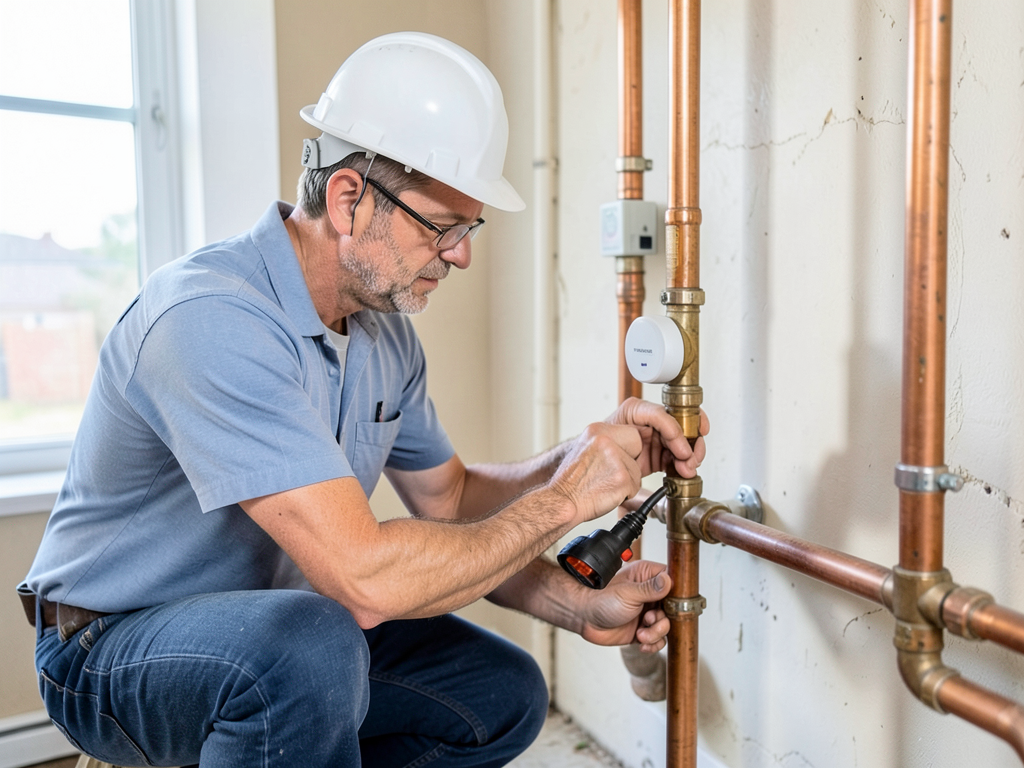
Next, we locate the source. That might mean pressure-testing your plumbing system, inspecting your HVAC condensate drain, examining roof penetrations, or checking window flashing. San Antonio homes built before 1990 often have galvanized supply lines that corrode from the inside out. Homes in the historic districts near King William and Monte Vista have plaster walls with wire lath that trap moisture differently than modern drywall.

We document everything with photos and moisture readings. Your insurance adjuster needs this evidence. We explain what failed, why it failed, and what we must do to fix it permanently. No guessing, no assumptions, no cosmetic patches that fail in six months.

What Happens During Your Wall Restoration

Peeling Paint & Wallpaper in San Antonio – Expert Water Damage Detection and Repair
01

Moisture Mapping and Containment

We establish the full perimeter of water damage using moisture meters and thermal imaging. Then we set up containment barriers with negative air pressure to prevent contaminated air from spreading to unaffected areas. This matters in San Antonio's humidity because exposed wet drywall can trigger secondary mold growth within 48 hours. We extract standing water if present, then begin controlled drying with commercial dehumidifiers and air movers positioned based on our moisture map.
02

Selective Demolition and Source Repair

We remove only the damaged material. If your drywall shows saturation above 17 percent moisture content, it comes out. We cut straight lines for clean repairs later. Wet insulation gets pulled. We expose the leak source, whether that's a corroded pipe, failed flashing, or cracked foundation. Then we coordinate the source repair with licensed plumbers or roofers if needed. Nothing gets closed up until the leak is permanently fixed and we verify it with testing.
03

Drying, Restoration, and Verification

We dry the structure to below 15 percent moisture content before any reconstruction begins. This takes between three and seven days depending on saturation levels and materials. Once dry, we apply antimicrobial treatment to inhibit mold growth. Then we rebuild with new drywall, tape, float, sand, prime, and paint to match your existing finish. We take final moisture readings and document that your home has returned to normal dry standards for San Antonio's climate.

Why San Antonio Homeowners Choose Local Water Damage Specialists

National franchise operations send different technicians every visit. You explain the problem repeatedly to people unfamiliar with San Antonio construction methods. They follow corporate checklists designed for average conditions, not the specific challenges of our region.

Liberty Water Damage Restoration Riverside operates exclusively in the greater San Antonio metro. We know that homes near Olmos Basin flood differently than properties in Stone Oak. We understand that historical homes in Alamo Heights have different wall assemblies than new construction in Helotes. This knowledge changes how we approach drying, demolition, and reconstruction.

We maintain direct relationships with insurance adjusters who work Bexar County claims. They trust our documentation because we provide thorough moisture mapping, clear photos, and detailed scope-of-work explanations. This speeds up your approval process and reduces the chance of disputed line items.

Our team includes IICRC-certified water damage restoration technicians who understand the science of psychrometrics. That's the relationship between temperature, humidity, and moisture content. In San Antonio's climate, you cannot simply run dehumidifiers and hope for the best. You must calculate grain depression, monitor daily progress with hygrometers, and adjust equipment placement as conditions change. This level of precision prevents secondary damage and ensures complete drying.

We also know local building code requirements. San Antonio updated its building codes after the 2013 floods. Reconstruction must meet current standards, even if your home was built decades ago. We pull permits when required and coordinate inspections so your repairs are compliant and your insurance coverage remains intact.

When blistering wall paint or lifting wallpaper appears, you need someone who understands both the symptom and the specific local conditions that caused it.

What You Can Expect During Your Restoration Project

Response Time and Scheduling

We arrive within two hours of your call for emergency water damage. For non-emergency situations like gradual moisture damage causing peeling paint, we schedule a comprehensive inspection within 24 hours. Our initial assessment takes 60 to 90 minutes. You receive a written moisture report with thermal images and meter readings before we leave. Equipment deployment begins the same day if you approve the scope. We understand that you need answers quickly, especially when insurance timelines are involved. Our team works six days a week to accommodate your schedule.

The Inspection and Assessment Process

Our technicians arrive with thermal imaging cameras, moisture meters, hygrometers, and inspection cameras for tight spaces. We check every room adjacent to the visible damage because water migrates horizontally and vertically through wall cavities. We inspect your attic for roof leaks, your crawlspace for groundwater intrusion, and your plumbing fixtures for supply line issues. You receive a detailed map showing moisture levels throughout the affected area. We explain each finding in plain language, show you the meter readings, and discuss the recommended repair sequence. This transparency helps you make informed decisions about your property.

Quality of Restoration Work

We match your existing wall texture and paint finish. Our reconstruction team includes experienced drywall finishers who can replicate smooth, orange peel, knockdown, and hand-textured surfaces common in San Antonio homes. We use low-VOC primers that seal against moisture vapor transmission before applying finish coats. For homes with wallpaper, we prepare walls to manufacturer specifications and can source matching patterns or recommend alternatives if your original design is discontinued. The finished repair blends seamlessly with surrounding areas. You should not be able to identify where the damage occurred once we complete the work.

Post-Restoration Support and Prevention

After completing repairs, we provide a moisture baseline report for your home. This establishes normal readings for future reference. We explain what warning signs to watch for and recommend a monitoring schedule based on your specific risk factors. If your damage resulted from a chronic issue like foundation settlement or inadequate drainage, we connect you with qualified specialists who can address the root cause. We remain available for follow-up moisture checks at no charge within 30 days of project completion. Should any new bubbling paint or lifting wallpaper appear in the repaired area, we return to investigate at no diagnostic fee.

Frequently Asked Questions

You Have Questions,
We Have Answers

Why is my paint peeling off the wall like wallpaper? +

Paint peeling like wallpaper signals poor adhesion caused by moisture intrusion, surface contamination, or improper prep work. In San Antonio, high humidity and sudden temperature swings create condensation inside walls, weakening the bond between paint and substrate. Water damage from roof leaks or plumbing failures is common. If drywall stayed damp during painting, the paint never adhered. Oil or dirt on walls before painting also causes this sheet peeling. You need to identify the moisture source first. Remove all loose paint, dry the area completely, address the water issue, then reprime before repainting.

What to do if paint is peeling off the wall? +

Stop the damage from spreading by identifying the root cause. In San Antonio homes, check for roof leaks, foundation cracks, or plumbing issues first. Water damage drives most peeling problems here. Remove all loose, flaking paint with a scraper or wire brush. Sand edges smooth so new paint blends. Let walls dry completely for several days. If moisture persists, you need professional water damage restoration before any painting. Prime bare spots with a moisture-resistant primer. Repaint only after confirming the surface is bone dry. Painting over hidden moisture guarantees failure within months.

Is it cheaper to paint or peel and stick wallpaper? +

Painting costs less upfront but peel-and-stick wallpaper offers speed. For a typical San Antonio room, quality paint runs cheaper per square foot than good peel-and-stick products. Paint requires prep work, primer, multiple coats, and drying time between applications. Peel-and-stick goes up faster but shows every wall imperfection. In humid San Antonio summers, adhesive-backed wallpaper can lift at seams if walls retain moisture. Paint breathes better and handles our climate swings. Factor in your skill level and timeframe. Neither option works over water-damaged walls without repair first.

Can I just paint over peeling paint? +

No. Painting over peeling paint guarantees rapid failure. The new coat adheres to unstable, compromised paint beneath it, not the wall itself. You are just covering the problem temporarily. San Antonio humidity accelerates this failure. Within weeks, the entire section peels again, wasting your time and money. You must remove all loose material first. Scrape down to stable paint or bare substrate. Sand smooth. Prime properly. Then paint. Skipping this step means you will repaint twice as often. Address why the original paint failed before applying new coats.

Will Kilz stop peeling paint? +

Kilz primer blocks stains and seals surfaces but does not stop active peeling. You must remove all loose, flaking paint first. Kilz bonds to stable surfaces, not failing ones. If you prime over peeling sections, the Kilz layer lifts along with the compromised paint beneath it. In San Antonio water damage situations, Kilz helps seal dried stains after repairs. Use it on scraped, sanded, clean surfaces. It prevents bleed-through from water marks but does not repair structural paint failure. Remove loose material, address moisture sources, let walls dry completely, then apply Kilz before your finish coat.

Should I scrape off all the peeling paint? +

Yes. Remove every bit of loose, unstable paint before repainting. Leaving flakes or bubbles guarantees your new coat fails quickly. Scrape until you reach paint that adheres firmly or bare drywall. In San Antonio, water damage weakens paint adhesion across large areas. Test surrounding sections by pressing firmly with your thumb. If paint flexes or crackles, keep scraping. Sand edges smooth where old paint meets bare wall so the transition does not show through new coats. This prep work takes time but ensures your repair lasts years instead of months.

What is the difference between flaking and peeling paint? +

Flaking describes small chips or scales separating from the surface, while peeling means larger sheets lifting away. Flaking indicates surface-level failure from weathering, poor-quality paint, or inadequate prep. Peeling signals deeper adhesion problems caused by moisture intrusion, incompatible layers, or contaminated surfaces. San Antonio homes with water damage show peeling patterns. Both require removal before repainting, but peeling demands moisture investigation first. Flaking might need just sanding and priming. Peeling means checking for leaks, foundation issues, or plumbing failures. The distinction guides your repair approach and prevents recurring problems.

Can you put primer over peeling paint? +

No. Primer needs a stable surface to bond properly. Applying primer over peeling paint creates a weak, multi-layer failure waiting to happen. The primer adheres to compromised paint, not the wall substrate. In San Antonio moisture conditions, this sandwich of unstable layers peels faster than the original coat. Scrape all loose material first. Sand smooth. Clean thoroughly. Then prime bare or stable painted areas. Primer seals porous surfaces and improves topcoat adhesion but cannot rescue failing paint. Do the prep work right or waste your primer and time on a repair that fails immediately.

How to fix flaking peeling paint? +

Scrape off all loose paint using a putty knife or wire brush until you reach stable material. Sand edges smooth with 120-grit sandpaper so transitions blend. Clean dust with a damp cloth and let dry. In San Antonio, identify and fix any moisture source causing the failure. Check for leaks or condensation. Let walls dry completely for several days. Apply moisture-resistant primer to bare spots. Once dry, apply two coats of quality paint, allowing proper drying between coats. Skipping moisture repair guarantees the problem returns within months regardless of prep quality.

What is the cost of painting a 1000 sq ft house? +

Painting costs vary based on prep work required, paint quality, and ceiling height. For a 1000 square foot San Antonio home, expect costs to reflect surface condition. Homes with water damage, extensive peeling, or texture issues cost more due to repair and prep time. Quality paint withstands our humidity better than budget options. Multiple coats, primer needs, and trim work add expense. Rather than focus on square footage alone, address underlying issues like moisture intrusion first. Proper prep and moisture remediation prevent repainting every few years, saving money long-term.

How San Antonio's Limestone Foundation and Humidity Create Hidden Wall Damage

San Antonio sits on the Balcones Escarpment where the Edwards Aquifer surfaces through porous limestone. When rainwater saturates this limestone during our intense thunderstorms, it rises through capillary action into concrete slabs and up into wall cavities. This creates chronic moisture problems that manifest as bubbling paint and loose wallpaper months after the rain stops. The high summer humidity then prevents proper drying, keeping drywall saturated at levels that promote deterioration. Homes in Alamo Heights, Terrell Hills, and the older neighborhoods near Brackenridge Park experience this more severely due to the shallow limestone bedrock and mature tree root systems that channel groundwater toward foundations.

Water damage restoration in San Antonio requires familiarity with both modern construction and historical building methods. Homes in the King William and Lavaca districts feature plaster-over-lath walls that hold moisture differently than drywall. Properties built during the 1970s and 1980s often have single-pane aluminum windows with inadequate flashing that allows water intrusion during wind-driven rain. Liberty Water Damage Restoration Riverside has worked throughout Bexar County for years, building expertise in these local construction variables. We understand how San Antonio's building codes have evolved and what compliance requires for both historical preservation districts and standard residential zones.
Water Damage Services in The San Antonio Area

We are proud to serve the entire San Antonio area. Our team is strategically located to ensure a rapid response to your location, no matter where you are. View our service area on the map to see if we cover your neighborhood, and please don't hesitate to reach out for immediate assistance. We're always here to help you navigate a water damage crisis with confidence and ease.

Address:
Titan Water Damage Restoration San Antonio, 5154 Broadway, San Antonio, TX, 78209

Additional Services We Offer

Our news updates

Latest Articles & News from The Blogs

Why DIY Mold Spray Can Actually Make Things Worse in Your Highland Hills Home Seeing black spots on your bathroom…

Why DIY Mold Spray Can Actually Make Things Worse in Your Highland Hills Home

Why DIY Mold Spray Can Actually Make Things Worse in Your Highland Hills Home Seeing black spots on your bathroom…

How to Safely Clean Up After Your Pet’s Water Bowl Disaster in Dignowity Hill

How to Safely Clean Up After Your Pet's Water Bowl Disaster in Dignowity Hill Your pet's water bowl just tipped…

Handling a Water Disaster in Your San Antonio Church or Place of Worship

Handling a Water Disaster in Your San Antonio Church or Place of Worship When water invades your church sanctuary it…

Contact Us

That bubbling paint is not going to fix itself. Call Liberty Water Damage Restoration Riverside at (210) 390-5977 right now for a professional moisture assessment. We diagnose the real problem, stop the damage, and restore your walls permanently.