




Menu

Swollen Baseboards & Trim in San Antonio – Expert Diagnosis & Proper Repair Before Hidden Mold Takes Hold

We identify the moisture source behind your swollen baseboards and bloated wood trim, then fix it correctly the first time to prevent recurring water damage in San Antonio homes.

Slider Image 1
Slider Image 2
Slider Image 3
Slider Image 4
Slider Image 5
Slider Image 7
Slider Image 8
Slider Image 9
Slider Image 10
Slider Image 11

Why San Antonio Baseboards Swell and What It Really Means

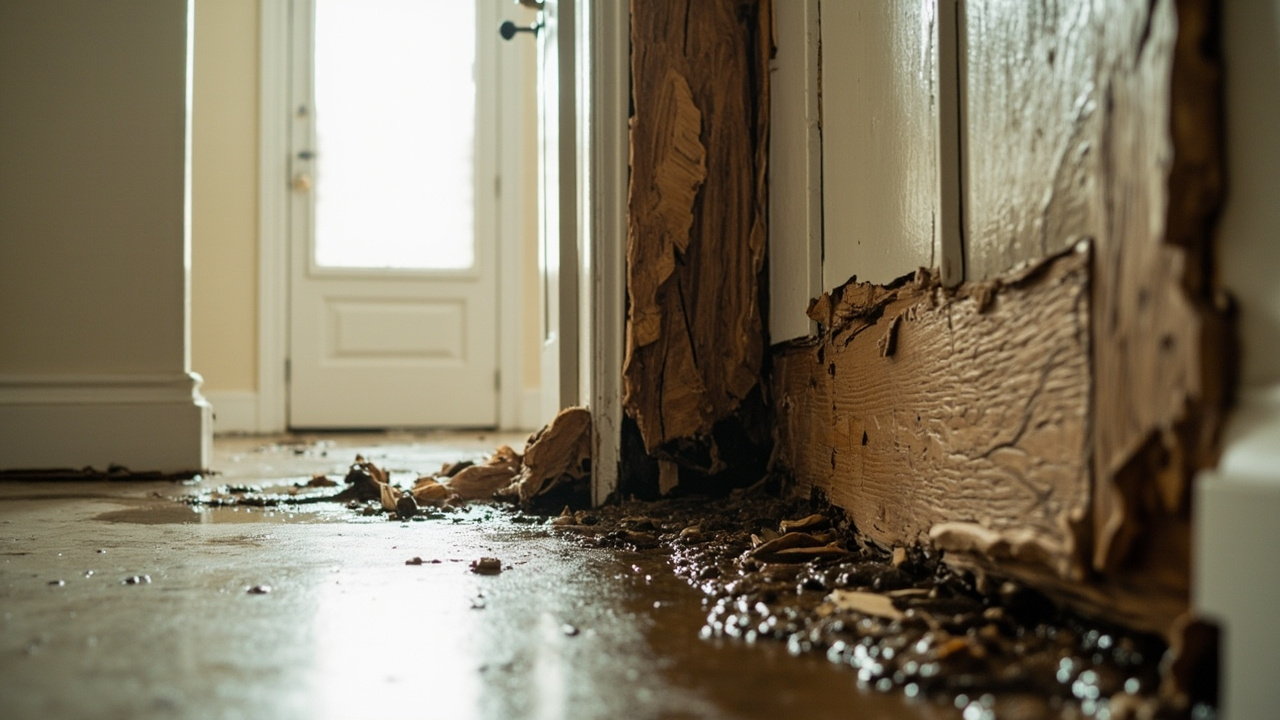
You notice the gap between your baseboard and the wall has closed. The paint cracks along the seam. The trim feels spongy when you press it. These are the early warning signs of moisture swollen baseboards, and they happen fast in San Antonio.

The Alamo City's high humidity combined with sudden weather swings creates the perfect storm for water damaged baseboards. Summer humidity hovers around 75 percent, which means any small leak or condensation issue becomes amplified. Add in the clay soil under most San Antonio homes, which shifts during dry spells and heavy rains, and you have foundation movement that cracks slab foundations and lets groundwater seep in along the perimeter.

Warped baseboard molding does not happen overnight. It takes sustained moisture exposure. When you see expanded MDF trim, that particle board has absorbed water over days or weeks. The damage you see on the surface signals a bigger problem behind the wall. Bloated wood trim means water is actively present, either from a slow plumbing leak, failed caulking around windows, or condensation from poorly insulated ductwork running through your walls.

Homes in older neighborhoods like Alamo Heights and Monte Vista often have original plaster walls and wood trim. These materials absorb moisture differently than modern drywall and vinyl baseboards. The same principle applies to newer builds in Stone Oak and Dominion, where builders sometimes use MDF trim to save costs. That engineered wood swells faster and more dramatically than solid wood when exposed to water.

The key question is not whether your baseboards are swollen. The question is where the water is coming from and what damage it has already caused behind the wall.

Why San Antonio Baseboards Swell and What It Really Means
How We Fix Swollen Baseboards Without Guessing

How We Fix Swollen Baseboards Without Guessing

Most handymen will pry off the swollen trim, let it dry, and nail it back up. That approach ignores the source. At Liberty Water Damage Restoration Riverside, we treat swollen baseboards as a diagnostic clue, not just a cosmetic problem.

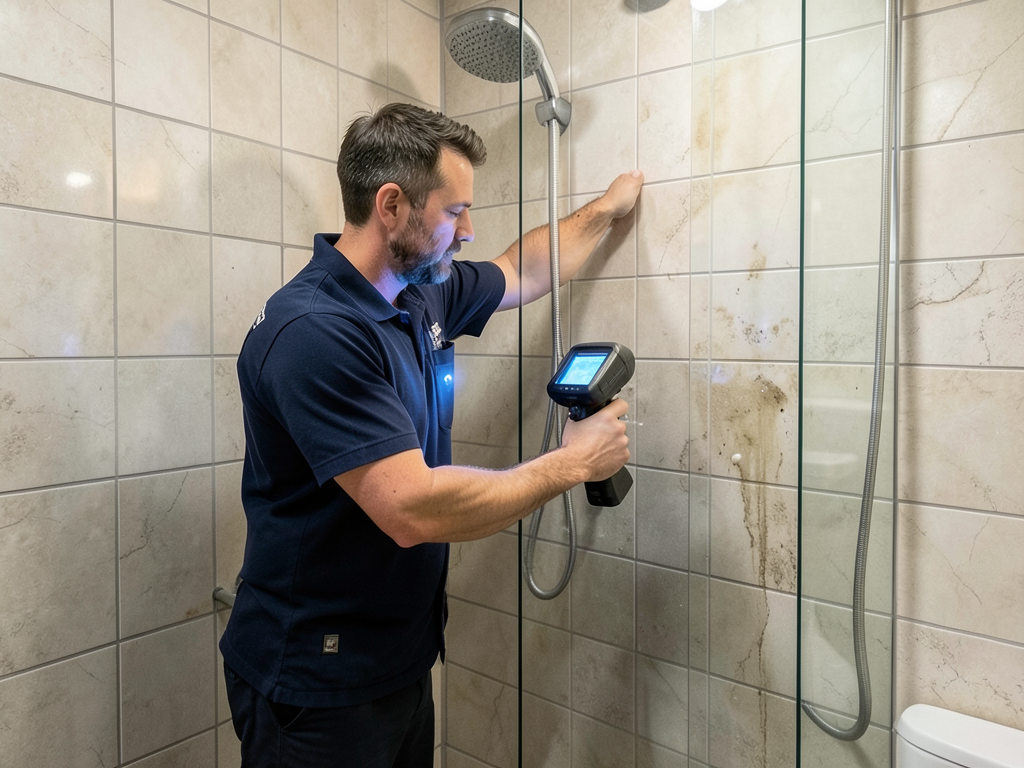
We start with moisture mapping using infrared thermal imaging cameras. These tools show us temperature differentials behind walls, which reveal active moisture intrusion even when the surface feels dry. We then use pin-type and pinless moisture meters to measure exact moisture content in the drywall, studs, and subfloor. Readings above 16 percent indicate elevated moisture levels that will cause mold growth within 48 hours.

Once we locate the source, we address it. Common culprits include pinhole leaks in copper supply lines, failed wax rings under toilets, condensation drip from AC evaporator coils, and improperly graded soil that directs rainwater toward your foundation instead of away from it. We also check for capillary action, where groundwater wicks up through concrete slab edges and into the bottom plate of your walls.

After we stop the water, we remove all compromised materials. Swollen MDF trim cannot be salvaged. It will never return to its original shape. We cut out water damaged baseboards and any wet drywall at least 12 inches above the visible waterline, because wicking carries moisture higher than you can see. We then set up commercial dehumidifiers and air movers to dry the framing and subfloor to below 12 percent moisture content.

Only after verified dryness do we rebuild. We use moisture-resistant materials in areas prone to future exposure and ensure proper ventilation to prevent condensation. The goal is permanent correction, not temporary cosmetics.

What Happens When You Call Us About Swollen Trim

Swollen Baseboards & Trim in San Antonio – Expert Diagnosis & Proper Repair Before Hidden Mold Takes Hold
01

Moisture Source Investigation

We inspect your entire perimeter to locate where water is entering. This includes checking under sinks, around windows, behind appliances, and along the foundation edge. We use thermal cameras to see moisture you cannot. We document the extent of damage with photos and moisture readings to establish a baseline for drying and to support insurance claims if needed.
02

Controlled Demolition and Drying

We remove all swollen trim and cut out saturated drywall to expose the framing. This allows air circulation behind the wall cavity. We place dehumidifiers and air movers in a configuration that maximizes evaporation from structural materials. We monitor daily moisture levels in the studs, plates, and subfloor until they reach acceptable levels, which takes three to seven days depending on saturation depth.
03

Rebuild with Moisture Protection

Once the structure is dry, we replace drywall and install new baseboards. We use primed MDF or solid wood depending on your home's original materials. We caulk all seams and apply paint to seal the wood against future humidity. We also address the source issue, whether that means re-caulking windows, adjusting grading, or coordinating with a plumber to fix leaks. You get a complete repair, not a cosmetic patch.

Why San Antonio Homeowners Trust Local Water Damage Specialists

Water damage restoration is not a DIY project when the damage extends behind the wall. Swollen baseboards signal hidden saturation that requires professional drying equipment and expertise to resolve correctly. Attempting to fix it yourself without addressing the moisture source guarantees the problem will return, often with mold growth added to the mix.

Liberty Water Damage Restoration Riverside operates exclusively in the San Antonio metro. We know the local building styles, common failure points, and seasonal moisture patterns that affect homes here. We understand that homes built on limestone bedrock in areas like Helotes drain differently than homes on clay soil in the East Side. We know that older homes in Government Hill often have cast iron drain lines that corrode from the inside and leak slowly for months before you notice swollen trim at the base of the wall.

We also work directly with San Antonio insurance adjusters. We document damage according to their requirements, provide detailed scope of work estimates, and communicate throughout the process to ensure your claim is handled fairly. Most homeowners insurance policies cover sudden and accidental water damage, but not long-term seepage from deferred maintenance. Knowing the difference and how to present your claim matters.

Our team holds IICRC certifications in water damage restoration and applied structural drying. That means we follow science-based drying protocols, not guesswork. We calculate the grain depression in the air, the vapor pressure gradient, and the drying time based on material density and saturation depth. We do not remove equipment until verified dry readings confirm the structure is safe.

You will not get that level of expertise from a general contractor who occasionally does water cleanup as a side service. You need a specialist who does this work every day and understands the long-term consequences of incomplete drying.

What to Expect When You Hire Us for Swollen Baseboards

Rapid Response and Assessment

We answer calls seven days a week and can often schedule an inspection within 24 hours. The initial assessment takes one to two hours depending on the size of your home. We check every room along exterior walls and any interior walls adjacent to plumbing. We provide a written estimate before starting any demolition. If you need emergency water extraction or containment, we bring portable equipment on the first visit and begin mitigation immediately to prevent further damage.

Detailed Moisture Mapping and Documentation

We create a floor plan sketch showing moisture readings at multiple points along affected walls. This map helps you understand the scope and helps your insurance adjuster see the extent of damage. We take photos of all visible damage, moisture meter readings, and any source issues we identify. You receive a copy of this documentation for your records. We explain what each reading means and why we recommend specific actions. No jargon. No upselling. Just clear information so you can make informed decisions.

Professional-Grade Drying and Restoration

We use low-grain refrigerant dehumidifiers and axial air movers, not box fans and portable dehumidifiers from the hardware store. Our equipment removes moisture faster and more completely. We monitor progress daily and adjust equipment placement as needed. Once drying is complete, we handle the rebuild in-house. You work with one company from start to finish. We match your existing trim profiles and paint colors. The finished result looks like the damage never happened.

Ongoing Prevention Guidance

After we complete the restoration, we provide recommendations to prevent future water intrusion. This might include re-grading soil around your foundation, installing vapor barriers in crawl spaces, upgrading caulking around windows, or adding insulation to ductwork to prevent condensation. We do not upsell services we do not perform, but we do connect you with trusted local contractors when needed. Our goal is long-term protection, not repeat business from the same problem.

Frequently Asked Questions

You Have Questions,
We Have Answers

How to fix a swollen baseboard? +

First, identify the moisture source and eliminate it. Remove the swollen baseboard carefully to avoid wall damage. Allow the area to dry completely for 24 to 48 hours using fans or dehumidifiers. San Antonio's humidity can slow drying time, especially during summer months. Inspect the wall cavity for hidden water damage or mold. If the baseboard remains warped after drying, replace it with new material. Paint-grade MDF baseboards are especially vulnerable to permanent swelling. Consider switching to moisture-resistant materials in areas prone to leaks or high humidity.

What is the 7 rule for baseboards? +

The 7 rule refers to baseboard proportion guidelines: your baseboard height should be approximately 7 percent of your ceiling height. For standard 8-foot ceilings common in San Antonio homes, this means 5 to 7 inch baseboards. Ten-foot ceilings work well with 7 to 8 inch baseboards. This creates visual balance and proper scale. However, historic San Antonio homes in King William or Monte Vista may use taller baseboards reflecting period architecture. The rule serves as a starting point, not an absolute requirement.

Why do baseboards swell? +

Baseboards swell when wood fibers absorb moisture and expand. Common causes include plumbing leaks, foundation cracks allowing groundwater intrusion, HVAC condensation, or roof leaks traveling through walls. San Antonio's expansive clay soil shifts with moisture changes, creating foundation movement that cracks pipes or opens gaps. High indoor humidity without proper ventilation also contributes to swelling. MDF and particle board baseboards are particularly vulnerable because they absorb water like a sponge. Even minor leaks cause significant damage over time if left unaddressed.

How to tell if baseboard has water damage? +

Look for visible swelling, buckling, or warping along the baseboard face. Paint may bubble, crack, or peel. Touch the baseboard to check for soft spots or sponginess, which indicates active moisture absorption. Discoloration, water stains, or dark streaks suggest prolonged exposure. A musty odor near the baseboard signals possible mold growth behind it. In San Antonio homes, check where baseboards meet exterior walls, as foundation settling can create entry points for moisture. Use a moisture meter to confirm elevated readings above 15 percent moisture content.

Can mice squeeze under baseboards? +

Yes, mice can squeeze through gaps as small as a quarter inch. They flatten their bodies and use the space between baseboards and flooring as entry points and travel routes. San Antonio's mild winters mean rodent activity continues year-round. Inspect baseboards for gnaw marks, droppings, or grease stains indicating rodent traffic. Seal gaps with steel wool and caulk, as mice cannot chew through metal. Water damage that creates gaps or warping makes baseboard entry easier. Address moisture issues promptly to prevent both structural damage and pest intrusion.

How to shrink swollen wood? +

You cannot reliably shrink swollen wood back to original dimensions. Once wood fibers absorb moisture and expand, the cellular structure changes permanently. Remove the moisture source immediately and allow the wood to dry completely in a well-ventilated space. Some minor swelling may reduce as moisture evaporates, but warping and dimensional changes usually remain. Sanding can smooth surface irregularities on solid wood, but MDF and particle board stay permanently damaged. In San Antonio's humidity, drying takes longer. Replacement is typically the only practical solution for significantly swollen trim.

What are common baseboard installation mistakes? +

Common mistakes include inadequate wall prep, leaving bumps and debris that prevent flush installation. Skipping acclimation allows wood to expand or contract after installation. Using too few nails creates gaps over time. Incorrect miter cuts on corners leave visible seams. Failing to fill nail holes and caulk gaps before painting shows sloppy workmanship. In San Antonio, installers sometimes ignore foundation movement, installing rigid baseboards that crack as the house settles on clay soil. Not painting or sealing the back of baseboards in moisture-prone areas invites water damage.

What is the current trend for baseboards? +

Current trends favor taller baseboards, typically 5 to 8 inches, creating a more substantial, modern look. Simple, clean profiles with minimal detailing suit contemporary interiors. White and off-white remain popular, offering crisp contrast against wall colors. Some San Antonio homeowners choose wood-look alternatives or actual hardwood stained to match flooring. In historic district renovations, period-appropriate tall baseboards with detailed profiles maintain architectural authenticity. Moisture-resistant materials like PVC or composite boards gain popularity in areas prone to humidity or water exposure, offering durability without sacrificing appearance.

Should baseboards be flush with the floor? +

Baseboards should sit flush against the floor with minimal gaps. Small inconsistencies under a quarter inch can be hidden with caulk or quarter-round molding. Larger gaps indicate unlevel flooring, foundation settling, or improper installation. San Antonio homes built on expansive clay soil often develop uneven floors as the foundation shifts. The baseboard should follow the floor profile rather than creating a straight line that highlights floor irregularities. For severe unevenness, scribe the baseboard to match the floor contour or address underlying foundation issues before installing trim.

Will a swollen wood floor go back to normal? +

Minor swelling from brief water exposure may reduce as the floor dries, but complete recovery is unlikely. Wood flooring absorbs moisture, expands, and the cellular structure changes permanently. Cupping, crowning, or buckling usually remains visible even after drying. San Antonio's humidity slows drying and can worsen damage if not controlled. Extract standing water immediately, run dehumidifiers, and allow several weeks for drying. Severely damaged boards require replacement. Laminate and engineered flooring rarely recover from water damage. Professional assessment determines whether refinishing or replacement is necessary after water exposure.

How San Antonio's Clay Soil and Humidity Make Baseboard Swelling a Recurring Threat

San Antonio sits on expansive clay soil that shrinks during drought and swells during heavy rain. This constant movement stresses slab foundations and creates hairline cracks along the perimeter beam. When rain falls, water seeps through these cracks and saturates the bottom plate of your exterior walls. The baseboards attached to that plate absorb the moisture and swell. The problem compounds in summer when high humidity prevents the wood from drying out between rain events. Homes in Stone Oak, Helotes, and Boerne often experience this cycle annually, especially during transition months when weather swings between dry heat and heavy thunderstorms.

Liberty Water Damage Restoration Riverside understands these local conditions because we work exclusively in the San Antonio metro. We have seen the same moisture issues in hundreds of homes across every neighborhood. We know which foundation types are most vulnerable, which trim materials hold up best in our climate, and how to address both the immediate damage and the underlying cause. When you call a national franchise or a general contractor, they apply generic solutions. We apply local knowledge earned through years of hands-on experience in homes just like yours.


Water Damage Services in The San Antonio Area

We are proud to serve the entire San Antonio area. Our team is strategically located to ensure a rapid response to your location, no matter where you are. View our service area on the map to see if we cover your neighborhood, and please don't hesitate to reach out for immediate assistance. We're always here to help you navigate a water damage crisis with confidence and ease.

Address:
Titan Water Damage Restoration San Antonio, 5154 Broadway, San Antonio, TX, 78209

Additional Services We Offer

Our news updates

Latest Articles & News from The Blogs

What Exactly Happens Inside Your Walls During the First 24 Hours of a Leak \n\n Water damage inside your walls…

What Exactly Happens Inside Your Walls During the First 24 Hours of a Leak

What Exactly Happens Inside Your Walls During the First 24 Hours of a Leak \n\n Water damage inside your walls…

Why Waterproof Vinyl Plank Flooring Can Still Trap Moisture and Grow Mold

Why Waterproof Vinyl Plank Flooring Can Still Trap Moisture and Grow Mold Waterproof vinyl plank flooring seems like the perfect…

Simple Ways to Seal Your Windows Before the San Antonio Rainy Season Starts

Simple Ways to Seal Your Windows Before the San Antonio Rainy Season Starts San Antonio’s rainy season brings intense thunderstorms…

Contact Us

Swollen baseboards mean active moisture. Call Liberty Water Damage Restoration Riverside at (210) 390-5977 today for a professional moisture assessment. We will find the source, dry the structure correctly, and restore your trim to pre-damage condition.