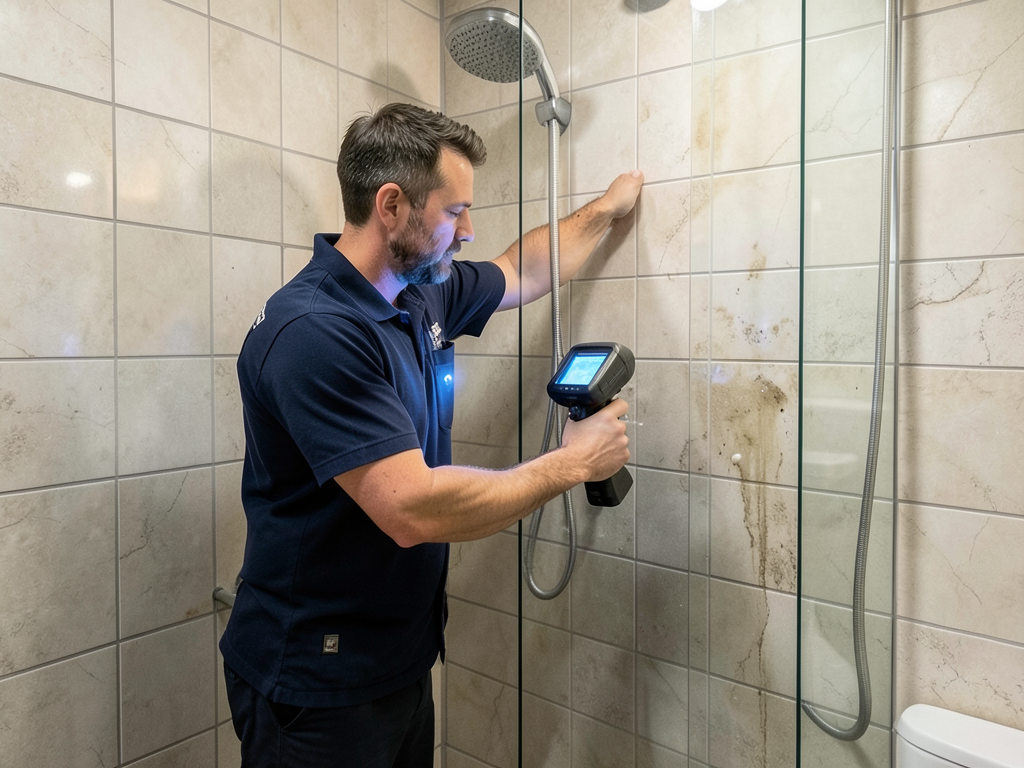





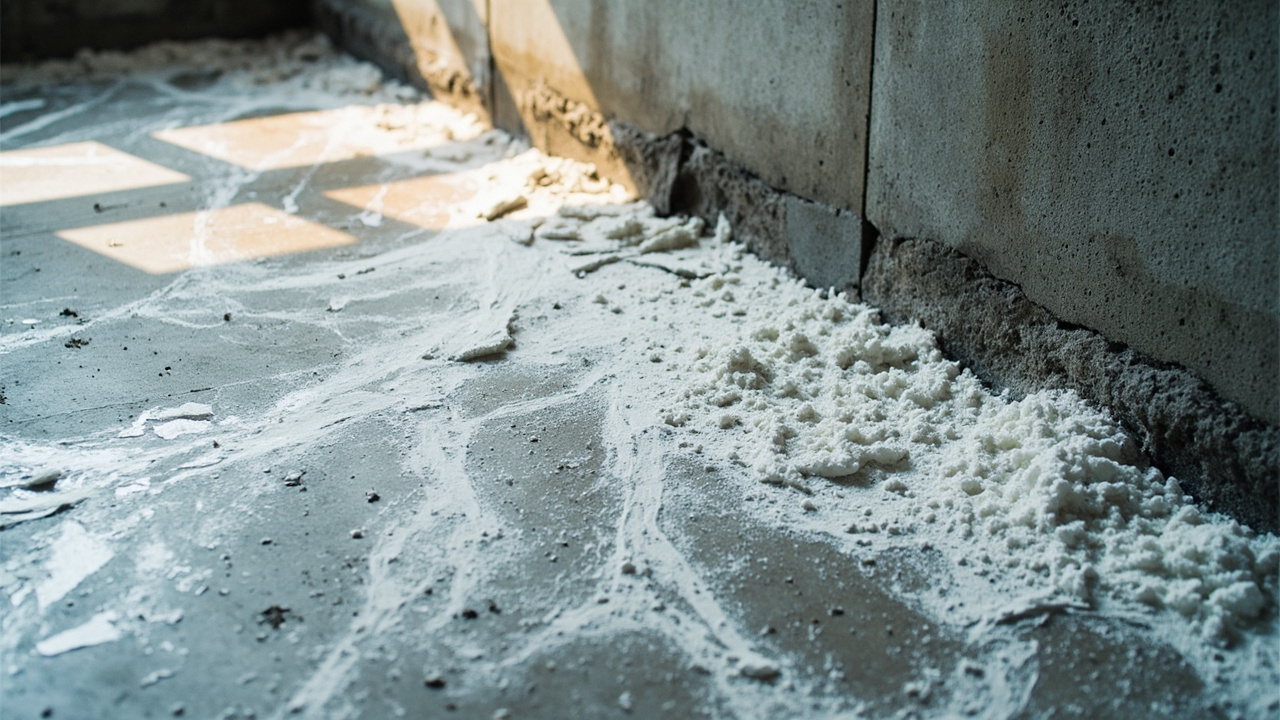

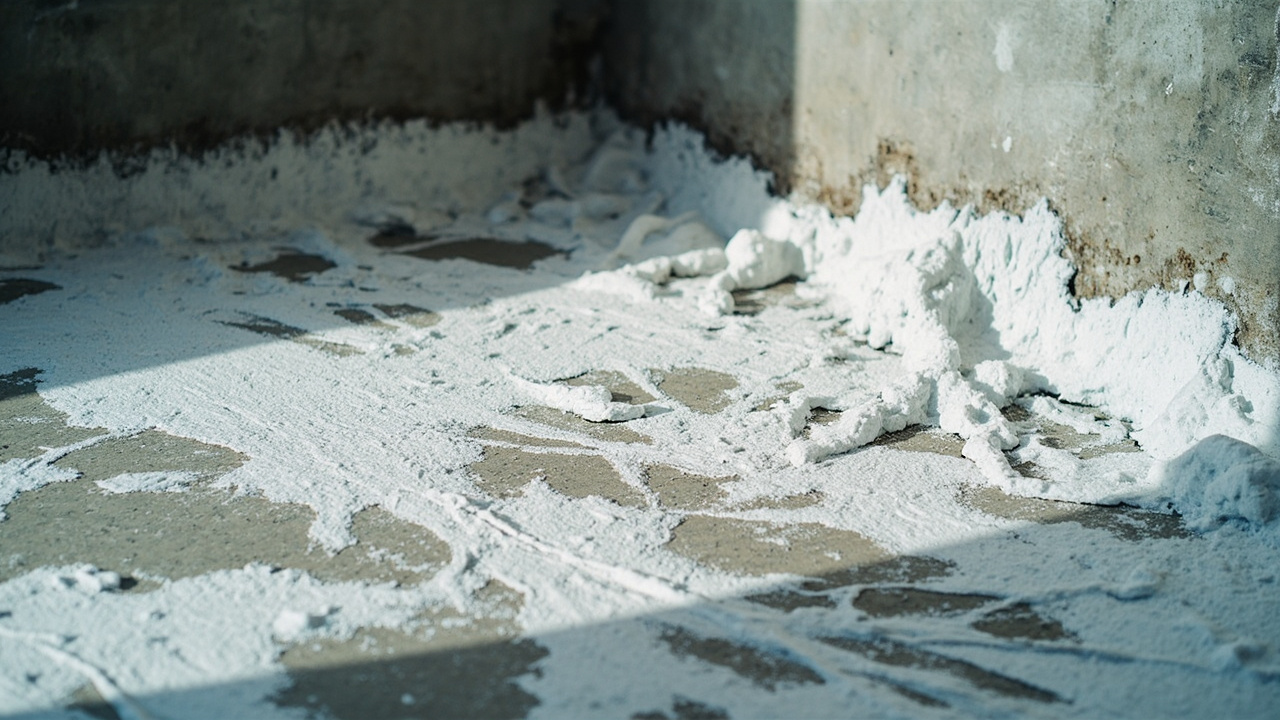
San Antonio sits on a unique geological formation that makes efflorescence more common here than in many other Texas cities. The Edwards Aquifer limestone bedrock beneath much of the city is porous and highly permeable, allowing groundwater to rise rapidly after rain. Above this limestone sits a layer of expansive montmorillonite clay, which shrinks and swells with moisture changes. When rain saturates the clay, it expands and exerts pressure against foundation walls. When drought returns, the clay contracts and pulls away, creating gaps. This cycle drives water through concrete slabs and carries dissolved salts to the surface, where they crystallize as efflorescence.
Local building codes have evolved to address these conditions, but many older homes and commercial buildings were constructed before modern moisture mitigation standards. Liberty Water Damage Restoration Riverside understands these local challenges. We know which neighborhoods have shallow bedrock, which areas experience the most severe clay shrinkage, and how seasonal aquifer fluctuations affect moisture intrusion. We work within San Antonio's permit requirements for drainage modifications and waterproofing installations. When you hire a team that understands the local geology, you get solutions designed for this environment, not generic fixes imported from other regions.