




Menu

Visible Mold Growth on Walls in San Antonio – Expert Diagnosis and Safe Remediation to Protect Your Health

If you see black mold spots on drywall or fungal growth spreading across your walls, you need professionals who can identify the moisture source, contain the contamination, and eliminate visible mold growth on walls before respiratory problems begin.

Slider Image 1
Slider Image 2
Slider Image 3
Slider Image 4
Slider Image 5
Slider Image 7
Slider Image 8
Slider Image 9
Slider Image 10
Slider Image 11

Why San Antonio Homes Are Prone to Wall Mold Infestation

You walk into your bathroom and notice dark patches on the sheetrock near the shower. Or you move a picture frame in the bedroom and find visible mildew on painted walls underneath. That sinking feeling hits because you know this is not just cosmetic damage.

San Antonio's subtropical humidity creates perfect conditions for fungal growth on wall surfaces. During summer months, humidity levels regularly exceed 70 percent. When your air conditioning system cannot keep interior humidity below 60 percent, moisture condenses on cooler wall surfaces. Add poor attic ventilation or a minor roof leak during monsoon season, and you have created an incubator for black mold spots on drywall.

The clay soil common throughout Bexar County shifts with seasonal moisture changes. This movement creates hairline foundation cracks that allow groundwater to seep into wall cavities. You may not see the water, but mold sees the opportunity. Older homes in neighborhoods like Alamo Heights or Monte Vista often have original plaster walls. When moisture enters these walls, it wicks upward through capillary action and creates mold patches on sheetrock or plaster surfaces.

Wall mold infestation does not happen overnight. By the time you see visible growth, the contamination has usually spread behind the wall surface. The musty odor, the discoloration, the texture changes are all signs that spores have colonized the building material. Your walls are telling you something is wrong with your home's moisture management.

Why San Antonio Homes Are Prone to Wall Mold Infestation
How We Identify and Eliminate the Real Problem Behind Visible Mold Growth

How We Identify and Eliminate the Real Problem Behind Visible Mold Growth

Most homeowners make the mistake of treating visible mold growth on walls as a cleaning problem. They spray bleach on black mold spots on drywall and assume the issue is resolved. Two months later, the growth returns because the moisture source was never addressed.

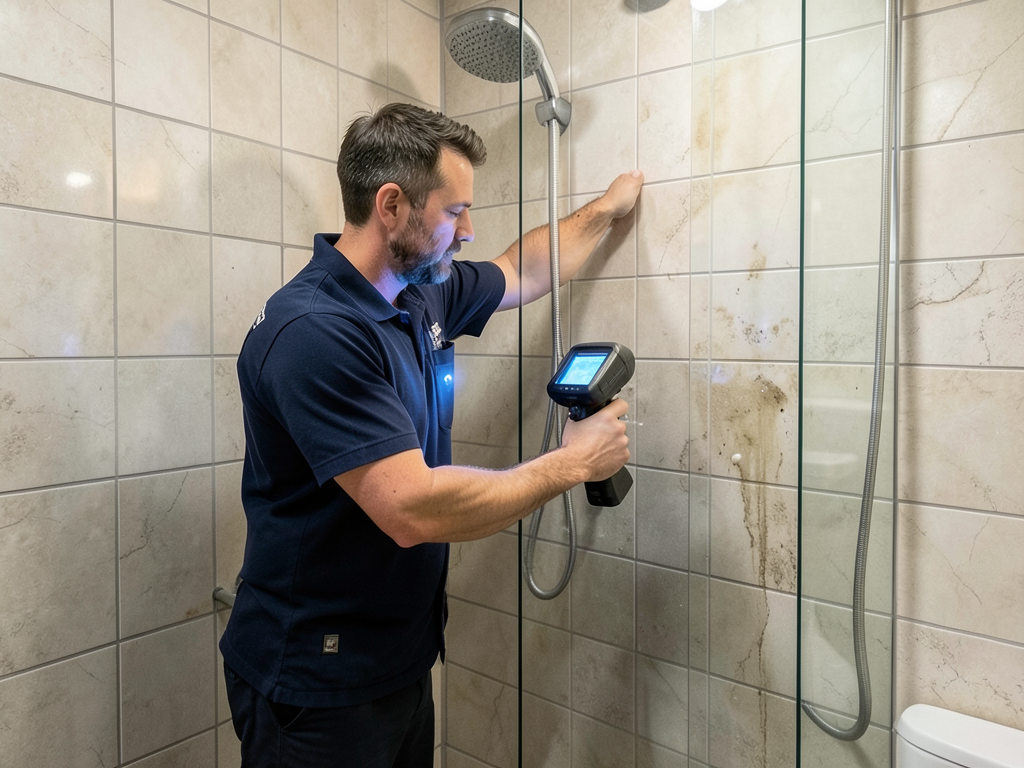
Liberty Water Damage Restoration Riverside approaches wall mold infestation as a diagnostic problem first. We use thermal imaging cameras to map temperature differentials across wall surfaces. Cold spots indicate moisture intrusion. We measure relative humidity at multiple heights along the wall to identify condensation zones. We use moisture meters with penetrating probes to quantify water content inside the wall cavity without destructive testing.

Once we identify the moisture source, we determine contamination extent. Surface mold on painted walls requires different protocols than fungal growth on wall surfaces that has penetrated the paper facing of drywall. We perform containment using negative air pressure and HEPA filtration to prevent cross-contamination to unaffected areas during remediation.

Our technicians remove compromised building materials according to IICRC S520 mold remediation standards. Visible mildew on painted walls may only require surface treatment and encapsulation if the substrate is sound. Mold patches on sheetrock that have colonized the gypsum core require removal and replacement. We treat framing lumber with antimicrobial agents and verify moisture content below 15 percent before installing new materials.

The difference between amateur mold cleaning and professional remediation is simple. We fix what caused the problem so you do not pay twice to solve the same issue.

What Happens When You Call Us About Wall Mold

Visible Mold Growth on Walls in San Antonio – Expert Diagnosis and Safe Remediation to Protect Your Health
01

Moisture Source Investigation

We arrive with diagnostic equipment to identify where moisture enters your walls. Our technicians check plumbing connections, inspect exterior cladding and flashing details, measure indoor humidity levels, and use thermal imaging to map moisture patterns. You get a clear explanation of what is causing the fungal growth on wall surfaces before we discuss remediation scope.
02

Containment and Removal

We establish physical barriers and negative air pressure to isolate the work area from occupied spaces. Contaminated drywall is removed in sections and bagged immediately. We HEPA vacuum all exposed framing and treat surfaces with antimicrobial solutions. Air scrubbers run continuously during the process to capture airborne spores. You can remain in your home safely during most residential remediation projects.
03

Verification and Reconstruction

After remediation, we verify moisture levels in remaining materials have dropped to acceptable ranges. We document the work with photos and moisture readings. Then we rebuild the wall surfaces using mold-resistant drywall and low-VOC paint. You receive a detailed report documenting the moisture source, remediation scope, and preventive recommendations to avoid future wall mold infestation.

Why San Antonio Homeowners Choose Local Mold Remediation Experts

When you discover black mold spots on drywall, you need professionals who understand how San Antonio's climate and construction methods create specific mold risks. National franchises send technicians who follow corporate checklists. We send specialists who have diagnosed hundreds of local mold problems and understand regional patterns.

We know that homes built during the 1970s building boom often have inadequate attic ventilation. We know that the Edwards Aquifer's high mineral content creates efflorescence that homeowners confuse with mold growth. We know that San Antonio's monsoon season from May through October creates humidity spikes that overwhelm undersized HVAC systems.

This local knowledge changes how we approach visible mold growth on walls. When we inspect a home in Terrell Hills, we check for specific foundation issues common to that neighborhood's soil conditions. When we work on a Stone Oak property, we account for the harder limestone substrate that affects drainage patterns differently than homes near Brackenridge Park.

Liberty Water Damage Restoration Riverside maintains relationships with local indoor air quality consultants, structural engineers, and building inspectors. If your wall mold infestation indicates a larger building envelope failure, we can coordinate comprehensive solutions with professionals who understand San Antonio construction standards.

We also understand insurance claim documentation requirements for local carriers. Visible mildew on painted walls might seem minor, but if moisture intrusion has compromised insulation or electrical systems, the claim scope expands significantly. We provide the detailed photo documentation, moisture mapping, and material inventories that adjusters need to process claims fairly.

You are not just hiring mold removal. You are hiring expertise about how your specific home, in this specific climate, developed this specific problem.

What to Expect When You Contact Us About Mold on Your Walls

Response Time and Availability

We schedule initial assessments within 24 hours of your call. Mold problems rarely constitute true emergencies, but the sooner we identify the moisture source, the less building material you lose to contamination. Most diagnostic visits take 60 to 90 minutes. We provide a written scope of work and estimate before starting any remediation. If you need emergency water extraction due to active leaks causing the mold growth, we dispatch immediately to prevent further damage.

How the Assessment Works

Our technician will inspect all areas where you see visible mold growth on walls, then expand the investigation to adjacent spaces and potential moisture sources. We use non-invasive testing first, but may recommend limited exploratory cuts if we suspect hidden contamination. You receive moisture readings, thermal images, and a clear explanation of what we found. We discuss whether you need professional mold testing or if the visible growth provides sufficient evidence to proceed with remediation.

The Quality of Remediation

We follow IICRC S520 standards for mold remediation. This means proper containment, appropriate removal methods for contamination levels, HEPA filtration during all work, and verification that moisture sources are resolved before reconstruction. You get mold-resistant building materials during rebuilding and clear documentation of all work performed. Most residential wall mold projects are completed in two to four days depending on contamination extent and drying time required.

Prevention and Long-Term Solutions

After remediation, we provide specific recommendations to prevent recurrence. This might include improving bathroom ventilation, adjusting HVAC settings to control humidity, repairing exterior drainage issues, or upgrading attic insulation to prevent condensation. We do not sell you services you do not need, but we will tell you honestly what conditions could cause mold patches on sheetrock to return. You receive a detailed report with photos documenting the before and after conditions for your records and insurance purposes.

Frequently Asked Questions

You Have Questions,
We Have Answers

What to do if you see mold on a wall? +

Stop touching it and isolate the area. Turn off your HVAC to prevent spore spread throughout your home. Visible mold means moisture is present, so identify the source. Check for leaks, condensation, or humidity issues common in San Antonio's humid climate. Photograph the affected area for documentation. Do not bleach it. Bleach only masks surface mold temporarily and does not kill roots in porous materials like drywall. For patches larger than 10 square feet, or if you have health concerns, call a certified mold remediation specialist. They will contain the area, remove affected materials, and treat the source moisture problem.

Can mold make a baby cough? +

Yes. Mold spores irritate developing respiratory systems. Babies breathe faster than adults, inhaling more spores per pound of body weight. Common mold types in San Antonio homes, like Aspergillus and Penicillium, trigger coughing, wheezing, and congestion in infants. If your baby has a persistent cough without other cold symptoms, inspect your home for visible mold growth, musty odors, or water stains. Check behind furniture, under sinks, and around AC vents. High indoor humidity above 60 percent fuels mold growth. Remove your baby from the affected space immediately and consult your pediatrician. Professional mold testing identifies the species and concentration.

Can mold cause twitching? +

Possibly. Some mold species produce mycotoxins that affect the nervous system. Prolonged exposure to toxic mold like Stachybotrys can cause neurological symptoms, including muscle twitching, tremors, and nerve irritation. However, twitching has many causes. Do not self-diagnose based on mold exposure alone. If you experience unexplained twitching and live in a home with visible mold, water damage, or musty smells, see a doctor. Document your symptoms and environment. Air quality testing can confirm mold presence and toxin levels. San Antonio's humidity and older housing stock increase mold risk, so inspect crawl spaces, attics, and post-foundation areas regularly.

When to worry about mold in walls? +

Worry immediately if mold covers more than 10 square feet, appears black or dark green, or grows after water damage. Worry if you smell mustiness but cannot locate the source. This means hidden mold inside walls, under flooring, or in ductwork. Worry if anyone in your home develops unexplained respiratory issues, headaches, or fatigue. San Antonio's clay soil causes foundation shifts, creating cracks where moisture seeps in. Worry if mold reappears after cleaning. This signals an unresolved moisture problem. Do not wait. Mold spreads fast in humid conditions. Professional inspection uses thermal imaging and moisture meters to find hidden growth.

What kills mold permanently on walls? +

Nothing kills mold permanently on walls if the moisture source remains. Mold feeds on organic material in drywall, paint, and wood. You must remove the moisture and the contaminated material. Professional remediation involves containment, HEPA air filtration, removal of affected drywall or insulation, antimicrobial treatment of framing, and moisture correction. For hard surfaces like tile or metal, use a registered fungicide or a borax solution, then dry completely. Do not use bleach on porous surfaces. It does not penetrate deep enough to kill roots. In San Antonio, fix roof leaks, repair AC condensation issues, and control indoor humidity below 50 percent to prevent regrowth.

Will mold go away if it dries out? +

No. Drying stops active growth, but mold spores remain dormant and viable for years. When moisture returns, mold reactivates within 24 to 48 hours. Dead mold is still allergenic. Spores and fragments trigger respiratory issues even without active growth. San Antonio's summer humidity and monsoon patterns create cycles of wet and dry conditions. Simply drying the area does not solve the problem. You must physically remove contaminated materials and treat surfaces with antimicrobial agents. Address the root cause, whether it is a plumbing leak, poor ventilation, or foundation moisture intrusion. Permanent solutions require both removal and moisture control.

What are the first signs of mold sickness? +

Respiratory symptoms appear first. Watch for persistent coughing, sneezing, throat irritation, and sinus congestion that does not respond to allergy medication. Eye irritation, skin rashes, and headaches follow. Fatigue and brain fog are common with prolonged exposure. Symptoms often worsen at home and improve when you leave. If multiple household members feel sick without a clear cause, suspect mold. San Antonio's older homes and high humidity increase risk. Check bathrooms, kitchens, and areas around AC units. Musty odors signal hidden mold. Track your symptoms and environment. If mold exposure is suspected, consult a doctor and schedule professional air quality testing.

Can I clean up mold myself? +

Only if the patch is smaller than 10 square feet and on non-porous surfaces like tile or glass. Wear an N95 mask, gloves, and eye protection. Use a registered fungicide or a borax and water solution. Scrub thoroughly and dry completely. Do not clean mold yourself if you have asthma, immune issues, or if the mold is black. Do not attempt cleanup if mold resulted from sewage or contaminated water. Never clean mold inside walls, ductwork, or on porous materials like drywall. These jobs require professional containment and removal. San Antonio's humidity demands proper drying and moisture control to prevent regrowth.

How to test your home for mold? +

Start with a visual inspection. Check under sinks, behind toilets, around windows, in attics, and crawl spaces. Look for discoloration, water stains, and peeling paint. Smell for mustiness. Use a moisture meter to check walls and floors for hidden dampness. For accurate results, hire a certified mold inspector. They use thermal imaging to detect moisture behind walls and air sampling to identify spore types and concentrations. DIY test kits from hardware stores are unreliable. Professional testing provides lab analysis and a remediation plan. In San Antonio, inspect post-foundation pier and beam homes carefully. Clay soil movement causes cracks where moisture enters.

What are the mental symptoms of mold poisoning? +

Brain fog, difficulty concentrating, memory problems, and confusion are common. Anxiety, depression, and mood swings can result from mycotoxin exposure affecting neurotransmitter function. Some people report insomnia or unexplained irritability. Mental symptoms often accompany physical signs like headaches and fatigue. These symptoms are easy to dismiss or attribute to stress. If you notice cognitive decline or mood changes that coincide with time spent at home, investigate your environment. San Antonio's humid climate and aging housing stock create mold-friendly conditions. Professional air quality testing identifies toxic mold species. Remove yourself from exposure immediately and consult a healthcare provider familiar with environmental illness.

How San Antonio's Climate Creates Perfect Conditions for Fungal Growth on Interior Walls

San Antonio sits in a transition zone between humid subtropical and semi-arid climates. Summer dew points regularly reach 70 degrees, which means outdoor air carries significant moisture. When your air conditioning cools interior wall surfaces below the dew point, condensation forms. This is particularly common on north-facing walls that receive less direct sun and on walls adjacent to unconditioned attic spaces. The limestone bedrock underlying much of Bexar County also contributes to moisture problems. Groundwater can wick through foundation walls via capillary action, creating persistent dampness that feeds wall mold infestation even when no active leak exists.

Water damage restoration in San Antonio requires understanding these local moisture dynamics. Companies based elsewhere may apply generic solutions that fail because they do not account for our specific humidity patterns, soil conditions, and construction methods. Liberty Water Damage Restoration Riverside has remediated mold problems in historic Monte Vista bungalows with original plaster walls, modern Stone Oak homes with complex HVAC zoning, and everything in between. We understand how different neighborhoods, construction eras, and building materials respond to our climate. This experience means we identify moisture sources faster and provide solutions that actually prevent recurrence.

Water Damage Services in The San Antonio Area

We are proud to serve the entire San Antonio area. Our team is strategically located to ensure a rapid response to your location, no matter where you are. View our service area on the map to see if we cover your neighborhood, and please don't hesitate to reach out for immediate assistance. We're always here to help you navigate a water damage crisis with confidence and ease.

Address:
Titan Water Damage Restoration San Antonio, 5154 Broadway, San Antonio, TX, 78209

Additional Services We Offer

Our news updates

Latest Articles & News from The Blogs

What Exactly Happens Inside Your Walls During the First 24 Hours of a Leak \n\n Water damage inside your walls…

What Exactly Happens Inside Your Walls During the First 24 Hours of a Leak

What Exactly Happens Inside Your Walls During the First 24 Hours of a Leak \n\n Water damage inside your walls…

Why Waterproof Vinyl Plank Flooring Can Still Trap Moisture and Grow Mold

Why Waterproof Vinyl Plank Flooring Can Still Trap Moisture and Grow Mold Waterproof vinyl plank flooring seems like the perfect…

Simple Ways to Seal Your Windows Before the San Antonio Rainy Season Starts

Simple Ways to Seal Your Windows Before the San Antonio Rainy Season Starts San Antonio’s rainy season brings intense thunderstorms…

Contact Us

Do not let visible mold growth on walls compromise your indoor air quality or property value. Call Liberty Water Damage Restoration Riverside at (210) 390-5977 for a thorough assessment. We will identify the moisture source, explain your options clearly, and provide honest recommendations to solve the problem correctly.