




Menu

Emergency Roof Leak Tarping in San Antonio – 24/7 Response Stops Water Damage in Minutes

When your roof fails during a storm or sudden leak, every minute counts. Our emergency roof tarping crews deploy across San Antonio within the hour to secure your property, prevent interior flooding, and protect your belongings until permanent repairs can begin.

Slider Image 1
Slider Image 2
Slider Image 3
Slider Image 4
Slider Image 5
Slider Image 7
Slider Image 8
Slider Image 9
Slider Image 10
Slider Image 11

Why San Antonio Roofs Fail Without Warning

San Antonio's weather puts roofs through extremes. One afternoon brings scorching 100-degree heat that makes asphalt shingles brittle. That night, a sudden downpour pounds weakened materials. The cycle repeats until a vulnerable spot gives way.

You notice the leak when water drips onto your ceiling. Maybe you see a dark stain spreading across drywall. By the time the drip becomes visible, water has already soaked through insulation and pooled on joists. The clock starts ticking on mold growth within 24 to 48 hours.

Hill Country thunderstorms drop inches of rain in minutes. Older neighborhoods near Alamo Heights and Terrell Hills have roofs with aging valley flashing that channels water directly into weak points. New construction in Stone Oak and Dominion deals with hail damage that cracks protective granules off shingles, creating entry points for the next rain.

Emergency roof tarp installation stops the bleeding. An urgent roof tarping service creates a watertight barrier over the damaged section before the next storm arrives. San Antonio gets multiple rain events during spring and fall. You cannot wait days for a contractor's schedule to open up.

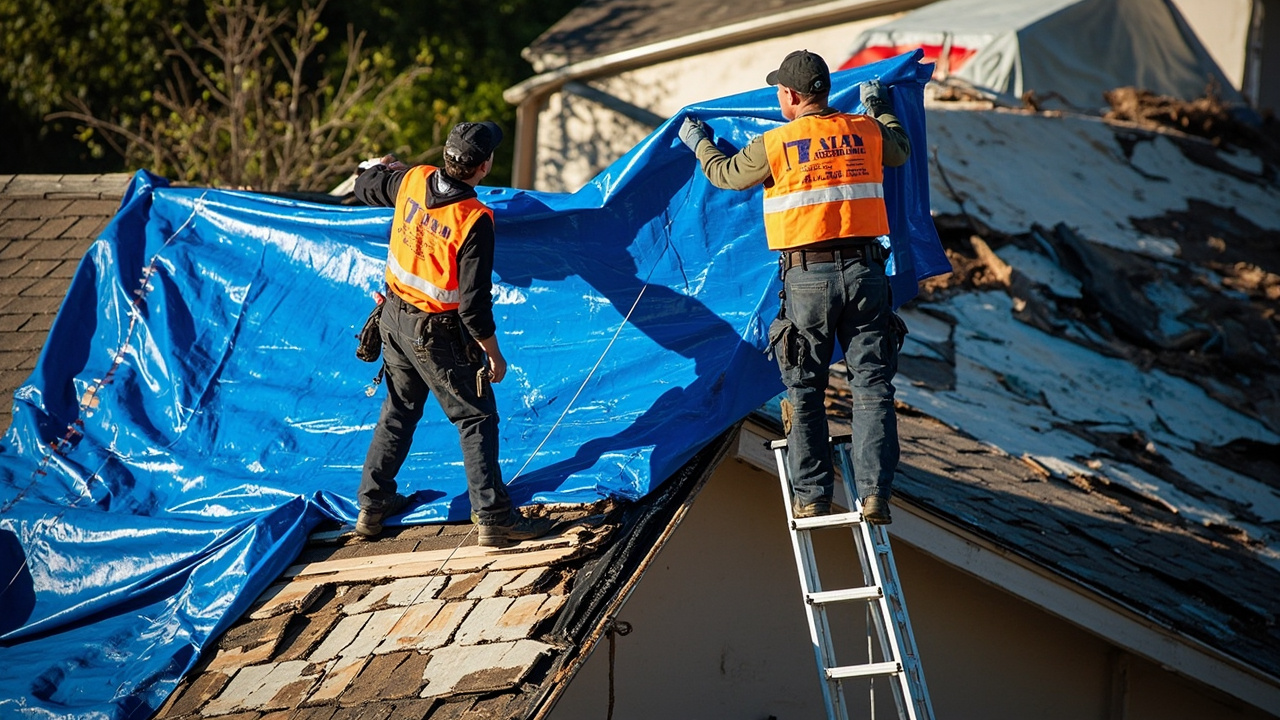
The emergency temporary roof covering does one job: keep water out until proper repairs happen. Our 24 hour roof tarping crews secure heavy-duty polyethylene tarps with wood battens screwed through undamaged decking. This emergency roof leak tarp service prevents thousands in additional water damage while you arrange permanent fixes and work through insurance claims.

Why San Antonio Roofs Fail Without Warning
How Professional Emergency Tarping Protects Your Property

How Professional Emergency Tarping Protects Your Property

Amateur tarping fails within hours. Homeowners stretch blue tarps over damage and hope for the best. Wind gets underneath. Rain pools in low spots. The tarp becomes a water bucket that collapses and dumps gallons directly into your home.

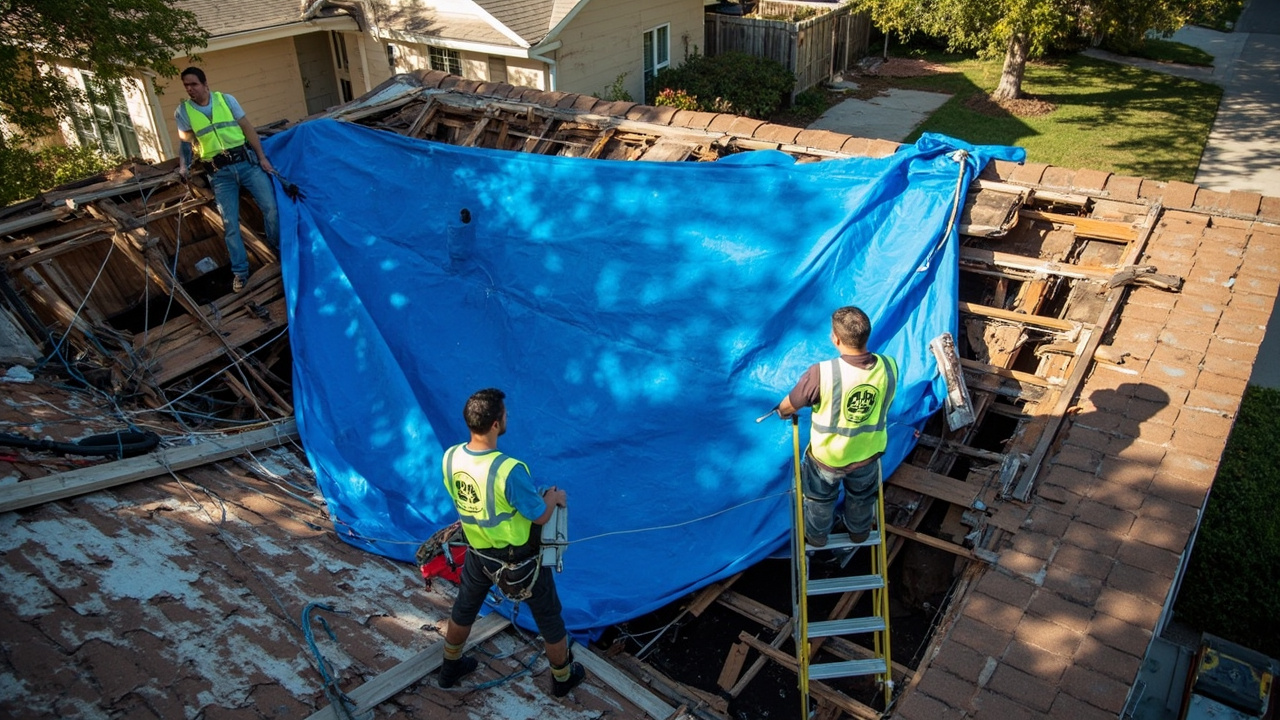
Professional emergency roof tarp installation uses commercial-grade materials rated for extended outdoor exposure. We measure the damaged area and add coverage beyond the visible breach. Water travels horizontally under shingles before dropping through decking. A proper emergency temporary roof covering extends at least three feet past the compromise point in all directions.

Attachment matters more than material. We anchor tarps with wood battens, not just sandbags or bricks. Each batten gets screwed into solid decking every 18 inches. This creates a mechanical bond that withstands 60 mph wind gusts common during San Antonio storms. The tarp edge gets sandwiched between batten and roof surface with no gaps for water infiltration.

Slope and drainage require careful planning. We position tarps so water runs off toward gutters, not into valleys where it accumulates. On tile roofs common in San Antonio's Mediterranean-style homes, we work around the brittle material without creating secondary damage. Clay tiles crack easily under foot traffic. Our crews know where to step.

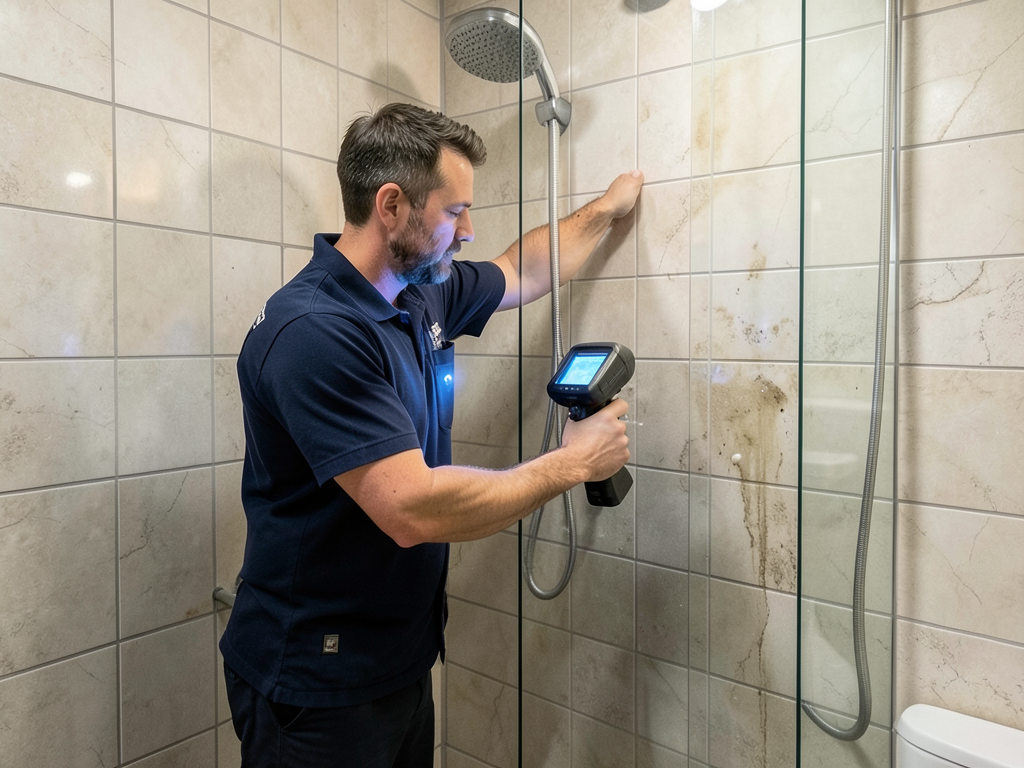
The urgent roof tarping service includes interior inspection. Before we leave, a technician checks your attic space with moisture meters. We document wet insulation, water stains on framing, and active drips. This documentation helps your insurance adjuster understand the full scope. Our 24 hour roof tarping service stops further damage while you navigate the claims process and schedule permanent repairs.

What Happens When You Call for Emergency Tarping

Emergency Roof Leak Tarping in San Antonio – 24/7 Response Stops Water Damage in Minutes
01

Immediate Dispatch

You call our emergency line and speak to a live dispatcher, not a voicemail system. We ask about your location, the leak's severity, and any active water intrusion. A crew gets dispatched to your San Antonio address within 30 minutes. During severe weather events, we prioritize active leaks over scheduled appointments. You receive a text with technician names and estimated arrival time.
02

Roof Assessment and Tarping

Technicians inspect your roof to identify all compromised areas. Missing shingles, punctures, and lifted flashing all get documented with photos. We measure the damage zone and calculate proper tarp dimensions. The crew secures a reinforced polyethylene tarp using batten boards and corrosion-resistant screws. We check the installation from your attic to confirm no water breaches remain. The entire process takes one to two hours.
03

Documentation and Next Steps

Before leaving, we provide a detailed report with photographs showing the damage and our temporary repairs. This package includes moisture readings from your attic space and recommendations for permanent fixes. We explain how to file your insurance claim and offer direct billing to most carriers. You get a follow-up call within 48 hours to check the tarp's performance and schedule permanent restoration work.

Why San Antonio Homeowners Trust Liberty Water Damage Restoration Riverside

We respond to emergencies across every San Antonio neighborhood. Our crews know the difference between the clay tile roofs in Olmos Park and the composition shingles common in Helotes. This familiarity means faster, more effective tarping without guesswork.

San Antonio building codes require specific attachment methods for temporary roof coverings, especially in wind zones near the Edwards Plateau. We follow these requirements on every job. Insurance adjusters recognize our documentation standards. When you file a claim, our reports include the technical details carriers need to process emergency mitigation expenses quickly.

Our warehouse stocks commercial-grade tarping materials year-round. When hurricanes push inland from the Gulf or severe thunderstorms roll through the Hill Country, we do not run out of supplies. Other companies scramble to buy materials at marked-up prices during disasters. We maintain inventory and pass those savings to you.

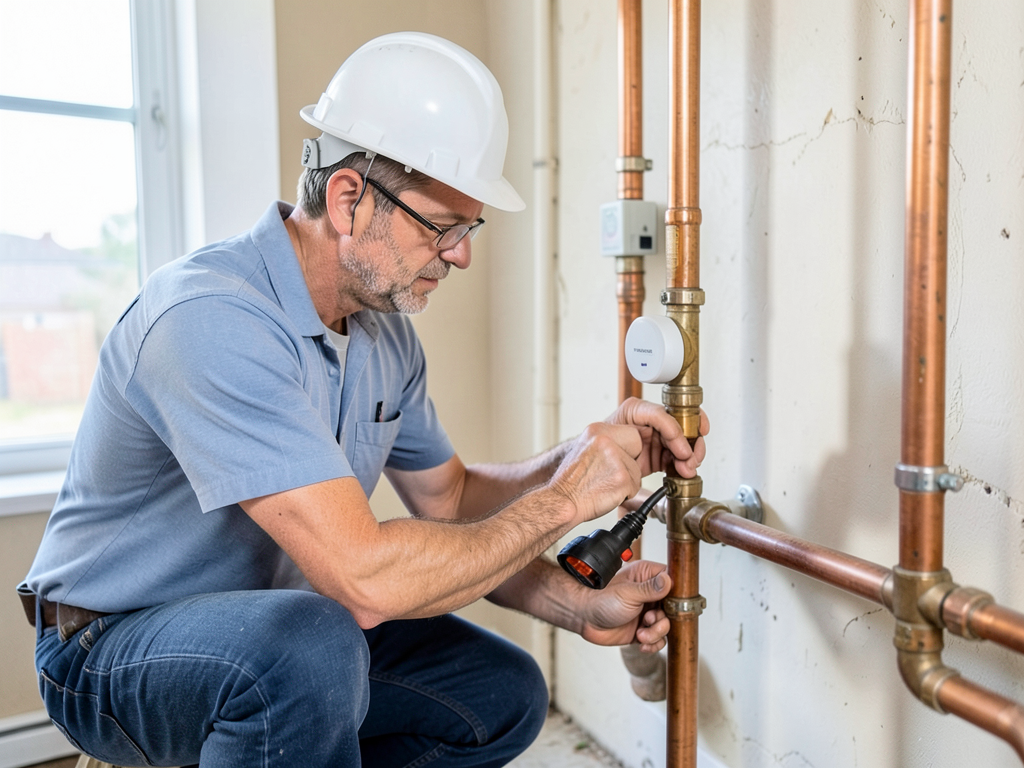
Liberty Water Damage Restoration Riverside operates dedicated emergency tarping crews separate from our restoration teams. When you call at 2 a.m. during a storm, you get technicians whose only job is securing roofs. They carry industrial ladders rated for three-story buildings, battery-powered impact drivers for fast attachment, and moisture detection equipment to assess hidden damage.

We understand San Antonio's microclimates. Properties near the Medina River face different moisture challenges than homes on the dry northwest side near Boerne. Our crews adjust tarping strategies based on your specific location's weather patterns and typical storm water flow. This local knowledge prevents the common mistakes that turn emergency tarps into bigger problems.

What to Expect from Our Emergency Tarping Service

Response Time During Emergencies

Our emergency crews operate 24 hours every day. When you call during a storm, we dispatch within 30 minutes. Typical arrival time ranges from 45 minutes to 90 minutes depending on your location and current weather conditions. We prioritize active leaks where water currently enters the building. During widespread storm events, we deploy multiple crews to handle high call volumes. You receive real-time updates via text message tracking your crew's progress to your address.

On-Site Damage Assessment

Technicians perform a complete roof inspection before tarping begins. We photograph all damaged areas from multiple angles for insurance documentation. Using infrared moisture meters, we scan your attic space to identify water that has penetrated insulation and framing. This assessment takes 15 to 30 minutes. We explain our findings in plain language and answer questions about the damage scope. You receive a written report with measurements, photos, and moisture readings before we start the emergency temporary roof covering installation.

Quality of Temporary Protection

We install only commercial-grade polyethylene tarps rated for 90-day outdoor exposure. Each tarp gets secured with pressure-treated wood battens screwed into solid roof decking at 18-inch intervals. This mechanical attachment withstands wind speeds up to 70 mph. The tarp extends at least three feet beyond all damage in every direction to prevent water migration under shingles. We inspect the installation from inside your attic with a flashlight to confirm complete coverage. The result is a watertight barrier that protects your home until permanent repairs can be completed.

Follow-Up and Permanent Repairs

Our team calls you within 48 hours after installation to verify the tarp is performing correctly. We schedule a follow-up inspection after the next rain to check for any water intrusion. When you are ready for permanent repairs, our restoration crews provide detailed estimates for roof replacement or repair. We work directly with insurance carriers and can bill most policies directly. The emergency tarping cost typically gets covered under your policy's emergency mitigation provision. We coordinate all aspects of your claim to minimize your out-of-pocket expense and time investment.

Frequently Asked Questions

You Have Questions,
We Have Answers

Can I put a tarp on my roof to stop leaks? +

Yes, you can tarp your roof to stop leaks temporarily, but it requires proper anchoring to handle San Antonio's high winds and sudden storms. You need a heavy-duty polyethylene tarp, not a cheap blue plastic sheet. Secure it with 2x4 boards sandwiched over the tarp edges, never nails or screws that puncture the roof further. The tarp must extend at least four feet past the damaged area on all sides. If you are not comfortable working at heights or the damage is extensive, call a professional immediately. A poorly installed tarp can blow off during the next storm, causing more water damage.

How to temporarily cover a leaking roof? +

Stop water intrusion immediately by placing buckets inside to catch drips, then assess the exterior damage from the ground. If safe, cover the leak from inside your attic with a heavy plastic sheet to channel water into a container. For exterior coverage, use a heavy-duty tarp anchored with wood boards, extending well past the damaged zone. San Antonio's unpredictable weather demands quick action. If the leak is active during rain or you cannot safely access your roof, contact an emergency tarping service. Document everything with photos for your insurance claim before and after temporary repairs.

How to emergency tarp a roof? +

First, ensure your safety. Never climb onto a wet or steep roof. Identify the leak source from inside, then mark the exterior area. Use a heavy-duty polyethylene tarp large enough to cover the damage plus four feet in every direction. Position the tarp over the roof ridge if possible, letting it drape down both sides for maximum protection. Anchor it using 2x4 boards placed along the edges, securing them with screws into the boards only, not through the tarp into shingles. San Antonio's wind gusts require extra securing. If conditions are dangerous or damage is severe, call professionals who have proper safety equipment.

How much does emergency roof tarping cost? +

Emergency roof tarping typically costs between $200 and $1,000 depending on roof size, damage extent, and accessibility. San Antonio's single-story homes with standard pitch roofs cost less than two-story homes or steep pitches requiring specialized equipment. After-hours emergency calls, weekend service, or severe weather conditions increase costs. Most homeowners insurance policies cover emergency tarping as part of immediate loss mitigation. Your insurer may reimburse you or pay the contractor directly. Get the work done first, then file your claim with photos and receipts. Delaying tarping to avoid costs often results in far greater water damage expenses.

How do you stop a leaking roof during heavy rain? +

You cannot safely tarp a roof during heavy rain. Instead, contain the damage from inside. Place buckets under active leaks, move furniture and electronics away from wet areas, and use towels to soak up standing water. If you have attic access, spread plastic sheeting under the leak to channel water into containers. Turn off electricity to affected rooms if water contacts fixtures or outlets. Once the rain stops, assess exterior damage and apply temporary tarping. San Antonio storms can be intense but brief. Wait for safe conditions, then act fast before the next rain system arrives.

Why are people putting blue tarps on their roof? +

Blue tarps on roofs signal storm damage and temporary emergency protection. After hailstorms, high winds, or falling tree limbs damage shingles, homeowners use tarps to prevent further water intrusion while waiting for insurance adjusters and repair contractors. In San Antonio, you often see clusters of blue tarps after severe weather events because multiple homes sustain damage simultaneously, creating repair backlogs. The blue color is simply the most common polyethylene tarp available at hardware stores. These tarps are temporary solutions only. Extended tarp coverage can trap moisture, degrade roof decking, and void warranties if left too long.

What can I use instead of tarping my roof? +

Alternatives to tarping include roofing cement for small holes, roof patch tape for minor tears, or temporary shingle replacement for isolated damage. These work only for very limited damage on accessible roofs. For San Antonio's intense summer heat and sudden storms, these quick fixes often fail rapidly. Roof coatings and sealants require dry conditions and proper surface prep, making them impractical during active leaks. Plywood can cover small damaged sections but requires secure fastening. Reality check: if your leak is serious enough to need coverage, a proper tarp installed correctly is your best temporary solution until professional repairs happen.

Does flex seal work on roof leaks? +

Flex Seal and similar spray sealants provide only temporary fixes for very minor roof leaks, not emergency storm damage. These products work on small cracks or gaps around flashing but fail on torn shingles, punctures, or structural damage. San Antonio's extreme temperature swings cause these sealants to crack and peel within months. The product requires a completely dry surface and 24 hours cure time, impossible during active leaks. Using Flex Seal can also complicate proper repairs later by contaminating surfaces that need re-roofing. For real leaks, use proper tarping and call a roofing professional for permanent repairs.

Can I apply roof Maxx myself? +

Roof Maxx is a rejuvenation treatment for aging asphalt shingles, not a leak repair solution. It restores flexibility to brittle shingles through soy-based oil absorption. While you can apply it yourself, it requires specific equipment, proper weather conditions, and training to apply correctly. More importantly, Roof Maxx does nothing for active leaks, storm damage, or missing shingles. If you have an emergency leak in San Antonio, you need immediate tarping and damage repair, not a preventive treatment. Roof Maxx works only on intact roofing as a maintenance product to extend lifespan, applied during dry conditions.

Will Fema put a tarp on my roof? +

FEMA does not typically provide roof tarping services directly. After presidentially declared disasters, FEMA may coordinate with the Army Corps of Engineers for Operation Blue Roof, which provides free tarping to eligible homeowners. This program activates only after major hurricanes or catastrophic events, not routine storms. San Antonio homeowners should not wait for FEMA assistance during normal emergency situations. Your homeowners insurance covers emergency tarping as loss mitigation. Contact a local roofing contractor immediately after storm damage. If a federal disaster is declared later, you can pursue FEMA assistance for additional help, but protect your property now.

How San Antonio's Storm Patterns Make Emergency Tarping Critical

San Antonio sits at the intersection of three weather systems. Gulf moisture pushes inland and collides with dry air from West Texas. Cold fronts drop south from the Plains. The result is sudden, violent thunderstorms that form within hours. Spring brings hail that cracks shingles across entire neighborhoods. Fall delivers days of steady rain that finds every roof weakness. These patterns mean a small leak discovered today becomes catastrophic water damage by tomorrow. Emergency roof tarp installation gives you time to arrange proper repairs without watching storm forecasts in panic.

Our crews train specifically on San Antonio's diverse architecture. Historic neighborhoods near downtown feature flat-roof structures requiring different tarping techniques than the pitched roofs in suburban developments. We understand local building codes for temporary repairs and maintain relationships with city inspectors. When insurance adjusters visit your property, they recognize our documentation standards and emergency mitigation practices. This local expertise means faster claim processing and fewer disputes over covered repairs. Liberty Water Damage Restoration Riverside serves San Antonio exclusively. We do not spread resources across multiple cities. Your emergency is our only focus.

Water Damage Services in The San Antonio Area

We are proud to serve the entire San Antonio area. Our team is strategically located to ensure a rapid response to your location, no matter where you are. View our service area on the map to see if we cover your neighborhood, and please don't hesitate to reach out for immediate assistance. We're always here to help you navigate a water damage crisis with confidence and ease.

Address:
Titan Water Damage Restoration San Antonio, 5154 Broadway, San Antonio, TX, 78209

Additional Services We Offer

Our news updates

Latest Articles & News from The Blogs

What Exactly Happens Inside Your Walls During the First 24 Hours of a Leak \n\n Water damage inside your walls…

What Exactly Happens Inside Your Walls During the First 24 Hours of a Leak

What Exactly Happens Inside Your Walls During the First 24 Hours of a Leak \n\n Water damage inside your walls…

Why Waterproof Vinyl Plank Flooring Can Still Trap Moisture and Grow Mold

Why Waterproof Vinyl Plank Flooring Can Still Trap Moisture and Grow Mold Waterproof vinyl plank flooring seems like the perfect…

Simple Ways to Seal Your Windows Before the San Antonio Rainy Season Starts

Simple Ways to Seal Your Windows Before the San Antonio Rainy Season Starts San Antonio’s rainy season brings intense thunderstorms…

Contact Us

Every minute you wait, water spreads deeper into your home. Call Liberty Water Damage Restoration Riverside at (210) 390-5977 right now. Our emergency crews dispatch immediately to secure your roof and prevent additional damage. We answer 24 hours a day, every day.