




Live Oak sits in a humid subtropical zone where average humidity stays between 60 and 75 percent year-round. When water intrusion happens, this moisture-heavy air slows evaporation and accelerates mold colonization. Most Live Oak homes were built on expansive clay soil that shifts with moisture changes, creating foundation movement that can crack slabs and stress plumbing connections. Flash flooding from nearby Salado Creek and Comal River systems puts properties at risk during heavy rain events, which can dump three to five inches in under an hour during spring and fall storm seasons.
The area's construction methods matter too. Many homes in neighborhoods like Oak Hollow and Windcrest feature pier and beam foundations with crawl spaces that trap moisture. When water enters these spaces from leaking pipes or ground saturation, it sits against wooden support beams and floor joists. In Live Oak's heat, that creates a perfect environment for microbial growth within 24 to 48 hours. Older homes near Loop 1604 often have cast iron drain lines that corrode from the inside, causing slow leaks that saturate wall cavities before anyone notices. Quick water removal and structural drying prevent secondary damage that insurance companies often dispute.
Titan Water Damage Restoration San Antonio has served the greater San Antonio metro for years with a focus on speed and thorough documentation. Water damage creates panic. Our dispatch system gets crews to Live Oak properties fast, often arriving before other companies even answer their phones. We maintain equipment staging throughout the region so our trucks arrive fully loaded with truck-mount extractors, commercial dehumidifiers, air movers, and moisture detection tools.
Our technicians hold IICRC certifications in water damage remediation and applied structural drying. That training matters when assessing hidden moisture in wall cavities, under flooring, and in ceiling assemblies. We use thermal imaging cameras to find water you cannot see and moisture meters to verify dryness before we call a job complete. Insurance companies trust our documentation because we photograph everything, log moisture readings daily, and provide detailed scope reports that match their requirements.
We handle the insurance process from first contact. Our estimators write scopes in Xactimate, the same software adjusters use, which eliminates disputes over pricing. We communicate directly with your adjuster, send progress photos, and coordinate inspections. You do not play middleman. For properties in Windcrest or near the Forum shopping area, we understand local construction methods and can identify whether water came from a roof leak, plumbing failure, or ground saturation. That matters for claims approval. We also work with Live Oak's building inspection requirements when restoration involves permit work for plumbing or electrical repairs.

Our trucks reach most Live Oak locations within 90 minutes of your call. We stage equipment throughout the San Antonio metro, so crews arrive ready to extract water and start drying immediately. Fast response stops water from spreading into unaffected rooms and reduces total restoration costs. Every hour matters when humidity is high.

We write estimates in Xactimate and communicate directly with your insurance adjuster. You do not chase paperwork or translate between your adjuster and our team. We send daily progress updates, moisture logs, and photos that match insurance documentation requirements. Our process reduces claim delays and gets approvals faster.
Our water damage technicians hold certifications from the Institute of Inspection, Cleaning and Restoration Certification. That means they follow industry standards for moisture detection, structural drying, and microbial prevention. We use thermal imaging and moisture meters to find hidden water, then verify dryness with daily readings before removing equipment.
We know how Live Oak homes are built. From pier and beam crawl spaces in older neighborhoods to slab foundations with post-tension cables in newer developments, we adjust our drying strategy based on your home's construction. That local knowledge prevents mistakes that damage structures or miss hidden moisture pockets.
Water damage restoration involves more than removing standing water. Complete water mitigation requires extraction, structural drying, moisture monitoring, content handling, and often reconstruction. Titan Water Damage Restoration San Antonio provides the full spectrum of water removal services for Live Oak homes and businesses. We handle category one clean water from supply line breaks, category two grey water from appliance overflows, and category three black water from sewage backups or flooding.
Our process starts with damage assessment using moisture meters and thermal cameras to map the extent of saturation. We then extract standing water with truck-mount pumps and portable extractors. Next comes structural drying using commercial dehumidifiers and high-velocity air movers positioned based on psychrometric calculations. We monitor moisture levels daily and adjust equipment placement until all building materials return to dry standards. For contents like furniture and documents, we provide pack-out services to our climate-controlled facility. When water damages structural components, our reconstruction division handles repairs from drywall replacement to complete kitchen rebuilds.
Our emergency water extraction service operates around the clock for Live Oak properties facing active water intrusion. We arrive with truck-mount extractors capable of removing thousands of gallons per hour and portable units for interior spaces. Crews remove standing water from floors, extract moisture from carpets and padding, and use squeegees and wet vacuums for hard surfaces. We also stop the water source when possible, whether that means shutting off supply valves, tarping roof damage, or coordinating emergency plumbing repairs. Speed matters because water wicks into drywall, insulation, and subfloors within hours.
Structural drying uses industrial dehumidifiers and air movers to remove moisture trapped in building materials. We calculate the grain depression needed based on your property's cubic footage and moisture load, then position equipment to create optimal airflow patterns. Our technicians monitor moisture levels in walls, ceilings, and floors daily using penetrating and non-penetrating meters. We document all readings and adjust equipment until materials reach dry standards, typically 12 to 15 percent moisture content for wood framing and subfloors. This prevents mold growth, wood rot, and failed building inspections.
When water damage requires removing drywall, flooring, cabinets, or structural components, our reconstruction division handles the complete rebuild. We frame new walls, install drywall and insulation, replace flooring systems, and rebuild kitchens and bathrooms. Our crews hold Texas contractor licenses and pull required permits for electrical, plumbing, and structural work. We match existing finishes and work from your insurance scope to ensure all approved repairs happen correctly. You get one company from water cleanup through final walkthrough, which simplifies the entire process.
Live Oak properties face specific water damage risks based on local climate, soil conditions, and aging infrastructure. Spring and fall bring intense thunderstorms that dump rain faster than drainage systems handle, causing street flooding that enters garages and ground-level rooms. Salado Creek and nearby tributaries overflow during heavy rain events, putting properties in flood zones at risk. The area's expansive clay soil shrinks during dry periods and swells when saturated, which stresses plumbing connections under slabs and causes foundation movement that cracks walls.
Many older homes near Loop 1604 and in the Windcrest area have cast iron drain lines installed in the 1970s and 1980s. These pipes corrode from inside, developing pinhole leaks and cracks that slowly saturate wall cavities and subfloors. Water heaters typically last 10 to 12 years in this climate before tanks rust through. When they fail, they release 40 to 50 gallons into surrounding rooms. Air conditioning systems in attics develop condensate line clogs that cause drain pans to overflow, saturating ceilings below. Recognizing these patterns helps property owners act fast when damage occurs.
Copper supply lines under concrete slabs develop pinhole leaks from soil chemistry and pressure changes. Live Oak's clay soil movement stresses these connections. Water pools under the slab, then wicks up through concrete and saturates flooring. You might notice warm spots on floors, increased water bills, or the sound of running water when nothing is on.
Wind-driven rain finds gaps around roof penetrations, worn flashing, and damaged shingles. Water enters attics and saturates insulation, then drips through ceilings into living spaces. During major storms, leaks worsen fast as shingles lift and flashing fails. Delayed response allows water to spread across ceiling joists and into wall cavities.
Tree roots infiltrate older clay and cast iron sewer lines, causing blockages that send sewage back through floor drains and toilets. This category three black water contains pathogens requiring complete sanitation protocols. Properties near mature oak trees face higher risk. Sewage backups demand immediate extraction and antimicrobial treatment to prevent health hazards.
Washing machine supply hoses fail without warning, releasing water under full pressure until someone shuts off the valve. Dishwasher supply lines develop leaks at connection points. Refrigerator ice maker lines crack and spray water inside walls. These failures often happen when no one is home, allowing hundreds of gallons to spread before discovery.
When you call Titan Water Damage Restoration San Antonio for water damage in Live Oak, our process starts immediately. Our dispatcher gathers critical information about the water source, affected areas, and whether the situation is still active. We send a crew within 90 minutes for emergency situations. You receive a call when the crew is en route with an estimated arrival time. Upon arrival, technicians assess the full scope of damage using moisture meters and thermal imaging. They explain what they found, what equipment they will use, and how long drying typically takes for your situation.
We extract standing water first, then place drying equipment strategically based on moisture readings and airflow requirements. You receive daily updates on moisture levels and drying progress. Our team takes photos at each stage for insurance documentation. We communicate directly with your adjuster and send them the same progress reports you receive. When materials reach dry standards, we schedule a final walkthrough where you verify completion before we remove equipment. If reconstruction is needed, we provide a detailed estimate and timeline for repairs.
We dispatch crews to Live Oak properties within 90 minutes of your call. When technicians arrive, they walk the entire property with moisture detection tools to map the damage. You get a clear explanation of what happened, what areas are affected, and what the mitigation process involves. We answer questions about insurance coverage and explain what documentation you need. There are no surprises about equipment placement, noise levels, or how long your property will have drying equipment running.
Our technicians visit your property daily to check equipment, rotate air movers, and take moisture readings in all affected materials. You receive text or email updates with current moisture levels and photos showing progress. We maintain detailed logs that track drying over time. This documentation proves to insurance adjusters that we followed proper protocols and dried your property completely. You always know where the project stands and when we expect to reach completion.
We do not remove equipment until moisture readings confirm all materials have reached dry standards. That means wood framing, subfloors, drywall, and insulation all test below 15 percent moisture content. We document final readings with photos and provide a completion certificate. If reconstruction is needed, we coordinate that process and provide a single point of contact through final repairs. You get clear communication from water extraction through move-in ready condition.
Water mitigation follows a systematic process designed to remove moisture completely and prevent secondary damage. We follow IICRC S500 standards for water damage restoration at every Live Oak property.
Our crew arrives with thermal imaging cameras and moisture meters to map all affected areas. We identify the water category (clean, grey, or black), determine how far moisture spread, and check for hidden saturation in walls and ceilings. Technicians photograph all damage and create a detailed scope that documents room dimensions, affected materials, and moisture readings. This becomes the foundation for your insurance claim and our mitigation plan.
We extract standing water with truck-mount pumps and portable extractors, then remove saturated materials that cannot be dried like wet insulation and damaged drywall. Commercial dehumidifiers and air movers run continuously to pull moisture from building materials. Equipment placement follows psychrometric principles to maximize evaporation rates. Technicians monitor progress daily and adjust equipment positioning based on moisture readings. Most properties take three to five days to reach dry standards, though complex situations take longer.
When moisture readings confirm all materials are dry, we document final conditions with photos and meter readings. You receive a completion certificate that shows before and after moisture levels. If reconstruction is needed, our division handles that work under a separate scope. We coordinate all trades, pull required permits, and manage the project through final inspection. Your property returns to pre-loss condition with all work guaranteed.
Professional water damage restoration follows specific technical standards that dictate how moisture is detected, how structures are dried, and what safety protocols apply. The Institute of Inspection, Cleaning and Restoration Certification publishes the S500 Standard and Reference Guide for Professional Water Damage Restoration, which defines industry best practices. This standard categorizes water damage by contamination level (category one clean water, category two grey water, category three black water) and by evaporation rate based on materials affected (Class 1 through Class 4).
Texas does not require state licensing for water damage restoration companies, but insurance companies demand IICRC certification for contractors they approve. Certified technicians understand psychrometric principles that govern how moisture moves through building materials. They know proper moisture content levels for structural components: wood framing should be 15 percent or less, concrete 4 percent or less using calcium carbide testing, and gypsum board 1 percent or less. Thermal imaging reveals temperature differentials that indicate moisture behind walls, while penetrating meters measure actual moisture content in wood and drywall.
Structural drying requires calculating the specific volume of affected space, measuring temperature and relative humidity, then determining how much dehumidification capacity is needed to create negative vapor pressure. Equipment must remove moisture faster than building materials release it into the air. Air movement matters too because evaporation cannot happen without airflow across wet surfaces. Technicians place air movers to create circulation patterns that reach all saturated areas without causing secondary damage from over-drying. The process takes as long as it takes. Removing equipment before materials reach equilibrium moisture content leaves hidden dampness that promotes mold growth within weeks. Proper documentation protects both property owners and restoration companies when insurance adjusters question scope or methodology.
The S500 standard requires technicians to document moisture readings at initial assessment, daily during drying, and at final verification. Equipment must be sized based on psychrometric calculations, not guesswork. Restoration companies must follow category-specific protocols: category three black water demands removing porous materials like drywall and insulation rather than attempting to dry them. Following S500 ensures insurance approval and prevents liability issues.
Water damage costs depend on affected square footage, water category, and how long moisture sat before mitigation started. Clean water from a supply line costs less to remediate than sewage backups that require antimicrobial treatment. Drying time drives equipment rental costs. Extensive reconstruction from removed materials increases total project costs. Most homeowner policies cover sudden water damage but exclude flooding and gradual leaks, which affects final out-of-pocket expenses.
Carpet and padding typically dry in two to four days if extraction happens quickly. Drywall takes three to five days depending on thickness and insulation behind it. Wood subfloors require five to seven days, and hardwood flooring can take two weeks to reach stable moisture levels. Concrete slabs dry slowest, often needing three to four weeks for complete moisture removal. These timelines assume proper equipment placement and daily monitoring.
Texas Property Code requires sellers to disclose previous water damage and mold remediation. If water damage is not dried properly and mold develops, future property sales face complications. This makes complete drying and documentation critical. Professional water damage companies provide completion certificates that show moisture readings returned to normal levels, protecting property value and future marketability.
Professional water damage restoration company explains the complete mitigation process for Live Oak Texas properties. Video covers emergency water extraction techniques, structural drying protocols, moisture monitoring methods, and insurance documentation requirements. Technicians demonstrate thermal imaging for hidden moisture detection, explain IICRC S500 standards, and show commercial dehumidification equipment used to dry water-damaged structures. Content addresses Live Oak specific risks including clay soil foundation movement, humidity challenges, and flood zone considerations near Salado Creek.
Titan Water Damage Restoration San Antonio serves the entire Live Oak area and surrounding communities throughout Bexar and Comal Counties. Our central location allows rapid response to properties near Loop 1604, Interstate 35, and Highway 281. We respond to water damage emergencies in established neighborhoods like Windcrest, Oak Hollow, and areas along Toepperwein Road where many Live Oak residents live and work. Properties near the Forum at Olympia Parkway shopping area receive the same fast response as homes closer to Randolph Air Force Base and the surrounding neighborhoods that house military families.
Water damage patterns vary across these areas based on property age and construction methods. Older homes in Windcrest often feature pier and beam foundations with crawl spaces that trap moisture when flooding occurs or plumbing fails. These properties require specialized drying techniques that address moisture in confined spaces under homes. Newer developments near Stone Oak and along the Highway 281 corridor typically have post-tension cable slab foundations that present different challenges when water infiltrates through cracks or around plumbing penetrations. Our experience with both foundation types ensures proper mitigation regardless of your home's construction.
Properties near Salado Creek face higher flooding risk during intense rain events. This waterway drains a large area and can rise quickly, sending water into garages and ground-level rooms. We understand which streets flood first and how water moves through these neighborhoods. Commercial properties along North Loop 1604 and around the Forum shopping district require after-hours coordination to minimize business disruption. We work around your schedule to extract water and place drying equipment with minimal impact on operations.
Our service area extends beyond Live Oak proper into neighboring Converse, Schertz, and Universal City. Properties near Randolph Brooks Lake and the surrounding recreational areas face unique moisture challenges from high humidity and proximity to water. We also serve the growing communities along Highway 1604 East where new construction continues to expand the region. Whether your property sits in an established Live Oak neighborhood or a newer development pushing toward Cibolo, our crews reach you quickly with the equipment and expertise your situation requires.
Most water damage restoration companies in Live Oak TX arrive within 60 to 90 minutes of your call. Emergency response teams operate 24/7 to address flooding and water emergencies. Response time depends on your location within Live Oak and current service demand. Companies prioritize urgent situations like burst pipes or severe flooding. When you call, explain your situation clearly so technicians bring the right equipment. Fast response prevents additional damage to your property. Water spreads quickly through floors, walls, and belongings. Each passing hour increases restoration complexity and potential structural issues.
Your homeowners insurance typically covers sudden and accidental water damage in Live Oak. This includes burst pipes, appliance malfunctions, and storm damage. Policies usually exclude gradual damage from poor maintenance or flooding from natural disasters. Flood damage requires separate flood insurance through the National Flood Insurance Program. Review your policy to understand your coverage limits and deductibles. Document all damage with photos before restoration begins. Your insurance company will send an adjuster to assess the loss. Keep all receipts and communication records throughout the restoration process for your claim.
Water damage restoration in Live Oak TX typically takes three to five days for standard projects. Simple water extraction and drying finish within two to three days. Extensive damage involving multiple rooms or structural repairs takes one to two weeks. Severe cases with mold remediation extend to three weeks or longer. Timeline factors include water category, affected area size, and material saturation levels. Your restoration company provides a detailed timeline after initial assessment. Humidity levels and weather conditions in Live Oak affect drying times. Professional monitoring ensures complete moisture removal before reconstruction begins.
Most water damage restoration companies in Live Oak TX arrive within 60 to 90 minutes of your call. Emergency response teams operate 24/7 to address flooding and water emergencies. Response time depends on your location within Live Oak and current service demand. Companies prioritize urgent situations like burst pipes or severe flooding. When you call, explain your situation clearly so technicians bring the right equipment. Fast response prevents additional damage to your property. Water spreads quickly through floors, walls, and belongings. Each passing hour increases restoration complexity and potential structural issues.
Your homeowners insurance typically covers sudden and accidental water damage in Live Oak. This includes burst pipes, appliance malfunctions, and storm damage. Policies usually exclude gradual damage from poor maintenance or flooding from natural disasters. Flood damage requires separate flood insurance through the National Flood Insurance Program. Review your policy to understand your coverage limits and deductibles. Document all damage with photos before restoration begins. Your insurance company will send an adjuster to assess the loss. Keep all receipts and communication records throughout the restoration process for your claim.
Water damage restoration in Live Oak TX typically takes three to five days for standard projects. Simple water extraction and drying finish within two to three days. Extensive damage involving multiple rooms or structural repairs takes one to two weeks. Severe cases with mold remediation extend to three weeks or longer. Timeline factors include water category, affected area size, and material saturation levels. Your restoration company provides a detailed timeline after initial assessment. Humidity levels and weather conditions in Live Oak affect drying times. Professional monitoring ensures complete moisture removal before reconstruction begins.
Water damage restoration expenses in Live Oak TX vary based on damage severity and affected area size. Minor water extraction and drying for one room differs from whole-house flooding restoration. Factors affecting price include water category, structural damage extent, and necessary repairs. Clean water from supply lines requires less treatment than contaminated water. Your restoration company provides a detailed estimate after inspecting your property. Insurance often covers eligible damage after you pay your deductible. Get written estimates from multiple companies to compare services and pricing. Focus on experience and certification over finding the lowest bid.
You need emergency water damage restoration in Live Oak TX when water actively flows into your home or building. Call immediately for burst pipes, major leaks, sewage backups, or flooding. Standing water deeper than one inch requires professional extraction. Water touching electrical outlets or appliances creates safety hazards. Ceiling stains or bulging indicate water pooling above. Fast-spreading dampness through walls or floors needs urgent attention. Water from toilets or sewage contains harmful bacteria requiring specialized treatment. Waiting increases structural damage and mold growth risk. Shut off your water main if possible and call professionals immediately.
You might stay in your Live Oak home during water damage restoration depending on damage extent and location. Minor restoration confined to one room allows you to occupy other areas. Extensive damage affecting multiple rooms or essential systems requires temporary relocation. Safety concerns like electrical hazards, structural instability, or sewage contamination make staying unsafe. Restoration equipment creates noise and disrupts daily activities. Air movers and dehumidifiers run continuously for several days. Your restoration company assesses safety and provides recommendations. Some insurance policies cover temporary housing expenses during major restorations. Prioritize your family's health and safety when deciding.
Water damage restoration companies in Live Oak TX use industrial-grade equipment for effective water removal and drying. Truck-mounted and portable extractors remove standing water quickly. Commercial dehumidifiers pull moisture from air and materials. High-velocity air movers circulate air to speed evaporation. Moisture meters and thermal imaging cameras detect hidden water in walls and floors. Air scrubbers filter contaminants and improve air quality. Professionals use antimicrobial treatments to prevent mold growth. Specialized equipment handles sewage contamination and category three water. This professional equipment works faster and more thoroughly than consumer products available at hardware stores.
Restoration companies in Live Oak prevent mold by removing water quickly and drying thoroughly. They extract standing water within 24 to 48 hours when possible. Industrial dehumidifiers and air movers eliminate moisture from materials. Technicians monitor humidity levels and moisture content until readings reach acceptable ranges. They remove and dispose of porous materials like drywall and insulation when necessary. Antimicrobial treatments applied to affected surfaces inhibit mold growth. Air scrubbers filter mold spores from the environment. Proper ventilation during drying prevents moisture buildup. Companies document moisture levels throughout the process to ensure complete drying.
Yes, most Live Oak water damage restoration companies work directly with insurance adjusters throughout the claims process. They document damage with photos and detailed reports for your insurer. Companies provide itemized estimates matching insurance requirements and industry standards. They communicate with adjusters about scope of work and necessary repairs. This coordination streamlines your claim and reduces your stress during recovery. Restoration professionals understand insurance terminology and documentation requirements. They attend on-site meetings with adjusters when needed. Working with insurance-experienced companies helps ensure proper compensation for your damages. You remain responsible for your deductible and any non-covered items.
Look for Live Oak water damage restoration companies with IICRC certification. The Institute of Inspection, Cleaning and Restoration Certification sets industry standards for water damage restoration. Certified technicians complete training in water removal, structural drying, and applied microbial remediation. IICRC Water Damage Restoration Technician certification demonstrates professional competency. Additional certifications include Applied Structural Drying and mold remediation credentials. Verify certifications through the IICRC website. Experienced companies maintain ongoing training for staff members. State and local business permits show legal operation in Live Oak. Professional affiliations with restoration industry organizations indicate commitment to quality standards.
Water damage restoration expenses in Live Oak TX vary based on damage severity and affected area size. Minor water extraction and drying for one room differs from whole-house flooding restoration. Factors affecting price include water category, structural damage extent, and necessary repairs. Clean water from supply lines requires less treatment than contaminated water. Your restoration company provides a detailed estimate after inspecting your property. Insurance often covers eligible damage after you pay your deductible. Get written estimates from multiple companies to compare services and pricing. Focus on experience and certification over finding the lowest bid.
You need emergency water damage restoration in Live Oak TX when water actively flows into your home or building. Call immediately for burst pipes, major leaks, sewage backups, or flooding. Standing water deeper than one inch requires professional extraction. Water touching electrical outlets or appliances creates safety hazards. Ceiling stains or bulging indicate water pooling above. Fast-spreading dampness through walls or floors needs urgent attention. Water from toilets or sewage contains harmful bacteria requiring specialized treatment. Waiting increases structural damage and mold growth risk. Shut off your water main if possible and call professionals immediately.
You might stay in your Live Oak home during water damage restoration depending on damage extent and location. Minor restoration confined to one room allows you to occupy other areas. Extensive damage affecting multiple rooms or essential systems requires temporary relocation. Safety concerns like electrical hazards, structural instability, or sewage contamination make staying unsafe. Restoration equipment creates noise and disrupts daily activities. Air movers and dehumidifiers run continuously for several days. Your restoration company assesses safety and provides recommendations. Some insurance policies cover temporary housing expenses during major restorations. Prioritize your family's health and safety when deciding.
Water damage restoration companies in Live Oak TX use industrial-grade equipment for effective water removal and drying. Truck-mounted and portable extractors remove standing water quickly. Commercial dehumidifiers pull moisture from air and materials. High-velocity air movers circulate air to speed evaporation. Moisture meters and thermal imaging cameras detect hidden water in walls and floors. Air scrubbers filter contaminants and improve air quality. Professionals use antimicrobial treatments to prevent mold growth. Specialized equipment handles sewage contamination and category three water. This professional equipment works faster and more thoroughly than consumer products available at hardware stores.
Restoration companies in Live Oak prevent mold by removing water quickly and drying thoroughly. They extract standing water within 24 to 48 hours when possible. Industrial dehumidifiers and air movers eliminate moisture from materials. Technicians monitor humidity levels and moisture content until readings reach acceptable ranges. They remove and dispose of porous materials like drywall and insulation when necessary. Antimicrobial treatments applied to affected surfaces inhibit mold growth. Air scrubbers filter mold spores from the environment. Proper ventilation during drying prevents moisture buildup. Companies document moisture levels throughout the process to ensure complete drying.
Yes, most Live Oak water damage restoration companies work directly with insurance adjusters throughout the claims process. They document damage with photos and detailed reports for your insurer. Companies provide itemized estimates matching insurance requirements and industry standards. They communicate with adjusters about scope of work and necessary repairs. This coordination streamlines your claim and reduces your stress during recovery. Restoration professionals understand insurance terminology and documentation requirements. They attend on-site meetings with adjusters when needed. Working with insurance-experienced companies helps ensure proper compensation for your damages. You remain responsible for your deductible and any non-covered items.
Look for Live Oak water damage restoration companies with IICRC certification. The Institute of Inspection, Cleaning and Restoration Certification sets industry standards for water damage restoration. Certified technicians complete training in water removal, structural drying, and applied microbial remediation. IICRC Water Damage Restoration Technician certification demonstrates professional competency. Additional certifications include Applied Structural Drying and mold remediation credentials. Verify certifications through the IICRC website. Experienced companies maintain ongoing training for staff members. State and local business permits show legal operation in Live Oak. Professional affiliations with restoration industry organizations indicate commitment to quality standards.
We are proud to serve the entire San Antonio area. Our team is strategically located to ensure a rapid response to your location, no matter where you are. View our service area on the map to see if we cover your neighborhood, and please don't hesitate to reach out for immediate assistance. We're always here to help you navigate a water damage crisis with confidence and ease.
Address:
Live Oak, TX, 78233
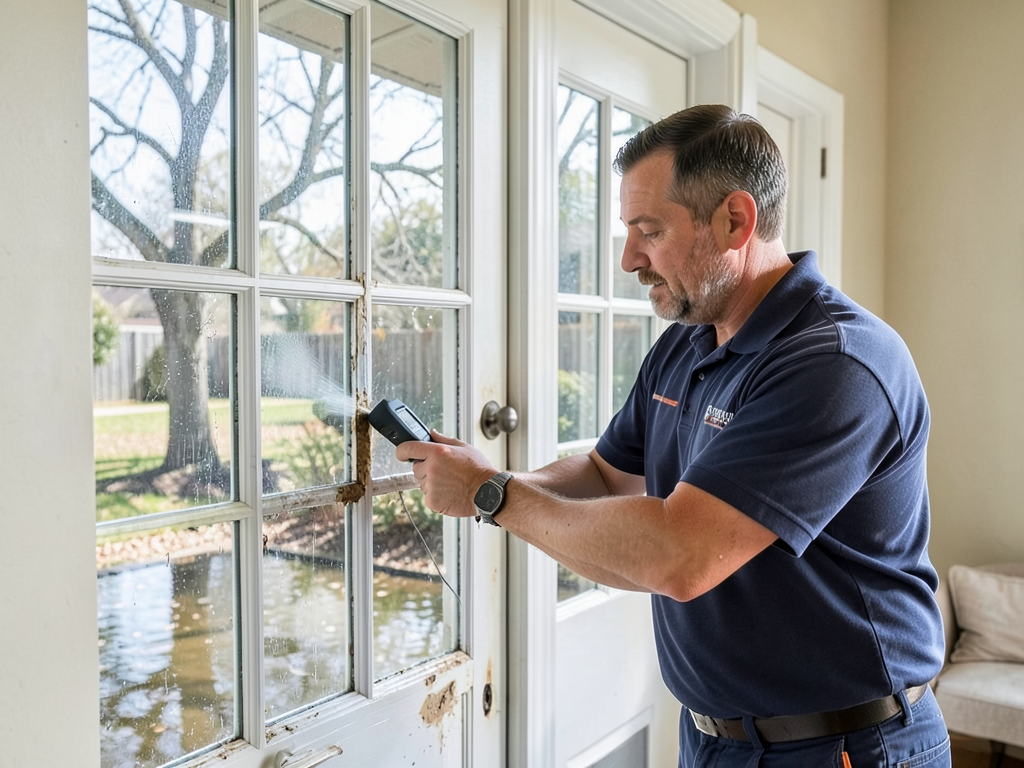
Dealing With Rainwater Ingress Under Your French Doors During a South Texas Windstorm Water seeping under your French doors during a San Antonio windstorm creates immediate panic. You see puddles forming on your hardwood floor…
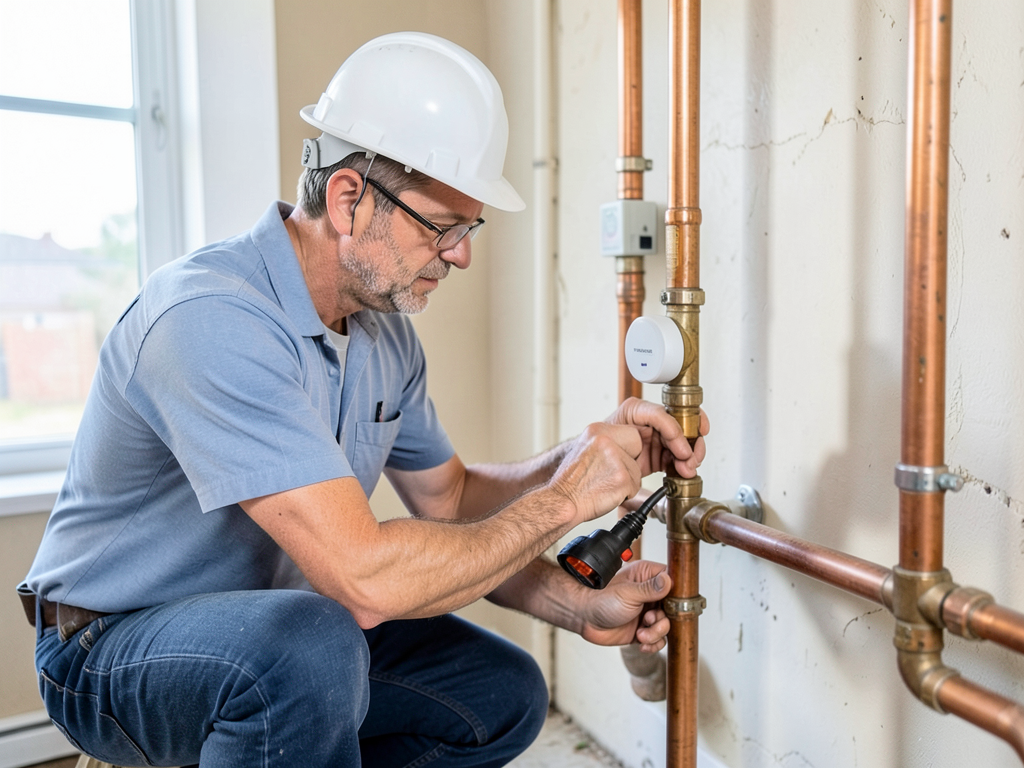
Comparing the Best Smart Leak Detectors for San Antonio Vacation Rentals San Antonio vacation rental…
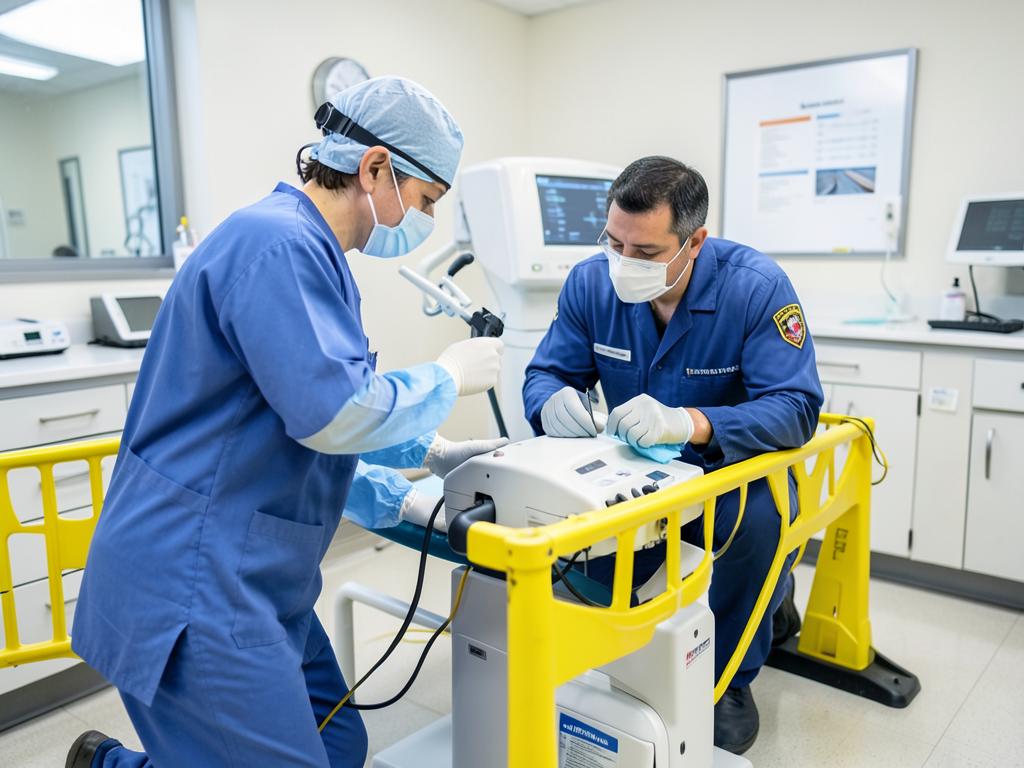
Choosing the Right Restoration Contractor for Medical and Dental Clinics in Oak Hills When water…
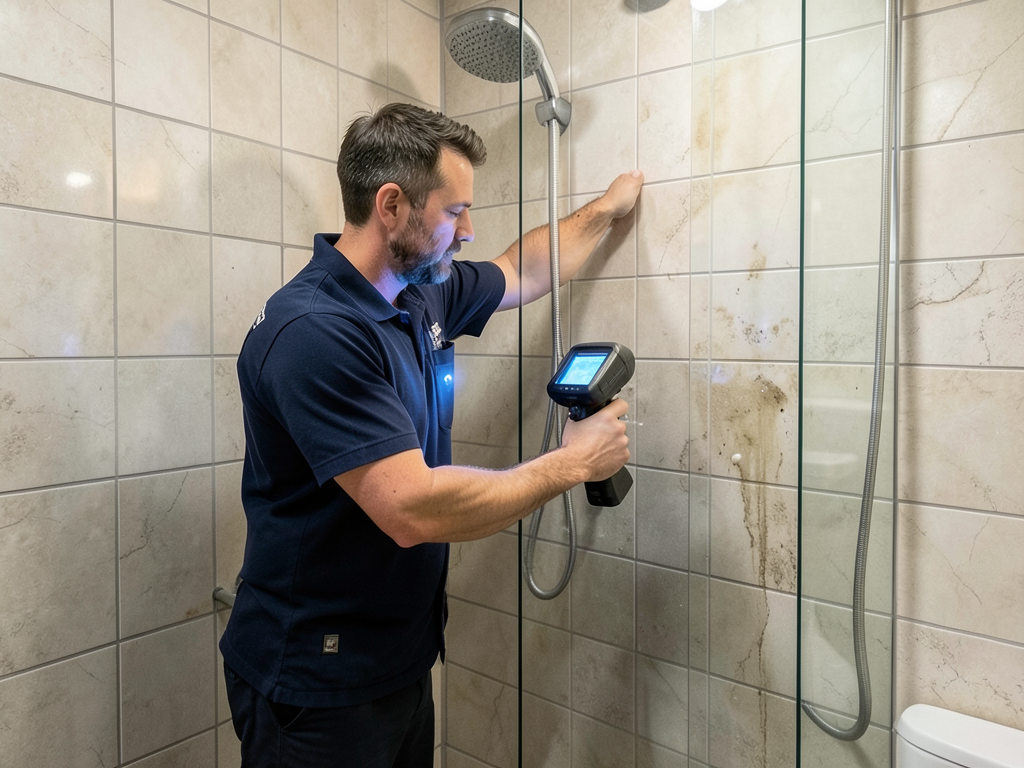
Why Your Custom Walk-In Shower in Hidden Forest is Leaking Behind the Tiles Hidden Forest…
Water spreads fast. Every hour without professional extraction and drying increases damage and costs. Call Titan Water Damage Restoration San Antonio now at (210) 390-5977 for immediate dispatch to your Live Oak property. Our crews arrive ready to work, and we handle your insurance claim from start to finish.