




Menu

How Long Does Drying Take After Water Damage in San Antonio | Expert Timeline Guidance from Assessment to Full Restoration

Understanding water damage drying time helps you plan and protect your property. Get accurate structural drying duration estimates based on San Antonio's unique climate conditions and the specific type of water intrusion affecting your home or business.

Slider Image 1
Slider Image 2
Slider Image 3
Slider Image 4
Slider Image 5
Slider Image 7
Slider Image 8
Slider Image 9
Slider Image 10
Slider Image 11

Why San Antonio's Climate Makes Drying Time Unpredictable

You need a straight answer about how long water restoration will take. The truth is that water damage drying time in San Antonio depends on factors most property owners never consider.

San Antonio's humid subtropical climate complicates the structural drying duration you can expect. Summer humidity levels regularly exceed 70 percent, which slows evaporation and extends the water restoration drying timeline significantly. A flooded room that might dry in three days in Arizona could take five to seven days here.

The Edwards Aquifer limestone beneath most of San Antonio creates another challenge. Water intrusion often seeps into porous limestone foundations, extending the time to dry out water damage by days or even weeks if the foundation is not addressed properly. Properties near the San Antonio River or Leon Creek face elevated groundwater tables that can reintroduce moisture during the drying process.

Your building materials matter too. Historic homes in King William or Monte Vista feature plaster walls and oak flooring that absorb water differently than modern drywall. Commercial properties with concrete slab foundations require different drying equipment and extended timelines compared to pier-and-beam structures common in older neighborhoods.

Temperature swings between day and night affect evaporation rates. A 20-degree drop after sunset slows moisture transfer from materials into the air, extending your drying process length.

The category of water damage changes everything. Clean water from a supply line dries faster than contaminated water from a toilet overflow or sewage backup, which requires sanitization before drying even begins. Category 3 water damage can add 48 to 72 hours to your restoration timeline.

Understanding these variables helps you set realistic expectations and avoid contractors who promise unrealistic completion dates.

Why San Antonio's Climate Makes Drying Time Unpredictable
How Professional Restoration Establishes Accurate Drying Timelines

How Professional Restoration Establishes Accurate Drying Timelines

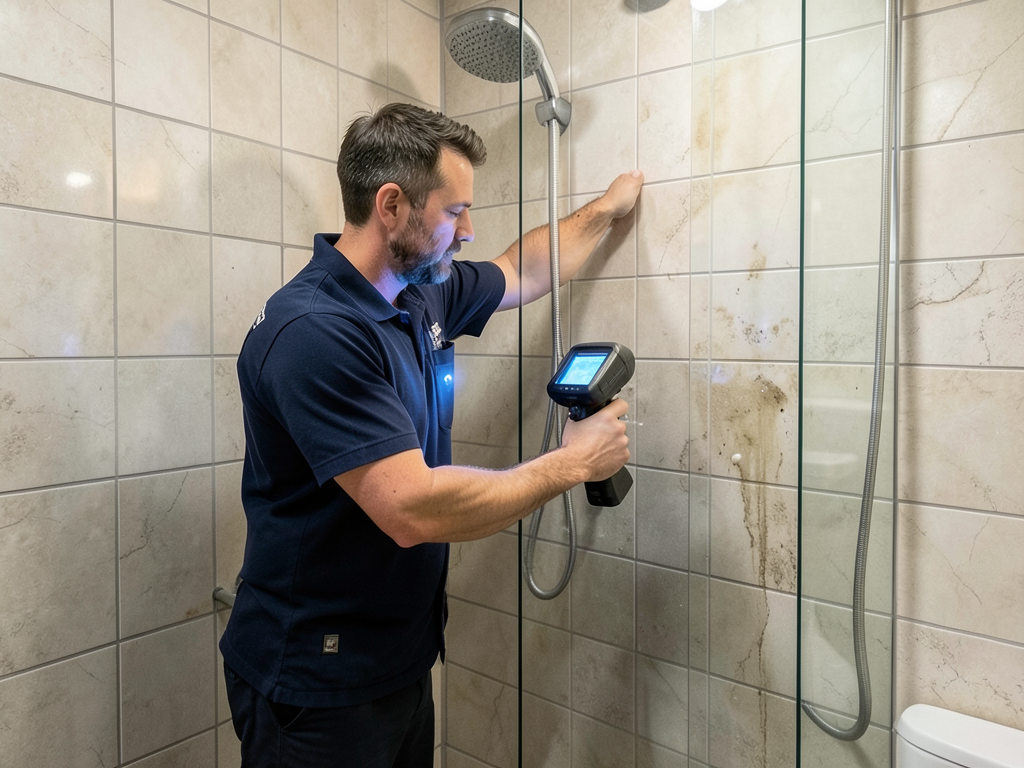
Guessing about water damage drying time costs you money and risks secondary damage like mold growth. Professional assessment using calibrated moisture meters and thermal imaging establishes the actual structural drying duration your property requires.

We measure moisture content in affected materials using penetrating and non-penetrating moisture meters. Drywall should read below 15 percent moisture content, while wood flooring must drop below 12 percent. These readings provide objective data instead of visual guesswork.

Psychrometric measurements determine the amount of moisture in your air compared to how much it can hold at current temperature and pressure. This calculation, called relative humidity, tells us how efficiently your space is releasing moisture. San Antonio's typical 65 to 75 percent outdoor humidity means we create controlled low-humidity environments using commercial dehumidifiers rather than relying on natural air exchange.

Thermal imaging cameras identify hidden moisture pockets behind walls, under flooring, and in ceiling cavities. Water migrates through building materials in ways you cannot see. A visible water stain might indicate saturation extending three feet beyond the damaged area. Missing these hidden moisture zones leads to mold outbreaks weeks after you think drying is complete.

Air movement calculations determine the number and placement of air movers needed to create proper evaporation. We calculate air changes per hour based on your room volume and saturation level. Inadequate air movement extends drying time. Excessive air movement wastes energy without improving results.

Material-specific drying chambers address hardwood floors, cabinets, and other high-value items. These controlled environments prevent warping and cracking while accelerating moisture removal.

Documentation throughout the drying process length protects you during insurance claims and proves work completion. Daily moisture readings create a data trail showing steady progress toward dry conditions.

What Happens During Your Property's Drying Timeline

How Long Does Drying Take After Water Damage in San Antonio | Expert Timeline Guidance from Assessment to Full Restoration
01

Initial Moisture Mapping

We document baseline moisture levels in all affected materials within two hours of arrival. Moisture meters test walls, floors, and subfloors at multiple points to create a saturation map. Thermal imaging identifies water migration paths and hidden damage. This data establishes your starting point and projected water restoration drying timeline. You receive a written assessment with photos showing exactly where moisture exists and which materials require monitoring throughout the drying process.
02

Equipment Deployment and Monitoring

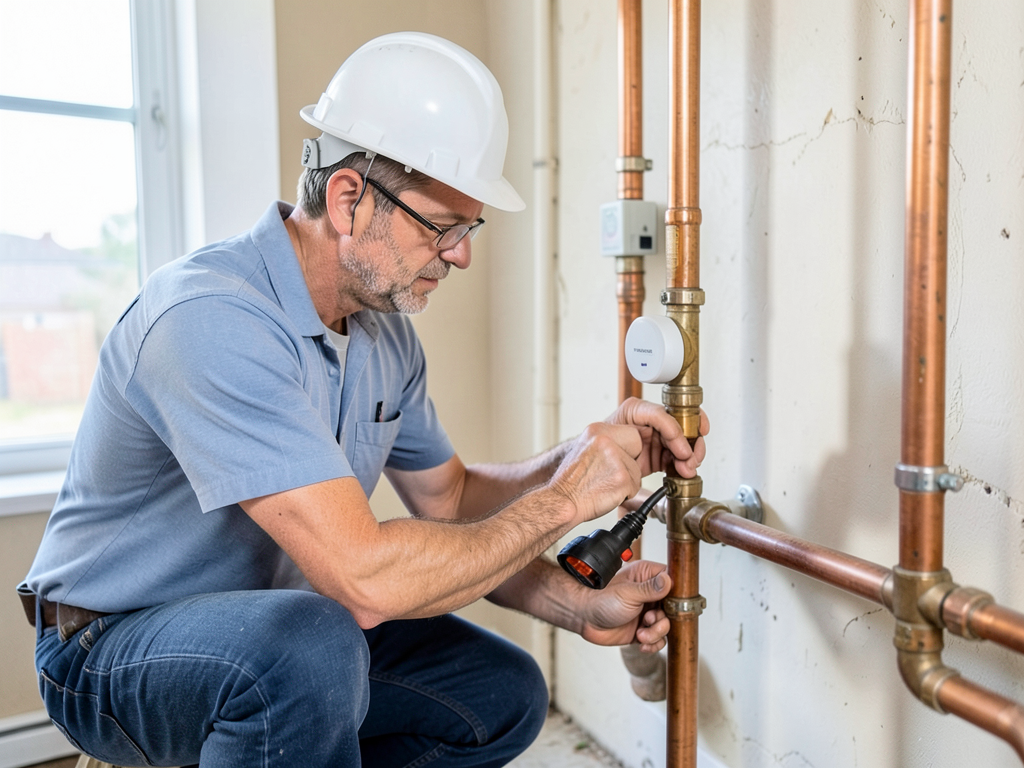
Commercial dehumidifiers and air movers begin extraction immediately after assessment. We position equipment based on airflow patterns and moisture concentration zones, not convenience. Dehumidifiers run continuously, removing 20 to 30 gallons of water daily from saturated spaces. Technicians visit every 24 to 48 hours to record moisture readings, empty dehumidifier tanks, and adjust equipment placement. You see measurable progress through daily logs showing moisture content dropping in each tested material throughout the structural drying duration.
03

Verification and Clearance

Drying is complete when moisture readings in all materials return to normal levels for San Antonio's climate. We take final measurements matching your initial assessment locations to prove full restoration. You receive documentation showing before and after readings, total time to dry out water damage, and confirmation that your property meets industry drying standards. Equipment removal happens only after you approve final readings. This verification process protects you from contractors who remove equipment prematurely to start the next job.

Why Local Experience Matters for Accurate Drying Estimates

National franchise estimators use software that cannot account for San Antonio's specific conditions. Their projected timelines fail because they ignore local factors that extend or accelerate drying.

Liberty Water Damage Restoration Riverside understands how San Antonio's limestone bedrock affects foundation moisture. We know which neighborhoods sit on clay soil that expands when wet, creating ongoing seepage issues during the drying process. Properties in Terrell Hills require different approaches than homes in Leon Valley due to elevation and drainage differences.

We factor in San Antonio's building code requirements and local construction methods. Pier-and-beam foundations common in Alamo Heights allow airflow beneath structures, speeding drying compared to slab foundations in newer developments. We adjust equipment and timelines accordingly.

Our technicians recognize building materials typical to San Antonio's different construction eras. Post-war homes feature different wall assemblies than 1920s bungalows or modern construction. Each requires specific drying techniques and realistic timeline expectations.

Insurance adjusters in San Antonio work with us regularly. They trust our moisture documentation and drying logs because we follow IICRC S500 standards consistently. This relationship speeds your claim approval and reduces disputes over drying timelines.

We stock equipment appropriate for San Antonio's climate. Our commercial dehumidifiers handle high humidity conditions that overwhelm residential units. We maintain backup equipment locally so mechanical failures never extend your water restoration drying timeline.

Our emergency response time averages 60 minutes across San Antonio's metro area. Faster response means earlier assessment and shorter overall drying process length. Companies dispatching crews from Austin or beyond add hours to your initial response, allowing water to migrate further into building materials.

You get realistic timelines based on actual local experience, not national averages that do not apply to San Antonio's unique conditions.

What You Can Expect During the Drying Process

Timeline Factors and Variables

Most residential water damage requires three to five days of active drying under normal conditions. Severe saturation or Category 3 contamination extends this to seven to ten days. Hardwood floor drying adds time because wood must dry slowly to prevent cupping and cracking. Concrete foundations can require two to three weeks for full moisture reduction. We provide daily updates showing moisture level changes so you track progress. You will know immediately if conditions require timeline adjustments. Weather events during drying can extend timelines if outdoor humidity spikes above 80 percent for multiple consecutive days.

Assessment and Documentation Process

Initial assessment takes 45 to 90 minutes depending on property size and damage extent. You receive a written moisture map with thermal images and specific moisture readings for each affected area. We explain which materials will dry successfully and which require replacement due to contamination or structural damage. Daily monitoring visits last 20 to 30 minutes. Technicians document new readings, photograph equipment placement, and answer your questions. Final clearance inspection repeats the initial assessment process to verify complete drying. All documentation transfers to you for insurance submission and future property records.

Final Results and Standards

Complete drying means moisture content returns to normal levels for San Antonio's climate, not zero moisture. Drywall should measure 12 to 15 percent, wood flooring 9 to 12 percent, and concrete 4 to 6 percent on deep penetration readings. Higher readings indicate incomplete drying and mold risk. Lower readings are impossible to maintain in San Antonio's humid environment. You receive written confirmation that your property meets IICRC S500 drying standards. Materials dried properly show no warping, buckling, or delamination. Paint and finishes remain intact where saturation was caught early. Proper drying eliminates musty odors completely without masking agents or deodorizers.

Post-Drying Monitoring and Prevention

We recommend moisture checks 7 and 14 days after equipment removal to verify moisture has not returned. This catches foundation seepage or hidden leaks missed during initial assessment. You learn to recognize early warning signs of water intrusion so future events get addressed immediately. We identify the failure point that caused your water damage and recommend permanent solutions. Burst supply lines need whole-house pressure regulation. Foundation seepage requires drainage improvements. Roof leaks need repair before restoration. Properties with recurring moisture issues benefit from humidity monitoring systems that alert you to changes before damage occurs. Prevention guidance is included with every restoration project.

Frequently Asked Questions

You Have Questions,
We Have Answers

How long does normal drying take? +

Water damage drying typically takes 3 to 5 days under controlled conditions. Structural materials like drywall, subflooring, and framing absorb water at different rates. In San Antonio's humid climate, especially during summer months, moisture evaporates slower without professional dehumidification. Concrete slabs common in local homes retain water longer than wood framing. Professionals use moisture meters to track progress in affected areas. Factors like ventilation, material type, and saturation depth impact timelines. Standing water removal happens within hours, but hidden moisture in wall cavities or insulation requires days of monitoring. Rushing the process invites mold growth within 24 to 48 hours.

Is 40 minutes enough for a dryer? +

This question applies to laundry dryers, not water damage restoration drying. For structural drying after water damage, 40 minutes means nothing. Water-damaged materials in San Antonio homes require continuous dehumidification and air circulation for days, not minutes. Professional water extraction equipment runs 24/7 to remove moisture from drywall, insulation, and subflooring. If you are asking about residential dryer performance after a leak damaged your laundry area, that points to a ventilation issue or appliance malfunction. Water damage restoration focuses on removing moisture from building materials to prevent structural failure and microbial growth, which takes substantially longer than any laundry cycle.

Is 30 minutes enough to dry clothes? +

Thirty minutes does not apply to water damage drying timelines. Structural drying after flooding or leaks in San Antonio properties takes multiple days with industrial equipment. If your question relates to laundry drying after water damage affected your utility room, that suggests your dryer vent may be clogged or moisture still exists in walls. Water restoration professionals focus on drying building materials like wood framing, drywall, and concrete foundations. These materials hold moisture deep within their structure. Even after visible water disappears, moisture meters detect hidden saturation that requires extended drying periods. Mold prevention depends on thorough moisture removal, not quick surface drying.

Why is my dryer taking 3 hours? +

If your clothes dryer runs three hours per load, check the exhaust vent for blockages or damage from recent water intrusion. San Antonio's high humidity can worsen dryer performance, but three-hour cycles indicate a mechanical problem. Lint buildup in vents reduces airflow and creates fire hazards. Water damage to walls may have crushed or disconnected vent ducting. For structural water damage drying, three hours represents a fraction of the required time. Professional restoration requires 72 to 120 hours of controlled drying with commercial dehumidifiers and air movers. Address appliance issues separately from water damage restoration to avoid confusion between the two processes.

Can overloading a dryer cause damage? +

Overloading any dryer strains the motor and drum bearings, reducing efficiency. For water damage restoration, overloading refers to saturating air movers or dehumidifiers beyond their capacity. In San Antonio properties with extensive flooding, attempting to dry large areas with inadequate equipment fails. Professionals calculate the grain depression and specific humidity to match equipment capacity to affected square footage. Overloading commercial dehumidifiers causes them to cycle inefficiently. Similarly, placing too many air movers in one room without proper placement strategy wastes energy. Proper equipment sizing prevents extended drying times and ensures moisture extraction meets industry standards for structural drying and mold prevention.

Is it cheaper to air dry or use a dryer? +

For laundry, air drying costs nothing but takes longer in San Antonio's humid climate. For water damage restoration, air drying without professional equipment invites disaster. Relying on natural evaporation after flooding allows mold colonies to establish within 24 to 48 hours. The cost of running commercial dehumidifiers and air movers for five days is minimal compared to mold remediation, structural repairs, or health issues from prolonged moisture exposure. Professionals extract moisture efficiently, preventing secondary damage to drywall, insulation, and wood framing. Attempting to save money by skipping proper drying equipment results in exponentially higher costs when mold spreads or floors buckle from trapped moisture.

How San Antonio's Limestone Foundation and Humidity Extend Water Damage Drying Time

The Edwards Aquifer limestone underlying most of San Antonio creates unique challenges for water damage drying time that property owners in other regions never face. Limestone is porous and absorbs water readily, meaning foundation saturation extends your structural drying duration significantly beyond surface damage. When water intrusion reaches your foundation, moisture wicks upward into walls through capillary action, creating hidden saturation zones that standard drying equipment misses. Properties near the Balcones Escarpment face additional complications from underground water movement through limestone fissures. This geological reality means accurate drying timelines require foundation moisture testing, not just surface measurements. Contractors unfamiliar with San Antonio's limestone bedrock consistently underestimate the time to dry out water damage because their experience comes from clay or sandy soil regions where water behaves differently.

San Antonio's average annual humidity of 68 percent makes professional moisture control essential for realistic water restoration drying timelines. Summer months regularly see humidity above 75 percent, which slows natural evaporation to a crawl and extends the drying process length substantially. Liberty Water Damage Restoration Riverside accounts for these local climate factors when establishing your timeline and equipment needs. We understand that San Antonio properties require more dehumidification capacity and longer run times than the same damage would need in drier climates. Our moisture documentation follows standards recognized by local insurance adjusters and meets San Antonio's building code requirements for moisture content before reconstruction begins. Choosing a restoration company with deep San Antonio experience means you get timelines based on actual local conditions, not national averages that leave your property vulnerable to mold growth and structural damage from premature equipment removal.
Water Damage Services in The San Antonio Area

We are proud to serve the entire San Antonio area. Our team is strategically located to ensure a rapid response to your location, no matter where you are. View our service area on the map to see if we cover your neighborhood, and please don't hesitate to reach out for immediate assistance. We're always here to help you navigate a water damage crisis with confidence and ease.

Address:
Titan Water Damage Restoration San Antonio, 5154 Broadway, San Antonio, TX, 78209

Additional Services We Offer

Our news updates

Latest Articles & News from The Blogs

What Exactly Happens Inside Your Walls During the First 24 Hours of a Leak \n\n Water damage inside your walls…

What Exactly Happens Inside Your Walls During the First 24 Hours of a Leak

What Exactly Happens Inside Your Walls During the First 24 Hours of a Leak \n\n Water damage inside your walls…

Why Waterproof Vinyl Plank Flooring Can Still Trap Moisture and Grow Mold

Why Waterproof Vinyl Plank Flooring Can Still Trap Moisture and Grow Mold Waterproof vinyl plank flooring seems like the perfect…

Simple Ways to Seal Your Windows Before the San Antonio Rainy Season Starts

Simple Ways to Seal Your Windows Before the San Antonio Rainy Season Starts San Antonio’s rainy season brings intense thunderstorms…

Contact Us

Stop guessing about your water damage drying time. Call Liberty Water Damage Restoration Riverside at (210) 390-5977 for professional moisture assessment and a realistic timeline based on your specific damage and San Antonio's climate conditions. We respond within the hour.