





Seguin sits in a flood-prone corridor where the Guadalupe River and Walnut Branch Creek converge, creating significant water intrusion risks during Central Texas storm season. Properties near Lake McQueeny and Lake Placid face additional threats from rising water tables and saturated soils that push moisture into foundations and crawlspaces.
The combination of blackland prairie clay soils and high humidity creates perfect conditions for rapid mold growth after water events. Clay soils expand when saturated, then contract during dry periods, creating foundation shifts that open pathways for water entry. Older homes in Historic Downtown Seguin and the Central Park neighborhood often have pier and beam foundations vulnerable to standing water underneath structures.
Summer monsoons dump inches of rain in minutes, overwhelming drainage systems along Highway 123 and Interstate 10 corridors. Flash flooding catches homeowners off guard, filling basements and ground floors before evacuation is possible. Properties in low-lying areas near Starcke Park and Max Starcke Dam experience repeated flooding that degrades building materials over time.
Texas Building Code requires specific moisture barriers and drainage systems, but many older Seguin properties were built before these standards existed. Without proper vapor barriers and French drain systems, water migrates through slabs and walls, creating hidden damage that compounds until structural failure occurs.
Titan Water Damage Restoration San Antonio operates as the rapid response team Seguin residents call when water threatens their property. We maintain equipment staging throughout Guadalupe County, allowing technicians to reach flooded properties within 90 minutes of dispatch. Speed determines outcome in water damage scenarios. Every hour of delay allows water to penetrate deeper into drywall, insulation, and structural members while mold spores activate in humid conditions.
Our technicians hold IICRC certifications in Water Damage Restoration and Applied Structural Drying, trained to assess moisture migration patterns through different building materials common to Seguin construction. We deploy thermal imaging cameras to map hidden water trapped inside wall cavities and under flooring, then calculate precise drying protocols based on humidity levels, temperature, and material porosity. This scientific approach prevents the inadequate drying that leads to mold remediation projects months later.
We work as direct billing partners with major insurance carriers, coordinating documentation and estimates to accelerate claim approval. Property owners face enough stress during water emergencies without fighting insurance adjusters over covered damages. Our teams photograph damage progression, document moisture readings, and provide detailed scope reports that satisfy carrier requirements while protecting your interests.
Titan Water Damage Restoration San Antonio operates with complete transparency on pricing and timelines. You receive written estimates before work begins, with clear explanations of what restoration involves and how long drying will take. We never disappear mid-project or surprise clients with additional charges. Properties get restored correctly the first time, backed by warranties on workmanship and materials.

Water damage accelerates every hour. Titan Water Damage Restoration San Antonio deploys teams to Seguin properties within 90 minutes, arriving with truck-mounted extraction equipment and industrial dehumidifiers to stop damage progression. Fast response prevents secondary damage that doubles restoration costs.

Our restoration specialists hold Institute of Inspection Cleaning and Restoration Certification credentials in water damage restoration and applied structural drying. This training ensures proper moisture mapping, equipment placement, and drying verification that prevents mold growth and structural failure after water events.
Titan Water Damage Restoration San Antonio works directly with insurance carriers to document damages, provide detailed estimates, and coordinate claim approval. We handle adjuster communications and paperwork while you focus on your family, eliminating the stress of fighting for covered repairs during emergencies.
We understand how Seguin's clay soils, river flooding patterns, and construction methods affect water damage scenarios. This local knowledge allows faster damage assessment and targeted restoration strategies that account for regional climate factors and building characteristics specific to Guadalupe County properties.
Titan Water Damage Restoration San Antonio provides full-spectrum water damage remediation for Seguin properties, from initial emergency water extraction through final repairs and reconstruction. Water damage restoration involves multiple specialized phases that must happen in precise sequence to prevent secondary damage and ensure complete drying.
Our services address every category of water intrusion, from clean water supply line breaks to contaminated floodwater containing sewage and debris. Each water source requires different safety protocols, extraction methods, and disposal procedures. Category 3 black water demands full containment and antimicrobial treatment, while Category 1 clean water allows faster drying and salvage of building materials.
We coordinate the entire restoration timeline, eliminating the confusion of hiring separate contractors for water removal, drying, mold prevention, and repairs. One team manages your project from emergency call through final walkthrough, ensuring consistent quality and communication. This integrated approach prevents the gaps in service that occur when multiple vendors pass responsibility between each other while damage worsens.
Whether you face burst pipes flooding a bathroom, storm water filling your basement, or sewage backup contaminating living spaces, Titan Water Damage Restoration San Antonio responds with appropriate equipment and protocols. Our technicians assess damage severity, develop restoration plans, and execute work that returns properties to pre-loss condition while protecting your health and investment.
When flooding strikes, minutes matter. Titan Water Damage Restoration San Antonio deploys truck-mounted extraction units and portable pumps to remove standing water from structures. We extract water from carpets, padding, and flooring, then remove saturated materials that cannot be salvaged. Thermal imaging identifies hidden water trapped in wall cavities and under slabs. Emergency board-up services protect properties from weather exposure and unauthorized entry while restoration proceeds.
After extraction, structural drying removes moisture trapped in building materials. We position commercial air movers and refrigerant dehumidifiers to create controlled drying environments, monitoring moisture levels daily with penetrating meters. Drying protocols account for material type, ambient humidity, and temperature to prevent warping, buckling, and mold activation. Services include controlled demolition to access wet insulation and structural members. Complete drying takes three to seven days depending on saturation levels and materials involved.
Once structures dry completely, Titan Water Damage Restoration San Antonio rebuilds damaged areas to pre-loss condition. We replace drywall, insulation, flooring, trim, and fixtures removed during water damage mitigation. Services include painting, texture matching, and finish carpentry that blends repairs seamlessly with existing construction. We coordinate plumbing and electrical repairs when water damages building systems, managing subcontractors and inspections to deliver turnkey restoration without requiring homeowners to juggle multiple vendors.
Seguin's location in the Guadalupe River basin creates persistent water damage risks that strike properties throughout the year. Understanding these common failure points helps homeowners respond quickly when water intrusion occurs. The faster you identify and address water damage, the lower restoration costs become and the less likely you face mold remediation expenses.
Older properties in established Seguin neighborhoods face compounding risks from aging plumbing systems, deteriorating foundation drainage, and outdated construction methods that predate modern moisture barriers. Homes built before 1980 often lack proper vapor barriers under slabs and adequate exterior grading to direct water away from foundations. These deficiencies create chronic moisture problems that manifest during heavy rain events.
New construction near Lake McQueeny and expanding developments east of Interstate 10 face different challenges. Disturbed soils take years to settle properly, creating foundation movement that cracks slabs and separates plumbing connections. Construction defects in flashing, siding installation, and window sealing allow water penetration that goes unnoticed until interior damage appears.
Commercial properties along Highway 123 and business districts near downtown Seguin experience water damage from roof failures, HVAC condensate problems, and storm drainage overwhelm during flash flooding. Flat commercial roofs accumulate standing water that finds any penetration point, while aging drain systems cannot handle modern storm intensity.
Properties near the Guadalupe River, Walnut Branch Creek, and Geronimo Creek flood repeatedly during heavy rain events. Rising water enters through foundation vents, basement windows, and ground-level doors. Floodwater contains contamination requiring complete sanitization and disposal of porous materials. Repeated flooding degrades foundations and creates persistent moisture problems requiring ongoing monitoring and remediation.
Aging galvanized pipes and polybutylene supply lines fail without warning, flooding homes with hundreds of gallons. Water heater ruptures dump 40 to 80 gallons into surrounding spaces. Toilet supply line failures and washing machine hose bursts occur when homeowners are away, allowing water to run for hours. These failures saturate flooring, drywall, and insulation requiring extensive drying and reconstruction.
Severe thunderstorms damage roofing materials and flashing, allowing water to penetrate attics and wall cavities. Wind-driven rain overwhelms aging roofs, pooling in low spots until it finds entry points. Hail damage creates immediate leaks and long-term vulnerabilities. Water travels along roof decking and wall studs before appearing as ceiling stains, hiding the true extent of saturation.
High water tables and saturated clay soils push moisture through foundation walls and slabs during wet seasons. Hydrostatic pressure forces water through microscopic cracks, creating damp basements and crawlspaces. Poor exterior grading directs roof runoff toward foundations instead of away from structures. Sump pump failures during power outages allow basements to flood completely, saturating finished spaces and mechanical systems.
When water threatens your Seguin property, you need clarity about what happens next. Titan Water Damage Restoration San Antonio follows structured protocols that eliminate confusion and keep restoration moving forward without delays. You receive direct communication about timeline, progress, and any complications that develop during drying or reconstruction.
Our process begins the moment you call. Dispatch coordinates immediate team deployment while gathering critical information about water source, affected areas, and safety concerns. You receive estimated arrival time and initial guidance about shutting off water supplies or electricity if safety risks exist. This preliminary consultation starts damage control before technicians arrive on site.
Once teams reach your property, you stay informed through every phase. Technicians explain assessment findings, show you moisture mapping results, and walk through the restoration plan before equipment deployment. You understand what work happens each day, how long drying takes, and what the property will look like when restoration completes. We document everything with photos and detailed notes that support insurance claims and provide records for future property transactions.
Communication continues throughout the project. You receive daily updates on moisture readings and drying progress. Any changes to scope or timeline get explained immediately with clear reasoning. Titan Water Damage Restoration San Antonio operates with complete transparency because water damage creates enough stress without wondering what's happening with your property.
Teams arrive within 90 minutes to assess damage severity and begin water extraction. Technicians inspect the full property to map water migration patterns, identify safety hazards, and determine restoration scope. You receive verbal explanation of findings, recommended actions, and estimated timeline. Emergency extraction begins immediately to stop damage progression while formal estimates are prepared for insurance submission.
We photograph damage from multiple angles, document moisture readings in affected materials, and prepare detailed scope reports that satisfy insurance carrier requirements. You receive copies of all documentation for your records. Our team contacts your insurance carrier directly to report the claim, answer adjuster questions, and coordinate inspection scheduling. This eliminates the back-and-forth communication burden while ensuring complete damage documentation.
Restoration completes only after moisture readings confirm complete drying and repairs meet quality standards. We conduct final walkthroughs with homeowners, explaining what work occurred and answering any questions about materials or methods used. You receive warranty documentation covering workmanship and installed materials. Properties return to pre-loss condition, backed by our commitment to quality and proper restoration protocols.
Titan Water Damage Restoration San Antonio follows a proven sequence that stops damage, removes moisture completely, and rebuilds affected areas. This structured approach prevents the incomplete drying and premature reconstruction that leads to mold growth and structural failure.
Teams arrive with truck-mounted extraction equipment to remove standing water from structures. We extract water from carpets, flooring, and saturated materials, then remove unsalvageable items. Technicians deploy air movers and dehumidifiers to begin drying immediately. Safety hazards get addressed first, including electrical disconnection if necessary. Emergency board-up protects properties from weather exposure. You receive verbal damage assessment and restoration timeline within the first hour.
Commercial dehumidifiers and air movers run continuously to pull moisture from building materials. Technicians monitor progress daily with moisture meters, adjusting equipment placement to optimize drying. We document moisture readings at multiple locations, tracking drying curves until readings reach acceptable levels. This phase takes three to seven days depending on saturation depth and materials affected. Controlled demolition exposes hidden moisture in wall cavities and under flooring.
Once structures dry completely, reconstruction begins. We replace drywall, insulation, flooring, and trim removed during mitigation. Painting matches existing finishes and textures blend seamlessly with undamaged areas. Plumbing and electrical systems are repaired or replaced if water caused damage. Final walkthrough confirms quality and completeness. You receive warranty documentation and maintenance recommendations to prevent future water damage problems.
Professional water damage restoration follows strict protocols defined by the Institute of Inspection Cleaning and Restoration Certification. These standards classify water damage by contamination level and prescribe specific remediation procedures for each category. Understanding these classifications helps property owners recognize when DIY cleanup is inadequate and when professional remediation becomes necessary to protect health and property value.
Category 1 water originates from sanitary sources like supply lines, toilet tanks, and appliance connections. This clean water poses minimal contamination risk if addressed within 48 hours. Category 2 gray water contains chemical, biological, or physical contamination from sources like dishwasher discharge, washing machine overflow, or toilet overflow with urine but no feces. Gray water requires antimicrobial treatment and disposal of porous materials that absorbed contaminated water. Category 3 black water is grossly contaminated, containing sewage, rising floodwater, or stagnant water supporting bacterial growth. Black water demands complete containment, full PPE for technicians, and disposal of all porous materials contacted by contaminated water.
Water damage also gets classified by evaporation rate and affected materials. Class 1 involves minimal absorption into materials with slow evaporation. Class 2 affects entire rooms with significant moisture absorption into structural materials. Class 3 involves fastest evaporation rates with water coming from overhead, saturating walls, ceilings, insulation, and structural elements. Class 4 specialty drying addresses deeply bound water in materials like hardwood, concrete, and stone that require extended drying periods with specialized equipment.
Texas Occupations Code Title 8 governs mold remediation when water damage leads to visible growth or air quality concerns. Properties with mold growth exceeding 25 contiguous square feet require licensed mold remediation contractors and specific containment, removal, and disposal protocols. Titan Water Damage Restoration San Antonio maintains proper licensing for mold remediation work that often accompanies water damage restoration in Seguin's humid climate.
Proper restoration prevents long-term problems that develop when water remains trapped in building cavities. Wood structural members begin rotting within weeks of sustained moisture exposure. Metal fasteners corrode, weakening connections between framing elements. Drywall loses structural integrity and becomes friable, unable to support finishes or resist impact. These hidden damages compound until visible failure occurs, requiring far more extensive reconstruction than immediate proper drying would have cost.
Titan Water Damage Restoration San Antonio follows IICRC S500 Water Damage Restoration standards that define proper moisture mapping, drying protocols, and completion verification. These standards ensure complete moisture removal and prevent conditions that support mold growth. Compliance protects property value and occupant health while satisfying insurance carrier requirements for covered restoration work.
Water damage restoration costs depend on water category, affected square footage, saturation depth, and materials requiring replacement. Category 3 black water costs more due to disposal requirements and antimicrobial treatment. Hardwood floor drying costs more than carpet extraction. Estimates account for equipment rental duration, labor hours, disposal fees, and reconstruction materials. Insurance typically covers sudden water damage from plumbing failures and weather events.
Complete structural drying takes three to seven days for typical residential water damage affecting multiple rooms. Drying time depends on saturation depth, material porosity, ambient humidity, and airflow. Dense materials like hardwood and plaster require longer drying than drywall and carpet. High humidity and low temperatures extend drying time. Daily moisture monitoring confirms when materials reach acceptable dryness levels before reconstruction begins.
Mold spores activate within 24 to 48 hours in moisture-saturated materials. Preventing mold requires rapid water extraction, immediate dehumidification, and complete drying before reconstruction. We apply antimicrobial treatments to affected surfaces and monitor humidity levels throughout drying. Materials that cannot be dried within 72 hours get removed to prevent hidden mold growth inside wall cavities and under flooring.
Educational video explaining the complete water damage restoration process for Seguin, Texas property owners. Covers emergency response protocols, structural drying procedures, mold prevention, insurance coordination, and reconstruction phases. Features information about local flood risks from Guadalupe River, Lake McQueeny drainage, and clay soil moisture problems common to Seguin properties. Explains IICRC water damage restoration standards and Texas building code requirements for proper remediation.
Titan Water Damage Restoration San Antonio provides emergency water damage services throughout Seguin and surrounding Guadalupe County areas. Our response coverage extends from Lake McQueeny and Lake Placid waterfront properties to historic downtown Seguin neighborhoods, ensuring rapid deployment regardless of location.
Properties in the Central Park and Chaparral neighborhoods near downtown Seguin face water damage risks from aging infrastructure and mature tree roots infiltrating sewer lines. These established areas contain homes built between 1950 and 1980 with original plumbing systems approaching end of service life. Cast iron drain lines corrode from inside, while galvanized supply pipes develop pinhole leaks that flood wall cavities before homeowners notice problems. We understand the construction methods and materials common to these vintage Seguin homes, allowing faster diagnosis and targeted restoration strategies.
The growing residential areas east of Interstate 10 and along Highway 123 toward New Braunfels present different challenges. New construction faces settling issues as disturbed soils compress over several years, creating foundation movement that stresses plumbing connections. These newer developments often have complex drainage systems that require proper maintenance to prevent backup flooding during severe storms. Properties near Nolte and Zuehl experience rapid development that can overwhelm existing drainage infrastructure during flash flooding events.
Lake McQueeny and Lake Placid waterfront properties require specialized restoration approaches due to elevated flood risk and potential contamination from rising lake water. These areas flood during heavy rain events when upstream rainfall raises lake levels rapidly. Contaminated floodwater requires complete sanitization and disposal of porous materials, making restoration more extensive than clean water damage from plumbing failures. We maintain equipment and expertise to handle Category 3 black water restoration common in flood-prone areas.
Commercial properties along Highway 123, Business 123, and the Court Street business district face unique water damage scenarios. Flat commercial roofs accumulate standing water that penetrates through aging roof membranes and deteriorating flashing. Large HVAC systems produce significant condensate that can flood interior spaces when drain lines clog or disconnect. Retail spaces and offices require after-hours restoration work to minimize business disruption, scheduling we accommodate to keep Seguin businesses operating.
Rural properties in the greater Guadalupe County area around Geronimo, McQueeney, and Marion face extended response times from most restoration companies. Titan Water Damage Restoration San Antonio maintains service commitment to these outlying areas, recognizing that water damage creates equal urgency regardless of location. Properties on larger acreage often have well systems and septic fields that complicate water damage scenarios, requiring knowledge of rural infrastructure and drainage patterns.
Water damage restoration in Seguin TX takes 3-7 days for most residential projects. Minor water damage from a small leak takes 2-3 days. Extensive flooding or structural damage needs 5-7 days or longer. The timeline depends on several factors. These include the water source, affected square footage, and material types. Hardwood floors and drywall take longer to dry than tile. Your restoration company will provide a specific timeline after the initial inspection. Complete drying before reconstruction prevents mold growth and structural issues.
Water damage restoration expenses in Seguin depend on the damage severity and affected area size. Minor issues involving one room cost less than whole-home flooding. Several factors affect pricing. Water category matters. Clean water costs less to remove than sewage. Extraction, drying, sanitizing, and reconstruction each add to the total. Your restoration company provides a detailed estimate after inspecting your property. Many companies work directly with insurance providers to streamline the payment process and reduce your out-of-pocket expenses.
Most homeowners insurance policies in Seguin TX cover sudden and accidental water damage. This includes burst pipes, appliance malfunctions, and storm damage. Insurance typically does not cover gradual damage from neglected maintenance or flooding from natural disasters. Flood damage requires separate flood insurance. Review your policy to understand your coverage limits and deductibles. Document all damage with photos and videos. Contact your insurance company immediately after discovering water damage. Your restoration company helps navigate the claims process and provides necessary documentation.
Water damage restoration in Seguin TX takes 3-7 days for most residential projects. Minor water damage from a small leak takes 2-3 days. Extensive flooding or structural damage needs 5-7 days or longer. The timeline depends on several factors. These include the water source, affected square footage, and material types. Hardwood floors and drywall take longer to dry than tile. Your restoration company will provide a specific timeline after the initial inspection. Complete drying before reconstruction prevents mold growth and structural issues.
Water damage restoration expenses in Seguin depend on the damage severity and affected area size. Minor issues involving one room cost less than whole-home flooding. Several factors affect pricing. Water category matters. Clean water costs less to remove than sewage. Extraction, drying, sanitizing, and reconstruction each add to the total. Your restoration company provides a detailed estimate after inspecting your property. Many companies work directly with insurance providers to streamline the payment process and reduce your out-of-pocket expenses.
Most homeowners insurance policies in Seguin TX cover sudden and accidental water damage. This includes burst pipes, appliance malfunctions, and storm damage. Insurance typically does not cover gradual damage from neglected maintenance or flooding from natural disasters. Flood damage requires separate flood insurance. Review your policy to understand your coverage limits and deductibles. Document all damage with photos and videos. Contact your insurance company immediately after discovering water damage. Your restoration company helps navigate the claims process and provides necessary documentation.
You need emergency water damage restoration in Seguin when water actively flows into your home or building. Call immediately for burst pipes, severe storms, sewage backups, or appliance failures. Standing water deeper than one inch requires urgent attention. You also need emergency service if water affects electrical systems, weakens structural elements, or soaks insulation. Quick action within 24-48 hours prevents mold growth and reduces repair expenses. Even small leaks need prompt attention to prevent hidden damage inside walls and floors.
Hidden water damage in Seguin homes shows several warning signs. Look for musty odors in rooms, closets, or basements. Water stains on ceilings and walls appear as yellow or brown discoloration. Peeling or bubbling paint indicates moisture behind surfaces. Warped or buckling floors signal water underneath. Check for soft spots in walls and floors. Increased humidity and condensation on windows suggest excess moisture. Mold growth in corners or along baseboards confirms water problems. Higher water bills without increased usage point to hidden leaks.
Staying in your Seguin home during water damage restoration depends on the damage extent and location. Minor damage confined to one room often allows you to remain home. Extensive damage affecting multiple rooms or essential areas like kitchens and bathrooms makes staying difficult. You must leave if water damage creates safety hazards. These include electrical risks, structural instability, or sewage contamination. Mold growth also requires temporary relocation. Your restoration company assesses safety conditions and recommends whether you should stay or find temporary housing.
Call a water damage restoration company in Seguin TX within the first hour of discovering damage. Water spreads quickly through floors, walls, and contents. The first 24 hours are critical for preventing permanent damage and mold growth. Mold spores begin growing within 24-48 hours in moist conditions. Waiting longer increases repair expenses and damage severity. Materials like drywall and insulation absorb water fast. Wood floors warp and buckle within hours. Quick response minimizes loss and shortens restoration time. Keep emergency restoration numbers saved in your phone.
Water damage restoration companies in Seguin use professional-grade equipment for effective drying. Industrial water extractors remove standing water from floors and carpets. Commercial dehumidifiers pull moisture from the air and materials. Air movers create airflow to speed evaporation. Moisture meters measure water content in walls, floors, and ceilings. Infrared cameras detect hidden moisture behind surfaces. HEPA air scrubbers remove contaminants and mold spores. Technicians use injection drying systems for hardwood floors. This specialized equipment works faster and more thoroughly than household fans and dehumidifiers.
Prevent mold after water damage in Seguin TX by acting within 24-48 hours. Remove standing water immediately with pumps or extractors. Dry affected areas completely using fans and dehumidifiers. Remove wet materials like carpet padding, insulation, and damaged drywall. These items hold moisture and promote mold growth. Increase air circulation by opening windows when outdoor humidity is low. Clean all surfaces with antimicrobial solutions. Monitor humidity levels and keep them below 50%. Professional restoration companies use industrial equipment to ensure complete drying and prevent mold development.
The water damage restoration process in Seguin follows specific steps. First, technicians inspect your property and assess damage severity. They classify the water type and identify affected materials. Next, they extract standing water using pumps and vacuums. Then, they place drying equipment like dehumidifiers and air movers throughout affected areas. Technicians monitor moisture levels daily until materials dry completely. They clean and sanitize all surfaces to prevent mold and bacteria. Finally, they complete repairs and reconstruction. This includes replacing drywall, flooring, and damaged structures. The entire process restores your home to pre-damage condition.
You need emergency water damage restoration in Seguin when water actively flows into your home or building. Call immediately for burst pipes, severe storms, sewage backups, or appliance failures. Standing water deeper than one inch requires urgent attention. You also need emergency service if water affects electrical systems, weakens structural elements, or soaks insulation. Quick action within 24-48 hours prevents mold growth and reduces repair expenses. Even small leaks need prompt attention to prevent hidden damage inside walls and floors.
Hidden water damage in Seguin homes shows several warning signs. Look for musty odors in rooms, closets, or basements. Water stains on ceilings and walls appear as yellow or brown discoloration. Peeling or bubbling paint indicates moisture behind surfaces. Warped or buckling floors signal water underneath. Check for soft spots in walls and floors. Increased humidity and condensation on windows suggest excess moisture. Mold growth in corners or along baseboards confirms water problems. Higher water bills without increased usage point to hidden leaks.
Staying in your Seguin home during water damage restoration depends on the damage extent and location. Minor damage confined to one room often allows you to remain home. Extensive damage affecting multiple rooms or essential areas like kitchens and bathrooms makes staying difficult. You must leave if water damage creates safety hazards. These include electrical risks, structural instability, or sewage contamination. Mold growth also requires temporary relocation. Your restoration company assesses safety conditions and recommends whether you should stay or find temporary housing.
Call a water damage restoration company in Seguin TX within the first hour of discovering damage. Water spreads quickly through floors, walls, and contents. The first 24 hours are critical for preventing permanent damage and mold growth. Mold spores begin growing within 24-48 hours in moist conditions. Waiting longer increases repair expenses and damage severity. Materials like drywall and insulation absorb water fast. Wood floors warp and buckle within hours. Quick response minimizes loss and shortens restoration time. Keep emergency restoration numbers saved in your phone.
Water damage restoration companies in Seguin use professional-grade equipment for effective drying. Industrial water extractors remove standing water from floors and carpets. Commercial dehumidifiers pull moisture from the air and materials. Air movers create airflow to speed evaporation. Moisture meters measure water content in walls, floors, and ceilings. Infrared cameras detect hidden moisture behind surfaces. HEPA air scrubbers remove contaminants and mold spores. Technicians use injection drying systems for hardwood floors. This specialized equipment works faster and more thoroughly than household fans and dehumidifiers.
Prevent mold after water damage in Seguin TX by acting within 24-48 hours. Remove standing water immediately with pumps or extractors. Dry affected areas completely using fans and dehumidifiers. Remove wet materials like carpet padding, insulation, and damaged drywall. These items hold moisture and promote mold growth. Increase air circulation by opening windows when outdoor humidity is low. Clean all surfaces with antimicrobial solutions. Monitor humidity levels and keep them below 50%. Professional restoration companies use industrial equipment to ensure complete drying and prevent mold development.
The water damage restoration process in Seguin follows specific steps. First, technicians inspect your property and assess damage severity. They classify the water type and identify affected materials. Next, they extract standing water using pumps and vacuums. Then, they place drying equipment like dehumidifiers and air movers throughout affected areas. Technicians monitor moisture levels daily until materials dry completely. They clean and sanitize all surfaces to prevent mold and bacteria. Finally, they complete repairs and reconstruction. This includes replacing drywall, flooring, and damaged structures. The entire process restores your home to pre-damage condition.
We are proud to serve the entire San Antonio area. Our team is strategically located to ensure a rapid response to your location, no matter where you are. View our service area on the map to see if we cover your neighborhood, and please don't hesitate to reach out for immediate assistance. We're always here to help you navigate a water damage crisis with confidence and ease.
Address:
Seguin, TX, 78155
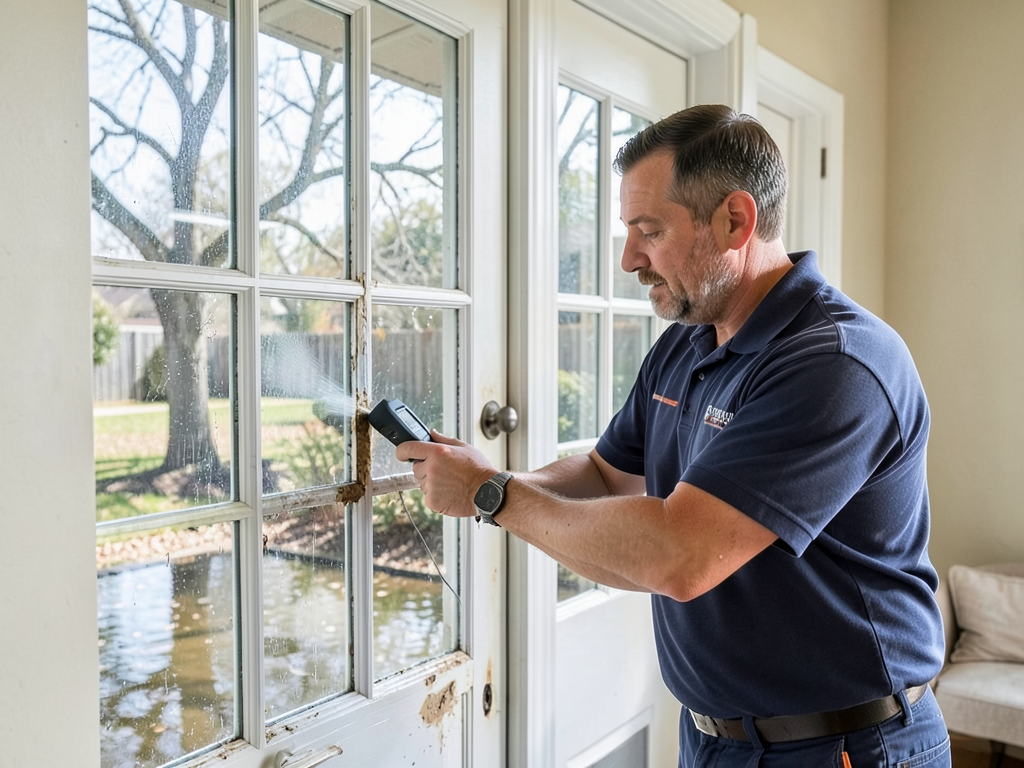
Dealing With Rainwater Ingress Under Your French Doors During a South Texas Windstorm Water seeping under your French doors during a San Antonio windstorm creates immediate panic. You see puddles forming on your hardwood floor…

Comparing the Best Smart Leak Detectors for San Antonio Vacation Rentals San Antonio vacation rental…
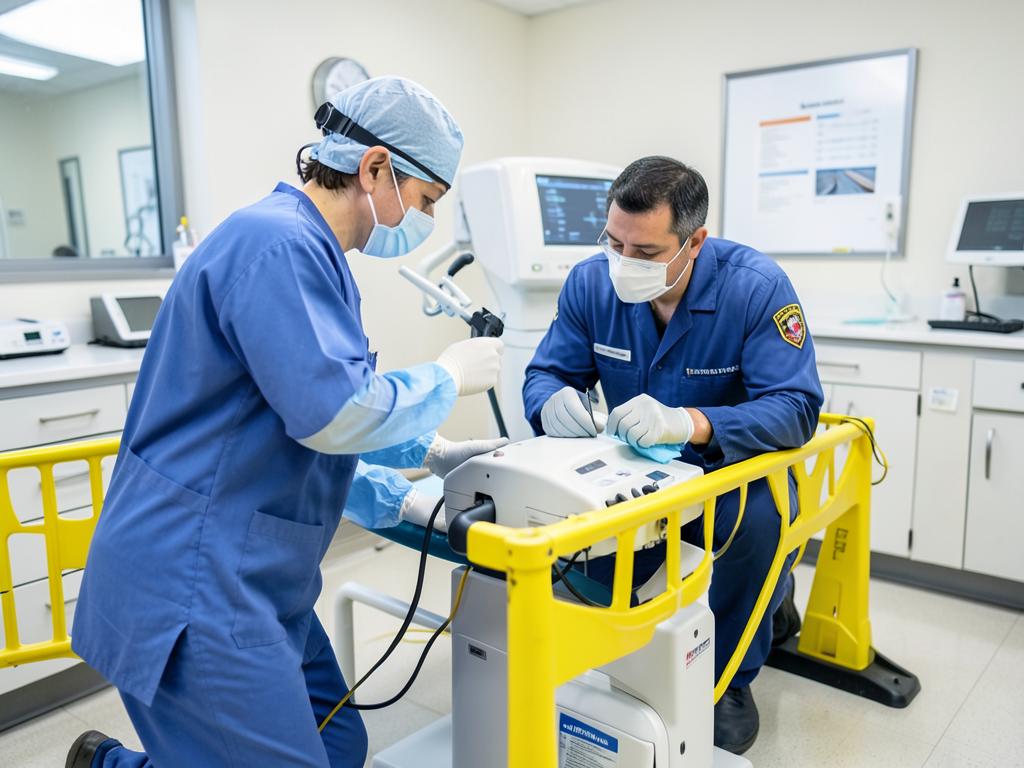
Choosing the Right Restoration Contractor for Medical and Dental Clinics in Oak Hills When water…
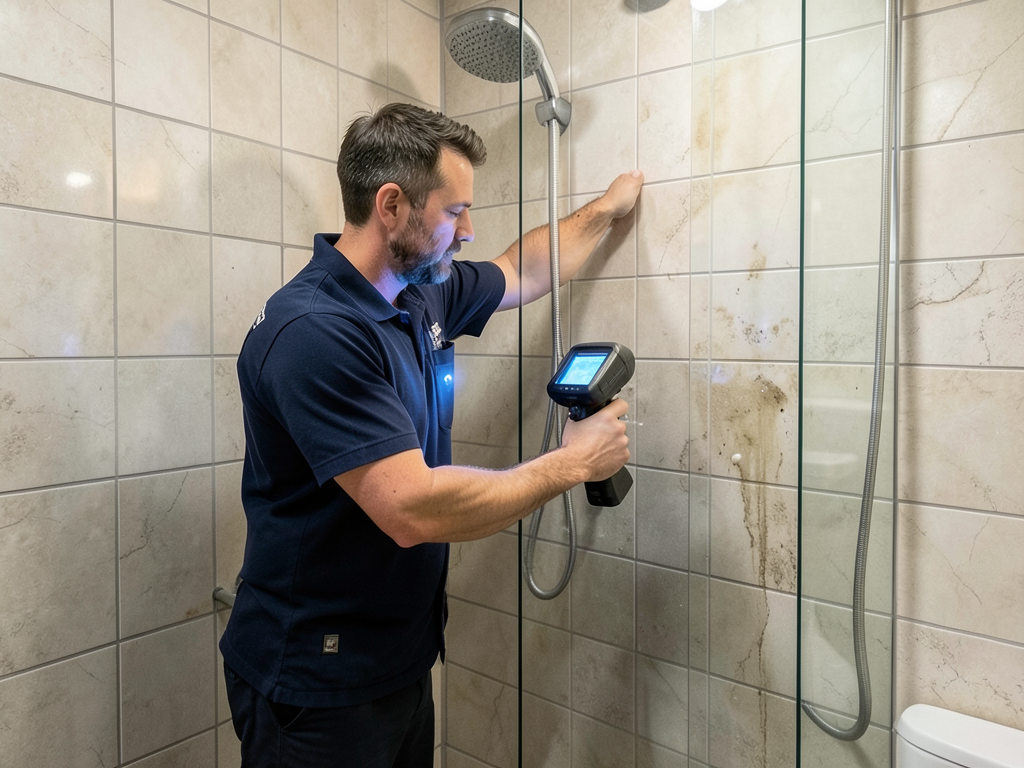
Why Your Custom Walk-In Shower in Hidden Forest is Leaking Behind the Tiles Hidden Forest…
Water damage spreads fast. Every hour of delay increases restoration costs and mold risk. Call Titan Water Damage Restoration San Antonio at (210) 390-5977 for immediate dispatch and expert water damage remediation throughout Seguin and Guadalupe County.