





Alamo Heights sits on expansive clay soil that shifts dramatically between Texas drought and downpour cycles. When the ground swells after heavy rain, foundation slabs crack and shift. Aging cast iron plumbing in older Terrell Hills and Olmos Park homes corrodes from the inside. Summer heat stress causes water heater failures. Flash flooding from Olmos Basin overwhelms storm drains along Broadway and sends runoff into basements and crawl spaces.
Historic properties built in the 1920s through 1950s were not designed for modern water pressure or appliance loads. Original plumbing systems face constant stress. Air conditioning condensate lines clog in attics during cooling season, dumping gallons into ceiling cavities before homeowners notice stains. Clay tile roofs develop micro-cracks that channel water into wood decking during our intense thunderstorm season.
Water damage in Alamo Heights escalates fast. Humidity above 60 percent creates mold growth within 48 hours. Hardwood floors cup and warp. Drywall wicks moisture up walls. Insulation becomes saturated and collapses. What starts as a small leak becomes a five-figure restoration job if not addressed immediately. Response time determines whether you face a cleanup or a complete rebuild.
Titan Water Damage Restoration San Antonio operates four dispatch zones covering greater Alamo Heights, keeping response times under 60 minutes even during peak storm events. Our technicians carry IICRC Water Damage Restoration certification and complete annual training on extraction protocols, structural drying science, and microbial remediation standards. We invest in truck-mounted extraction units that remove standing water five times faster than portable shop vacs, which matters when you are racing the clock to prevent secondary damage.
We work directly with every major insurance carrier serving Alamo Heights. Our estimators document losses using Xactimate software, the same platform adjusters use, which eliminates disputes over scope and pricing. We photograph everything, map moisture readings, and provide detailed drying logs that satisfy even the most demanding claims reviewers. Your adjuster gets a professional packet that moves your claim through processing without delays.
Unlike franchises that subcontract work to untrained crews, Titan employs restoration technicians year-round. The same team that answers your 2 a.m. emergency call performs the work. No handoffs. No miscommunication. We own our industrial dehumidifiers, air movers, negative air machines, and thermal imaging cameras. When equipment sits idle between jobs, we maintain cash flow through commercial contracts, not by upselling residential customers on unnecessary services.
Our project managers walk you through the entire timeline before we start. You know what to expect each day, when areas will be accessible again, and what the final invoice will show. We return properties to pre-loss condition or better, which means matching paint sheens, replacing padding under carpet, and ensuring no trace of the event remains.

Four response teams cover Alamo Heights 24/7/365 with guaranteed arrival within 60 minutes of your call. We dispatch the closest available crew with truck-mounted extraction gear, not the next available appointment. When water is spreading across your floors, every minute counts toward preventing permanent damage to flooring and walls.

Our estimators document every detail using Xactimate software and provide complete loss documentation that satisfies adjusters on first submission. We communicate directly with your carrier, answer technical questions, and ensure you receive full compensation for covered damages. No surprise denials or endless back-and-forth negotiations. Your claim moves forward smoothly.
Every technician holds current Water Damage Restoration certification from the Institute of Inspection Cleaning and Restoration Certification. We follow established drying protocols, maintain daily moisture logs, and use calibrated equipment that measures humidity and temperature at multiple points. Your restoration follows industry standards, not guesswork. The process is scientific and measurable from start to final clearance.
We know which neighborhoods have cast iron plumbing failures, where foundation movement causes slab leaks, and how Alamo Heights building codes affect restoration permits. That local knowledge speeds up the work and prevents compliance issues. We have relationships with inspectors, understand local soil conditions, and stock materials that match historic home construction throughout the area.
Water damage restoration requires coordinated response across extraction, structural drying, microbial remediation, and reconstruction. Titan Water Damage Restoration San Antonio provides complete water removal services from initial emergency response through final rebuild. Our crews handle everything under one roof, which eliminates coordination delays and keeps your project on schedule.
We categorize water damage by contamination level. Clean water from supply lines requires different protocols than gray water from washing machines or black water from sewage backups. Each category demands specific safety equipment, disposal procedures, and antimicrobial treatments. Our technicians assess contamination immediately and implement appropriate remediation protocols.
Structural drying extends beyond removing standing water. Moisture migrates into wall cavities, subfloors, and framing lumber. We place dehumidifiers and air movers based on psychrometric calculations, monitoring temperature, humidity, and material moisture content daily. Drying continues until all materials return to normal ranges, typically seven to ten days for most residential losses. Cutting corners on drying creates hidden mold growth that appears months later. We document complete drydown before moving to reconstruction.
Truck-mounted extraction units remove standing water from flooring, carpet, and structural cavities within minutes of arrival. We pull baseboards, drill weep holes in walls, and extract water trapped in subfloor spaces. Emergency services include content relocation, furniture blocking to prevent staining, and temporary power for drying equipment. Our crews document pre-loss conditions photographically, map affected areas, and begin moisture monitoring that continues throughout the drying process.
Industrial dehumidifiers and focused air movement dry structural materials according to IICRC S500 standards. We monitor moisture levels in framing, drywall, insulation, and flooring using thermal imaging and penetrating moisture meters. Daily documentation tracks drying progress and confirms when materials reach acceptable moisture content. This phase prevents mold growth, wood rot, and structural degradation. Complete drydown takes seven to fourteen days depending on material saturation levels and environmental conditions.
After structural drying reaches completion, our licensed contractors rebuild affected areas using materials that match existing construction. We replace drywall, install new flooring, repaint walls, and reinstall trim work. Reconstruction includes any necessary plumbing repairs, electrical work, or HVAC modifications. The goal is seamless integration where you cannot identify the affected area. All work meets current Alamo Heights building codes and includes required inspections and permits.
Alamo Heights properties face water intrusion from multiple sources throughout the year. Aging infrastructure, extreme weather events, and soil movement create constant pressure on plumbing systems and building envelopes. Understanding common failure points helps homeowners recognize early warning signs before minor issues become catastrophic losses.
Clay soil expansion during wet periods stresses foundation slabs and creates cracks that allow groundwater seepage. Summer drought causes soil contraction and foundation settlement. This constant movement gradually damages sewer lines, water supply pipes, and slab penetrations. Historic homes in Cambridge and Woodlawn Terrace face additional challenges from original plumbing systems installed 70 to 90 years ago. Cast iron drain lines corrode from the inside, developing pinhole leaks that spray water into wall cavities for weeks before visible staining appears.
Flash flooding from intense thunderstorms overwhelms municipal storm systems along Nacogdoches Creek and Olmos Basin tributaries. Water backs up through floor drains, enters through foundation vents, and pools around HVAC equipment. Roofing failures during hail storms allow massive water intrusion into attic spaces. Recognition of these patterns allows faster diagnosis and more effective mitigation when emergencies occur.
Water supply lines embedded in concrete foundation slabs develop pinhole leaks from soil pressure and corrosion. Clay soil movement gradually stresses copper piping until it fails. Signs include unexpected water bills, warm spots on floors, or the sound of running water when fixtures are off. Electronic leak detection locates the source without destructive exploratory demolition.
Intense rainfall events dump several inches per hour, overwhelming drainage systems and creating standing water around foundations. Water enters through foundation cracks, window wells, and garage door seals. Flash flooding from Olmos Basin affects low-lying properties near Broadway and Hildebrand. Immediate extraction prevents permanent damage to flooring, drywall, and mechanical systems located in basements or ground-level spaces.
Burst supply lines from washing machines, dishwashers, refrigerator ice makers, and water heaters release hundreds of gallons before homeowners discover the failure. Flexible braided supply hoses deteriorate over time and fail without warning. Cold weather freezes cause copper pipe ruptures in exterior walls and attic spaces. These sudden releases flood multiple rooms and require immediate extraction to prevent flooring damage and wall saturation.
Municipal sewer main blockages or failed ejector pumps cause sewage backups into residential drains. Black water contamination requires specialized handling, antimicrobial treatment, and disposal of porous materials. Sewage contains dangerous pathogens that create health hazards. Proper remediation follows EPA and OSHA safety protocols with contained work areas, negative air pressure, and complete disinfection of all affected surfaces before reconstruction begins.
Water damage creates chaos and panic. You need immediate answers and fast action. When you call Titan Water Damage Restoration San Antonio, our dispatch coordinator asks specific questions about the water source, affected area size, and any safety hazards like electrical exposure or structural concerns. We deploy the nearest available crew while you are still on the phone. Your team typically arrives within 45 to 60 minutes with extraction equipment already loaded.
The lead technician walks your property and explains what needs to happen immediately versus what can wait. You receive a verbal timeline and cost estimate before any work begins. Nothing happens without your approval. We photograph everything for insurance documentation, then begin extraction and damage mitigation. You maintain access to unaffected areas while work progresses in contained zones.
Communication continues daily. Project managers provide morning updates on drying progress, schedule reconstruction trades, and coordinate required inspections. You receive copies of all moisture readings, progress photos, and work logs. The process stays transparent from emergency call through final walkthrough. No surprises. No unexplained delays. Just steady progress toward getting your home or business back to normal.
Your emergency call triggers immediate crew dispatch with arrival guaranteed within 60 minutes for Alamo Heights addresses. The lead technician performs a complete damage assessment, identifies the water source, and determines contamination category. You receive a verbal scope of work and timeline before extraction begins. We document everything photographically and map affected areas for insurance purposes. Safety hazards receive immediate attention. Water extraction starts within minutes of arrival.
Technicians visit daily to record moisture readings, adjust drying equipment placement, and monitor environmental conditions. You receive copies of all documentation including psychrometric calculations, material moisture content logs, and progress photographs. Our project manager contacts you each morning with status updates and answers questions. Insurance adjusters receive regular progress reports. Drying continues until all structural materials reach acceptable moisture levels, typically seven to fourteen days depending on saturation depth.
Once drying reaches completion, reconstruction begins using materials that match your existing construction. Licensed contractors handle all rebuild work including plumbing repairs, electrical modifications, drywall installation, flooring replacement, and finish painting. Final walkthrough inspects every detail before we request payment. You sign off confirming satisfaction with the completed work. All documentation transfers to you including warranties, permits, inspection certificates, and final moisture readings for your permanent records.
Effective water damage restoration follows established protocols that prioritize life safety, property protection, and complete drydown before reconstruction. Our three-phase approach ensures nothing gets missed and every step receives proper attention.
Crews arrive with truck-mounted extraction units and remove standing water immediately. We identify and stop the water source if safe to do, relocate furniture and contents from affected areas, pull wet carpet and padding, remove saturated insulation, and extract water from wall cavities and subfloor spaces. Anti-microbial treatment applies to all affected surfaces. Industrial dehumidifiers and air movers begin the drying process. Temporary power supports equipment operation. This phase typically completes within four to six hours.
Controlled dehumidification continues for seven to fourteen days depending on material saturation levels. Technicians monitor temperature, humidity, and moisture content daily using calibrated meters and thermal imaging. Equipment placement adjusts based on drying progress. We document everything in detailed logs that satisfy insurance requirements. Air movement prevents microbial growth while extracting moisture from structural materials. Drying reaches completion when all materials return to normal moisture content ranges for the Alamo Heights climate zone.
Licensed contractors rebuild affected areas to pre-loss condition using quality materials that match existing construction. Work includes drywall replacement, flooring installation, trim carpentry, painting, and any necessary plumbing or electrical repairs. All reconstruction meets current Alamo Heights building codes and passes required inspections. Final walkthrough confirms your satisfaction before project closeout. You receive complete documentation including warranties, permits, final photographs, and moisture certification for your permanent records.
Professional water damage restoration follows scientific principles established by the Institute of Inspection Cleaning and Restoration Certification. The IICRC S500 Standard and Reference Guide for Professional Water Damage Restoration defines protocols for assessment, categorization, and remediation of water intrusion events. These standards protect property owners and ensure consistent quality across the restoration industry.
Water damage falls into three categories based on contamination level. Category 1 involves clean water from broken supply lines, with minimal health risk if handled promptly. Category 2 gray water from washing machines or dishwasher overflows contains some contamination requiring antimicrobial treatment. Category 3 black water from sewage backups or flood water carries dangerous pathogens demanding specialized safety equipment and disposal protocols.
Structural materials absorb moisture at different rates and dry at different speeds. Gypsum drywall wicks water vertically through capillary action, requiring removal of the bottom four feet in most flood situations. Hardwood flooring may stabilize after controlled drying or require complete replacement depending on saturation time and wood species. Carpet padding acts like a sponge and rarely survives water damage restoration, but carpet itself often responds to extraction and professional cleaning if dried within 48 hours.
Texas mold disclosure laws require property owners to inform buyers of previous mold issues. Proper documentation proving complete drying and successful remediation protects future resale value. Psychrometric calculations determine the exact amount of dehumidification needed based on temperature, humidity, and material moisture content. This science-based approach removes guesswork and ensures complete drydown before reconstruction begins. Thermal imaging reveals hidden moisture in wall cavities and ceiling spaces that visual inspection misses.
Class 4 water intrusion involves specialty drying situations like hardwood floors, plaster walls, or stone materials that have low permeability and evaporation rates. These materials require longer drying times and specialized equipment like injectidry systems that force warm air into wall cavities. Insurance carriers expect certified restorers to follow established drying protocols and maintain detailed documentation throughout the project.
Water Damage Restoration technicians complete classroom training covering psychrometrics, microbial remediation, structural drying, and documentation standards. Certification requires passing a comprehensive exam and maintaining continuing education credits. Certified firms follow standardized protocols that insurance carriers recognize and accept. This training ensures consistent quality and scientifically sound restoration practices across all projects regardless of size or complexity.
Project costs depend on water category, affected square footage, material saturation depth, and reconstruction scope. Category 3 sewage cleanup costs more due to specialized safety equipment and disposal requirements. Hardwood floor drying and restoration exceeds carpet replacement costs. Hidden moisture in wall cavities extends drying time and equipment rental duration. Most insurance policies cover sudden and accidental water damage, making out-of-pocket costs minimal for covered events.
Structural drying typically requires seven to fourteen days depending on material types and saturation levels. Concrete and masonry dry slower than wood framing. High humidity periods extend drying time. Daily monitoring tracks moisture reduction and confirms when materials reach acceptable levels. Rushing the drying process creates hidden mold growth and structural problems months later. Complete drydown protects your investment and prevents future issues that insurance may not cover.
Reconstruction work in Alamo Heights requires permits and inspections for electrical, plumbing, and structural modifications. Licensed contractors pull necessary permits and coordinate inspection schedules. All work must meet current International Residential Code standards adopted by Texas. Proper permitting protects property value and ensures work passes scrutiny during future home sales. Code compliance also satisfies insurance requirements for covered repairs and prevents claim disputes over proper restoration methods.
Professional water damage restoration expert explains how water intrusion affects Alamo Heights homes built on expansive clay soil. Video covers emergency extraction procedures, structural drying science, moisture monitoring protocols, and reconstruction timelines. Viewers learn about IICRC certification standards, insurance documentation requirements, and why rapid response within 60 minutes prevents secondary damage including mold growth and structural deterioration.
Titan Water Damage Restoration San Antonio maintains rapid response capability throughout greater Alamo Heights and neighboring communities. Our dispatch system routes the closest available crew to your address, ensuring arrival within 60 minutes even during peak storm events affecting multiple properties simultaneously.
Historic neighborhoods like Terrell Hills and Olmos Park contain beautiful homes built in the 1920s through 1950s with original plumbing systems and clay tile roofing that require specialized knowledge during restoration. Cambridge and Woodlawn Terrace properties face similar challenges from aging infrastructure and clay soil movement affecting foundation stability. We understand these construction methods and stock period-appropriate materials for seamless repairs.
Properties along Broadway near the Alamo Quarry Market and those surrounding Incarnate Word University experience different water damage patterns. Commercial districts face supply line failures in multi-story buildings where one broken pipe affects multiple tenants. Residential areas near Brackenridge Park and the San Antonio River deal with seasonal flooding when Olmos Basin overflows during heavy rainfall. Each neighborhood presents unique challenges requiring local knowledge and appropriate equipment.
North of Hildebrand Avenue toward Austin Highway, newer construction uses modern plumbing materials but faces challenges from rapid development and modified drainage patterns. Sheet flow from parking lots and roof runoff concentrates water in new ways. We adjust our approach based on construction type, soil conditions, and municipal infrastructure capacity in each service area.
Our coverage extends east into Terrell Heights, south toward downtown San Antonio, west to the Medical Center district, and north through Castle Hills. This broad service area allows us to maintain relationships with adjusters and building inspectors across multiple jurisdictions. We know which municipalities require permits for reconstruction work, how local code enforcement operates, and what inspection standards apply in each area. That knowledge speeds up the restoration process and prevents compliance delays that extend your displacement time.
Water damage restoration in Alamo Heights typically takes 3 to 5 days for standard cases. The timeline depends on several factors. Water category affects speed. Clean water dries faster than contaminated water. Affected materials matter too. Hardwood floors need more time than tile. The extent of damage changes duration. A small bathroom leak takes less time than whole-house flooding. Weather impacts drying. High humidity slows the process. Your restoration company will assess your specific situation and provide an accurate timeline after inspection.
Water damage restoration expenses in Alamo Heights vary widely based on damage severity and affected area size. Minor repairs for a small leak run less than major flood restoration. Several factors influence pricing. Water type matters. Clean water costs less to remediate than sewage. Square footage affects totals. A single room costs less than multiple floors. Material replacement adds expense. Your restoration company will provide a detailed estimate after inspecting your property and documenting all damage for insurance purposes.
Most Alamo Heights homeowners insurance policies cover sudden and accidental water damage. This includes burst pipes, appliance malfunctions, and storm damage. Your policy typically excludes gradual damage from neglect or lack of maintenance. Flood damage requires separate flood insurance through FEMA. Review your policy declarations page for specific coverage limits and deductibles. Document all damage with photos before cleanup begins. Your restoration company will work with your insurance adjuster and provide detailed reports to support your claim.
Water damage restoration in Alamo Heights typically takes 3 to 5 days for standard cases. The timeline depends on several factors. Water category affects speed. Clean water dries faster than contaminated water. Affected materials matter too. Hardwood floors need more time than tile. The extent of damage changes duration. A small bathroom leak takes less time than whole-house flooding. Weather impacts drying. High humidity slows the process. Your restoration company will assess your specific situation and provide an accurate timeline after inspection.
Water damage restoration expenses in Alamo Heights vary widely based on damage severity and affected area size. Minor repairs for a small leak run less than major flood restoration. Several factors influence pricing. Water type matters. Clean water costs less to remediate than sewage. Square footage affects totals. A single room costs less than multiple floors. Material replacement adds expense. Your restoration company will provide a detailed estimate after inspecting your property and documenting all damage for insurance purposes.
Most Alamo Heights homeowners insurance policies cover sudden and accidental water damage. This includes burst pipes, appliance malfunctions, and storm damage. Your policy typically excludes gradual damage from neglect or lack of maintenance. Flood damage requires separate flood insurance through FEMA. Review your policy declarations page for specific coverage limits and deductibles. Document all damage with photos before cleanup begins. Your restoration company will work with your insurance adjuster and provide detailed reports to support your claim.
You need professional water damage restoration in Alamo Heights when you see visible water pooling or standing water in your home. Look for water stains on ceilings and walls. Check for warped flooring or bubbling paint. Smell for musty odors indicating hidden moisture. Feel walls and floors for dampness. Listen for dripping sounds behind walls. Watch for increased pest activity. Your water bill might spike unexpectedly. Catching these signs early prevents mold growth and structural damage.
You might stay in your Alamo Heights home during minor water damage restoration. A small bathroom leak allows you to remain while crews work. Extensive damage requires temporary relocation for safety and efficiency. Health hazards like sewage contamination demand immediate evacuation. Loud equipment running 24 hours makes staying uncomfortable. Your restoration company assesses your specific situation and recommends the best approach. They consider air quality, structural integrity, and access needs. Safety comes first in every decision.
Burst pipes cause most water damage in Alamo Heights homes. Aging plumbing systems fail under pressure. Frozen pipes during rare cold snaps crack and flood homes. Leaking water heaters release gallons without warning. Roof leaks from damaged shingles allow rain penetration. Appliance malfunctions flood kitchens and laundry rooms. Washing machine hoses fail after years of use. Clogged gutters overflow and seep into foundations. HVAC drain lines back up into living spaces. Foundation cracks allow groundwater intrusion during heavy rains.
Alamo Heights water damage restoration companies prevent mold by acting fast. They extract standing water within hours of your call. Industrial fans and dehumidifiers remove moisture from air and materials. Moisture meters track drying progress in walls and floors. Technicians remove wet materials like drywall and insulation when necessary. They apply antimicrobial treatments to affected surfaces. Temperature control speeds evaporation. Companies document moisture levels daily. Complete drying within 48 to 72 hours stops mold before it starts growing.
You should hire a professional water damage restoration company in Alamo Heights for anything beyond a minor spill. Professionals have industrial equipment you lack. They own powerful water extractors and commercial dehumidifiers. Moisture meters detect hidden water in walls and floors. Thermal cameras find wet spots you miss. Trained technicians understand drying science and prevent secondary damage. Your shop vacuum and box fans leave moisture behind. Hidden dampness leads to mold growth and structural rot. Professional help protects your investment.
Call for water damage restoration in Alamo Heights immediately after discovering flooding. Every hour matters in preventing permanent damage. Mold begins growing within 24 to 48 hours in wet environments. Water wicks up drywall and into insulation quickly. Hardwood floors warp and buckle when saturated. Quick response limits damage spread and reduces restoration time. Most restoration companies offer 24-hour emergency service. They arrive within hours to start water extraction. Fast action saves your belongings and lowers overall restoration expenses.
Alamo Heights water damage restoration companies use specialized professional equipment. Truck-mounted extractors remove thousands of gallons quickly. Portable pumps handle standing water in tight spaces. Industrial air movers create airflow for fast evaporation. Commercial dehumidifiers pull moisture from the air. Moisture meters measure water content in materials. Infrared cameras detect hidden water behind walls. Air scrubbers filter contaminants and odors. Injectidry systems dry inside wall cavities without demolition. Hydroxyls and ozone generators eliminate odors at the molecular level.
You need professional water damage restoration in Alamo Heights when you see visible water pooling or standing water in your home. Look for water stains on ceilings and walls. Check for warped flooring or bubbling paint. Smell for musty odors indicating hidden moisture. Feel walls and floors for dampness. Listen for dripping sounds behind walls. Watch for increased pest activity. Your water bill might spike unexpectedly. Catching these signs early prevents mold growth and structural damage.
You might stay in your Alamo Heights home during minor water damage restoration. A small bathroom leak allows you to remain while crews work. Extensive damage requires temporary relocation for safety and efficiency. Health hazards like sewage contamination demand immediate evacuation. Loud equipment running 24 hours makes staying uncomfortable. Your restoration company assesses your specific situation and recommends the best approach. They consider air quality, structural integrity, and access needs. Safety comes first in every decision.
Burst pipes cause most water damage in Alamo Heights homes. Aging plumbing systems fail under pressure. Frozen pipes during rare cold snaps crack and flood homes. Leaking water heaters release gallons without warning. Roof leaks from damaged shingles allow rain penetration. Appliance malfunctions flood kitchens and laundry rooms. Washing machine hoses fail after years of use. Clogged gutters overflow and seep into foundations. HVAC drain lines back up into living spaces. Foundation cracks allow groundwater intrusion during heavy rains.
Alamo Heights water damage restoration companies prevent mold by acting fast. They extract standing water within hours of your call. Industrial fans and dehumidifiers remove moisture from air and materials. Moisture meters track drying progress in walls and floors. Technicians remove wet materials like drywall and insulation when necessary. They apply antimicrobial treatments to affected surfaces. Temperature control speeds evaporation. Companies document moisture levels daily. Complete drying within 48 to 72 hours stops mold before it starts growing.
You should hire a professional water damage restoration company in Alamo Heights for anything beyond a minor spill. Professionals have industrial equipment you lack. They own powerful water extractors and commercial dehumidifiers. Moisture meters detect hidden water in walls and floors. Thermal cameras find wet spots you miss. Trained technicians understand drying science and prevent secondary damage. Your shop vacuum and box fans leave moisture behind. Hidden dampness leads to mold growth and structural rot. Professional help protects your investment.
Call for water damage restoration in Alamo Heights immediately after discovering flooding. Every hour matters in preventing permanent damage. Mold begins growing within 24 to 48 hours in wet environments. Water wicks up drywall and into insulation quickly. Hardwood floors warp and buckle when saturated. Quick response limits damage spread and reduces restoration time. Most restoration companies offer 24-hour emergency service. They arrive within hours to start water extraction. Fast action saves your belongings and lowers overall restoration expenses.
Alamo Heights water damage restoration companies use specialized professional equipment. Truck-mounted extractors remove thousands of gallons quickly. Portable pumps handle standing water in tight spaces. Industrial air movers create airflow for fast evaporation. Commercial dehumidifiers pull moisture from the air. Moisture meters measure water content in materials. Infrared cameras detect hidden water behind walls. Air scrubbers filter contaminants and odors. Injectidry systems dry inside wall cavities without demolition. Hydroxyls and ozone generators eliminate odors at the molecular level.
We are proud to serve the entire San Antonio area. Our team is strategically located to ensure a rapid response to your location, no matter where you are. View our service area on the map to see if we cover your neighborhood, and please don't hesitate to reach out for immediate assistance. We're always here to help you navigate a water damage crisis with confidence and ease.
Address:
Alamo Heights, TX, 78209
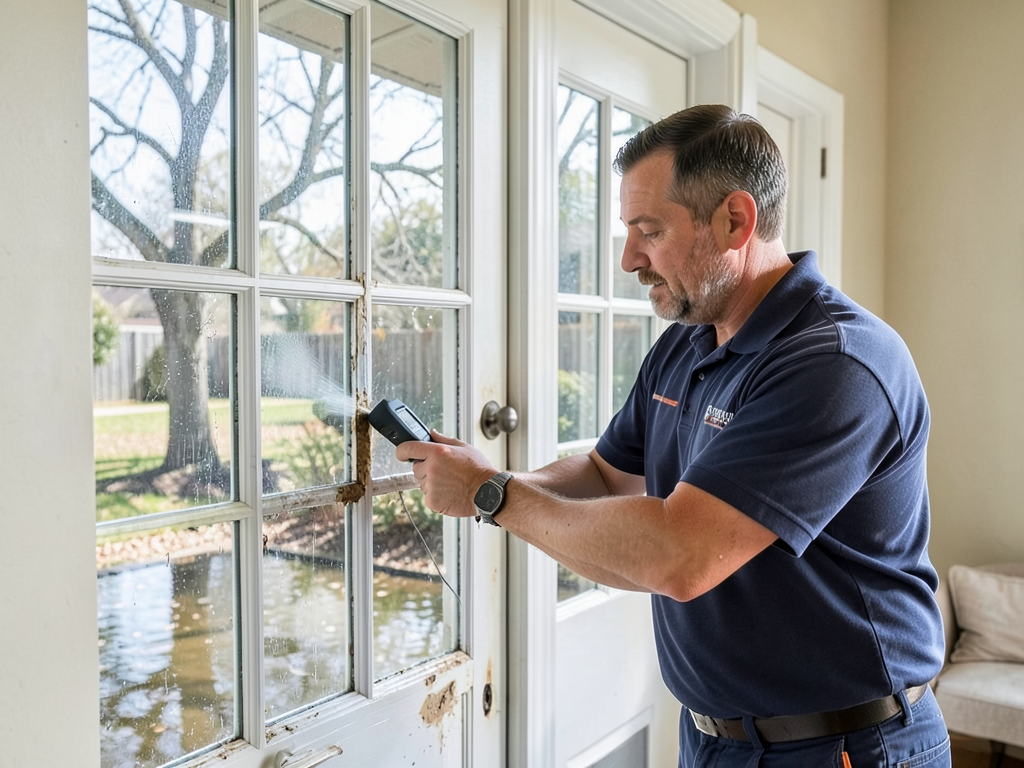
Dealing With Rainwater Ingress Under Your French Doors During a South Texas Windstorm Water seeping under your French doors during a San Antonio windstorm creates immediate panic. You see puddles forming on your hardwood floor…
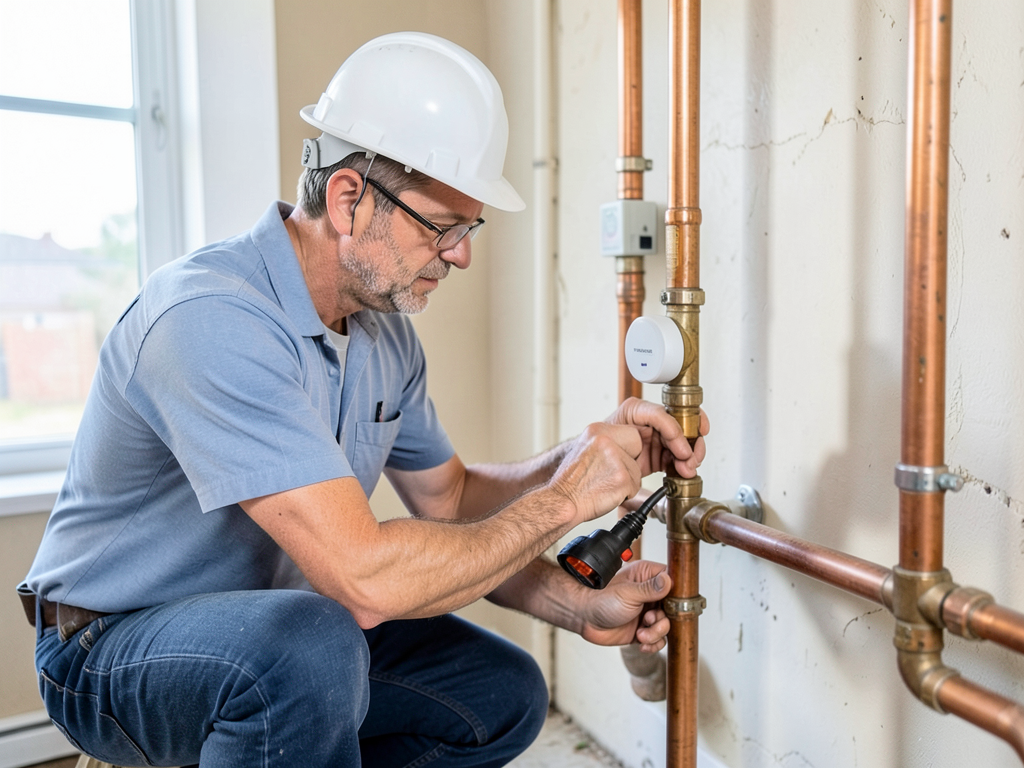
Comparing the Best Smart Leak Detectors for San Antonio Vacation Rentals San Antonio vacation rental…

Choosing the Right Restoration Contractor for Medical and Dental Clinics in Oak Hills When water…
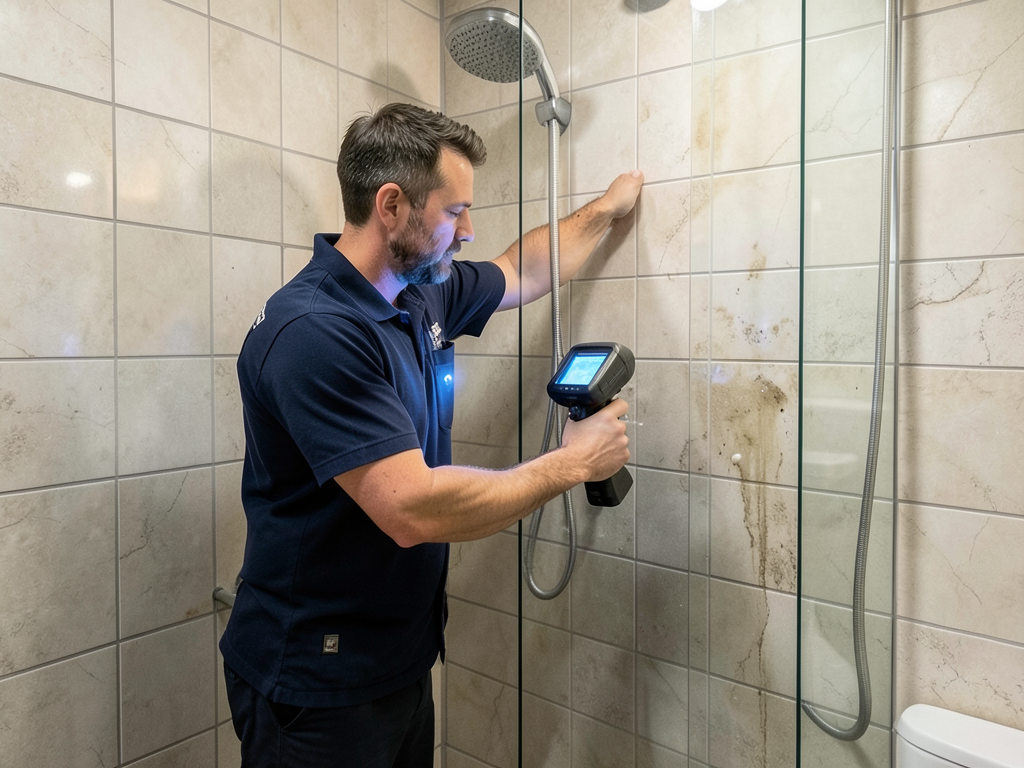
Why Your Custom Walk-In Shower in Hidden Forest is Leaking Behind the Tiles Hidden Forest…
Water damage spreads every minute you wait. Our emergency crews respond to Alamo Heights addresses within 60 minutes, day or night. Call Titan Water Damage Restoration San Antonio now at (210) 390-5977 for immediate dispatch and expert restoration services.