




Menu

Risks of DIY Water Cleanup in San Antonio – Why Professional Extraction Prevents Permanent Structural Damage

Understanding the dangers of DIY water damage restoration protects your home from hidden mold growth, weakened foundations, and electrical hazards that appear weeks after amateur water removal attempts in San Antonio's humid climate.

Slider Image 1
Slider Image 2
Slider Image 3
Slider Image 4
Slider Image 5
Slider Image 7
Slider Image 8
Slider Image 9
Slider Image 10
Slider Image 11

Why DIY Water Cleanup Fails in San Antonio's Climate

When water floods your home, the instinct to grab towels and a shop vac feels natural. You want to protect your investment and save money. The reality is that amateur water cleanup creates more damage than it prevents in San Antonio's environment.

The dangers of DIY water damage restoration multiply in our climate. San Antonio's average humidity hovers near 70 percent during summer months. That moisture feeds mold spores hidden in wall cavities and subflooring. Your shop vac pulls surface water but leaves 40 to 60 percent of moisture trapped in porous materials like drywall and insulation. Within 24 to 48 hours, microbial growth begins.

The hazards of do-it-yourself water removal extend beyond mold. San Antonio homes built on expansive clay soil face foundation movement when water saturates the ground. DIY efforts miss the moisture wicking through concrete slabs and pier-and-beam foundations. That hidden saturation causes structural shifting you will not notice for months.

The consequences of amateur water cleanup include electrical risks. Water travels through wall cavities to outlet boxes and junction points. You cannot see this migration. Turning power back on without professional moisture mapping creates fire hazards and shock risks.

The hidden risks of self-managed water mitigation include insurance claim denials. Carriers require documented moisture readings and proper extraction protocols. Your homeowner policy may exclude coverage when you attempt repairs without licensed contractors. The pitfalls of DIY water extraction cost thousands more than the initial professional service would have required.

San Antonio's older neighborhoods near Brackenridge Park and Monte Vista contain homes with horsehair plaster walls and pier-and-beam foundations. These materials need specialized drying techniques that standard rental equipment cannot provide.

Why DIY Water Cleanup Fails in San Antonio's Climate
How Professional Water Extraction Protects Your Property

How Professional Water Extraction Protects Your Property

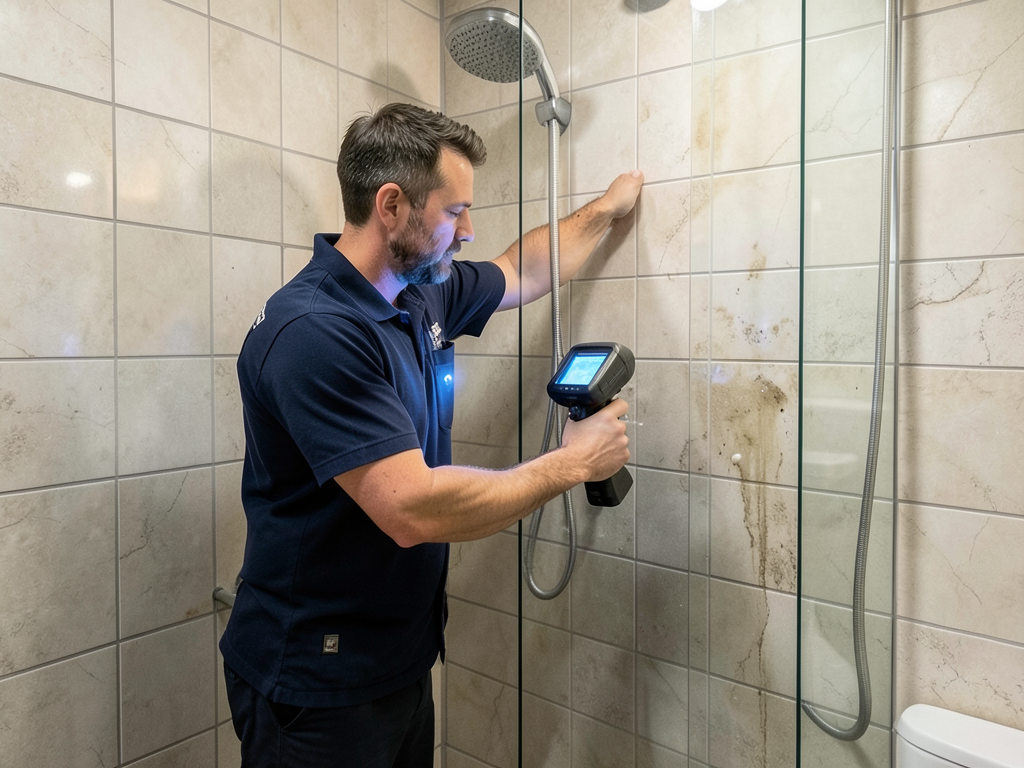
Professional water damage restoration starts with thermal imaging and moisture meters calibrated to ANSI standards. These tools map water migration through walls, ceilings, and floors. The data guides extraction placement and identifies secondary damage zones invisible to visual inspection.

Industrial extraction units pull 20 to 40 times more water than consumer-grade equipment. Truck-mounted extractors generate negative pressure that removes water from carpet padding, subfloors, and wall cavities. This equipment connects to weighted wands that compress materials during extraction, forcing trapped moisture to the surface where vacuum systems capture it.

Air movers create controlled evaporation through strategic positioning based on psychrometric calculations. These calculations account for temperature, humidity, and material density. Six to twelve air movers run continuously for three to five days in a typical residential water loss. The equipment creates laminar airflow across wet surfaces, speeding evaporation while dehumidifiers condense the released moisture.

Dehumidification equipment cycles room air through refrigerant coils or desiccant chambers. Refrigerant dehumidifiers work best in San Antonio's warm climate, removing 150 to 200 pints of moisture daily. Desiccant units handle below 60-degree scenarios like winter pipe bursts.

Anti-microbial treatments follow extraction. EPA-registered solutions prevent mold colonization during the drying phase. These treatments penetrate porous materials and create hostile environments for spore germination.

Moisture monitoring happens twice daily. Technicians document readings room by room, comparing them to established dry standards for each material type. Drywall reaches dry standard at 12 to 15 percent moisture content. Wood framing dries to 15 to 19 percent depending on species.

Liberty Water Damage Restoration Riverside uses hydroxyl generators during occupied drying. These units eliminate odors and sanitize air without requiring property evacuation, unlike ozone treatment.

What Happens During Professional Water Damage Assessment

Risks of DIY Water Cleanup in San Antonio – Why Professional Extraction Prevents Permanent Structural Damage
01

Initial Damage Documentation

Technicians photograph affected areas from multiple angles before moving any contents. This documentation includes moisture readings from walls, floors, and ceilings using penetrating and non-invasive meters. The assessment identifies water category, which determines safety protocols and disposal requirements for porous materials.
02

Moisture Mapping and Classification

Thermal imaging cameras detect temperature differentials indicating trapped moisture. Technicians create floor plans showing affected zones by material type and saturation level. This mapping guides equipment placement and establishes baseline readings for tracking drying progress. The assessment classifies damage severity from Class 1 to Class 4 based on evaporation load and affected surface area.
03

Extraction and Monitoring Plan

Based on assessment data, technicians design equipment layouts specifying air mover positions, dehumidifier capacity, and extraction sequences. The plan includes monitoring schedules and target moisture levels for each material. This documentation becomes part of insurance claims and ensures consistent drying across all affected spaces until materials reach industry dry standards.

Why San Antonio Homeowners Choose Liberty Water Damage Restoration Riverside

Water damage in San Antonio requires understanding how our unique environment affects restoration timelines and techniques. Homes near the San Antonio River and tributaries like Salado Creek face different challenges than properties in northern subdivisions like Stone Oak. Liberty Water Damage Restoration Riverside has worked in every San Antonio neighborhood and understands these distinctions.

Our technicians recognize how local construction methods impact water migration. Homes built before 1980 in Alamo Heights and Terrell Hills often have cast iron drain lines. These corrode from the inside, causing slow leaks that saturate wall cavities before you notice ceiling stains. We inspect drain systems during assessments to identify chronic moisture sources DIY efforts miss completely.

San Antonio's building codes require specific vapor barriers and drainage planes in new construction. When water intrusion occurs, these features change how moisture moves through structures. Professional restoration accounts for these engineered systems. Amateur cleanup ignores them, trapping water behind barriers where it causes hidden damage.

We maintain relationships with local insurance adjusters who work San Antonio claims daily. This familiarity speeds approval processes and ensures your claim includes all necessary procedures. DIY attempts complicate claims because carriers cannot verify proper mitigation occurred. That uncertainty leads to coverage disputes and delayed payments.

Our equipment inventory includes specialty tools for San Antonio's climate. High-grain refrigerant dehumidifiers handle our humid summers efficiently. Hydroxyl generators eliminate the cedar and mildew odors common in older Hill Country stone homes without requiring evacuation.

Liberty Water Damage Restoration Riverside responds to calls in under 90 minutes for most San Antonio addresses. That speed matters because every hour water sits increases damage severity exponentially. The difference between Class 1 and Class 3 damage often depends on response time in the first four hours.

What Professional Water Damage Restoration Includes

Emergency Response Timeline

Water damage worsens by the hour. Professional teams arrive within 60 to 90 minutes of your call, day or night. This rapid response stops water spread and begins extraction before materials absorb additional moisture. Technicians assess damage severity immediately and start mitigation while explaining the scope of work. Fast action reduces drying time from weeks to three to five days in most residential losses. Emergency response includes source stoppage, electrical safety checks, and temporary protection for unaffected areas.

Comprehensive Moisture Assessment

Professional assessment goes far beyond visual inspection. Technicians use thermal imaging to detect hidden moisture in walls, ceilings, and subfloors. Moisture meters measure saturation levels in wood, drywall, concrete, and insulation. This data determines equipment needs and drying strategy. Assessments identify structural concerns like weakened framing or compromised foundations requiring engineer evaluation. You receive documentation showing moisture distribution, affected materials, and expected drying timelines. This information supports insurance claims and prevents disputes over restoration scope.

Complete Structural Drying

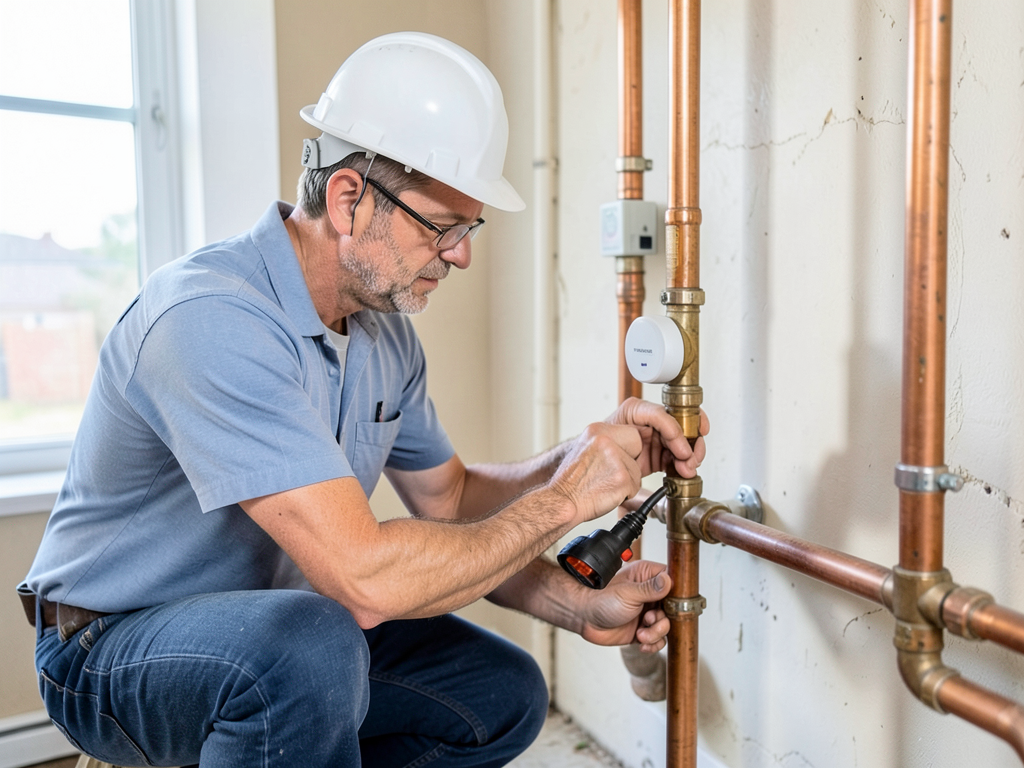
Drying requires industrial equipment properly positioned based on psychrometric science. Air movers create controlled evaporation across wet surfaces. Dehumidifiers remove moisture from air, lowering humidity to speed drying. Extraction units pull water from carpets, padding, and subflooring. Technicians monitor progress twice daily, adjusting equipment as moisture levels drop. Anti-microbial treatments prevent mold during drying. The process continues until materials reach dry standard, typically 12 to 15 percent moisture content for drywall and 15 to 19 percent for wood framing.

Post-Restoration Verification

After equipment removal, final moisture readings confirm materials meet dry standards throughout affected areas. You receive a completion certificate documenting all readings and confirming successful mitigation. This certificate protects you if mold or odor issues emerge later, proving proper restoration occurred. Professional companies stand behind their work because they have verifiable data showing complete drying. Follow-up contact ensures no new moisture issues develop. This verification process gives you confidence the job was done right and protects your property value and insurability.

Frequently Asked Questions

You Have Questions,
We Have Answers

Can you do water remediation yourself? +

You can tackle minor water cleanup for small spills, but significant water damage requires professional intervention. DIY efforts often miss hidden moisture trapped in wall cavities, subfloors, and insulation. San Antonio's high humidity accelerates microbial growth within 24 to 48 hours. Without industrial dehumidifiers, moisture meters, and thermal imaging, you risk structural damage and mold colonization. Category 2 or 3 water (contaminated sources) poses serious health risks that require proper PPE and disposal protocols. If water affects more than a small area or comes from unknown sources, call a certified restoration team to prevent costly secondary damage.

Can mold from water damage make you sick? +

Yes. Mold exposure triggers respiratory problems, allergic reactions, and chronic sinus issues. Vulnerable populations including children, elderly residents, and those with asthma face heightened risks. In San Antonio's humid climate, mold spores spread rapidly through HVAC systems, contaminating multiple rooms. Toxic black mold (Stachybotrys) releases mycotoxins that cause headaches, fatigue, and cognitive issues. Even non-toxic mold strains irritate airways and skin. Long-term exposure can lead to chronic inflammatory response syndrome. If you see visible mold or smell musty odors after water damage, avoid the area and consult a professional. Health symptoms require immediate medical evaluation.

How long can drywall be wet before mold? +

Drywall begins developing mold within 24 to 48 hours after water exposure in San Antonio's humid conditions. Porous gypsum board absorbs moisture quickly, creating ideal conditions for spore germination. The timeline accelerates in summer when indoor humidity climbs above 60 percent. Once drywall stays wet beyond 48 hours, mold colonies establish deep within the material, making surface cleaning ineffective. Affected sections require complete removal and replacement. Hidden moisture behind walls extends undetected, spreading contamination to studs and insulation. Acting within the first 24 hours prevents mold growth. Professional moisture meters detect saturation levels invisible to the naked eye.

How long does it take for water to damage foundation? +

Water begins compromising foundation integrity within hours, but visible damage emerges over weeks or months depending on soil type and drainage. San Antonio's expansive clay soil absorbs water and swells, exerting lateral pressure against foundation walls. Prolonged saturation erodes soil support, causing settlement and cracking. Pier and beam foundations experience wood rot in as little as two weeks with constant moisture exposure. Slab foundations develop hairline cracks that widen as hydrostatic pressure builds. Poor grading and clogged gutters worsen the timeline. Address standing water around your foundation immediately. Professional assessment identifies hidden damage before structural failure occurs.

Can I safely remove black mold myself? +

No. Black mold removal exceeds safe DIY capability. Stachybotrys chartarum releases mycotoxins when disturbed, causing severe respiratory distress and neurological symptoms. Household bleach does not kill mold on porous surfaces and aerosolizes spores during application. You need contained work zones with negative air pressure, HEPA filtration, and proper disposal methods. San Antonio homeowners attempting DIY removal often spread contamination through HVAC systems, affecting the entire home. State guidelines require professional remediation for areas exceeding 10 square feet. Improper handling creates liability issues and voids insurance claims. Certified technicians follow IICRC S520 standards to safely eliminate colonies and prevent regrowth.

What is the safest method to purify water at home? +

Boiling water for one minute kills most pathogens, making it effective for emergency purification. Bring water to a rolling boil, then let it cool before drinking. For San Antonio residents concerned about chemical contaminants, use activated carbon filters or reverse osmosis systems. UV purifiers eliminate bacteria and viruses without chemicals. Avoid relying solely on bleach or iodine tablets for long-term use. After flooding events, never consume tap water until authorities issue an all-clear notice. Floodwater contains sewage, chemicals, and heavy metals that boiling cannot remove. Store emergency bottled water and verify your filtration system meets NSF standards for your specific contaminants.

What are the 10 warning signs of mold toxicity? +

Watch for persistent fatigue, brain fog, and difficulty concentrating. Chronic sinus congestion, coughing, and wheezing indicate ongoing mold exposure. Many San Antonio residents report headaches, joint pain, and muscle aches from prolonged contact. Skin rashes, itching, and eye irritation signal allergic responses. Digestive problems including nausea and diarrhea occur with mycotoxin ingestion. Mood changes like anxiety, depression, and irritability emerge in severe cases. Light sensitivity and blurred vision affect some individuals. Numbness, tingling, and temperature regulation issues suggest neurological involvement. Increased urination and excessive thirst point to kidney stress. If you experience multiple symptoms after water damage, seek medical evaluation and professional mold assessment.

How long before water damage becomes mold? +

Mold growth begins within 24 to 48 hours after water intrusion in San Antonio's climate. Spores exist everywhere but require moisture to germinate and colonize. High humidity above 60 percent accelerates the timeline significantly. Porous materials like drywall, carpet, and insulation develop visible mold fastest. Wood framing and subflooring take slightly longer but sustain deeper penetration. Temperature between 77 and 86 degrees provides optimal growth conditions. Summer months compress the window to under 24 hours. Once established, mold spreads exponentially, doubling colonies every 24 to 48 hours. Immediate water extraction and dehumidification within the first 24 hours prevents microbial growth entirely.

What are the symptoms of Cirs? +

Chronic Inflammatory Response Syndrome (CIRS) causes persistent fatigue, cognitive dysfunction, and memory problems following mold or biotoxin exposure. You may experience joint pain, muscle aches, and weakness without clear cause. Respiratory symptoms include chronic cough, shortness of breath, and sinus congestion. Many San Antonio residents with CIRS report sensitivity to light, blurred vision, and headaches. Digestive issues like abdominal pain, diarrhea, and appetite changes are common. Mood disturbances including anxiety and depression occur frequently. Temperature dysregulation, excessive thirst, and frequent urination indicate autonomic nervous system involvement. Static shocks, numbness, and tingling suggest nerve damage. CIRS requires specialized medical diagnosis and environmental remediation.

Does running the AC help with mold? +

Running your AC helps control humidity but does not eliminate existing mold. Air conditioning reduces indoor moisture levels, slowing mold growth when humidity drops below 50 percent. However, San Antonio's summer humidity often overwhelms standard AC units. Mold colonizing in ductwork, drain pans, and evaporator coils spreads spores throughout your home each time the system runs. Dirty filters and inadequate maintenance worsen contamination. AC alone cannot dry wet building materials or kill established colonies. You need dedicated dehumidifiers, proper ventilation, and source removal for effective mold control. Maintain your HVAC system regularly and address water intrusion immediately to prevent mold amplification through your air distribution system.

How San Antonio's Humidity and Soil Conditions Accelerate Water Damage Complications

San Antonio's average relative humidity stays between 60 and 75 percent from May through September. This moisture-saturated air slows evaporation dramatically compared to drier climates. Water sitting in your home cannot evaporate efficiently into already-humid air. The consequences of amateur water cleanup become severe because DIY methods rely on natural evaporation that simply does not happen fast enough here. Meanwhile, that stagnant moisture creates perfect conditions for mold colonization. Aspergillus and Penicillium species germinate within 24 to 48 hours in these conditions. The hidden risks of self-managed water mitigation include respiratory hazards that develop before you realize cleanup failed.

San Antonio sits on expansive clay soil that swells when wet and shrinks when dry. Water from interior flooding seeps through slab foundations into this clay, causing ground movement that shifts foundations and cracks walls. Professional restoration includes subfloor moisture monitoring to detect this migration. Liberty Water Damage Restoration Riverside understands how local soil mechanics affect foundation stability. We document moisture levels beneath flooring and coordinate with structural engineers when readings indicate saturation reaching foundation level. This local expertise prevents the foundation damage that results from the pitfalls of DIY water extraction, where homeowners focus only on visible water while underground saturation continues causing structural movement.
Water Damage Services in The San Antonio Area

We are proud to serve the entire San Antonio area. Our team is strategically located to ensure a rapid response to your location, no matter where you are. View our service area on the map to see if we cover your neighborhood, and please don't hesitate to reach out for immediate assistance. We're always here to help you navigate a water damage crisis with confidence and ease.

Address:
Titan Water Damage Restoration San Antonio, 5154 Broadway, San Antonio, TX, 78209

Additional Services We Offer

Our news updates

Latest Articles & News from The Blogs

What Exactly Happens Inside Your Walls During the First 24 Hours of a Leak \n\n Water damage inside your walls…

What Exactly Happens Inside Your Walls During the First 24 Hours of a Leak

What Exactly Happens Inside Your Walls During the First 24 Hours of a Leak \n\n Water damage inside your walls…

Why Waterproof Vinyl Plank Flooring Can Still Trap Moisture and Grow Mold

Why Waterproof Vinyl Plank Flooring Can Still Trap Moisture and Grow Mold Waterproof vinyl plank flooring seems like the perfect…

Simple Ways to Seal Your Windows Before the San Antonio Rainy Season Starts

Simple Ways to Seal Your Windows Before the San Antonio Rainy Season Starts San Antonio’s rainy season brings intense thunderstorms…

Contact Us

Every hour counts when water invades your home. Liberty Water Damage Restoration Riverside responds immediately with professional equipment and local expertise. Call (210) 390-5977 now for emergency service.