




Menu

Basement Waterproofing Guide for San Antonio Homes – Proven Solutions for Clay Soil Foundation Protection

Protect your San Antonio basement from moisture intrusion with expert waterproofing methods designed specifically for expansive clay soil conditions and our region's extreme wet-dry cycles.

Slider Image 1
Slider Image 2
Slider Image 3
Slider Image 4
Slider Image 5
Slider Image 7
Slider Image 8
Slider Image 9
Slider Image 10
Slider Image 11

Why San Antonio Basements Fail Without Proper Waterproofing

San Antonio sits on expansive clay soil that swells when wet and shrinks during drought. This constant movement creates hydrostatic pressure against your foundation walls, forcing water through cracks, mortar joints, and porous concrete. When you combine this with our region's flash flooding patterns and seasonal downpours, you get a perfect storm for basement moisture problems.

Most homeowners notice the warning signs too late. You might see efflorescence (white mineral deposits), feel dampness along the floor-wall joint, or smell that distinct musty odor that signals mold growth. These symptoms tell you water is already winning the battle against your foundation.

The challenge with basement sealing techniques in our area is that generic solutions fail fast. A simple coat of waterproof paint might work in drier climates, but San Antonio's soil conditions demand comprehensive foundation waterproofing methods that address both exterior drainage and interior moisture management.

Water finds the path of least resistance. In older San Antonio homes built before modern waterproofing standards, that path leads straight through your basement walls. The clay soil holds water like a sponge after heavy rain, creating sustained pressure that exploits every weakness in your foundation. Even newer construction faces these issues when builders skip proper exterior waterproofing during initial installation.

Understanding how to waterproof a basement starts with recognizing that you need layered defense systems. Surface fixes provide temporary relief, but wet basement solutions require addressing the root cause: controlling groundwater before it contacts your foundation and managing any water that does penetrate.

Why San Antonio Basements Fail Without Proper Waterproofing
Professional Basement Waterproofing Systems That Actually Work

Professional Basement Waterproofing Systems That Actually Work

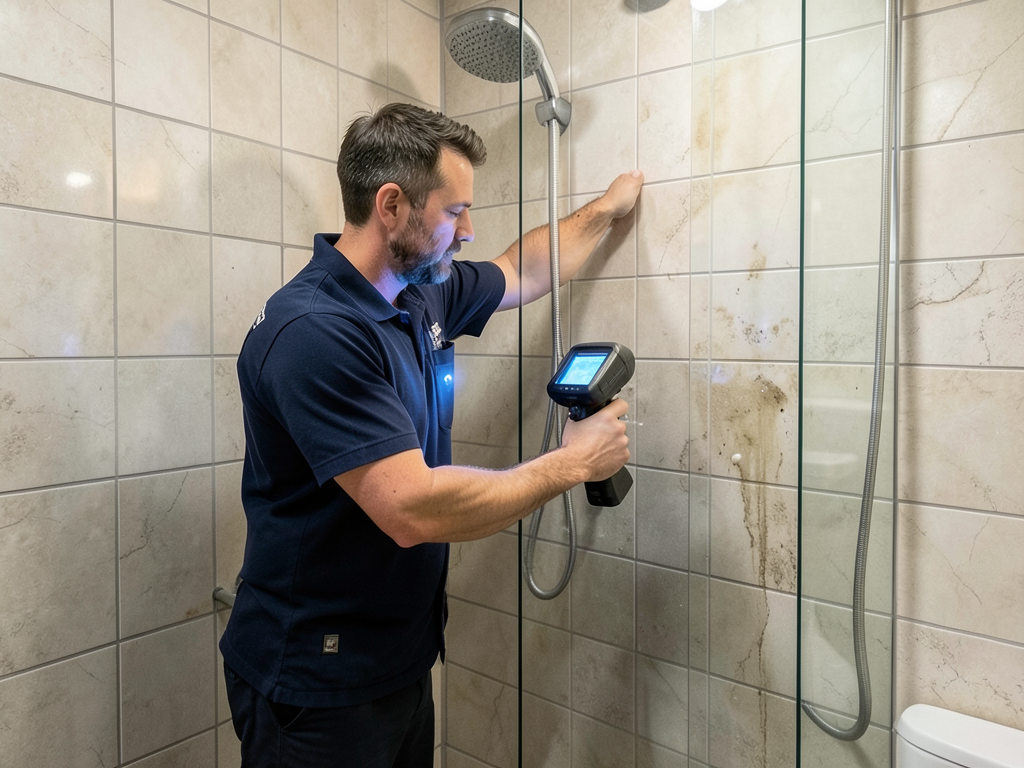
Effective leaky basement repair requires a diagnostic approach. Liberty Water Damage Restoration Riverside starts with moisture mapping using infrared thermography and moisture meters to identify exactly where water enters. We test hydrostatic pressure levels, evaluate soil grading, and inspect your existing drainage systems before recommending solutions.

Exterior waterproofing tackles the problem at its source. We excavate around your foundation, apply rubberized asphalt or polymer-modified membranes directly to the concrete, and install dimpled drainage boards that channel water down to footer drains. This creates a continuous barrier between wet soil and your basement walls. We also regrade soil to ensure positive drainage away from your foundation, typically maintaining a six-inch drop over the first ten feet.

Interior systems work differently but serve as critical backup protection. We install below-slab drainage channels along the foundation perimeter, connecting to a sump pump system that actively removes water before it surfaces. This approach is particularly effective in San Antonio where exterior excavation may be impossible due to property lines, landscaping, or structural constraints.

Vapor barriers and dehumidification complete the moisture management strategy. We install reinforced polyethylene sheeting across walls and floors, sealed at all penetrations and seams. This prevents moisture vapor from entering your living space even when liquid water is controlled. Commercial-grade dehumidifiers maintain relative humidity below 50 percent, the threshold where mold cannot establish colonies.

The key difference in professional installation is understanding how these systems integrate. Your sump pump needs proper discharge that does not reintroduce water near your foundation. Footer drains must daylight downslope or connect to storm sewers. Every component works together as a complete water management system.

How We Deliver Complete Basement Waterproofing Solutions

Basement Waterproofing Guide for San Antonio Homes – Proven Solutions for Clay Soil Foundation Protection
01

Comprehensive Moisture Assessment

We perform detailed foundation inspections using thermal imaging and moisture detection equipment to map water entry points and measure hydrostatic pressure. This diagnostic phase identifies whether you need exterior waterproofing, interior drainage, or both. We evaluate soil conditions around your foundation, test existing drainage systems, and document all moisture sources before designing your custom solution.
02

Integrated System Installation

Our crews implement the engineered waterproofing plan, which may include exterior membrane application, perimeter drain installation, sump pump systems, or crack injection repairs. We coordinate excavation work carefully to protect landscaping and hardscaping. All drainage components are tested under simulated water flow conditions to ensure proper function before backfilling. Interior systems receive concrete restoration to match existing floors.
03

Performance Verification and Documentation

After installation, we conduct moisture readings throughout your basement to establish baseline dry conditions. You receive complete documentation of all work performed, including drainage system layouts, sump pump specifications, and maintenance schedules. We provide specific guidance on monitoring your system and recognizing early warning signs that require professional attention. Follow-up inspections ensure your waterproofing performs as designed through multiple weather cycles.

Why San Antonio Homeowners Trust Local Waterproofing Expertise

Generic basement waterproofing advice from national companies often fails in San Antonio because they do not account for our specific soil mechanics. The Eagle Ford shale and Austin chalk formations under our city create unique drainage patterns. Expansive clay soil can generate pressures exceeding 5,000 pounds per square foot during wet periods. Solutions that work in stable soil conditions fail here within months.

Liberty Water Damage Restoration Riverside understands these local challenges because we have waterproofed hundreds of San Antonio basements across every neighborhood and soil type. We know which foundation styles in Alamo Heights require different approaches than newer construction in Stone Oak. We work within city building codes and coordinate with local inspectors who understand our water table fluctuations and drainage requirements.

Our familiarity with San Antonio's weather patterns matters too. We know the difference between normal seasonal moisture and the sustained saturation that follows tropical systems pushing up from the Gulf. This knowledge informs our system sizing, pump capacity specifications, and drainage routing decisions. We design for worst-case scenarios, not average conditions.

Experience with local architecture also shapes our approach. Many older San Antonio homes have limestone foundations that require specialized sealing techniques. Post-tension slab foundations common in newer developments need different waterproofing methods than traditional basement construction. We adapt our solutions to your specific foundation type rather than forcing one-size-fits-all approaches.

When problems occur after installation, you need someone local who can respond quickly. A national franchise makes you call a 1-800 number and wait for approval. We are here in San Antonio, and we stand behind our work with direct accountability. You talk to the same people who installed your system when you need service or have questions.

What to Expect From Professional Basement Waterproofing

Project Timeline and Scheduling

Most basement waterproofing projects take three to seven days depending on system complexity and excavation requirements. Exterior waterproofing with full foundation exposure requires five to seven days. Interior perimeter drain systems typically complete in three to four days. We schedule work to minimize disruption and coordinate around your availability. Weather affects exterior work, so we build buffer time into schedules during wet seasons. Emergency waterproofing for active flooding receives priority response, often starting same-day. You get a detailed timeline during the estimate phase with clear milestone dates for each work phase.

Initial Foundation Assessment Process

Your assessment begins with a visual foundation inspection, checking for cracks, previous repairs, and structural concerns. We use moisture meters to measure water content in walls and floors, identifying active intrusion points. Thermal imaging reveals temperature differentials that indicate water pathways inside wall cavities. We evaluate your current drainage systems, checking downspouts, grading, and existing footer drains. Soil percolation tests determine drainage capacity around your foundation. This comprehensive evaluation takes 60 to 90 minutes and results in a detailed report with annotated photos showing exactly what we found and why specific solutions address your moisture problems.

Long-Term Performance and Results

Properly installed basement waterproofing systems provide decades of protection when maintained correctly. You should see immediate improvement in basement humidity levels and elimination of standing water after heavy rains. Musty odors disappear within weeks as materials dry completely. Your basement becomes usable finished space rather than damp storage area. Sump pumps activate during rain events, confirming the system actively manages groundwater. Energy costs often decrease because HVAC systems no longer fight constant moisture infiltration. Property value increases because you can honestly disclose effective moisture control to future buyers. Most importantly, you gain peace of mind knowing your foundation stays protected through our extreme weather cycles.

Maintenance and System Monitoring

Waterproofing systems require minimal but important maintenance to ensure continued performance. Sump pumps need annual testing and cleaning to prevent failure during critical rain events. We recommend battery backup systems for power outage protection. Footer drains can accumulate silt over years and may need flushing every five to seven years. Dehumidifiers require filter changes and seasonal settings adjustments. We provide detailed maintenance schedules specific to your installed systems. Many homeowners choose annual inspection services where we verify all components function correctly before storm season. This proactive approach catches small issues before they become expensive problems. You receive documentation of each inspection for your property records.

Frequently Asked Questions

You Have Questions,
We Have Answers

What is the best waterproofing method for basements? +

The best method combines exterior and interior drainage systems. Exterior waterproofing involves excavating around the foundation, applying a waterproof membrane, and installing French drains to redirect groundwater. Interior solutions include sump pumps, drainage channels, and vapor barriers. In San Antonio, expansive clay soils shift with moisture changes, so addressing both exterior water intrusion and interior humidity control is critical. No single method works for every basement. A professional assessment identifies your specific water entry points, foundation type, and soil conditions to determine the most effective approach for long-term protection.

How much does it cost to waterproof a 1000 sq ft basement? +

Basement waterproofing costs vary widely based on the severity of water intrusion, foundation condition, and required solutions. Expect significant variation between basic interior sealants and comprehensive exterior excavation systems. In San Antonio, the expansive clay soil often requires more robust drainage solutions than other regions. Costs depend on factors like wall height, accessibility, existing damage, and whether you need sump pump installation or French drain systems. Interior-only solutions run lower than full exterior waterproofing with excavation. Get multiple site-specific estimates from licensed contractors who assess your unique situation before budgeting.

What are common waterproofing mistakes? +

Common mistakes include applying surface sealants without addressing the water source, ignoring proper grading around the foundation, and failing to maintain gutters and downspouts. Many homeowners attempt DIY waterproofing without identifying why water enters their basement. In San Antonio, improper drainage becomes worse during heavy rains when clay soil expands and pushes water toward foundations. Other errors include inadequate sump pump sizing, missing backup power systems, and sealing walls before fixing exterior issues. These mistakes trap moisture inside concrete, accelerating deterioration. Professional assessment identifies the root cause before implementing solutions.

Why not use Drylok on basement walls? +

Drylok and similar waterproof paints create a surface barrier that traps moisture inside concrete walls. Water pressure from San Antonio's expansive clay soil pushes groundwater through foundation walls. When moisture hits the Drylok barrier from inside the concrete, it cannot escape. This trapped moisture causes spalling, where concrete surface layers flake off. The paint eventually fails under hydrostatic pressure. Drylok works only for minor dampness issues, not active water intrusion. You need drainage solutions that redirect water away from foundations, not coatings that trap it inside your walls.

What are the three types of basement waterproofing? +

The three types are interior waterproofing, exterior waterproofing, and drainage systems. Interior methods include sealants, vapor barriers, and interior French drains with sump pumps that collect water after it enters. Exterior waterproofing involves excavating around the foundation, applying waterproof membranes, and installing drainage systems before water reaches walls. Drainage solutions include French drains, proper grading, and gutter systems that redirect water away from foundations. In San Antonio, effective waterproofing addresses the expansive clay soil that retains moisture and creates pressure against basement walls. Most comprehensive solutions combine all three approaches.

Does Drylok ruin concrete? +

Drylok does not ruin concrete directly, but it causes damage when misused. Applying Drylok over actively leaking walls traps moisture inside the concrete. This trapped water leads to efflorescence, spalling, and structural deterioration over time. In San Antonio, where hydrostatic pressure from saturated clay soil pushes water through foundations, Drylok creates a false barrier. The paint film separates from the wall as pressure builds. If you fix exterior drainage first and walls dry completely, Drylok may work for minor dampness. Never use it as a solution for active water intrusion problems.

Will insurance pay for basement waterproofing? +

Standard homeowners insurance does not cover basement waterproofing because insurers consider it preventive maintenance, not sudden damage. Policies cover water damage from burst pipes or storms, but exclude gradual seepage or groundwater intrusion. If flooding causes sudden basement damage, you may have coverage under specific flood insurance policies, not standard homeowners policies. San Antonio residents should review their policies for flood coverage limits. Insurance may cover repairs after a covered water event, but you pay for waterproofing systems to prevent future damage. Document all water intrusion for claims if sudden flooding occurs.

How to 100% waterproof a basement? +

Complete waterproofing requires a multi-layered approach addressing all water entry points. Start with proper exterior grading that slopes away from your foundation. Install and maintain gutters with downspouts extending at least six feet from walls. Apply waterproof membranes to exterior foundation walls. Install exterior French drains at footing level to redirect groundwater. Add interior drainage systems with sump pumps for backup protection. Seal cracks and apply interior vapor barriers. In San Antonio, account for expansive clay soil movement by using flexible sealants and robust drainage systems. Regular maintenance ensures long-term protection against water intrusion.

How much is it to finish a 2000 sq ft basement? +

Finishing a basement differs from waterproofing it. Waterproofing focuses on moisture control and water intrusion prevention, while finishing involves creating livable space with framing, drywall, flooring, and electrical work. Before finishing any basement space in San Antonio, you must waterproof completely to prevent mold growth and material damage. Costs for finishing projects vary based on materials, complexity, and whether you add bathrooms or kitchens. This question addresses finishing costs, which are separate from waterproofing expenses. Always waterproof first, then finish. Skipping waterproofing leads to expensive repairs and health hazards later.

Why can't you DIY waterproofing? +

DIY waterproofing fails because you cannot diagnose the water source without professional equipment and expertise. Basement water intrusion involves complex issues like hydrostatic pressure, soil conditions, foundation defects, and drainage patterns. In San Antonio, expansive clay soil creates unique challenges requiring engineered solutions. You need specialized tools for excavation, proper drainage installation, and foundation repairs. Incorrect DIY attempts often worsen problems by trapping moisture or failing under pressure. Professional waterproofing includes warranties and code-compliant installations. Mistakes cost more to fix than hiring qualified contractors initially. Protect your largest investment with expert assessment and installation.

How San Antonio's Expansive Clay Soil Complicates Basement Waterproofing

San Antonio sits on some of the most challenging expansive clay soil in Texas, creating unique waterproofing demands that generic solutions cannot address. Our clay soil contains high levels of montmorillonite, a mineral that expands up to 15 times its dry volume when saturated. During wet periods following drought, this expansion generates massive lateral pressure against foundation walls, forcing water through microscopic cracks and overwhelming inadequate waterproofing. The wet-dry cycles are extreme here. We can go months without significant rain, then receive six inches in a single storm event. This rapid saturation does not allow time for gradual soil absorption, instead pushing water directly against your foundation with tremendous force. Foundation waterproofing methods must account for these pressure differentials or they fail within the first major rain after installation.

Working in San Antonio requires understanding local building codes and drainage regulations that specifically address our soil conditions. The city enforces strict grading requirements around foundations and mandates proper footer drain installation in new construction, but many older homes predate these standards. Liberty Water Damage Restoration Riverside maintains current knowledge of all local codes and works directly with city inspectors to ensure compliant installations. Our crews understand which permits are required for excavation work and how to coordinate with utility location services before digging. This local expertise prevents project delays and ensures your waterproofing system meets all regulatory requirements. We also understand which solutions San Antonio building officials accept for various foundation types and soil conditions, streamlining the approval process and getting your basement protected faster.

Water Damage Services in The San Antonio Area

We are proud to serve the entire San Antonio area. Our team is strategically located to ensure a rapid response to your location, no matter where you are. View our service area on the map to see if we cover your neighborhood, and please don't hesitate to reach out for immediate assistance. We're always here to help you navigate a water damage crisis with confidence and ease.

Address:
Titan Water Damage Restoration San Antonio, 5154 Broadway, San Antonio, TX, 78209

Additional Services We Offer

Our news updates

Latest Articles & News from The Blogs

What Exactly Happens Inside Your Walls During the First 24 Hours of a Leak \n\n Water damage inside your walls…

What Exactly Happens Inside Your Walls During the First 24 Hours of a Leak

What Exactly Happens Inside Your Walls During the First 24 Hours of a Leak \n\n Water damage inside your walls…

Why Waterproof Vinyl Plank Flooring Can Still Trap Moisture and Grow Mold

Why Waterproof Vinyl Plank Flooring Can Still Trap Moisture and Grow Mold Waterproof vinyl plank flooring seems like the perfect…

Simple Ways to Seal Your Windows Before the San Antonio Rainy Season Starts

Simple Ways to Seal Your Windows Before the San Antonio Rainy Season Starts San Antonio’s rainy season brings intense thunderstorms…

Contact Us

Do not wait for water damage to force emergency repairs. Call Liberty Water Damage Restoration Riverside at (210) 390-5977 for a comprehensive basement moisture assessment. We will show you exactly where water enters and design a waterproofing solution that works with San Antonio's challenging soil conditions.