
Why DIY Mold Spray Can Actually Make Things Worse in Your Highland Hills Home
Seeing black spots on your bathroom ceiling or a musty smell in your Highland Hills home might tempt you to grab a spray bottle of bleach or vinegar. But before you start scrubbing, you need to understand why DIY mold removal often backfires in San Antonio’s unique climate. The Texas humidity combined with improper techniques can turn a small problem into a major health hazard and structural issue. Texas Department of Licensing and Regulation.
Highland Hills sits in a low-lying area near Salado Creek where moisture problems are common. When you spray mold with household products, you’re not killing the root system. You’re actually breaking the mold apart and releasing thousands of microscopic spores into the air. These spores float through your HVAC system and settle in new areas, creating multiple mold colonies throughout your home.
The real danger isn’t just the mold you can see. Stachybotrys chartarum, commonly called black mold, produces mycotoxins that can cause respiratory issues, headaches, and allergic reactions. When you disturb mold colonies with DIY sprays, you’re releasing these toxins directly into your breathing space. Children, elderly residents, and people with asthma are particularly vulnerable to these airborne contaminants.
Professional mold remediation follows strict protocols established by the Institute of Inspection, Cleaning and Restoration Certification (IICRC S520 standard). These standards require containment barriers, negative air pressure systems, and HEPA filtration to prevent cross-contamination. Most Highland Hills homeowners don’t have access to this specialized equipment or the training to use it properly. EPA Mold Guidelines.
The Texas Department of Licensing and Regulation (TDLR) regulates mold remediation in our state. Any project covering more than 25 contiguous square feet requires a licensed mold remediation contractor. DIY work on larger areas isn’t just risky for your health—it can create legal issues if you ever sell your home. Texas law requires a Certificate of Mold Remediation (CMOR) for real estate transactions, and DIY work won’t qualify.
Highland Hills homes often have specific vulnerabilities. Many were built in the 1970s and 1980s with materials that are more susceptible to moisture damage. The area’s clay soil expands and contracts with moisture changes, creating foundation shifts that can crack pipes and create hidden water sources for mold growth. Your DIY spray won’t fix a leaking pipe behind the wall or poor drainage around your foundation. Water Damage Restoration Kirby.
Professional remediation costs more upfront but saves money long-term. When DIY attempts fail, mold returns within weeks or months. Each regrowth cycle requires more aggressive treatment and can damage building materials beyond repair. What starts as a $200 DIY project can escalate to thousands in structural repairs and professional remediation fees. Professional Mold Removal and Remediation for Helotes Homeowners.
Understanding when DIY is safe versus when you need a professional is crucial. The EPA recommends calling a professional if mold covers more than 10 square feet or if you suspect mold in your HVAC system. In Highland Hills, where many homes share similar construction methods and age, these guidelines are particularly important.
Before you reach for that spray bottle, consider the hidden costs of DIY mold removal. Your health, your home’s value, and your peace of mind are worth the investment in professional remediation. The humid San Antonio climate demands proper treatment methods that go beyond surface cleaning.
The Cross-Contamination Trap
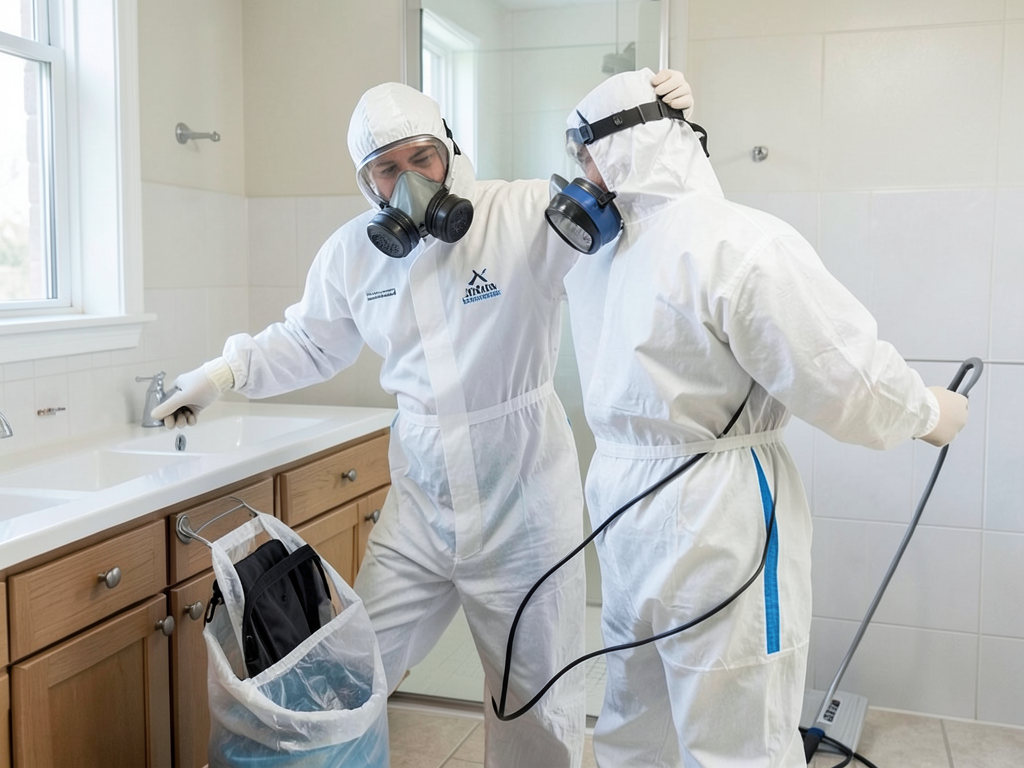
When you spray mold with household cleaners, you’re not just treating the visible colony. You’re creating an aerosol of mold spores that spreads throughout your home. This cross-contamination is the primary reason DIY attempts fail and mold returns worse than before.
Professional remediation uses negative air pressure containment to prevent spore migration. This involves sealing off the affected area with plastic sheeting and using HEPA-filtered air scrubbers to create inward air flow. Without this containment, spores travel through your HVAC system, settling in ductwork, insulation, and other hidden areas.
Highland Hills homes typically have central air conditioning running almost year-round. This constant air circulation means any spores released during DIY cleaning will quickly spread to every room in your house. The cool, dark interior of your ducts provides perfect conditions for new mold growth.
Professional technicians wear full personal protective equipment (PPE) including respirators, Tyvek suits, and gloves. They understand how to remove contaminated materials without spreading spores. DIYers often work without protection, exposing themselves to concentrated levels of mold and mycotoxins during the cleaning process.
The containment process also prevents mold from spreading to unaffected areas during removal. When professionals remove moldy drywall or carpet, they seal it in bags before carrying it through your home. DIY removal often involves dragging contaminated materials through living spaces, depositing spores along the way.
Many Highland Hills residents don’t realize that mold can grow inside wall cavities, under flooring, and in attic spaces. Surface cleaning only addresses the visible problem while hidden colonies continue to grow and release spores. Professional inspection uses moisture meters and thermal imaging to find these hidden sources.
The cost of cross-contamination extends beyond health risks. Mold in your HVAC system requires specialized cleaning that can cost $1,000 to $3,000. Contaminated ductwork may need complete replacement. These secondary costs often exceed the original professional remediation quote.
Health Risks: Why Bleach Isn’t the Answer

Bleach and other household cleaners can actually feed mold growth on porous surfaces common in Highland Hills homes. Wood framing, drywall paper, and ceiling tiles absorb moisture from these cleaners, creating ideal conditions for mold to return stronger than before.
Stachybotrys chartarum produces trichothecene mycotoxins that can cause neurological symptoms, respiratory distress, and immune system suppression. These toxins aren’t eliminated by household cleaners. In fact, disturbing mold colonies often increases toxin release into the air you breathe.
Children in Highland Hills homes are particularly at risk. The area’s combination of older housing stock and humid climate creates conditions where mold exposure can trigger asthma, allergies, and other respiratory conditions. Professional remediation removes the source rather than just treating symptoms.
Professional remediation follows the principle of source removal rather than treatment. This means physically removing contaminated materials rather than trying to kill mold in place. This approach eliminates both the mold and the mycotoxins it produces, rather than leaving dead mold that can still cause allergic reactions.
The Texas Department of State Health Services tracks mold-related health complaints in Bexar County. Many cases originate from DIY remediation attempts where homeowners were exposed to high concentrations of mold spores and mycotoxins during the cleaning process.
Professional remediation includes post-remediation verification testing. This independent testing confirms that mold levels have returned to normal background levels. DIY projects have no verification process, leaving you uncertain about whether the problem is truly resolved.
Highland Hills’ proximity to Salado Creek means many homes sit in areas with higher natural humidity. This makes proper moisture control essential for preventing mold recurrence. Professionals address the moisture source, not just the mold symptom.
The health risks extend beyond immediate symptoms. Long-term mold exposure has been linked to chronic fatigue, cognitive issues, and autoimmune responses. Professional remediation protects your family’s long-term health by completely removing the contamination source.
Understanding Texas Mold Regulations (TDLR)
Texas has some of the strictest mold remediation regulations in the country. The Texas Mold Assessment and Remediation Rules (TMARR) require specific licensing, insurance, and work practices that protect both homeowners and remediation professionals.
Any mold remediation project covering more than 25 contiguous square feet requires a licensed mold remediation contractor. This regulation exists because larger projects require specialized equipment and containment procedures that DIYers cannot provide. Violating these regulations can result in fines and legal liability.
The Texas Department of Licensing and Regulation maintains a public database of licensed mold remediation contractors. You can verify a contractor’s license status and insurance coverage before hiring them. This verification process doesn’t exist for DIY projects, leaving you without recourse if problems occur.
Professional remediation includes detailed documentation of the work performed, including pre and post-remediation testing results. This documentation is required for the Certificate of Mold Remediation (CMOR) needed for real estate transactions in Texas. DIY work cannot produce this required documentation.
Highland Hills homes often have historical value that requires special consideration during remediation. Professional contractors understand how to preserve original materials while ensuring complete mold removal. DIY approaches may damage irreplaceable architectural features.
Insurance companies in Texas often deny claims related to DIY mold remediation. They expect homeowners to use licensed professionals for work that affects structural integrity and indoor air quality. DIY attempts can void your coverage or leave you responsible for all remediation costs.
The TDLR requires specific liability insurance for mold remediation contractors. This insurance protects homeowners if the remediation work causes additional damage or fails to resolve the mold problem. DIY projects offer no such protection.
Professional remediation contracts include specific warranties and guarantees. These legal protections don’t exist for DIY work. If mold returns after your DIY attempt, you have no recourse beyond paying for another round of remediation.
Professional Remediation vs. DIY Costs
While professional mold remediation costs more upfront, the long-term financial picture often favors professional treatment. DIY failures typically lead to recurring problems that multiply the total cost over time.
A typical DIY mold treatment might cost $50 to $200 for cleaning supplies and personal protective equipment. Professional remediation for a standard problem area ranges from $500 to $4,000 depending on the extent of contamination and required repairs.
The cost difference becomes clear when you consider what’s included. Professional remediation includes containment, HEPA filtration, moisture source identification, material removal, cleaning, and post-remediation testing. DIY costs only cover the immediate cleaning supplies.
Highland Hills homes often require additional services that DIY cannot provide. These might include foundation repair, plumbing fixes, or HVAC cleaning. Professional remediation companies coordinate these services, while DIYers must find and manage multiple contractors.
The financial impact of failed DIY attempts extends beyond remediation costs. Mold damage can reduce your home’s value by 3% to 5% according to real estate professionals in San Antonio. Professional remediation with proper documentation helps maintain your property value.
Insurance considerations affect the total cost equation. Many homeowner policies cover professional mold remediation if caused by a covered peril like a burst pipe. DIY attempts are rarely covered, leaving you responsible for all costs.
The time investment for DIY remediation often exceeds professional costs when you consider your labor value. Professional teams can complete most residential projects in one to three days. DIY attempts might take weeks as you learn techniques and deal with unexpected complications.
Professional remediation includes warranties typically ranging from one to five years. These warranties cover mold recurrence in the treated areas. DIY work offers no warranty protection, meaning you bear all financial risk if problems return.
When is it Safe to DIY? (The 10-Square-Foot Rule)
The EPA provides guidelines for safe DIY mold removal, but these guidelines have important limitations. Understanding when DIY is appropriate can save you money while protecting your health and home.
The 10-square-foot rule is the primary guideline. Areas smaller than 10 square feet (roughly a 3×3 foot patch) may be safely cleaned by homeowners using proper precautions. However, this rule assumes you can accurately assess the extent of contamination.
Hidden mold often extends beyond visible areas. What appears to be a small spot might be connected to a larger colony behind the wall or under the flooring. Professional inspection can identify these hidden problems before you start DIY treatment.
Certain locations make DIY unsafe regardless of size. Mold in your HVAC system, inside wall cavities, or in areas with known water damage requires professional assessment. These locations create cross-contamination risks that exceed DIY capabilities.
Health considerations override size guidelines. If anyone in your household has asthma, allergies, or compromised immune systems, even small mold areas should be handled professionally. The health risks outweigh the cost savings of DIY treatment.
Material type affects DIY safety. Non-porous surfaces like glass, metal, and sealed tile can often be safely cleaned with household cleaners. Porous materials like drywall, wood, and ceiling tiles typically require professional removal when contaminated.
Highland Hills’ humid climate creates additional DIY limitations. The area’s high humidity means mold can regrow quickly after cleaning. Professional remediation includes moisture control measures that DIY approaches typically miss.
DIY safety also depends on your ability to identify the moisture source. Cleaning mold without fixing the underlying water problem guarantees recurrence. Professional assessment identifies and addresses these moisture sources. Fixing a Sewage Backup in Your Stone Oak Home without the Stress.
Time is another factor in DIY safety. Mold that has been present for months or years often requires professional treatment regardless of size. Long-term contamination typically involves deeper penetration and more extensive damage than visible spots suggest.
Frequently Asked Questions
Can I use vinegar instead of bleach for mold removal?
Vinegar can kill some mold species on non-porous surfaces, but it doesn’t eliminate mycotoxins or prevent spore release. Vinegar also provides moisture that can feed mold growth in porous materials common in Highland Hills homes.
How long does professional mold remediation take?
Most residential projects in Highland Hills take one to three days depending on the extent of contamination. This includes containment setup, removal of affected materials, cleaning, and post-remediation testing. Larger or more complex jobs may require additional time.
Will my insurance cover mold remediation?
Coverage depends on your policy and the cause of mold. Many policies cover remediation if caused by a covered peril like a burst pipe or roof leak. DIY attempts are rarely covered, and some policies exclude mold damage entirely.
How can I prevent mold from coming back after remediation?
Professional remediation includes moisture source identification and correction. You’ll also receive recommendations for humidity control, ventilation improvements, and maintenance practices specific to your Highland Hills home’s construction and location.
What should I do if I find mold during a home renovation?
Stop work immediately and contact a licensed mold remediation professional. Disturbing mold during renovations can release large amounts of spores and create extensive cross-contamination throughout your home. What to do immediately when your Alamo Heights home starts flooding.
- Assess the Situation
Determine the size of the affected area and whether it’s in a high-risk location like HVAC systems or inside walls. Small, surface mold on non-porous materials might be safe for DIY treatment.
- Protect Your Health
If anyone in your household has respiratory issues or if the mold covers more than 10 square feet, contact a professional immediately. Don’t risk your health trying to save money on remediation.
- Identify the Moisture Source
Mold grows because of excess moisture. Find and fix leaks, improve ventilation, or address drainage issues before attempting any cleaning. Without moisture control, mold will return within weeks.
- Choose the Right Approach
For safe DIY projects, use proper PPE including an N-95 respirator, gloves, and eye protection. For larger areas or hidden mold, professional remediation provides the containment and equipment needed to prevent cross-contamination.
DIY mold removal might seem like a cost-effective solution, but in Highland Hills’ humid climate, it often creates bigger problems than it solves. The combination of improper techniques, cross-contamination risks, and hidden moisture sources means most DIY attempts fail within months.
Professional remediation follows established standards that protect your health, your home’s value, and your family’s safety. The Texas Department of Licensing and Regulation requires specific licensing and insurance for a reason – mold remediation involves serious health risks and potential property damage that require professional expertise. Expert tips for drying out hardwood floors in historic King William homes.
Before you grab that spray bottle, consider the true cost of DIY mold removal. Your health, your home’s structural integrity, and your peace of mind are worth the investment in professional treatment. Highland Hills homes deserve the same care and expertise that has protected San Antonio families for generations.
Don’t let a simple cleaning attempt turn into a major health hazard. Call (210) 390-5977 today to schedule your professional mold inspection. Our certified technicians understand Highland Hills’ unique challenges and provide solutions that last. Pick up the phone and call (210) 390-5977 before the next storm hits – because in San Antonio’s climate, mold waits for no one.
You may also find this helpful. Why Your Custom Walk-In Shower in Hidden Forest is Leaking Behind the Tiles.
{
“@context”: “https://schema.org”,
“@type”: “BlogPosting”,
“headline”: “Why DIY Mold Spray Can Actually Make Things Worse in Your Highland Hills Home”,
“description”: “DIY mold spray can spread spores and cause health issues. Learn why professional remediation is essential for Highland Hills homes in San Antonio’s humid climate.”,
“wordCount”: 2698,
“datePublished”: “2026-06-01T07:39:00.000Z”,
“dateModified”: “2026-06-01T07:39:00.000Z”,
“inLanguage”: “en-US”,
“mainEntityOfPage”: {
“@type”: “WebPage”,
“@id”: “https://titanwaterdamagerestorationsanantonio.com”
},
“publisher”: {
“@type”: “LocalBusiness”,
“name”: “Titan Water Damage Restoration San Antonio”,
“url”: “https://titanwaterdamagerestorationsanantonio.com”
},
“author”: {
“@type”: “Organization”,
“name”: “Titan Water Damage Restoration San Antonio”,
“url”: “https://titanwaterdamagerestorationsanantonio.com”
},
“image”: {
“@type”: “ImageObject”,
“url”: “https://titanwaterdamagerestorationsanantonio.com/wp-content/uploads/2026/03/why-diy-mold-spray-can-actually-make-things-worse-1.png”
}
}
{
“@context”: “https://schema.org”,
“@type”: “LocalBusiness”,
“name”: “Titan Water Damage Restoration San Antonio”,
“url”: “https://titanwaterdamagerestorationsanantonio.com”,
“address”: {
“@type”: “PostalAddress”,
“addressLocality”: “San Antonio”
},
“areaServed”: {
“@type”: “City”,
“name”: “San Antonio”
}
}
{
“@context”: “https://schema.org”,
“@type”: “FAQPage”,
“mainEntity”: [
{
“@type”: “Question”,
“name”: “Can I use vinegar instead of bleach for mold removal?”,
“acceptedAnswer”: {
“@type”: “Answer”,
“text”: “Vinegar can kill some mold species on non-porous surfaces, but it doesn’t eliminate mycotoxins or prevent spore release. Vinegar also provides moisture that can feed mold growth in porous materials common in Highland Hills homes.”
}
},
{
“@type”: “Question”,
“name”: “How long does professional mold remediation take?”,
“acceptedAnswer”: {
“@type”: “Answer”,
“text”: “Most residential projects in Highland Hills take one to three days depending on the extent of contamination. This includes containment setup, removal of affected materials, cleaning, and post-remediation testing. Larger or more complex jobs may require additional time.”
}
},
{
“@type”: “Question”,
“name”: “Will my insurance cover mold remediation?”,
“acceptedAnswer”: {
“@type”: “Answer”,
“text”: “Coverage depends on your policy and the cause of mold. Many policies cover remediation if caused by a covered peril like a burst pipe or roof leak. DIY attempts are rarely covered, and some policies exclude mold damage entirely.”
}
},
{
“@type”: “Question”,
“name”: “How can I prevent mold from coming back after remediation?”,
“acceptedAnswer”: {
“@type”: “Answer”,
“text”: “Professional remediation includes moisture source identification and correction. You’ll also receive recommendations for humidity control, ventilation improvements, and maintenance practices specific to your Highland Hills home’s construction and location.”
}
},
{
“@type”: “Question”,
“name”: “What should I do if I find mold during a home renovation?”,
“acceptedAnswer”: {
“@type”: “Answer”,
“text”: “Stop work immediately and contact a licensed mold remediation professional. Disturbing mold during renovations can release large amounts of spores and create extensive cross-contamination throughout your home. What to do immediately when your Alamo Heights home starts flooding.”
}
}
]
}
{
“@context”: “https://schema.org”,
“@type”: “HowTo”,
“name”: “How to Handle Mold Discovery”,
“step”: [
{
“@type”: “HowToStep”,
“position”: 1,
“name”: “Assess the Situation”,
“text”: “Determine the size of the affected area and whether it’s in a high-risk location like HVAC systems or inside walls. Small, surface mold on non-porous materials might be safe for DIY treatment.”
},
{
“@type”: “HowToStep”,
“position”: 2,
“name”: “Protect Your Health”,
“text”: “If anyone in your household has respiratory issues or if the mold covers more than 10 square feet, contact a professional immediately. Don’t risk your health trying to save money on remediation.”
},
{
“@type”: “HowToStep”,
“position”: 3,
“name”: “Identify the Moisture Source”,
“text”: “Mold grows because of excess moisture. Find and fix leaks, improve ventilation, or address drainage issues before attempting any cleaning. Without moisture control, mold will return within weeks.”
},
{
“@type”: “HowToStep”,
“position”: 4,
“name”: “Choose the Right Approach”,
“text”: “For safe DIY projects, use proper PPE including an N-95 respirator, gloves, and eye protection. For larger areas or hidden mold, professional remediation provides the containment and equipment needed to prevent cross-contamination.”
}
],
“image”: “https://titanwaterdamagerestorationsanantonio.com/wp-content/uploads/2026/03/why-diy-mold-spray-can-actually-make-things-worse-1.png”
}
{
“@context”: “https://schema.org”,
“@type”: “BreadcrumbList”,
“itemListElement”: [
{
“@type”: “ListItem”,
“position”: 1,
“name”: “Home”,
“item”: “https://titanwaterdamagerestorationsanantonio.com”
},
{
“@type”: “ListItem”,
“position”: 2,
“name”: “Blog”,
“item”: “https://titanwaterdamagerestorationsanantonio.com/blog”
},
{
“@type”: “ListItem”,
“position”: 3,
“name”: “Why DIY Mold Spray Can Actually Make Things Worse in Your Highland Hills Home”
}
]
}
{
“@context”: “https://schema.org”,
“@type”: “Service”,
“serviceType”: “Water Damage Restoration”,
“provider”: {
“@type”: “LocalBusiness”,
“name”: “Titan Water Damage Restoration San Antonio”,
“url”: “https://titanwaterdamagerestorationsanantonio.com”
},
“areaServed”: {
“@type”: “City”,
“name”: “San Antonio”
},
“description”: “DIY mold spray can spread spores and cause health issues. Learn why professional remediation is essential for Highland Hills homes in San Antonio’s humid climate.”
}