
Expert tips for drying out hardwood floors in historic King William homes
Hardwood floors in King William’s historic homes face unique water damage challenges. The combination of century-old construction methods, San Antonio’s high humidity, and the specific wood species used in these homes requires specialized drying techniques. Quick action and proper moisture management can save your floors from permanent damage.. Read more about What to Do When San Antonio Pipes Burst During a Hard Freeze.
King William’s historic district features homes built primarily between 1890 and 1920, many with original hardwood floors made from oak, pine, or walnut. These woods react differently to moisture than modern engineered products. When water seeps into these floors, the wood expands, potentially causing cupping, crowning, or buckling. Understanding these specific challenges helps you protect your investment.
Why King William hardwood floors need special care
The King William neighborhood sits on the banks of the San Antonio River, making some properties vulnerable to flooding. The area’s clay-rich soil, typical of the Edwards Plateau region, creates additional challenges. When this soil becomes saturated, it can shift and create pressure on foundation walls, potentially causing slab leaks or pipe failures that damage floors above.. Read more about Dealing with Southtown Loft Flooding from Old Plumbing or Storms.
Historic homes in this district often lack modern vapor barriers. The subflooring beneath your hardwood may be pine planks rather than plywood, which absorbs water differently. This older construction means water can travel laterally through the floor system, affecting areas far from the original leak source.
San Antonio’s climate adds another layer of complexity. Summer humidity regularly exceeds 70%, slowing the natural evaporation process. Without proper dehumidification, floors may not dry completely, leading to mold growth in the wood’s cellular structure.
Immediate steps to take when hardwood floors get wet
Time matters when hardwood floors encounter water. The first 24-48 hours determine whether you can save the floors or face complete replacement. Here’s what to do immediately:
- Stop the water source
Locate and shut off the main water supply if you have a burst pipe or appliance failure. For roof leaks, place buckets to catch water and move furniture away from affected areas.. Read more about How to Save Your Furniture After a Pipe Breaks in Your Monte Vista Historic Home.
- Remove standing water
Use towels, mops, or a wet vacuum to extract surface water. For larger amounts, professional extraction equipment works faster and more thoroughly.
- Increase air circulation
Open windows if outdoor humidity is lower than indoor levels. Set up fans to blow across the floor surface, not directly down onto it.
- Document the damage
Take photos and videos before moving anything. This documentation helps with insurance claims and helps professionals assess the scope of work needed.
Avoid these common mistakes: Don’t use heat guns or hair dryers directly on the floor, as this can cause additional warping. Don’t sand cupped floors while they’re still wet, as they may flatten naturally during proper drying. Don’t cover wet floors with rugs or plastic, as this traps moisture.
Professional drying techniques for historic hardwood
Professional water damage restoration companies use specialized equipment and techniques that go beyond household fans and dehumidifiers. These methods protect the wood’s integrity while removing moisture efficiently.
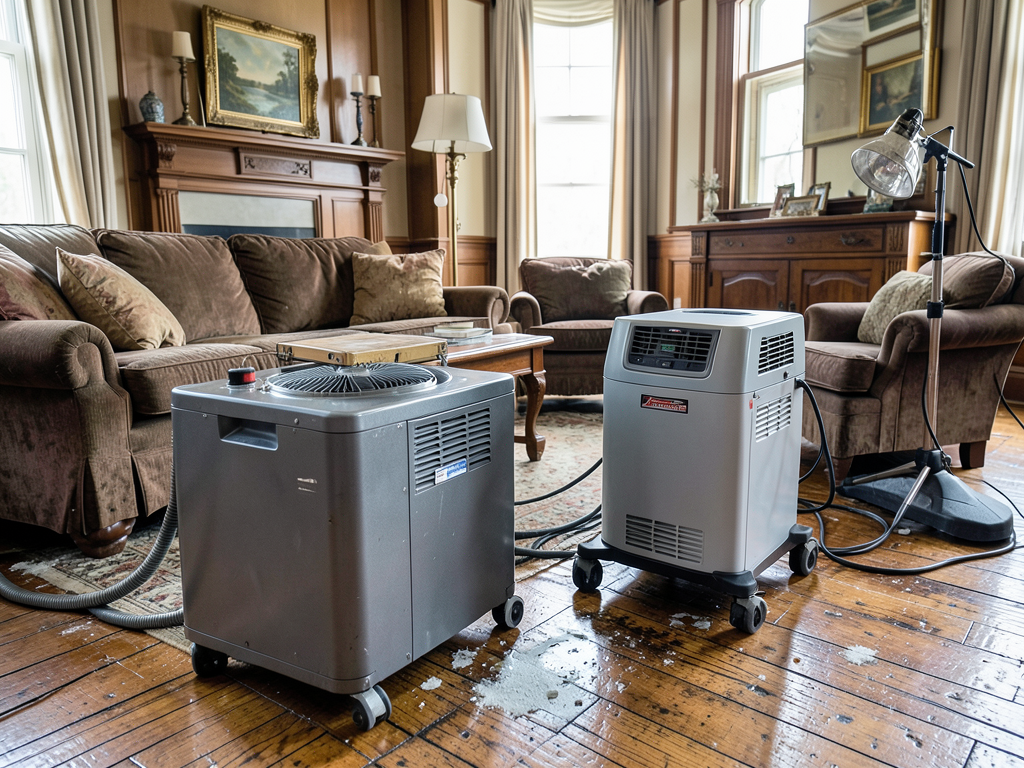
Dehumidification forms the core of professional drying. Low-grain refrigerant (LGR) dehumidifiers can remove moisture even in high-humidity conditions. These units work by creating a vapor pressure differential that pulls water from the wood into the air, where the dehumidifier captures it.
Mat drying systems provide targeted moisture removal. These systems use specialized mats connected to vacuum equipment that pulls moisture from the floor surface and from between boards. This technique works particularly well for cupped floors where water has collected in the gaps.
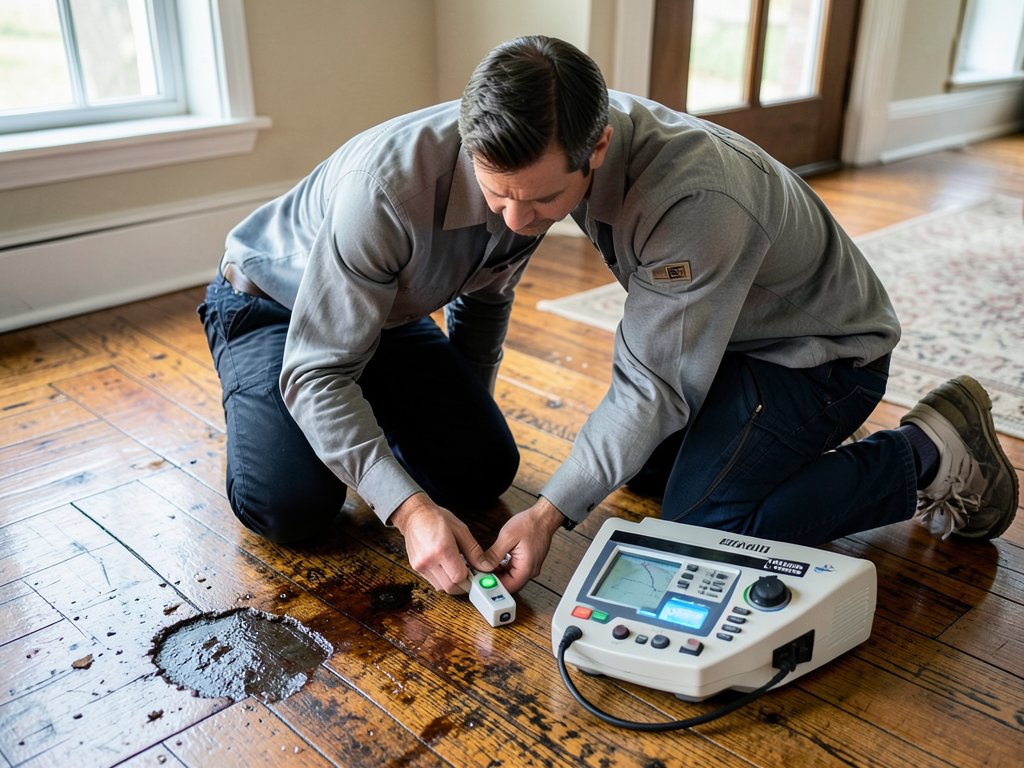
Moisture meters help technicians track progress. Non-invasive meters use electromagnetic signals to detect moisture without damaging the finish. Invasive meters with probes measure moisture content at different depths, ensuring the wood returns to normal levels before refinishing begins.
According to IICRC S500 standards for professional water damage restoration, hardwood floors should return to a moisture content between 6-9% before refinishing, depending on the wood species and local climate conditions. IICRC.
Understanding cupping, crowning, and buckling
Water damage creates distinct patterns in hardwood floors. Understanding these patterns helps you assess the severity and determine appropriate action.
Crowning occurs when the center of the board rises above the edges. This typically happens when moisture comes from below the floor or when previously cupped floors are sanded too early. The wood cells expand, pushing the center upward.
Crowning shows as a convex shape across individual boards, with the highest point in the center. You can often feel this with your hand as you run it across the floor. In severe cases, you might see gaps forming between boards as they push against each other.
Buckling represents the most severe reaction to water damage. The entire board pulls away from the subfloor, sometimes rising several inches. This occurs when expansion forces exceed the wood’s structural limits. Buckled boards rarely return to their original position without intervention.
Minor cupping often resolves with proper drying. The edges will gradually lower as moisture content equalizes throughout the board. However, severe cupping may require board replacement if the wood has been structurally compromised.
Moisture content testing and monitoring
Professional restoration involves precise moisture content monitoring. Wood moisture content (MC) should match the equilibrium moisture content (EMC) of your home’s environment before refinishing begins.
EMC varies by region and season. In San Antonio, hardwood floors typically stabilize between 8-11% MC during summer months and 6-9% during winter. These ranges ensure the wood won’t expand or contract excessively after refinishing.
Technicians use pin-type moisture meters to check MC at multiple depths. Readings should be taken in affected areas and in unaffected areas for comparison. The difference between these readings indicates how far moisture has spread through the floor system.
Monitoring continues throughout the drying process. Daily readings track progress and help technicians adjust equipment placement for optimal results. This data-driven approach prevents both under-drying and over-drying, which can cause additional problems.
The drying process typically takes 3-7 days for minor water damage and up to 14 days for severe cases. Factors affecting drying time include wood species, floor thickness, subfloor type, and ambient conditions.
When to sand and refinish vs. board replacement
Deciding between sanding and refinishing versus board replacement depends on several factors. The extent of damage, wood species, and age of the floor all influence this decision.
Minor cupping that returns to within 1/16 inch of normal after drying often responds well to sanding and refinishing. The process removes the damaged surface layer, revealing sound wood beneath. This approach works best for floors less than 50 years old with at least 1/4 inch of wear layer remaining.
Severe cupping, deep staining, or structural damage usually requires board replacement. Water can cause irreversible damage to wood cells, creating weak spots that will fail under normal use. Dark stains often indicate mold growth within the wood, requiring removal of affected boards.
Matching replacement boards presents challenges in historic homes. Wood species, grain patterns, and finish colors may have changed over decades. Professional restorers maintain relationships with specialty suppliers who can source matching materials or create custom stains to blend repairs.
The decision also depends on the floor’s value. In King William’s historic district, original hardwood floors often contribute significantly to a home’s character and value. In these cases, restoration specialists may recommend more extensive repairs to preserve as much of the original material as possible.
Preventing future water damage
Once you’ve addressed immediate water damage, prevention becomes your next priority. Several strategies can protect your hardwood floors from future incidents.
Install water sensors near potential leak sources. Modern sensors can detect moisture and send alerts to your smartphone before significant damage occurs. Place them under sinks, near water heaters, and in laundry rooms.
Maintain your home’s plumbing system. Have a licensed plumber inspect supply lines, especially in older homes where galvanized pipes may be nearing the end of their service life. Replace rubber washing machine hoses with braided stainless steel versions.
Address foundation issues promptly. The clay soil in San Antonio expands when wet and contracts when dry, creating movement that can stress plumbing connections. Foundation maintenance helps prevent slab leaks that damage floors above.
Control indoor humidity. Use dehumidifiers during San Antonio’s humid months to keep indoor levels between 30-50%. This range prevents excessive wood expansion while maintaining comfort.
Consider area rugs in high-risk zones. Entryways, kitchens, and bathrooms benefit from protective coverings that can be easily removed and dried if water spills occur.
Insurance considerations for historic floor restoration
Insurance coverage for water-damaged hardwood floors varies significantly. Standard homeowners policies typically cover sudden, accidental water damage but may exclude flooding or gradual leaks.
Document everything when filing a claim. Photos of the damage, receipts for emergency services, and professional assessments strengthen your position. Many insurance companies require restoration to be performed by certified professionals to qualify for coverage.
Historic designation can affect coverage. Some insurance companies offer specialized policies for historic homes that provide higher coverage limits for period-appropriate materials and craftsmanship. These policies often require documentation of original features and may mandate specific restoration methods.
Ask about replacement cost vs. actual cash value coverage. Replacement cost policies pay to restore your home to its pre-loss condition, while actual cash value policies deduct depreciation. For historic hardwood floors, the difference can be substantial.
Consider adding water damage riders to your policy. These endorsements can provide coverage for specific risks like sewer backup or appliance failures that standard policies exclude.. Read more about Fixing a Sewage Backup in Your Stone Oak Home without the Stress.
Cost factors in hardwood floor restoration
Restoration costs vary based on damage extent, wood species, and required techniques. Understanding these factors helps you budget appropriately and avoid surprises.
Extraction and drying typically cost $1-3 per square foot for minor damage. This includes water removal, dehumidification, and moisture monitoring. Severe cases requiring specialized equipment or extended drying times can reach $5-8 per square foot.
Sanding and refinishing costs $3-8 per square foot, depending on the finish type and number of coats required. Oil-based polyurethane costs less than water-based alternatives but takes longer to cure and emits stronger odors.
Board replacement ranges from $8-15 per square foot, including removal of damaged boards, installation of new ones, and blending the repair with existing flooring. Matching historic wood often costs more due to sourcing challenges.
Additional costs may include subfloor repairs, mold remediation, or structural drying if water penetrated walls or ceilings. These issues can add $500-2,000 to the total depending on severity.
Emergency services after hours or on weekends typically incur 25-50% premium charges. However, the additional cost often proves worthwhile when considering the potential for further damage if restoration is delayed.
Choosing the right restoration professional
Not all water damage restoration companies have experience with historic hardwood floors. Selecting the right professional ensures your floors receive appropriate care.
Look for IICRC certification in water damage restoration. This certification indicates training in current restoration standards and techniques. Ask about specific experience with hardwood floor restoration, not just general water damage work.
Request references from similar projects. A reputable company should provide examples of successfully restored hardwood floors, preferably in historic homes or buildings.
Verify licensing and insurance. Texas requires water damage restoration companies to carry appropriate liability insurance and workers’ compensation coverage. Ask for proof of both. Texas Commission on Environmental Quality.
Ask about equipment and techniques. Modern restoration uses advanced equipment like thermal imaging cameras to detect hidden moisture and LGR dehumidifiers for efficient drying. Companies using only basic fans and dehumidifiers may not achieve optimal results.
Get detailed written estimates. These should outline the scope of work, timeline, and payment terms. Avoid companies that require large upfront payments or pressure you to make quick decisions.
Consider local expertise. Companies familiar with King William’s historic homes understand the specific challenges these properties present, from foundation types to original construction methods.
Frequently Asked Questions
How long can hardwood floors stay wet before damage becomes permanent?
Hardwood floors can begin showing permanent damage within 24-48 hours of water exposure. The exact timeframe depends on wood species, finish type, and water temperature. Warmer water penetrates faster, potentially causing damage in as little as 12 hours. Quick action always improves restoration success rates.
Can cupped hardwood floors return to normal without sanding?
Minor cupping often resolves naturally if caught early and dried properly. Floors with less than 1/16 inch of cupping have the best chance of self-correction. However, severe cupping typically requires professional intervention, as the wood’s cellular structure may have been permanently altered.
Should I use bleach or other cleaners on water-damaged hardwood?
Never use bleach or harsh chemicals on water-damaged hardwood floors. These products can further damage the wood’s cellular structure and create additional problems. If mold is present, consult a professional who can use appropriate antimicrobial treatments designed for wood surfaces.
How can I tell if moisture has reached the subfloor?
Moisture meters provide the most accurate assessment, but you can look for warning signs. Warping or buckling in areas away from the visible water source, a musty odor, or cold spots on the floor surface may indicate subfloor moisture. Professional thermal imaging can detect hidden moisture pockets.
Is it safe to walk on water-damaged hardwood floors?
Exercise caution when walking on water-damaged floors. Wet wood becomes slippery, and severely warped boards can create tripping hazards. If you notice significant buckling or separation between boards, avoid the area until a professional assesses the structural integrity.
How does San Antonio’s humidity affect the drying process?
San Antonio’s high humidity slows natural evaporation, making professional dehumidification essential. During summer months when outdoor humidity exceeds 70%, standard fans cannot remove moisture effectively. LGR dehumidifiers create the vapor pressure differential needed to extract moisture even in these challenging conditions.
What’s the difference between Category 1, 2, and 3 water damage?
Category 1 involves clean water from supply lines or rain. Category 2 contains significant contamination from sources like washing machines or toilet overflows without feces. Category 3 involves grossly contaminated water containing pathogens, such as sewage or flood water. Each category requires different restoration approaches and safety protocols.
Can engineered hardwood floors be restored like solid hardwood?
Engineered hardwood has a thin veneer layer over plywood or HDF core, limiting restoration options. Minor water damage may be repairable if the core hasn’t swelled, but severe damage often requires replacement. The thin wear layer cannot be sanded as many times as solid hardwood.
How do I prevent mold growth in water-damaged hardwood?
Rapid moisture removal prevents most mold growth. Maintain indoor humidity below 60% during restoration, use antimicrobial treatments when appropriate, and ensure complete drying before refinishing. If mold appears, professional remediation becomes necessary to prevent health hazards and further damage.
What should I do if my insurance claim is denied for floor restoration?
Request a detailed explanation of the denial in writing. Review your policy for coverage details and exclusions. Consider obtaining a second opinion from another restoration professional. If you believe the denial is incorrect, you have the right to appeal through your insurance company’s process or seek assistance from the Texas Department of Insurance.
[IMAGE_PLACEHPLACEHOLDER_3]
Hardwood floor water damage in King William’s historic homes requires specialized knowledge and equipment. The unique construction methods, wood species, and San Antonio’s challenging climate create restoration scenarios that differ significantly from modern homes. Quick response and professional intervention provide the best chance for successful restoration.
Understanding the specific challenges your floors face helps you make informed decisions about restoration options. Whether dealing with minor cupping or severe buckling, the right approach can save your floors and preserve your home’s historic character.
Don’t let water damage destroy your hardwood floors. Call (210) 390-5977 today to schedule your inspection. Our team specializes in restoring hardwood floors in King William’s historic homes, using techniques that protect your investment while respecting your home’s architectural integrity. Pick up the phone and call (210) 390-5977 before the next storm hits.
{
“@context”: “https://schema.org”,
“@type”: “BlogPosting”,
“headline”: “Expert tips for drying out hardwood floors in historic King William homes”,
“description”: “Discover professional hardwood floor drying techniques for King William’s historic homes. Learn how to prevent cupping, minimize damage, and protect your investment with San Antonio’s trusted water restoration experts.”,
“wordCount”: 2625,
“datePublished”: “2026-02-13T13:59:00.000Z”,
“dateModified”: “2026-02-13T13:59:00.000Z”,
“inLanguage”: “en-US”,
“mainEntityOfPage”: {
“@type”: “WebPage”,
“@id”: “https://titanwaterdamagerestorationsanantonio.com”
},
“publisher”: {
“@type”: “LocalBusiness”,
“name”: “Titan Water Damage Restoration San Antonio”,
“url”: “https://titanwaterdamagerestorationsanantonio.com”
},
“author”: {
“@type”: “Organization”,
“name”: “Titan Water Damage Restoration San Antonio”,
“url”: “https://titanwaterdamagerestorationsanantonio.com”
},
“image”: {
“@type”: “ImageObject”,
“url”: “https://titanwaterdamagerestorationsanantonio.com/wp-content/uploads/2026/03/expert-tips-for-drying-out-hardwood-floors-in-hist-1.png”
}
}
{
“@context”: “https://schema.org”,
“@type”: “LocalBusiness”,
“name”: “Titan Water Damage Restoration San Antonio”,
“url”: “https://titanwaterdamagerestorationsanantonio.com”,
“address”: {
“@type”: “PostalAddress”,
“addressLocality”: “San Antonio”
},
“areaServed”: {
“@type”: “City”,
“name”: “San Antonio”
}
}
{
“@context”: “https://schema.org”,
“@type”: “FAQPage”,
“mainEntity”: [
{
“@type”: “Question”,
“name”: “How long can hardwood floors stay wet before damage becomes permanent?”,
“acceptedAnswer”: {
“@type”: “Answer”,
“text”: “Hardwood floors can begin showing permanent damage within 24-48 hours of water exposure. The exact timeframe depends on wood species, finish type, and water temperature. Warmer water penetrates faster, potentially causing damage in as little as 12 hours. Quick action always improves restoration success rates.”
}
},
{
“@type”: “Question”,
“name”: “Can cupped hardwood floors return to normal without sanding?”,
“acceptedAnswer”: {
“@type”: “Answer”,
“text”: “Minor cupping often resolves naturally if caught early and dried properly. Floors with less than 1/16 inch of cupping have the best chance of self-correction. However, severe cupping typically requires professional intervention, as the wood’s cellular structure may have been permanently altered.”
}
},
{
“@type”: “Question”,
“name”: “Should I use bleach or other cleaners on water-damaged hardwood?”,
“acceptedAnswer”: {
“@type”: “Answer”,
“text”: “Never use bleach or harsh chemicals on water-damaged hardwood floors. These products can further damage the wood’s cellular structure and create additional problems. If mold is present, consult a professional who can use appropriate antimicrobial treatments designed for wood surfaces.”
}
},
{
“@type”: “Question”,
“name”: “How can I tell if moisture has reached the subfloor?”,
“acceptedAnswer”: {
“@type”: “Answer”,
“text”: “Moisture meters provide the most accurate assessment, but you can look for warning signs. Warping or buckling in areas away from the visible water source, a musty odor, or cold spots on the floor surface may indicate subfloor moisture. Professional thermal imaging can detect hidden moisture pockets.”
}
},
{
“@type”: “Question”,
“name”: “Is it safe to walk on water-damaged hardwood floors?”,
“acceptedAnswer”: {
“@type”: “Answer”,
“text”: “Exercise caution when walking on water-damaged floors. Wet wood becomes slippery, and severely warped boards can create tripping hazards. If you notice significant buckling or separation between boards, avoid the area until a professional assesses the structural integrity.”
}
},
{
“@type”: “Question”,
“name”: “How does San Antonio’s humidity affect the drying process?”,
“acceptedAnswer”: {
“@type”: “Answer”,
“text”: “San Antonio’s high humidity slows natural evaporation, making professional dehumidification essential. During summer months when outdoor humidity exceeds 70%, standard fans cannot remove moisture effectively. LGR dehumidifiers create the vapor pressure differential needed to extract moisture even in these challenging conditions.”
}
},
{
“@type”: “Question”,
“name”: “What’s the difference between Category 1, 2, and 3 water damage?”,
“acceptedAnswer”: {
“@type”: “Answer”,
“text”: “Category 1 involves clean water from supply lines or rain. Category 2 contains significant contamination from sources like washing machines or toilet overflows without feces. Category 3 involves grossly contaminated water containing pathogens, such as sewage or flood water. Each category requires different restoration approaches and safety protocols.”
}
},
{
“@type”: “Question”,
“name”: “Can engineered hardwood floors be restored like solid hardwood?”,
“acceptedAnswer”: {
“@type”: “Answer”,
“text”: “Engineered hardwood has a thin veneer layer over plywood or HDF core, limiting restoration options. Minor water damage may be repairable if the core hasn’t swelled, but severe damage often requires replacement. The thin wear layer cannot be sanded as many times as solid hardwood.”
}
},
{
“@type”: “Question”,
“name”: “How do I prevent mold growth in water-damaged hardwood?”,
“acceptedAnswer”: {
“@type”: “Answer”,
“text”: “Rapid moisture removal prevents most mold growth. Maintain indoor humidity below 60% during restoration, use antimicrobial treatments when appropriate, and ensure complete drying before refinishing. If mold appears, professional remediation becomes necessary to prevent health hazards and further damage.”
}
},
{
“@type”: “Question”,
“name”: “What should I do if my insurance claim is denied for floor restoration?”,
“acceptedAnswer”: {
“@type”: “Answer”,
“text”: “Request a detailed explanation of the denial in writing. Review your policy for coverage details and exclusions. Consider obtaining a second opinion from another restoration professional. If you believe the denial is incorrect, you have the right to appeal through your insurance company’s process or seek assistance from the Texas Department of Insurance.”
}
}
]
}
{
“@context”: “https://schema.org”,
“@type”: “HowTo”,
“name”: “Emergency Hardwood Floor Drying Steps”,
“step”: [
{
“@type”: “HowToStep”,
“position”: 1,
“name”: “Stop the water source”,
“text”: “Locate and shut off the main water supply if you have a burst pipe or appliance failure. For roof leaks, place buckets to catch water and move furniture away from affected areas.”
},
{
“@type”: “HowToStep”,
“position”: 2,
“name”: “Remove standing water”,
“text”: “Use towels, mops, or a wet vacuum to extract surface water. For larger amounts, professional extraction equipment works faster and more thoroughly.”
},
{
“@type”: “HowToStep”,
“position”: 3,
“name”: “Increase air circulation”,
“text”: “Open windows if outdoor humidity is lower than indoor levels. Set up fans to blow across the floor surface, not directly down onto it.”
},
{
“@type”: “HowToStep”,
“position”: 4,
“name”: “Document the damage”,
“text”: “Take photos and videos before moving anything. This documentation helps with insurance claims and helps professionals assess the scope of work needed.”
}
],
“image”: “https://titanwaterdamagerestorationsanantonio.com/wp-content/uploads/2026/03/expert-tips-for-drying-out-hardwood-floors-in-hist-1.png”
}
{
“@context”: “https://schema.org”,
“@type”: “BreadcrumbList”,
“itemListElement”: [
{
“@type”: “ListItem”,
“position”: 1,
“name”: “Home”,
“item”: “https://titanwaterdamagerestorationsanantonio.com”
},
{
“@type”: “ListItem”,
“position”: 2,
“name”: “Blog”,
“item”: “https://titanwaterdamagerestorationsanantonio.com/blog”
},
{
“@type”: “ListItem”,
“position”: 3,
“name”: “Expert tips for drying out hardwood floors in historic King William homes”
}
]
}
{
“@context”: “https://schema.org”,
“@type”: “Service”,
“serviceType”: “Water Damage Restoration”,
“provider”: {
“@type”: “LocalBusiness”,
“name”: “Titan Water Damage Restoration San Antonio”,
“url”: “https://titanwaterdamagerestorationsanantonio.com”
},
“areaServed”: {
“@type”: “City”,
“name”: “San Antonio”
},
“description”: “Discover professional hardwood floor drying techniques for King William’s historic homes. Learn how to prevent cupping, minimize damage, and protect your investment with San Antonio’s trusted water restoration experts.”
}