
Dealing With Water Seepage in Your San Antonio Finished Basement or Cellar
Water seeping into your finished basement or cellar creates more than a mess. It threatens your home’s structure and can trigger mold growth within 24-48 hours. In San Antonio the problem often starts with our region’s expansive clay soil that swells during heavy rains and shrinks during droughts. This constant shifting puts pressure on foundation walls and creates cracks that allow groundwater to enter. If you notice damp spots on walls or a musty smell in your below-grade space you need immediate action to prevent costly damage.. Read more about Why Your New Westside San Antonio LVP Floor Feels Squishy (And How to Fix the Subfloor).
San Antonio homeowners face unique challenges because our soil contains high clay content that expands and contracts dramatically with moisture changes. This movement causes foundation walls to bow or crack allowing water to seep through. The Edwards Aquifer system beneath much of Bexar County also creates fluctuating water tables that can push groundwater against basement walls during wet seasons. Without proper drainage and waterproofing these forces can overwhelm even well-built below-grade spaces.. Read more about What San Antonio Brewery Owners Should Do When a Fermentation Tank Leaks.
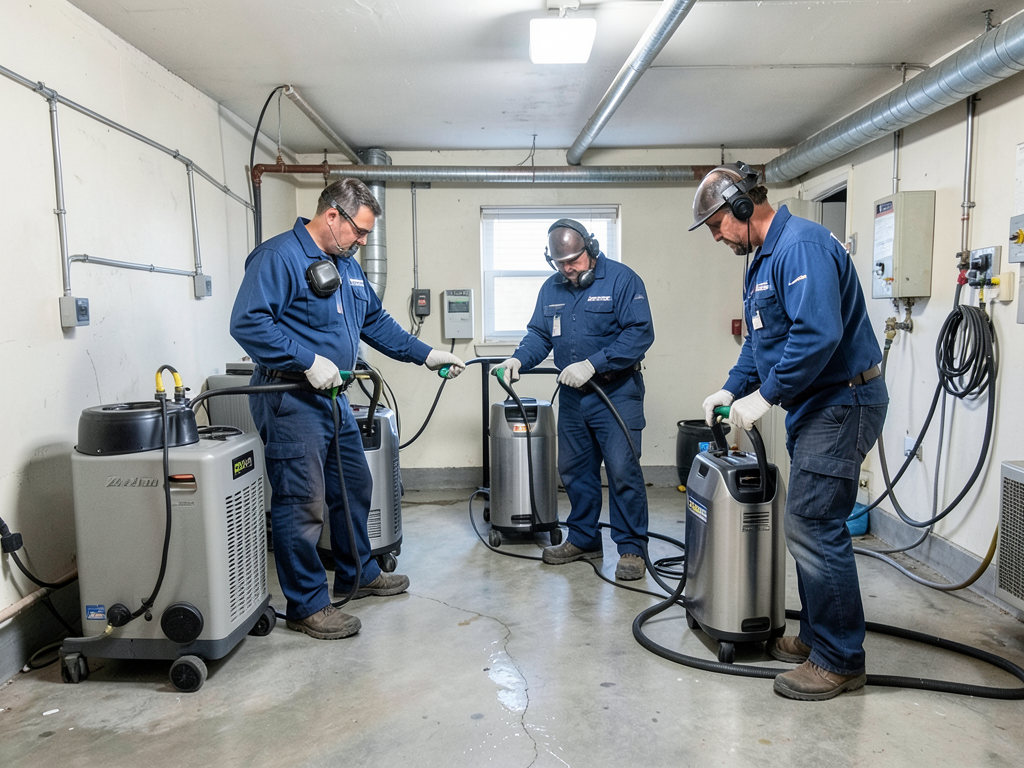
Quick response matters when dealing with basement seepage. Water can wick up through concrete and damage finished walls flooring and stored items within hours. Mold spores that exist everywhere in our humid climate begin multiplying rapidly on wet surfaces. Our IICRC-certified team responds 24/7 with industrial-grade equipment to extract water dry structures and apply antimicrobial treatments. We also inspect for hidden moisture using thermal imaging and moisture meters to ensure complete drying. EPA mold information.
Professional seepage remediation involves more than just removing visible water. We install or repair sump pumps to manage groundwater French drains to redirect surface water and apply waterproof sealants to foundation walls. In severe cases we may recommend structural repairs to bowing walls or foundation reinforcement. Each solution targets the specific cause of your seepage whether it stems from surface grading issues hydrostatic pressure or foundation cracks. Professional Mold Removal and Remediation for Helotes Homeowners.
San Antonio’s weather patterns create perfect conditions for basement seepage. Our intense thunderstorms can dump several inches of rain in hours overwhelming drainage systems. The rapid saturation causes clay soil to expand pushing against foundation walls. When the rain stops the soil contracts leaving gaps that allow more water to enter during the next storm. This cycle repeats until proper drainage and waterproofing break the pattern.
Common signs of basement seepage include water stains on walls or floors efflorescence (white mineral deposits) on concrete surfaces and damp or moldy odors. You might also notice paint peeling or wallpaper bubbling near floor level. These symptoms indicate moisture is already present and needs professional attention before it causes structural damage or health issues.. Read more about How Professional Heat Drying Compares to Traditional Dehumidification for Wet San Antonio Walls.
Preventing future seepage requires addressing both the symptoms and the underlying causes. We evaluate your property’s grading to ensure water flows away from the foundation not toward it. We check that gutters and downspouts direct water at least five feet from the house. For properties near the Edwards Aquifer we may recommend deeper drainage solutions or vapor barriers. Our goal is to create a dry below-grade environment that stays protected through San Antonio’s wet and dry cycles.
Homeowners in historic districts like King William or Monte Vista face additional challenges because many older homes have stone or brick foundations that require specialized sealing techniques. Modern homes in Stone Oak or Alamo Ranch often have poured concrete walls that can develop hairline cracks from soil movement. Regardless of your home’s age we tailor our approach to your specific construction type and soil conditions. What to do immediately when your Alamo Heights home starts flooding.
Insurance coverage for basement seepage varies by policy. Many standard homeowners policies exclude groundwater intrusion but cover sudden pipe failures. We work directly with major providers including USAA and State Farm to document damage and support your claim. Our detailed moisture mapping and damage reports help ensure you receive proper compensation for covered repairs.
The cost of ignoring basement seepage far exceeds professional remediation. Water-damaged drywall insulation and flooring require complete replacement if left wet too long. Mold remediation can cost thousands even for small affected areas. Foundation repairs for bowed or cracked walls run significantly higher than preventive waterproofing. Early intervention saves both money and the headache of major reconstruction.. Read more about Deciding Between a Professional Pack-Out and Moving Your Own Furniture After a Flood.
Our process begins with a thorough inspection using moisture meters thermal cameras and visual assessment to identify all affected areas. We then extract standing water with truck-mounted pumps and install commercial dehumidifiers and air movers to dry the space completely. After drying we apply antimicrobial treatments to prevent mold growth and install permanent waterproofing solutions as needed. Expert tips for drying out hardwood floors in historic King William homes.
San Antonio’s building codes require specific waterproofing standards for below-grade spaces particularly in areas with high clay content soil. We comply with all City of San Antonio regulations and follow IICRC S500 standards for water damage restoration. This ensures your repair work meets current safety and performance requirements.
DIY fixes rarely solve basement seepage problems. Surface sealants crack as foundations move and store-bought dehumidifiers cannot handle the moisture load from active seepage. Professional equipment and expertise target the root cause not just the symptoms. Our team brings industrial-grade tools years of local experience and knowledge of San Antonio’s unique geological challenges.
Seasonal maintenance helps prevent seepage issues. Clean gutters twice yearly check that downspouts extend properly and inspect foundation walls for new cracks after heavy rains. Consider professional waterproofing inspections every few years especially if your home sits on expansive clay soil or near the Edwards Aquifer recharge zone.
Water seepage creates a domino effect of damage if left untreated. Wet materials attract termites and other pests that thrive in damp environments. High moisture levels also degrade indoor air quality and can trigger respiratory issues. The longer seepage continues the more extensive and expensive the repairs become.
Our team serves all San Antonio neighborhoods including Alamo Heights Terrell Hills and Stone Oak. We also cover surrounding communities like Schertz Cibolo and Converse. No matter where you live in the metro area we bring the same rapid response and professional expertise to stop basement seepage and protect your home.
Don’t wait for a small seepage problem to become a major structural issue. Call (210) 390-5977 today to schedule your inspection. Our team will assess your basement identify the source of water entry and recommend the most effective solutions to keep your below-grade space dry and protected year-round.
Common Causes of Basement Seepage in San Antonio
Understanding why water enters your basement helps prevent future problems. San Antonio’s unique combination of soil climate and geology creates several pathways for water intrusion. Identifying the specific cause in your home allows for targeted repairs that actually solve the problem rather than just treating symptoms.
Hydrostatic pressure represents the most common cause of basement seepage in our area. When clay soil becomes saturated it expands and pushes against foundation walls with significant force. This pressure forces water through even tiny cracks or pores in concrete. During San Antonio’s rainy seasons this pressure can increase dramatically creating active leaks where none existed during dry weather.
Surface water intrusion occurs when rainwater flows toward rather than away from your home. Poor grading clogged gutters or downspouts that empty too close to the foundation all contribute to this problem. San Antonio’s occasional intense downpours can quickly overwhelm inadequate surface drainage creating pooling water that seeps down foundation walls.
Foundation cracks develop from multiple causes including soil expansion and contraction tree roots and normal settling. Even hairline cracks can allow significant water entry when hydrostatic pressure builds. Our climate’s wet-dry cycles accelerate crack formation as clay soil repeatedly expands and contracts against foundation walls.
Plumbing leaks within basement walls or under slab floors create persistent moisture problems. A small pipe leak can saturate surrounding soil creating constant hydrostatic pressure against foundation walls. In San Antonio’s humid climate this moisture often goes unnoticed until mold appears or water stains become visible.
Sump pump failure leaves basements vulnerable during heavy rains. When groundwater rises around your foundation a properly functioning sump pump should activate to remove excess water. San Antonio’s intense storms can quickly overwhelm a failed or inadequate sump system allowing basement flooding.
Vapor transmission through concrete occurs even without visible cracks. Concrete acts like a sponge drawing moisture from surrounding soil through capillary action. In San Antonio’s humid climate this moisture can accumulate on basement walls creating damp conditions that support mold growth and damage finishes.
Window well drainage problems affect basements with below-grade windows. If window wells fill with water during rains they can leak around window frames or create pressure against surrounding foundation walls. Proper drainage and window well covers prevent this common seepage source.
Condensation on cold water pipes or HVAC equipment creates localized moisture that mimics seepage. While not true water intrusion this moisture can damage nearby materials and create conditions favorable for mold growth. Proper insulation and dehumidification address these issues.
Understanding these causes helps you recognize which solutions will actually fix your specific seepage problem. Professional inspection identifies the primary causes affecting your basement and guides the most effective repair strategy.
Professional Water Extraction and Drying Process
When water enters your basement rapid professional response prevents secondary damage. Our extraction and drying process follows IICRC S500 standards to ensure complete moisture removal and prevent mold growth. This systematic approach restores your basement to safe dry conditions as quickly as possible.
Initial assessment begins with moisture mapping using thermal imaging cameras and penetrating moisture meters. These tools detect hidden water behind walls under floors and within insulation. We document all affected areas to ensure no moisture remains after treatment. This diagnostic step guides the entire restoration process.
Water extraction uses truck-mounted pumps and portable extraction units to remove standing water quickly. For finished basements we extract water from carpets padding and any other porous materials. The faster we remove bulk water the less secondary damage occurs to structure and contents.
Demolition of damaged materials follows extraction when necessary. Water-damaged drywall insulation and flooring cannot be saved if saturated. We remove these materials to access hidden moisture and prevent mold growth in wall cavities. This step may seem destructive but it prevents much more costly damage later.
Structural drying involves placing commercial dehumidifiers and air movers throughout the affected area. Dehumidifiers remove moisture from the air while air movers create circulation that pulls moisture from materials. We monitor humidity levels daily using hygrometers to track progress toward normal moisture content.
Antimicrobial treatment applies after drying to prevent mold growth on remaining surfaces. We use EPA-registered products that kill existing mold spores and prevent new growth. This treatment protects your basement during the vulnerable period while materials fully dry and stabilize.
Moisture monitoring continues throughout the drying process. We take readings from multiple locations twice daily to ensure all materials return to normal moisture content. This documentation proves the space is fully dry and prevents callbacks for hidden moisture problems.
Content manipulation moves furniture and personal items to unaffected areas or elevates them on blocks. We clean and sanitize salvageable items while disposing of materials too damaged to restore. This step protects your belongings while allowing thorough drying of the structure.
Final inspection verifies all moisture has been removed and affected areas are ready for reconstruction. We provide documentation including moisture readings photos and scope of work for insurance purposes. This complete record supports your claim and ensures proper restoration.
Our process typically requires 3-5 days for complete drying depending on the extent of water intrusion and materials affected. We work efficiently to minimize disruption while ensuring thorough moisture removal. This systematic approach prevents the secondary damage that often occurs with incomplete or rushed drying.
Waterproofing Solutions for San Antonio Basements
Preventing future seepage requires comprehensive waterproofing tailored to San Antonio’s unique conditions. Our solutions address the specific causes of water intrusion in your basement rather than applying generic fixes. This targeted approach provides lasting protection against our region’s moisture challenges.
Exterior waterproofing creates the most effective barrier against basement seepage. This process involves excavating around foundation walls applying waterproof membranes and installing drainage systems. While more expensive than interior solutions exterior waterproofing addresses water before it reaches your basement walls.
Interior drainage systems collect water that penetrates foundation walls and direct it to a sump pump. We install perforated drain pipes along the basement perimeter connected to a sump pit. When water enters it flows into the drainage system rather than across your basement floor. This solution works well for existing basements where exterior excavation proves impractical.
Sump pump installation provides active water removal for basements prone to groundwater intrusion. We install primary pumps with battery backup systems to ensure operation during power outages. San Antonio’s intense storms often cause power failures when you need pumping most. Our redundant systems keep your basement dry even during extended outages.
Crack injection seals foundation wall cracks from the interior using epoxy or polyurethane materials. These sealants bond with concrete to create a waterproof barrier while allowing slight movement to prevent future cracking. This solution works for both active leaks and potential entry points.
Vapor barriers install on basement walls to prevent moisture transmission through concrete. These polyethylene sheets create an impermeable layer that blocks water vapor while providing a surface for finishing materials. In San Antonio’s humid climate vapor barriers prevent the condensation that leads to mold and mildew growth.
French drains redirect surface and subsurface water away from your foundation. We install these systems in yards where grading cannot adequately slope water away from the house. The drains collect water and channel it to appropriate discharge points preventing accumulation near basement walls.
Window well drainage prevents water accumulation around below-grade windows. We install drains in window wells connected to exterior drainage systems. Covers prevent debris accumulation while allowing emergency egress. This solution eliminates a common entry point for basement seepage. Emergency Roof Tarping and Water Mitigation Services in Shavano Park.
Grading correction ensures surface water flows away from rather than toward your foundation. We may need to add soil near the foundation to create proper slope or install surface drainage channels. Even the best waterproofing systems fail if surface water constantly flows toward basement walls.
Exterior membrane systems apply waterproof coatings to foundation walls during construction or major repairs. These rubberized asphalt or polymer-modified cement products create a continuous waterproof barrier. When combined with proper drainage they provide excellent protection against hydrostatic pressure.
Our waterproofing recommendations depend on your specific situation including soil type water table depth and basement construction. We provide detailed proposals explaining each recommended solution and how it addresses your particular seepage problems.
Cost Factors for Basement Waterproofing in San Antonio
Basement waterproofing costs vary significantly based on the specific solutions needed and your home’s construction. Understanding these cost factors helps you budget appropriately and prioritize the most critical repairs. We provide transparent pricing with no hidden fees so you know exactly what to expect.
Exterior waterproofing represents the most expensive option typically ranging from $5000 to $15000. This cost includes excavation around the entire foundation applying waterproof membranes and installing exterior drainage systems. While costly this comprehensive solution often provides the best long-term protection especially for severe seepage problems.
Interior drainage systems cost between $3000 and $8000 depending on basement size and complexity. This solution requires less labor than exterior waterproofing since it works from inside the basement. The cost includes installing perimeter drains connecting to a sump pump and repairing any concrete removal required for installation.
Sump pump installation ranges from $800 to $2500 depending on pump quality and whether battery backup is included. Premium pumps with redundant systems and alarms cost more but provide better protection. Installation costs increase if new drainage systems must connect to the pump.
Crack injection costs $300 to $600 per crack depending on length and accessibility. Multiple cracks increase total cost but this solution remains relatively economical compared to other waterproofing methods. The price includes cleaning the crack injecting sealant and applying surface treatment.
Vapor barrier installation costs $1000 to $3000 for typical basements. Price depends on wall area and whether existing finishes must be removed. This solution often combines with other waterproofing methods for comprehensive moisture control.
French drain installation costs $1000 to $3000 depending on length and depth required. These systems work well for surface water problems but may need multiple units for larger properties. Installation costs increase if extensive trenching through rock or tree roots is necessary.
Window well improvements cost $500 to $1500 per window depending on size and drainage requirements. This includes installing drains covers and proper connections to exterior drainage systems. Homes with multiple below-grade windows may need several thousand dollars for complete protection.
Grading correction costs vary widely from $500 for simple soil addition to $3000 for extensive regrading with drainage installation. The extent of correction needed depends on your property’s slope and how water currently flows around your home.
Emergency water extraction and drying costs $1000 to $5000 depending on water volume and affected area size. This service includes water removal drying equipment and initial mold prevention. Additional costs apply if demolition or content manipulation is required.
We provide detailed written estimates explaining all recommended work and associated costs. Our proposals include multiple options when appropriate allowing you to choose solutions that fit your budget while addressing your most critical seepage problems.
Preventing Basement Seepage in San Antonio Homes
Prevention saves money and prevents the stress of dealing with active basement seepage. San Antonio’s unique climate and soil conditions require specific preventive measures that address our local challenges. These steps help maintain a dry basement even during our wettest seasons.
Maintain proper grading around your foundation so soil slopes away at least six inches within the first ten feet. This simple step prevents surface water from flowing toward basement walls. Check grading annually as soil settles and settles over time especially after our dry summers.
Clean gutters and downspouts at least twice yearly removing leaves and debris that cause overflow. Ensure downspouts extend at least five feet from your foundation using underground drain pipes if needed. During San Antonio’s heavy rains overflowing gutters can direct hundreds of gallons of water toward your basement.
Inspect foundation walls annually checking for new cracks or signs of movement. Even small cracks can allow water entry when soil becomes saturated. Seal minor cracks with appropriate concrete caulk while larger cracks may need professional repair. Document crack locations and monitor for changes over time.
Test your sump pump quarterly by pouring water into the pit to verify automatic activation. Check the discharge pipe to ensure water flows away from your foundation. Replace batteries in backup systems annually and consider a water alarm that alerts you to pump failure.
Install humidity controls in your basement using dehumidifiers during humid months. San Antonio’s high outdoor humidity can create condensation on cool basement surfaces leading to mold growth and material damage. Maintain indoor humidity between 30-50% to prevent these problems.
Landscape wisely keeping large trees at least 20 feet from your foundation. Tree roots can damage foundation walls and create pathways for water entry. Also avoid planting water-intensive plants near basement walls that increase soil moisture content.
Check plumbing regularly for leaks especially in finished basements where water damage may go unnoticed. Even small leaks increase soil moisture around foundation walls creating conditions favorable for seepage. Address plumbing issues immediately to prevent secondary moisture problems.
Install window well covers on below-grade windows to prevent rain and debris accumulation. Ensure window wells have proper drainage connected to exterior systems. These simple steps prevent a common source of basement water entry.
Consider professional waterproofing inspections every few years particularly if your home sits on expansive clay soil or near the Edwards Aquifer. Professionals can identify potential problems before they cause active seepage saving you from emergency repairs and water damage.
Document your basement’s condition with photos and notes about any moisture problems you notice. This record helps identify patterns and determine if conditions worsen over time. Share this information with professionals during inspections to guide their assessment.
Preventive maintenance costs far less than repairing active seepage damage. Spending a few hundred dollars annually on prevention can save thousands in emergency repairs and content damage. These simple steps provide peace of mind and protect your home’s value.
Insurance Coverage for Basement Seepage in San Antonio
Understanding your insurance coverage helps you prepare for potential basement seepage issues. Standard homeowners policies in Texas often exclude groundwater intrusion while covering sudden pipe failures. Knowing your coverage limits helps you make informed decisions about preventive measures and emergency responses.
Most standard policies exclude water damage from groundwater seepage surface water or water backing up through sewers and drains. This exclusion means damage from foundation leaks or poor drainage typically falls outside coverage. However damage from sudden pipe breaks or appliance failures usually receives coverage.
Sewer backup coverage requires a separate endorsement on most policies. This coverage proves valuable in San Antonio where intense storms can overwhelm municipal systems. The endorsement typically costs $50-100 annually but provides thousands in coverage for sewage-related damage. Fixing a Sewage Backup in Your Stone Oak Home without the Stress.
Flood insurance through the National Flood Insurance Program covers groundwater intrusion including seepage from rising water tables. However this coverage only applies if you carry a separate flood policy. Standard homeowners policies never cover flood damage regardless of the source.
USAA and other military-affiliated insurers often provide more comprehensive water damage coverage for members. These policies may include broader groundwater coverage or higher limits for water-related claims. Military families should review their specific USAA coverage details as they often differ from standard Texas policies.
Documenting damage thoroughly supports your insurance claim regardless of coverage. Take photos and videos of all affected areas before beginning cleanup. Keep receipts for emergency services and maintain a detailed inventory of damaged items including approximate values and purchase dates.
Professional restoration companies work directly with insurance providers handling paperwork and documentation. We provide detailed damage assessments moisture mapping and repair estimates that insurance adjusters need to process claims. This service simplifies the claims process during a stressful time.
Preventive waterproofing improvements rarely receive insurance coverage unless required by local code changes or to repair specific damage. However documenting your maintenance efforts and any professional inspections can support claims by showing you maintained your property properly.
Review your policy annually as coverage terms change and your needs evolve. Consider adding water damage endorsements if your current coverage seems inadequate especially if you live in an area prone to groundwater issues or have an older home with potential foundation problems.
Ask your insurance agent specific questions about basement seepage coverage rather than assuming you understand exclusions. Request written clarification of any limitations that concern you. This proactive approach prevents coverage surprises when you need to file a claim.
Keep emergency funds available for water damage repairs as insurance may not cover all scenarios. Even with good coverage deductibles and uncovered damage can create significant out-of-pocket expenses. Having savings available allows you to address problems quickly before they worsen.
Understanding insurance coverage helps you make informed decisions about basement maintenance and emergency responses. While insurance provides important protection it cannot replace proper maintenance and timely repairs to prevent water damage.
Frequently Asked Questions
How quickly should I respond to basement seepage?
Respond immediately to active seepage. Water can cause permanent damage to materials within 24-48 hours and mold begins growing soon after. Call professionals right away to minimize damage and prevent mold growth.
Can I fix basement seepage myself?
Minor surface sealing may work temporarily but professional solutions address the underlying causes. DIY fixes often fail because they don’t account for hydrostatic pressure or soil conditions specific to San Antonio.
How much does basement waterproofing cost?
Costs range from $1000 for minor crack sealing to $15000 for comprehensive exterior waterproofing. Most homeowners spend $3000-8000 for effective interior drainage systems with sump pumps.
Will waterproofing eliminate all moisture?
Professional waterproofing significantly reduces moisture but may not eliminate it entirely. San Antonio’s humid climate means some moisture remains in the air even in well-sealed basements.
How long does waterproofing last?
Quality waterproofing typically lasts 10-25 years depending on the method used and soil conditions. Exterior solutions generally last longer than interior systems but require more initial investment.
Does homeowners insurance cover basement seepage?
Standard policies usually exclude groundwater seepage but may cover sudden pipe failures. Separate flood insurance or sewer backup endorsements provide additional coverage for specific water damage scenarios.
How can I tell if my basement has seepage or condensation?
Seepage creates water stains and damage patterns that follow foundation walls while condensation appears on cooler surfaces throughout the space. Professional moisture testing determines the actual source.
What causes basement seepage in San Antonio specifically?
Our expansive clay soil creates hydrostatic pressure against foundation walls while the Edwards Aquifer system causes fluctuating water tables. These local conditions make basement seepage more common here than in many other regions.
Should I finish my basement if I’ve had seepage issues?
Only after properly addressing the water entry sources. Finishing a basement without solving seepage problems leads to expensive damage to flooring drywall and personal belongings.
How do I choose a basement waterproofing contractor?
Look for IICRC certification local experience specific knowledge of San Antonio soil conditions and comprehensive warranties. Avoid contractors who recommend solutions without inspecting your specific situation.
Water seepage in your San Antonio basement requires immediate attention from experienced professionals who understand our unique local conditions. The combination of expansive clay soil fluctuating water tables and intense storms creates challenges that demand specialized knowledge and equipment. Don’t let a small seepage problem become a major structural issue. Call (210) 390-5977 today to schedule your inspection and protect your home from water damage. Our team responds 24/7 with the expertise and equipment needed to keep your basement dry and your home safe. For more information, visit FEMA flood insurance.
{
“@context”: “https://schema.org”,
“@type”: “BlogPosting”,
“headline”: “Dealing With Water Seepage in Your San Antonio Finished Basement or Cellar”,
“description”: “Expert water seepage repair in San Antonio. Stop basement leaks fast with IICRC-certified pros. Serving Alamo Heights, Stone Oak & more. Call (210) 390-5977 now.”,
“wordCount”: 4344,
“datePublished”: “2026-06-02T08:32:00.000Z”,
“dateModified”: “2026-06-02T08:32:00.000Z”,
“inLanguage”: “en-US”,
“mainEntityOfPage”: {
“@type”: “WebPage”,
“@id”: “https://titanwaterdamagerestorationsanantonio.com”
},
“publisher”: {
“@type”: “LocalBusiness”,
“name”: “Titan Water Damage Restoration San Antonio”,
“url”: “https://titanwaterdamagerestorationsanantonio.com”
},
“author”: {
“@type”: “Organization”,
“name”: “Titan Water Damage Restoration San Antonio”,
“url”: “https://titanwaterdamagerestorationsanantonio.com”
},
“image”: {
“@type”: “ImageObject”,
“url”: “https://titanwaterdamagerestorationsanantonio.com/wp-content/uploads/2026/03/dealing-with-water-seepage-in-your-san-antonio-fin-1.png”
}
}
{
“@context”: “https://schema.org”,
“@type”: “LocalBusiness”,
“name”: “Titan Water Damage Restoration San Antonio”,
“url”: “https://titanwaterdamagerestorationsanantonio.com”,
“address”: {
“@type”: “PostalAddress”,
“addressLocality”: “San Antonio”
},
“areaServed”: {
“@type”: “City”,
“name”: “San Antonio”
}
}
{
“@context”: “https://schema.org”,
“@type”: “FAQPage”,
“mainEntity”: [
{
“@type”: “Question”,
“name”: “How quickly should I respond to basement seepage?”,
“acceptedAnswer”: {
“@type”: “Answer”,
“text”: “Respond immediately to active seepage. Water can cause permanent damage to materials within 24-48 hours and mold begins growing soon after. Call professionals right away to minimize damage and prevent mold growth.”
}
},
{
“@type”: “Question”,
“name”: “Can I fix basement seepage myself?”,
“acceptedAnswer”: {
“@type”: “Answer”,
“text”: “Minor surface sealing may work temporarily but professional solutions address the underlying causes. DIY fixes often fail because they don’t account for hydrostatic pressure or soil conditions specific to San Antonio.”
}
},
{
“@type”: “Question”,
“name”: “How much does basement waterproofing cost?”,
“acceptedAnswer”: {
“@type”: “Answer”,
“text”: “Costs range from $1000 for minor crack sealing to $15000 for comprehensive exterior waterproofing. Most homeowners spend $3000-8000 for effective interior drainage systems with sump pumps.”
}
},
{
“@type”: “Question”,
“name”: “How long does waterproofing last?”,
“acceptedAnswer”: {
“@type”: “Answer”,
“text”: “Quality waterproofing typically lasts 10-25 years depending on the method used and soil conditions. Exterior solutions generally last longer than interior systems but require more initial investment.”
}
},
{
“@type”: “Question”,
“name”: “Does homeowners insurance cover basement seepage?”,
“acceptedAnswer”: {
“@type”: “Answer”,
“text”: “Standard policies usually exclude groundwater seepage but may cover sudden pipe failures. Separate flood insurance or sewer backup endorsements provide additional coverage for specific water damage scenarios.”
}
},
{
“@type”: “Question”,
“name”: “How can I tell if my basement has seepage or condensation?”,
“acceptedAnswer”: {
“@type”: “Answer”,
“text”: “Seepage creates water stains and damage patterns that follow foundation walls while condensation appears on cooler surfaces throughout the space. Professional moisture testing determines the actual source.”
}
},
{
“@type”: “Question”,
“name”: “What causes basement seepage in San Antonio specifically?”,
“acceptedAnswer”: {
“@type”: “Answer”,
“text”: “Our expansive clay soil creates hydrostatic pressure against foundation walls while the Edwards Aquifer system causes fluctuating water tables. These local conditions make basement seepage more common here than in many other regions.”
}
},
{
“@type”: “Question”,
“name”: “Should I finish my basement if I’ve had seepage issues?”,
“acceptedAnswer”: {
“@type”: “Answer”,
“text”: “Only after properly addressing the water entry sources. Finishing a basement without solving seepage problems leads to expensive damage to flooring drywall and personal belongings.”
}
},
{
“@type”: “Question”,
“name”: “How do I choose a basement waterproofing contractor?”,
“acceptedAnswer”: {
“@type”: “Answer”,
“text”: “Look for IICRC certification local experience specific knowledge of San Antonio soil conditions and comprehensive warranties. Avoid contractors who recommend solutions without inspecting your specific situation.”
}
}
]
}
{
“@context”: “https://schema.org”,
“@type”: “BreadcrumbList”,
“itemListElement”: [
{
“@type”: “ListItem”,
“position”: 1,
“name”: “Home”,
“item”: “https://titanwaterdamagerestorationsanantonio.com”
},
{
“@type”: “ListItem”,
“position”: 2,
“name”: “Blog”,
“item”: “https://titanwaterdamagerestorationsanantonio.com/blog”
},
{
“@type”: “ListItem”,
“position”: 3,
“name”: “Dealing With Water Seepage in Your San Antonio Finished Basement or Cellar”
}
]
}
{
“@context”: “https://schema.org”,
“@type”: “Service”,
“serviceType”: “Water Damage Restoration”,
“provider”: {
“@type”: “LocalBusiness”,
“name”: “Titan Water Damage Restoration San Antonio”,
“url”: “https://titanwaterdamagerestorationsanantonio.com”
},
“areaServed”: {
“@type”: “City”,
“name”: “San Antonio”
},
“description”: “Expert water seepage repair in San Antonio. Stop basement leaks fast with IICRC-certified pros. Serving Alamo Heights, Stone Oak & more. Call (210) 390-5977 now.”
}