
Why Your San Antonio Neighborhood Drainage Might Be Causing Basement Seepage
Water seeping into your basement creates a nightmare scenario for San Antonio homeowners. The problem often starts not inside your home but in your neighborhood’s drainage system. When heavy rains overwhelm aging infrastructure or when expansive clay soil around your foundation swells and contracts, hydrostatic pressure builds against basement walls. This pressure forces water through the smallest cracks, turning your lower level into a damp, mold-prone space. Understanding the local conditions that contribute to basement seepage helps you recognize the warning signs before expensive damage occurs. EPA mold guidelines.
San Antonio’s unique combination of Blackland Prairie clay soil and sudden monsoon-like storms creates perfect conditions for basement water problems. The clay absorbs water like a sponge, expanding dramatically during wet periods and shrinking during dry spells. This constant movement creates stress on foundation walls, widening existing cracks and creating new ones. When water accumulates around your home’s perimeter due to poor grading or clogged drainage systems, it has nowhere to go but through your basement walls. Water Damage Restoration Kirby.
Living near the Edwards Aquifer recharge zone adds another layer of complexity. The water table fluctuates seasonally, sometimes rising closer to the surface than expected. Homes built on slight slopes or in low-lying areas of neighborhoods like Alamo Heights or Terrell Hills face increased risk as water naturally flows toward these depressions during heavy rainfall events. What to do immediately when your Alamo Heights home starts flooding.
Warning Signs Your Basement Is Already Under Attack
Early detection prevents catastrophic damage. Look for these red flags that indicate water is already finding its way into your basement:
- White, powdery deposits on concrete walls – Efflorescence forms when water carries dissolved minerals to the surface as it evaporates
- Damp spots that appear after heavy rain – These indicate active water intrusion points
- Musty odors that worsen when humidity rises – Mold and mildew release volatile organic compounds
- Peeling paint or bubbling wall coverings – Moisture trapped behind surfaces causes these failures
- Visible cracks in foundation walls – Even hairline cracks can allow significant water entry
The San Antonio climate accelerates these problems. Summer humidity levels often exceed 70%, creating ideal conditions for mold growth within 24-48 hours of water exposure. When you notice any of these signs, immediate action becomes critical to prevent structural damage and health hazards.
The Hidden Dangers of Ignoring Basement Seepage
Many homeowners underestimate how quickly basement water problems escalate. What starts as a small damp spot can transform into a major structural issue within months. Water weakens concrete over time, causing spalling and deterioration that compromises your home’s foundation integrity.
Mold growth represents another serious threat. The Environmental Protection Agency (EPA) warns that mold can begin growing on wet surfaces within 24-48 hours. In San Antonio’s humid climate, this timeline shrinks even further. Common indoor molds like Stachybotrys and Aspergillus release mycotoxins that can trigger respiratory problems, especially in children, elderly individuals, and those with compromised immune systems.
Wood rot poses a third danger. When water reaches wooden structural elements like floor joists or support beams, it creates conditions for fungal decay. This process can reduce wood strength by up to 50% within a few years, potentially leading to sagging floors or even structural failure in extreme cases.
San Antonio Building Codes and Water Management Requirements
The City of San Antonio Municipal Code includes specific requirements for drainage and foundation protection. Chapter 16-4-360 mandates proper grading around structures to direct water away from foundations. The code requires a minimum slope of 5% away from the building for at least ten feet.
Building inspections in areas like Stone Oak and Helotes now require documentation of proper drainage systems before final approval. These inspections verify that French drains, sump pumps, and exterior grading meet current standards. Homes built before these requirements took effect in the early 2000s often lack adequate water management systems, making them more vulnerable to seepage problems.
The International Residential Code (IRC), which San Antonio adopts with local amendments, requires foundation waterproofing for basements in areas with high water tables or significant rainfall. This typically involves applying a waterproof membrane to exterior foundation walls and installing drainage boards to channel water to footer drains. National Flood Insurance Program.
Professional Diagnosis: What We Look For During Inspections
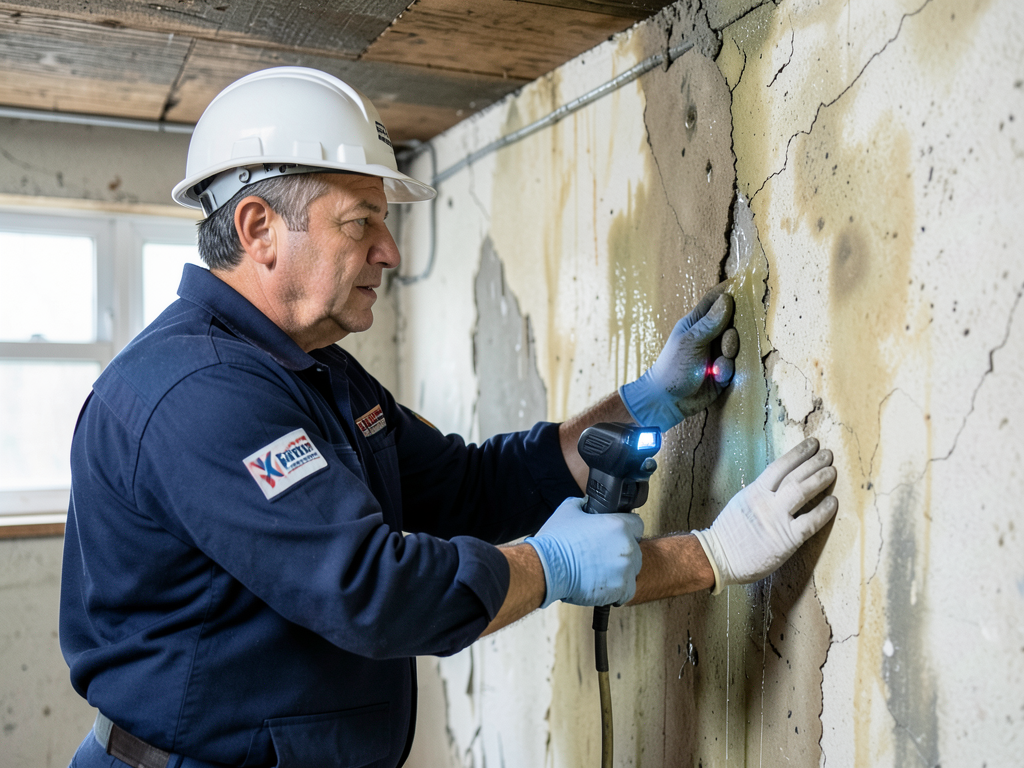
When Titan Water Damage Restoration inspects a basement for seepage, we follow a systematic diagnostic approach. Our technicians use moisture meters to detect hidden dampness in walls and floors. These readings help identify the extent of water intrusion even when visible signs aren’t obvious.. Read more about The Hidden Dangers of Mixing Standing Water and Electrical Outlets After a Flood.
We examine exterior grading using laser levels to determine if water flows toward or away from your foundation. Even a slight negative grade of one inch per foot can direct thousands of gallons of water toward your basement during a heavy storm.
Thermal imaging cameras reveal temperature differences that indicate moisture presence. Wet areas appear cooler on these scans because evaporation creates a cooling effect. This technology helps us locate problem areas behind finished walls without destructive testing.
We also check for proper gutter and downspout function. Clogged gutters overflow, dumping water directly against foundation walls. Downspouts that terminate too close to the house create concentrated water flow that overwhelms soil absorption capacity.
Emergency Response: What to Do When You Discover Seepage
Finding water in your basement requires immediate action to minimize damage. Follow these steps while you wait for professional help: Professional Mold Removal and Remediation for Helotes Homeowners.
- Stop the Water Source
If the seepage is active, try to identify and block the entry point with towels or plastic sheeting. This buys time but won’t solve the underlying problem.
- Remove Valuables
Move furniture, electronics, and important documents to higher ground. Water damage spreads quickly and can destroy irreplaceable items.
- Begin Water Extraction
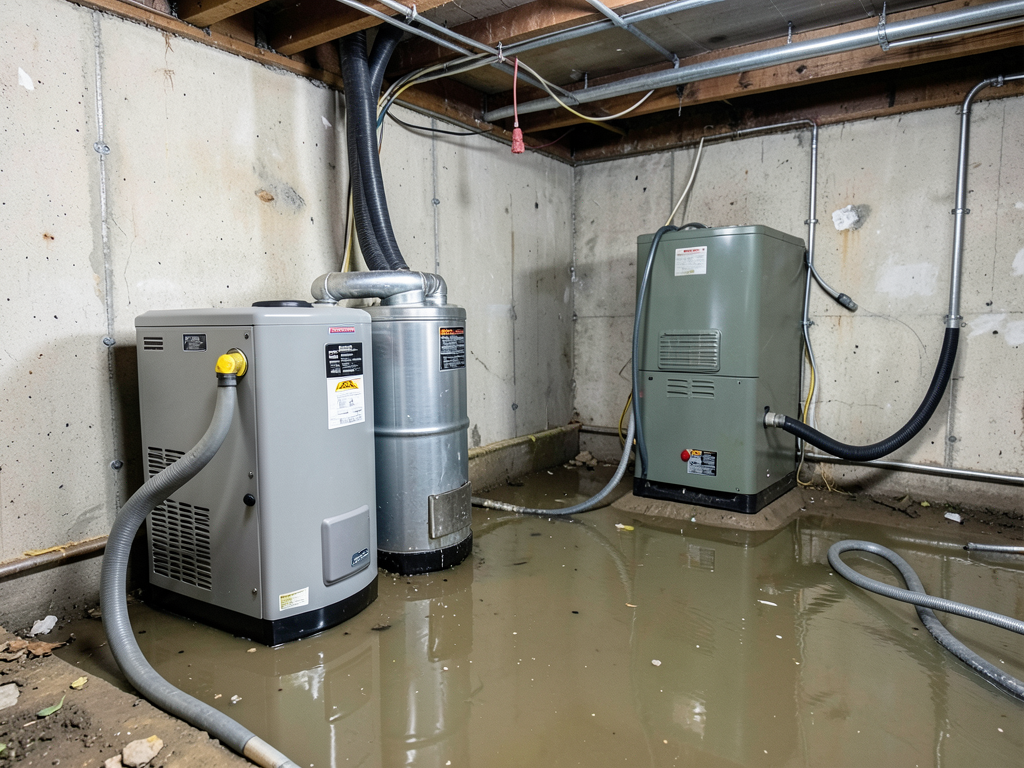
Use wet vacuums or mops to remove standing water. The longer water sits, the more damage it causes to flooring and finishes.
- Improve Air Circulation
Open windows if weather permits and use fans to promote drying. This helps prevent mold growth in the critical first 48 hours. Expert tips for drying out hardwood floors in historic King William homes.
- Document Everything
Take photos and videos of all damage before cleanup begins. This documentation proves essential for insurance claims.
Time becomes your enemy in water damage situations. Mold can establish itself within 24-48 hours, and structural materials begin deteriorating almost immediately upon water contact. Professional water damage restoration teams like Titan arrive equipped with industrial-grade extraction equipment, dehumidifiers, and antimicrobial treatments that can save materials and prevent secondary damage.
Long-Term Solutions for Persistent Basement Seepage
Addressing basement seepage requires a comprehensive approach that tackles both symptoms and root causes. Simple fixes like applying waterproof paint to interior walls provide temporary relief but don’t address the fundamental water pressure problem.
Exterior waterproofing represents the most effective long-term solution. This process involves excavating around your foundation, repairing any cracks, applying a waterproof membrane, and installing drainage systems that direct water away from your home. While this approach requires significant investment, it provides permanent protection against water intrusion.
Interior drainage systems offer another solution for homes where exterior excavation isn’t practical. These systems collect water that enters through walls and floor joints, channeling it to a sump pump for removal. Modern systems include battery backup pumps to ensure operation during power outages when storms often cause the most damage.
Foundation repair might be necessary if structural issues contribute to your seepage problems. Techniques like carbon fiber reinforcement, wall anchors, or helical piers can stabilize bowing or cracking walls, preventing further deterioration while addressing water entry points.
Cost Considerations for Professional Water Damage Restoration
The cost of addressing basement seepage varies significantly based on the extent of damage and required repairs. Minor water extraction and drying might cost between $500 and $1,500 for a typical San Antonio home. More extensive restoration involving structural repairs, mold remediation, and waterproofing can range from $5,000 to $15,000 or more.
Insurance coverage depends on your specific policy and the cause of water intrusion. Standard homeowners policies typically cover sudden and accidental water damage but exclude gradual seepage or flooding. Separate flood insurance through the National Flood Insurance Program (NFIP) might be necessary for comprehensive protection.
Professional restoration companies like Titan work directly with insurance providers to streamline the claims process. Our technicians document damage thoroughly, provide detailed estimates, and communicate directly with adjusters to ensure proper coverage for necessary repairs.
Preventing Future Basement Water Problems
Prevention costs far less than emergency restoration. Regular maintenance of your home’s water management systems can prevent most basement seepage issues. Clean gutters and downspouts at least twice yearly, more often if your property has many trees. Emergency Roof Tarping and Water Mitigation Services in Shavano Park.
Check your yard’s grading annually, especially after construction or landscaping changes that might have altered drainage patterns. Soil settles over time, creating negative grades that direct water toward your foundation.
Inspect your foundation for new cracks each season. Even small changes can indicate developing problems that need professional attention before they become major issues.
Consider installing a backup sump pump system if you already have a primary pump. Power outages during storms often coincide with the heaviest rainfall, leaving your basement vulnerable when you need protection most.
Monitor your water bill for unexplained increases that might indicate hidden leaks. Even small leaks can create enough moisture to support mold growth and attract pests.
Why Professional Restoration Beats DIY Approaches
Many homeowners attempt to handle basement water problems themselves, only to discover too late that they’ve addressed symptoms rather than causes. Professional water damage restoration companies bring expertise, equipment, and systematic approaches that DIY methods cannot match.
Industrial-grade dehumidifiers remove moisture much more effectively than household fans or dehumidifiers. These units can extract gallons of water per day, rapidly drying materials to prevent mold growth and structural damage.
Professional moisture meters and thermal imaging reveal hidden water that homeowners cannot detect. This technology ensures complete drying, preventing future problems that might develop from trapped moisture.
Antimicrobial treatments applied by certified technicians prevent mold growth more effectively than household cleaners. These products are formulated specifically for water damage restoration and include ingredients that inhibit future microbial growth.
Most importantly, professional restoration addresses the underlying causes of water intrusion. While DIY approaches might dry visible water, they often miss the drainage or structural issues that will cause problems to recur.
Frequently Asked Questions
How quickly should I respond to basement seepage?
Immediate response within 24-48 hours is critical. Mold can begin growing within this timeframe, and structural materials start deteriorating almost immediately upon water contact. The longer water remains, the more extensive and expensive the damage becomes.
Will my homeowners insurance cover basement seepage repairs?
Coverage depends on your policy and the cause of water intrusion. Sudden and accidental damage from burst pipes is typically covered, while gradual seepage or flooding usually requires separate flood insurance. Review your policy or contact your insurance agent to understand your specific coverage.
How can I tell if my basement seepage is a serious problem?
Active water entry, visible foundation cracks, musty odors, and recurring damp spots indicate serious problems requiring professional attention. Even small amounts of water can cause significant damage over time, so don’t dismiss minor seepage as harmless.
What causes basement seepage in San Antonio specifically?
San Antonio’s expansive clay soil, sudden heavy rainfall events, and proximity to the Edwards Aquifer create unique challenges. The clay expands when wet and contracts when dry, creating stress on foundation walls. Poor neighborhood drainage and high water tables in certain areas compound these problems.
How long does professional water damage restoration take?
Initial water extraction and drying typically takes 3-5 days for moderate damage. Complete restoration including repairs and reconstruction can take several weeks depending on the extent of damage and required work. Your restoration company should provide a detailed timeline after initial assessment.
Take Action Before Your Basement Becomes a Disaster Zone
Basement seepage represents more than an inconvenience; it threatens your home’s structural integrity and your family’s health. The combination of San Antonio’s unique soil conditions, climate patterns, and aging infrastructure creates a perfect storm for basement water problems.
Don’t wait until you’re standing in inches of water to seek help. If you notice any warning signs of basement seepage, call Titan Water Damage Restoration immediately. Our certified technicians arrive within 60 minutes of your call, equipped with the tools and expertise to stop water intrusion and prevent further damage.
Pick up the phone and call (210) 390-5977 today to schedule your inspection. Early intervention saves thousands in repair costs and protects your home from the devastating effects of water damage. Your basement’s problems won’t fix themselves, but with professional help, you can keep your lower level dry and your home safe for years to come.
You may also find this helpful. Protecting Your Timberwood Park Property from Crawl Space Moisture and Rot.
{
“@context”: “https://schema.org”,
“@type”: “BlogPosting”,
“headline”: “Why Your San Antonio Neighborhood Drainage Might Be Causing Basement Seepage”,
“description”: “Discover how San Antonio’s expansive clay soil and poor neighborhood drainage cause basement seepage. Learn warning signs, risks, and when to call Titan for emergency water damage restoration.”,
“wordCount”: 2150,
“datePublished”: “2026-03-23T12:27:00.000Z”,
“dateModified”: “2026-03-23T12:27:00.000Z”,
“inLanguage”: “en-US”,
“mainEntityOfPage”: {
“@type”: “WebPage”,
“@id”: “https://titanwaterdamagerestorationsanantonio.com”
},
“publisher”: {
“@type”: “LocalBusiness”,
“name”: “Titan Water Damage Restoration San Antonio”,
“url”: “https://titanwaterdamagerestorationsanantonio.com”
},
“author”: {
“@type”: “Organization”,
“name”: “Titan Water Damage Restoration San Antonio”,
“url”: “https://titanwaterdamagerestorationsanantonio.com”
},
“image”: {
“@type”: “ImageObject”,
“url”: “https://titanwaterdamagerestorationsanantonio.com/wp-content/uploads/2026/03/why-your-san-antonio-neighborhood-drainage-might-b-1.png”
}
}
{
“@context”: “https://schema.org”,
“@type”: “LocalBusiness”,
“name”: “Titan Water Damage Restoration San Antonio”,
“url”: “https://titanwaterdamagerestorationsanantonio.com”,
“address”: {
“@type”: “PostalAddress”,
“addressLocality”: “San Antonio”
},
“areaServed”: {
“@type”: “City”,
“name”: “San Antonio”
}
}
{
“@context”: “https://schema.org”,
“@type”: “FAQPage”,
“mainEntity”: [
{
“@type”: “Question”,
“name”: “How quickly should I respond to basement seepage?”,
“acceptedAnswer”: {
“@type”: “Answer”,
“text”: “Immediate response within 24-48 hours is critical. Mold can begin growing within this timeframe, and structural materials start deteriorating almost immediately upon water contact. The longer water remains, the more extensive and expensive the damage becomes.”
}
},
{
“@type”: “Question”,
“name”: “Will my homeowners insurance cover basement seepage repairs?”,
“acceptedAnswer”: {
“@type”: “Answer”,
“text”: “Coverage depends on your policy and the cause of water intrusion. Sudden and accidental damage from burst pipes is typically covered, while gradual seepage or flooding usually requires separate flood insurance. Review your policy or contact your insurance agent to understand your specific coverage.”
}
},
{
“@type”: “Question”,
“name”: “What causes basement seepage in San Antonio specifically?”,
“acceptedAnswer”: {
“@type”: “Answer”,
“text”: “San Antonio’s expansive clay soil, sudden heavy rainfall events, and proximity to the Edwards Aquifer create unique challenges. The clay expands when wet and contracts when dry, creating stress on foundation walls. Poor neighborhood drainage and high water tables in certain areas compound these problems.”
}
},
{
“@type”: “Question”,
“name”: “How long does professional water damage restoration take?”,
“acceptedAnswer”: {
“@type”: “Answer”,
“text”: “Initial water extraction and drying typically takes 3-5 days for moderate damage. Complete restoration including repairs and reconstruction can take several weeks depending on the extent of damage and required work. Your restoration company should provide a detailed timeline after initial assessment.”
}
}
]
}
{
“@context”: “https://schema.org”,
“@type”: “HowTo”,
“name”: “Emergency Basement Water Response”,
“step”: [
{
“@type”: “HowToStep”,
“position”: 1,
“name”: “Stop the Water Source”,
“text”: “If the seepage is active, try to identify and block the entry point with towels or plastic sheeting. This buys time but won’t solve the underlying problem.”
},
{
“@type”: “HowToStep”,
“position”: 2,
“name”: “Remove Valuables”,
“text”: “Move furniture, electronics, and important documents to higher ground. Water damage spreads quickly and can destroy irreplaceable items.”
},
{
“@type”: “HowToStep”,
“position”: 3,
“name”: “Begin Water Extraction”,
“text”: “Use wet vacuums or mops to remove standing water. The longer water sits, the more damage it causes to flooring and finishes.”
},
{
“@type”: “HowToStep”,
“position”: 4,
“name”: “Improve Air Circulation”,
“text”: “Open windows if weather permits and use fans to promote drying. This helps prevent mold growth in the critical first 48 hours. Expert tips for drying out hardwood floors in historic King William homes.”
},
{
“@type”: “HowToStep”,
“position”: 5,
“name”: “Document Everything”,
“text”: “Take photos and videos of all damage before cleanup begins. This documentation proves essential for insurance claims.”
}
],
“image”: “https://titanwaterdamagerestorationsanantonio.com/wp-content/uploads/2026/03/why-your-san-antonio-neighborhood-drainage-might-b-1.png”
}
{
“@context”: “https://schema.org”,
“@type”: “BreadcrumbList”,
“itemListElement”: [
{
“@type”: “ListItem”,
“position”: 1,
“name”: “Home”,
“item”: “https://titanwaterdamagerestorationsanantonio.com”
},
{
“@type”: “ListItem”,
“position”: 2,
“name”: “Blog”,
“item”: “https://titanwaterdamagerestorationsanantonio.com/blog”
},
{
“@type”: “ListItem”,
“position”: 3,
“name”: “Why Your San Antonio Neighborhood Drainage Might Be Causing Basement Seepage”
}
]
}
{
“@context”: “https://schema.org”,
“@type”: “Service”,
“serviceType”: “Water Damage Restoration”,
“provider”: {
“@type”: “LocalBusiness”,
“name”: “Titan Water Damage Restoration San Antonio”,
“url”: “https://titanwaterdamagerestorationsanantonio.com”
},
“areaServed”: {
“@type”: “City”,
“name”: “San Antonio”
},
“description”: “Discover how San Antonio’s expansive clay soil and poor neighborhood drainage cause basement seepage. Learn warning signs, risks, and when to call Titan for emergency water damage restoration.”
}