
Protecting Your Timberwood Park Property from Crawl Space Moisture and Rot
High humidity and expansive clay soil in Timberwood Park create perfect conditions for crawl space moisture problems. Wood rot, mold growth, and foundation issues develop silently beneath your home. You need to understand the local environmental factors and implement proven moisture control solutions before costly damage occurs. Water Damage Restoration Kirby.
Why Timberwood Park Crawl Spaces Face Unique Moisture Challenges
Timberwood Park sits on the Blackland Prairie where clay-rich soil expands when wet and contracts when dry. This movement creates pressure on crawl space walls and foundation piers. The area receives an average of 33 inches of rainfall annually with seasonal humidity levels often exceeding 80 percent. These conditions trap moisture beneath homes with crawl space foundations.
Local building practices in Timberwood Park often include pier-and-beam construction on sloped lots. The elevation changes that provide scenic views also create drainage challenges. Water flows toward lower areas collecting under crawl spaces. Without proper vapor barriers and drainage systems, moisture accumulates continuously.
The Edwards Aquifer recharge zone affects groundwater levels throughout the area. During wet seasons, the water table rises closer to the surface increasing hydrostatic pressure on crawl space foundations. This pressure forces moisture through concrete blocks and wood framing creating ideal conditions for rot and pest infestations.
Common Signs of Crawl Space Moisture Problems
You might notice musty odors throughout your home indicating mold growth beneath the floor. Sagging or bouncy floors suggest wood rot has weakened floor joists. High indoor humidity levels make your air conditioning work harder and increase energy bills. These symptoms often appear before visible damage becomes apparent.
Efflorescence on crawl space walls shows where water has evaporated leaving mineral deposits. This white powdery substance indicates ongoing moisture intrusion. Termite activity increases in damp crawl spaces as these pests prefer moist wood for tunneling. You might find mud tubes or damaged wood during inspections.
Condensation on HVAC ducts and plumbing pipes creates additional moisture problems. Water droplets form when warm humid air contacts cold surfaces. Over time this condensation drips onto insulation and wood creating perfect conditions for mold growth. The problem compounds as more moisture leads to more condensation.
San Antonio Building Code Requirements for Crawl Spaces
The City of San Antonio Municipal Code Section 16-30-100 requires proper drainage away from building foundations. This code mandates that finished grade slopes away from structures at a minimum of 6 inches within the first 10 feet. Many Timberwood Park homes fail to meet this requirement due to landscaping changes over time.
Current building standards require Class I vapor barriers with minimum 6-mil thickness for crawl spaces. However, industry best practices now recommend 12-mil or 20-mil reinforced vapor barriers for better durability. The International Residential Code (IRC) Section R408.9 addresses unvented crawl space construction requiring continuous vapor barriers and mechanical ventilation.
Permits are required for crawl space encapsulation projects in San Antonio. The permit process ensures compliance with local codes and proper installation methods. Licensed contractors must follow manufacturer specifications and building code requirements for all moisture control installations.
Professional Crawl Space Moisture Control Solutions
Complete Crawl Space Encapsulation Systems
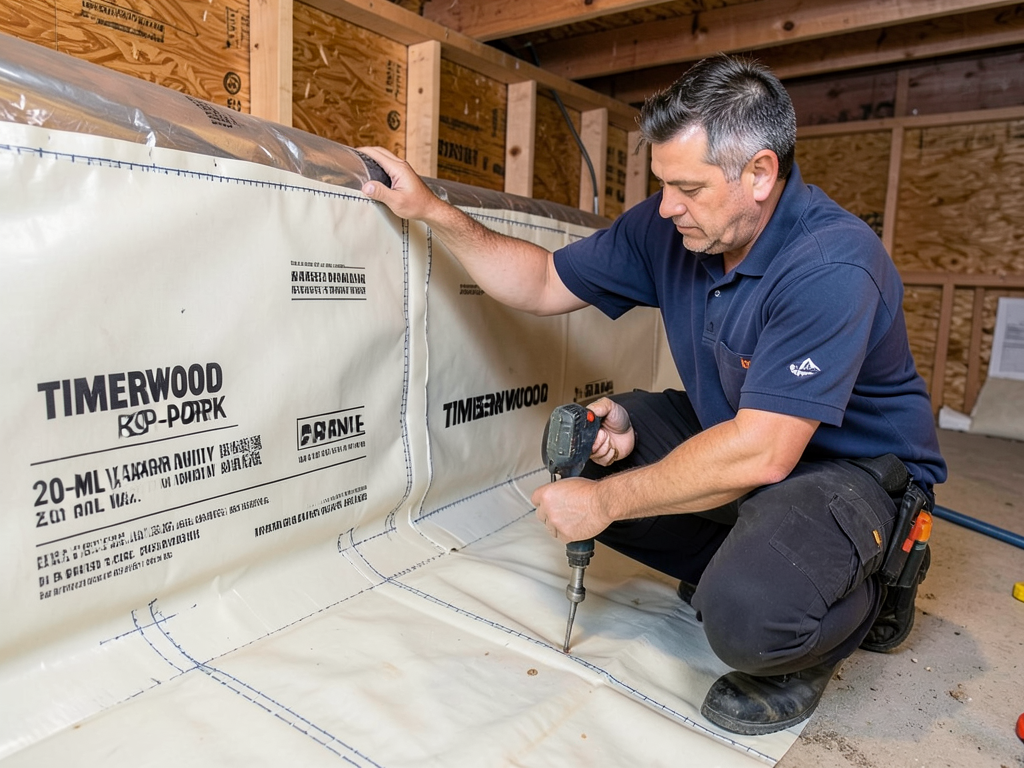
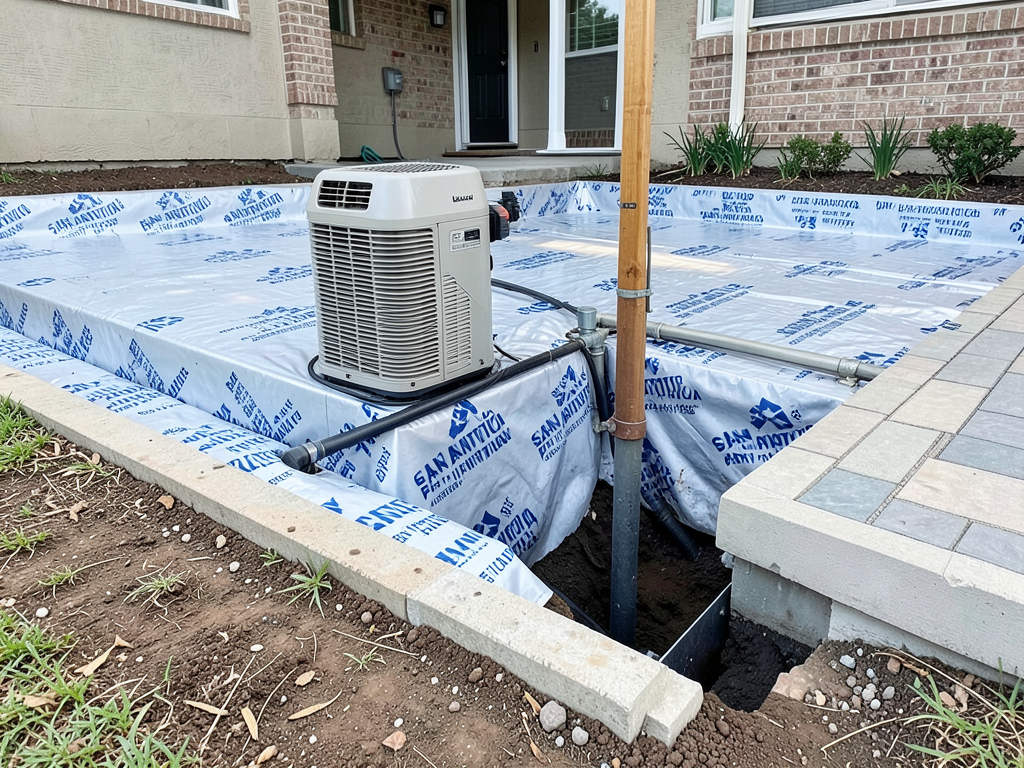
Professional encapsulation involves sealing the entire crawl space with reinforced vapor barriers. The process starts with removing debris and addressing standing water issues. Technicians install drainage systems and sump pumps where needed. Heavy-duty vapor barriers cover floors and extend up foundation walls creating a sealed environment. Professional Mold Removal and Remediation for Helotes Homeowners.
Sealing seams with specialized tape and sealing around piers and penetrations prevents moisture migration. The barrier material typically ranges from 12-mil to 20-mil thickness depending on soil conditions and expected traffic. Reinforced barriers resist tears from maintenance workers and pest activity better than standard materials.
Dehumidification systems maintain relative humidity below 60 percent preventing mold growth. Properly sized commercial-grade dehumidifiers with condensate pumps remove moisture continuously. The sealed environment allows the dehumidifier to work efficiently without constant introduction of humid outdoor air.
French Drain and Exterior Grading Solutions
French drains redirect water away from crawl space foundations. Perforated pipe surrounded by gravel collects surface and subsurface water channeling it to appropriate discharge points. The system works with natural grade changes to move water away from problem areas before it reaches your crawl space.
Exterior grading corrections often solve chronic moisture problems. Adding soil to create positive drainage slopes away from the foundation costs less than interior drainage systems. However, proper compaction and grading techniques prevent future settling that could recreate drainage problems.
Surface drainage improvements include extending downspouts at least 5 feet from the foundation. Gutter systems must handle local rainfall volumes without overflowing near the foundation. Clean gutters and properly functioning downspouts prevent concentrated water flow against crawl space walls.
Structural Repairs and Wood Rot Treatment
Wood rot requires removal of damaged material and replacement with pressure-treated lumber. The repair process starts with identifying the extent of damage using moisture meters and visual inspection. Soft or crumbling wood indicates advanced rot requiring immediate attention to prevent structural failure. EPA Mold Resources.
Antimicrobial treatments prevent future mold growth on remaining wood surfaces. EPA-registered fungicides penetrate wood fibers killing existing mold and creating barriers against future growth. These treatments work best when combined with moisture control to prevent recurring problems.
Foundation pier repairs stabilize sagging floors caused by moisture damage. Steel adjustable piers provide permanent support where wood posts have deteriorated. The repair process includes leveling floors and addressing the moisture source to prevent future damage to new materials.
The Moisture Control Installation Process
- Comprehensive Inspection
Technicians evaluate current conditions using moisture meters, hygrometers, and thermal imaging cameras. They identify water entry points, existing damage, and code compliance issues. The inspection includes checking for pest activity and structural concerns.
- Water Removal and Cleaning
Standing water extraction using submersible pumps prepares the area for repairs. Removal of debris, old insulation, and damaged materials creates a clean work surface. This step prevents contamination of new materials.
- Drainage System Installation
French drains, sump pumps, and surface grading corrections address water entry. Proper slope calculations ensure water flows away from the foundation. Discharge locations comply with local codes and prevent water from returning to the crawl space.
- Vapor Barrier Installation
Heavy-duty barriers cover floors and extend up walls creating sealed envelopes. Seams overlap and seal completely preventing moisture migration. Special attention to penetrations and transitions ensures complete coverage.
- Dehumidification System Setup
Commercial-grade dehumidifiers with proper sizing for the space volume maintain target humidity levels. Condensate pumps remove collected water automatically. Digital controls allow monitoring and adjustment of operating parameters.
- Structural Repairs
Wood rot replacement and pier repairs restore structural integrity. Pressure-treated materials resist future moisture damage. Proper fastening and alignment ensure long-term stability.
- Final Testing and Documentation
Moisture levels verify system effectiveness. Documentation includes before and after readings, warranty information, and maintenance recommendations. The final inspection confirms code compliance and proper operation.
Benefits of Professional Moisture Control in Timberwood Park
Professional moisture control protects your home investment by preventing structural damage. Wood rot weakens floor joists and support beams potentially leading to collapse. Early intervention costs less than emergency repairs after structural failure occurs. The sealed environment also prevents pest infestations that thrive in damp conditions. Emergency Roof Tarping and Water Mitigation Services in Shavano Park.
Energy efficiency improves significantly with proper crawl space moisture control. High humidity forces air conditioning systems to work harder cooling moist air. The sealed environment reduces the load on HVAC equipment lowering utility bills. Many homeowners report 15-20 percent reductions in cooling costs after encapsulation.
Indoor air quality improves when crawl space moisture is controlled. Mold spores and musty odors from damp crawl spaces circulate through your home via the stack effect. The sealed environment prevents these contaminants from entering living spaces. This improvement benefits family members with allergies or respiratory conditions.
Property values increase with documented moisture control improvements. Home inspectors note crawl space conditions during sales transactions. A professionally encapsulated crawl space with proper documentation provides assurance to potential buyers. The investment often returns through increased home value and marketability.
DIY vs Professional Crawl Space Moisture Control
| Aspect | DIY Approach | Professional Service |
|---|---|---|
| Initial Cost | Lower material costs | Higher total investment |
| Code Compliance | Often non-compliant | Meets all local codes |
| Material Quality | Consumer-grade products | Commercial-grade materials |
| Installation Time | Several weekends | 1-3 days typical |
| Long-term Results | Often fails within 2-3 years | 10+ year warranties common |
| Hidden Issues Found | Often missed | Comprehensive inspection included |
DIY moisture control often uses thinner vapor barriers and inadequate sealing methods. Consumer-grade materials tear easily and allow moisture migration through unsealed seams. Without proper drainage systems, water continues entering the crawl space creating pressure on inadequate barriers.
Professional services include warranty coverage and follow-up inspections. The investment includes expertise in local soil conditions, building codes, and moisture control best practices. Professionals identify hidden issues like plumbing leaks or foundation cracks that DIY approaches miss. Expert tips for drying out hardwood floors in historic King William homes.
Maintenance Requirements for Moisture Control Systems
Regular inspections ensure your moisture control system continues working effectively. Check vapor barriers quarterly for tears or displacement. Look for new water entry points after heavy rainfall. Monitor dehumidifier operation and empty collection tanks when needed.
Plumbing leaks under your home create moisture problems even with good vapor barriers. Check for dripping pipes or signs of water damage during inspections. Address plumbing issues immediately to prevent moisture accumulation beneath your home. What to do immediately when your Alamo Heights home starts flooding.
Dehumidifier maintenance includes cleaning filters monthly and checking condensate pump operation. Replace desiccant materials according to manufacturer recommendations. Professional servicing annually ensures optimal performance and identifies developing issues before they become problems.
Exterior drainage systems require seasonal maintenance. Clear debris from French drains and surface channels. Check downspout extensions for proper positioning after lawn maintenance. Ensure positive drainage slopes remain intact after landscaping changes.
Emergency Response for Severe Moisture Events
Flash flooding in Timberwood Park can overwhelm crawl space drainage systems. When water enters your crawl space rapidly, immediate action prevents extensive damage. Turn off electricity to the affected area before entering standing water. Document damage with photos for insurance purposes.
Professional water extraction equipment removes standing water quickly. Submersible pumps handle large volumes while wet vacuums address smaller areas. The extraction process must be thorough to prevent moisture migration into wood framing and insulation.
Rapid drying prevents mold growth after flooding events. Commercial air movers and dehumidifiers create conditions that dry materials within 24-48 hours. This timeframe is critical as mold begins growing within 24-48 hours under favorable conditions.
Antimicrobial treatments applied after drying prevent mold colonization. EPA-registered products kill existing microorganisms and provide residual protection. The treatment process includes all affected surfaces including wood framing, concrete, and any remaining materials.
Cost Factors for Crawl Space Moisture Control
Project costs vary based on crawl space size, existing conditions, and required repairs. Basic vapor barrier installation starts around $3,000 for small spaces. Complete encapsulation with drainage systems typically ranges from $5,000 to $15,000 depending on complexity.
Structural repairs add significant costs when wood rot or foundation issues exist. Pier replacement costs $1,000 to $3,000 per pier depending on access and required materials. Plumbing repairs necessary to stop leaks add to total project costs.
Professional inspections cost $200 to $500 but identify issues before extensive damage occurs. This investment often saves thousands in emergency repairs. Many companies apply inspection fees toward project costs when customers proceed with recommended work.
Insurance coverage varies for moisture control projects. Standard policies typically exclude preventive measures but cover damage from covered events. Some companies offer specialized endorsements for moisture mitigation systems. Check your policy details for specific coverage information.
Choosing the Right Contractor in Timberwood Park
Verify contractor licensing through the Texas Department of Licensing and Regulation. Licensed contractors carry required insurance including workers’ compensation and liability coverage. Request proof of insurance and verify current status before signing contracts. Texas Department of Licensing and Regulation.
Experience with local conditions matters significantly. Contractors familiar with Timberwood Park’s soil types, building practices, and climate challenges provide better solutions. Ask about specific experience with pier-and-beam construction common in the area.
Request detailed written proposals outlining materials, methods, and warranties. Compare proposals based on scope of work rather than price alone. The lowest bid often excludes necessary components or uses inferior materials resulting in higher long-term costs.
Check references from local customers with similar homes. Ask about communication, timeliness, and warranty service. Online reviews provide additional insights but verify they represent actual customers with completed projects in the area.
Frequently Asked Questions
How long does crawl space moisture control installation take?
Most projects complete in 2-5 days depending on size and required repairs. Simple vapor barrier installation takes 1-2 days while complete encapsulation with structural repairs requires 3-5 days. Weather conditions and material availability can affect timelines.
Will I need to vacate my home during installation?
Most installations allow you to remain in your home. Work zones restrict access to crawl spaces only. Some structural repairs may require temporary utility shutoffs. Your contractor provides specific requirements based on your project scope.
How much does professional crawl space moisture control cost?
Costs range from $3,000 to $15,000 depending on size, existing conditions, and required repairs. Basic vapor barriers start around $3,000 while complete encapsulation with drainage systems average $8,000 to $12,000. Structural repairs add $2,000 to $10,000 to project costs.
Do I need permits for crawl space moisture control in San Antonio?
Yes, permits are required for crawl space encapsulation and structural repairs in San Antonio. The permit process ensures code compliance and proper installation methods. Licensed contractors typically handle permit acquisition as part of their services.
How often should I inspect my crawl space after moisture control installation?
Quarterly inspections help identify developing issues early. Check vapor barriers for tears, monitor dehumidifier operation, and look for new water entry points. Annual professional inspections provide comprehensive evaluation and maintenance recommendations.
Can moisture problems return after professional treatment?
Properly installed systems with adequate drainage prevent most recurring issues. Plumbing leaks, exterior water entry, or system failures can cause moisture problems to return. Regular maintenance and prompt repairs prevent minor issues from becoming major problems.
What’s the difference between vapor barrier and encapsulation?
Vapor barriers cover floors only with minimal sealing. Encapsulation seals floors, walls, and piers creating a complete moisture barrier. Encapsulation includes dehumidification and drainage systems while basic vapor barriers provide minimal moisture control.
How do I know if my crawl space has moisture problems?
Musty odors, sagging floors, high indoor humidity, and visible mold indicate moisture problems. Efflorescence on walls, termite activity, and condensation on pipes provide additional clues. Professional moisture meters detect problems before visible symptoms appear.
Take Action to Protect Your Timberwood Park Home
Crawl space moisture problems worsen over time causing structural damage and health concerns. The combination of Timberwood Park’s clay soil, high humidity, and local rainfall patterns creates perfect conditions for moisture accumulation. Professional moisture control provides permanent solutions protecting your home investment.
Early intervention costs significantly less than emergency repairs after structural failure occurs. The peace of mind from knowing your crawl space is protected justifies the investment. Your family deserves a healthy home environment free from mold, pests, and structural concerns.
Call (210) 390-5977 today to schedule your comprehensive crawl space inspection. Our local experts understand Timberwood Park’s unique challenges and provide solutions that last. Don’t wait for visible damage to appear before taking action. Your home deserves professional moisture control protection now.
Pick up the phone and call (210) 390-5977 before the next heavy rainfall finds weaknesses in your current moisture control. Our team provides free inspections and detailed proposals for homes throughout Timberwood Park and surrounding San Antonio communities.
Protect your home investment with professional crawl space moisture control. Call (210) 390-5977 now to speak with a local expert about your specific situation. We’ll identify problems, explain solutions, and provide clear pricing with no hidden costs. Your home deserves the best protection available.
{
“@context”: “https://schema.org”,
“@type”: “BlogPosting”,
“headline”: “Protecting Your Timberwood Park Property from Crawl Space Moisture and Rot”,
“description”: “Crawl space moisture control for Timberwood Park homes. Learn to prevent wood rot, mold, and foundation damage in San Antonio’s humid climate.”,
“wordCount”: 2665,
“datePublished”: “2026-03-13T14:35:00.000Z”,
“dateModified”: “2026-03-13T14:35:00.000Z”,
“inLanguage”: “en-US”,
“mainEntityOfPage”: {
“@type”: “WebPage”,
“@id”: “https://titanwaterdamagerestorationsanantonio.com”
},
“publisher”: {
“@type”: “LocalBusiness”,
“name”: “Titan Water Damage Restoration San Antonio”,
“url”: “https://titanwaterdamagerestorationsanantonio.com”
},
“author”: {
“@type”: “Organization”,
“name”: “Titan Water Damage Restoration San Antonio”,
“url”: “https://titanwaterdamagerestorationsanantonio.com”
},
“image”: {
“@type”: “ImageObject”,
“url”: “https://titanwaterdamagerestorationsanantonio.com/wp-content/uploads/2026/03/protecting-your-timberwood-park-property-from-craw-1.png”
}
}
{
“@context”: “https://schema.org”,
“@type”: “LocalBusiness”,
“name”: “Titan Water Damage Restoration San Antonio”,
“url”: “https://titanwaterdamagerestorationsanantonio.com”,
“address”: {
“@type”: “PostalAddress”,
“addressLocality”: “San Antonio”
},
“areaServed”: {
“@type”: “City”,
“name”: “San Antonio”
}
}
{
“@context”: “https://schema.org”,
“@type”: “FAQPage”,
“mainEntity”: [
{
“@type”: “Question”,
“name”: “How long does crawl space moisture control installation take?”,
“acceptedAnswer”: {
“@type”: “Answer”,
“text”: “Most projects complete in 2-5 days depending on size and required repairs. Simple vapor barrier installation takes 1-2 days while complete encapsulation with structural repairs requires 3-5 days. Weather conditions and material availability can affect timelines.”
}
},
{
“@type”: “Question”,
“name”: “Will I need to vacate my home during installation?”,
“acceptedAnswer”: {
“@type”: “Answer”,
“text”: “Most installations allow you to remain in your home. Work zones restrict access to crawl spaces only. Some structural repairs may require temporary utility shutoffs. Your contractor provides specific requirements based on your project scope.”
}
},
{
“@type”: “Question”,
“name”: “How much does professional crawl space moisture control cost?”,
“acceptedAnswer”: {
“@type”: “Answer”,
“text”: “Costs range from $3,000 to $15,000 depending on size, existing conditions, and required repairs. Basic vapor barriers start around $3,000 while complete encapsulation with drainage systems average $8,000 to $12,000. Structural repairs add $2,000 to $10,000 to project costs.”
}
},
{
“@type”: “Question”,
“name”: “Do I need permits for crawl space moisture control in San Antonio?”,
“acceptedAnswer”: {
“@type”: “Answer”,
“text”: “Yes, permits are required for crawl space encapsulation and structural repairs in San Antonio. The permit process ensures code compliance and proper installation methods. Licensed contractors typically handle permit acquisition as part of their services.”
}
},
{
“@type”: “Question”,
“name”: “How often should I inspect my crawl space after moisture control installation?”,
“acceptedAnswer”: {
“@type”: “Answer”,
“text”: “Quarterly inspections help identify developing issues early. Check vapor barriers for tears, monitor dehumidifier operation, and look for new water entry points. Annual professional inspections provide comprehensive evaluation and maintenance recommendations.”
}
},
{
“@type”: “Question”,
“name”: “Can moisture problems return after professional treatment?”,
“acceptedAnswer”: {
“@type”: “Answer”,
“text”: “Properly installed systems with adequate drainage prevent most recurring issues. Plumbing leaks, exterior water entry, or system failures can cause moisture problems to return. Regular maintenance and prompt repairs prevent minor issues from becoming major problems.”
}
},
{
“@type”: “Question”,
“name”: “What’s the difference between vapor barrier and encapsulation?”,
“acceptedAnswer”: {
“@type”: “Answer”,
“text”: “Vapor barriers cover floors only with minimal sealing. Encapsulation seals floors, walls, and piers creating a complete moisture barrier. Encapsulation includes dehumidification and drainage systems while basic vapor barriers provide minimal moisture control.”
}
},
{
“@type”: “Question”,
“name”: “How do I know if my crawl space has moisture problems?”,
“acceptedAnswer”: {
“@type”: “Answer”,
“text”: “Musty odors, sagging floors, high indoor humidity, and visible mold indicate moisture problems. Efflorescence on walls, termite activity, and condensation on pipes provide additional clues. Professional moisture meters detect problems before visible symptoms appear.”
}
}
]
}
{
“@context”: “https://schema.org”,
“@type”: “HowTo”,
“name”: “Professional Crawl Space Moisture Control Installation”,
“step”: [
{
“@type”: “HowToStep”,
“position”: 1,
“name”: “Comprehensive Inspection”,
“text”: “Technicians evaluate current conditions using moisture meters, hygrometers, and thermal imaging cameras. They identify water entry points, existing damage, and code compliance issues. The inspection includes checking for pest activity and structural concerns.”
},
{
“@type”: “HowToStep”,
“position”: 2,
“name”: “Water Removal and Cleaning”,
“text”: “Standing water extraction using submersible pumps prepares the area for repairs. Removal of debris, old insulation, and damaged materials creates a clean work surface. This step prevents contamination of new materials.”
},
{
“@type”: “HowToStep”,
“position”: 3,
“name”: “Drainage System Installation”,
“text”: “French drains, sump pumps, and surface grading corrections address water entry. Proper slope calculations ensure water flows away from the foundation. Discharge locations comply with local codes and prevent water from returning to the crawl space.”
},
{
“@type”: “HowToStep”,
“position”: 4,
“name”: “Vapor Barrier Installation”,
“text”: “Heavy-duty barriers cover floors and extend up walls creating sealed envelopes. Seams overlap and seal completely preventing moisture migration. Special attention to penetrations and transitions ensures complete coverage.”
},
{
“@type”: “HowToStep”,
“position”: 5,
“name”: “Dehumidification System Setup”,
“text”: “Commercial-grade dehumidifiers with proper sizing for the space volume maintain target humidity levels. Condensate pumps remove collected water automatically. Digital controls allow monitoring and adjustment of operating parameters.”
},
{
“@type”: “HowToStep”,
“position”: 6,
“name”: “Structural Repairs”,
“text”: “Wood rot replacement and pier repairs restore structural integrity. Pressure-treated materials resist future moisture damage. Proper fastening and alignment ensure long-term stability.”
},
{
“@type”: “HowToStep”,
“position”: 7,
“name”: “Final Testing and Documentation”,
“text”: “Moisture levels verify system effectiveness. Documentation includes before and after readings, warranty information, and maintenance recommendations. The final inspection confirms code compliance and proper operation.”
}
],
“image”: “https://titanwaterdamagerestorationsanantonio.com/wp-content/uploads/2026/03/protecting-your-timberwood-park-property-from-craw-1.png”
}
{
“@context”: “https://schema.org”,
“@type”: “BreadcrumbList”,
“itemListElement”: [
{
“@type”: “ListItem”,
“position”: 1,
“name”: “Home”,
“item”: “https://titanwaterdamagerestorationsanantonio.com”
},
{
“@type”: “ListItem”,
“position”: 2,
“name”: “Blog”,
“item”: “https://titanwaterdamagerestorationsanantonio.com/blog”
},
{
“@type”: “ListItem”,
“position”: 3,
“name”: “Protecting Your Timberwood Park Property from Crawl Space Moisture and Rot”
}
]
}
{
“@context”: “https://schema.org”,
“@type”: “Service”,
“serviceType”: “Water Damage Restoration”,
“provider”: {
“@type”: “LocalBusiness”,
“name”: “Titan Water Damage Restoration San Antonio”,
“url”: “https://titanwaterdamagerestorationsanantonio.com”
},
“areaServed”: {
“@type”: “City”,
“name”: “San Antonio”
},
“description”: “Crawl space moisture control for Timberwood Park homes. Learn to prevent wood rot, mold, and foundation damage in San Antonio’s humid climate.”
}