
The Hidden Connection Between San Antonio Humidity and Mold Growth Under Your Wallpaper
San Antonio’s humidity levels regularly exceed 70% throughout the year, creating the perfect conditions for mold to grow in the hidden spaces behind your wallpaper. When warm, moisture-laden air meets the cooler surfaces of your interior walls, condensation forms in the wall cavity. Vinyl wallpaper acts as a vapor barrier, trapping this moisture against the drywall where mold spores can flourish unseen. If you’ve noticed peeling edges, bubbling surfaces, or a musty smell near your walls, you may have a serious mold problem developing right behind your wallpaper.. Read more about Why Waterproof Vinyl Plank Flooring Can Still Trap Moisture and Grow Mold.
The combination of San Antonio’s intense summer heat and our high dew points creates a unique moisture challenge for homes. When your air conditioning runs constantly to combat outdoor temperatures that often exceed 95°F, the temperature differential between your cooled interior and the humid exterior air can reach 20-30 degrees. This temperature swing causes moisture to condense inside wall cavities, especially in homes with older insulation or where the vapor barrier has been compromised by wallpaper installation.. Read more about What Exactly Happens Inside Your Walls During the First 24 Hours of a Leak.
Warning Signs of Mold Growth Behind Wallpaper
Recognizing the early warning signs of mold under wallpaper can save you thousands in remediation costs. The first indicator is often visual: wallpaper that begins to peel or bubble at the edges, particularly in bathrooms, kitchens, or rooms with south-facing walls that receive direct sunlight. These bubbles indicate moisture accumulation between the wallpaper and the wall surface.
Another telltale sign is a persistent musty odor that intensifies when you’re near certain walls. This smell comes from microbial volatile organic compounds (MVOCs) released by actively growing mold colonies. You might also notice dark spotting or discoloration appearing through the wallpaper surface, which indicates mold has already established itself and is visible through the wall covering.
Pay attention to areas where plumbing runs through walls or where exterior walls meet interior spaces. These transition zones are particularly vulnerable to condensation and subsequent mold growth. If you press on suspicious areas and feel dampness or sponginess, moisture has definitely penetrated the wall cavity.
The Science Behind Wallpaper Vapor Barrier Problems
Vinyl wallpaper creates a non-permeable barrier that prevents moisture from escaping your walls. In San Antonio’s climate, this becomes problematic because the wallpaper traps humidity against the drywall surface. When warm, humid air contacts the cooler wall surface behind the wallpaper, condensation forms. This moisture has nowhere to go because the vinyl covering prevents evaporation.. Read more about Why Your San Antonio Windows Are Sweating and What It Means for Your Drywall.
The problem compounds in homes with poor ventilation or where the HVAC system isn’t properly sized for the space. Oversized air conditioners cool rooms quickly but don’t run long enough to remove adequate moisture from the air. This leaves high relative humidity levels that continue to feed mold growth behind your wallpaper.
Older homes in neighborhoods like Alamo Heights and Monte Vista are particularly susceptible because they often have original plaster walls with minimal vapor barriers. When modern vinyl wallpaper is applied over these surfaces, it creates a perfect environment for moisture accumulation and mold development. What to do immediately when your Alamo Heights home starts flooding.
Health Risks of Hidden Mold Exposure
Exposure to mold growing behind wallpaper can cause serious health problems, especially for children, elderly individuals, and those with respiratory conditions. Common symptoms include chronic coughing, sneezing, itchy eyes, skin rashes, and sinus infections. More severe reactions can include asthma attacks, bronchitis, and in rare cases, fungal infections in immunocompromised individuals.
The type of mold commonly found behind wallpaper in San Antonio homes is often Stachybotrys chartarum, commonly known as black mold. This species thrives in constantly moist environments and produces mycotoxins that can cause neurological symptoms, including headaches, memory problems, and mood changes. The danger lies in the fact that this mold grows undisturbed for months or years, continuously releasing spores and toxins into your indoor air.
Professional mold assessment is critical because disturbing mold colonies during DIY removal can release millions of spores into the air. The Texas Department of Licensing and Regulation (TDLR) requires specific containment procedures for mold remediation to prevent cross-contamination of unaffected areas. EPA Mold Resources.
Professional Mold Remediation Process for Wallpapered Surfaces
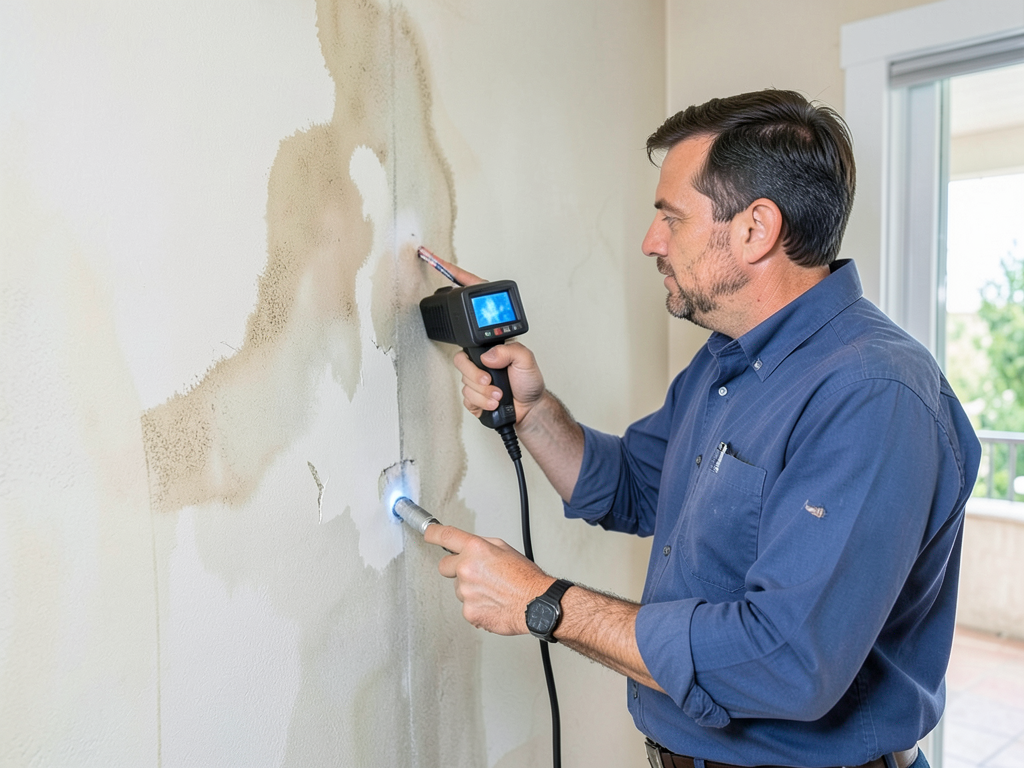
Professional mold remediation for wallpapered areas follows strict protocols established by the IICRC S520 Standard for Professional Mold Remediation. The process begins with a comprehensive inspection using moisture meters and thermal imaging cameras to identify the extent of moisture damage and mold growth. Professional Mold Removal and Remediation for Helotes Homeowners.
Containment is the next critical step. Technicians establish negative air pressure zones using HEPA-filtered air scrubbers to prevent mold spores from spreading to other parts of your home. This containment area is sealed with plastic sheeting and includes airlock entry points for workers.
Wallpaper removal requires specialized techniques to minimize spore release. Professionals use HEPA-filtered vacuum systems during the removal process and carefully bag all contaminated materials for proper disposal according to Texas environmental regulations. The underlying drywall is then assessed for structural integrity and either cleaned or replaced depending on the severity of moisture damage. Texas Mold Assessment and Remediation Rules.
After removal, all affected surfaces receive antimicrobial treatment to eliminate remaining mold spores and prevent regrowth. The area is then dried using commercial dehumidifiers and air movers to achieve moisture content levels below 16% in the affected materials, which is the threshold for preventing future mold growth.
San Antonio Building Code Requirements for Mold Remediation
Texas law, specifically the Texas Mold Assessment and Remediation Rules (TMARR) under Title 22, Part 5, Chapter 295 of the Texas Administrative Code, governs mold remediation in residential properties. These regulations require that mold assessment and remediation be performed by licensed professionals who must maintain specific insurance coverage and follow detailed documentation procedures.
In San Antonio, the City’s Property Maintenance Code requires that all interior surfaces be kept free from mold and mildew accumulation. When remediation is performed, the work must comply with both state licensing requirements and local building standards for moisture control and ventilation.
Commercial properties in San Antonio must also comply with OSHA regulations regarding indoor air quality and worker protection during mold remediation activities. This includes specific requirements for personal protective equipment (PPE) and air monitoring during the remediation process.
Preventing Future Mold Growth Under Wallpaper
Prevention starts with controlling indoor humidity levels. In San Antonio, maintaining relative humidity between 30-50% is crucial for preventing mold growth. This requires properly sized HVAC systems, adequate ventilation in moisture-producing areas like bathrooms and kitchens, and the use of dehumidifiers during peak summer months when outdoor humidity is highest.
For homes with wallpaper, consider switching to breathable wall coverings or paint finishes that allow moisture to pass through rather than trapping it against the wall surface. If you prefer wallpaper, choose paper-based or fabric-backed options rather than vinyl, and ensure proper wall preparation with vapor-permeable primers before installation.
Regular inspection of your home’s exterior can also prevent moisture intrusion. Check for proper drainage around your foundation, ensure gutters and downspouts direct water away from the house, and seal any cracks in exterior walls where moisture might penetrate. Homes in areas like Terrell Hills and Olmos Park with mature tree coverage may need additional attention to prevent moisture accumulation from shade and vegetation. Water Damage Restoration Kirby.
Cost Factors for Professional Mold Remediation in San Antonio
The cost of mold remediation varies significantly based on the extent of contamination, the size of the affected area, and the complexity of removal. For wallpapered areas, costs typically range from $15 to $30 per square foot for professional remediation, with total project costs depending on whether drywall replacement is necessary.
Factors that increase remediation costs include the need for extensive containment areas, the presence of toxic mold species requiring specialized handling, and the requirement to replace structural materials. Homes in historic districts like King William may also face additional costs due to the need for specialized techniques to preserve original architectural elements.
Insurance coverage for mold remediation varies by policy. Many standard homeowner’s policies exclude mold damage unless it results from a covered peril like a burst pipe. Review your policy carefully and consider adding mold endorsement coverage if you live in an area prone to humidity-related issues. Water Damage Restoration Windcrest.
DIY Inspection Techniques for Suspected Mold
If you suspect mold behind your wallpaper but aren’t ready for professional assessment, you can perform a basic inspection safely. Start by wearing an N95 respirator mask, gloves, and eye protection. Choose a small, inconspicuous area and use a utility knife to make a small cut in the wallpaper.
Look for visible mold growth, which appears as fuzzy or slimy patches in colors ranging from white and gray to green, black, or even pink. Use a moisture meter to check the wall surface behind the cut area; readings above 16% indicate excessive moisture that could support mold growth.
Take photos of any suspicious areas and note the location, size, and appearance of any mold you discover. This documentation will be valuable if you decide to call in professionals later. However, if you find extensive mold growth or if anyone in your household has health sensitivities, it’s best to contact professionals immediately rather than continuing the inspection.
Frequently Asked Questions
Can I just paint over mold under wallpaper?
No, painting over mold is extremely dangerous and ineffective. Mold will continue to grow beneath the paint, and the paint will eventually peel or bubble as moisture accumulates. More importantly, painting over mold traps the mold and its toxins against the wall surface, potentially creating more severe health hazards. Professional remediation is required to safely remove mold and address the underlying moisture problem.
How long does professional mold remediation take?
Most residential mold remediation projects take between 3 to 7 days, depending on the extent of contamination and the size of the affected area. The process includes inspection, containment setup, removal of contaminated materials, cleaning and treatment of remaining surfaces, and final clearance testing. Larger commercial projects or those involving toxic mold species may take longer.
Will mold come back after professional remediation?
Professional remediation addresses both the visible mold and the underlying moisture conditions that allowed it to grow. When performed correctly according to IICRC S520 standards, mold should not return to the treated areas. However, if the moisture source isn’t addressed or if humidity levels remain uncontrolled, mold can develop in other areas of your home. Ongoing moisture management is essential for preventing recurrence.
Call (210) 390-5977 for Professional Mold Inspection
Don’t let hidden mold continue to damage your home and threaten your family’s health. Our certified mold remediation specialists understand San Antonio’s unique humidity challenges and use proven techniques to safely remove mold from wallpapered areas. We provide free visual inspections to assess your situation and develop a comprehensive remediation plan.
Pick up the phone and call (210) 390-5977 today to schedule your inspection before the next summer storm hits and makes the problem worse. Our team is available 24/7 for emergency situations and can often provide same-day service for urgent cases. Protect your home and your health with professional mold remediation from local experts who understand San Antonio’s climate challenges. Expert tips for drying out hardwood floors in historic King William homes.
Whether you live in Alamo Heights, Stone Oak, or anywhere in the greater San Antonio area, we have the expertise and equipment to handle your mold problem safely and effectively. Don’t wait until that musty smell becomes a serious health hazard or until your walls start literally falling apart from moisture damage.
You may also find this helpful. Why Your Family’s Seasonal Allergies Might Actually Be Hidden Water Damage in the Walls.
{
“@context”: “https://schema.org”,
“@type”: “BlogPosting”,
“headline”: “The Hidden Connection Between San Antonio Humidity and Mold Growth Under Your Wallpaper”,
“description”: “San Antonio’s extreme humidity causes mold growth under wallpaper. Learn the warning signs, health risks, and professional removal process. Call (210) 390-5977 for inspection.”,
“wordCount”: 1924,
“datePublished”: “2026-03-28T15:16:00.000Z”,
“dateModified”: “2026-03-28T15:16:00.000Z”,
“inLanguage”: “en-US”,
“mainEntityOfPage”: {
“@type”: “WebPage”,
“@id”: “https://titanwaterdamagerestorationsanantonio.com”
},
“publisher”: {
“@type”: “LocalBusiness”,
“name”: “Titan Water Damage Restoration San Antonio”,
“url”: “https://titanwaterdamagerestorationsanantonio.com”
},
“author”: {
“@type”: “Organization”,
“name”: “Titan Water Damage Restoration San Antonio”,
“url”: “https://titanwaterdamagerestorationsanantonio.com”
},
“image”: {
“@type”: “ImageObject”,
“url”: “https://titanwaterdamagerestorationsanantonio.com/wp-content/uploads/2026/03/the-hidden-connection-between-san-antonio-humidity-1.png”
}
}
{
“@context”: “https://schema.org”,
“@type”: “LocalBusiness”,
“name”: “Titan Water Damage Restoration San Antonio”,
“url”: “https://titanwaterdamagerestorationsanantonio.com”,
“address”: {
“@type”: “PostalAddress”,
“addressLocality”: “San Antonio”
},
“areaServed”: {
“@type”: “City”,
“name”: “San Antonio”
}
}
{
“@context”: “https://schema.org”,
“@type”: “FAQPage”,
“mainEntity”: [
{
“@type”: “Question”,
“name”: “Can I just paint over mold under wallpaper?”,
“acceptedAnswer”: {
“@type”: “Answer”,
“text”: “No, painting over mold is extremely dangerous and ineffective. Mold will continue to grow beneath the paint, and the paint will eventually peel or bubble as moisture accumulates. More importantly, painting over mold traps the mold and its toxins against the wall surface, potentially creating more severe health hazards. Professional remediation is required to safely remove mold and address the underlying moisture problem.”
}
},
{
“@type”: “Question”,
“name”: “How long does professional mold remediation take?”,
“acceptedAnswer”: {
“@type”: “Answer”,
“text”: “Most residential mold remediation projects take between 3 to 7 days, depending on the extent of contamination and the size of the affected area. The process includes inspection, containment setup, removal of contaminated materials, cleaning and treatment of remaining surfaces, and final clearance testing. Larger commercial projects or those involving toxic mold species may take longer.”
}
},
{
“@type”: “Question”,
“name”: “Will mold come back after professional remediation?”,
“acceptedAnswer”: {
“@type”: “Answer”,
“text”: “Professional remediation addresses both the visible mold and the underlying moisture conditions that allowed it to grow. When performed correctly according to IICRC S520 standards, mold should not return to the treated areas. However, if the moisture source isn’t addressed or if humidity levels remain uncontrolled, mold can develop in other areas of your home. Ongoing moisture management is essential for preventing recurrence.”
}
}
]
}
{
“@context”: “https://schema.org”,
“@type”: “BreadcrumbList”,
“itemListElement”: [
{
“@type”: “ListItem”,
“position”: 1,
“name”: “Home”,
“item”: “https://titanwaterdamagerestorationsanantonio.com”
},
{
“@type”: “ListItem”,
“position”: 2,
“name”: “Blog”,
“item”: “https://titanwaterdamagerestorationsanantonio.com/blog”
},
{
“@type”: “ListItem”,
“position”: 3,
“name”: “The Hidden Connection Between San Antonio Humidity and Mold Growth Under Your Wallpaper”
}
]
}
{
“@context”: “https://schema.org”,
“@type”: “Service”,
“serviceType”: “Water Damage Restoration”,
“provider”: {
“@type”: “LocalBusiness”,
“name”: “Titan Water Damage Restoration San Antonio”,
“url”: “https://titanwaterdamagerestorationsanantonio.com”
},
“areaServed”: {
“@type”: “City”,
“name”: “San Antonio”
},
“description”: “San Antonio’s extreme humidity causes mold growth under wallpaper. Learn the warning signs, health risks, and professional removal process. Call (210) 390-5977 for inspection.”
}