
Why Your Family’s Seasonal Allergies Might Actually Be Hidden Water Damage in the Walls
San Antonio’s high humidity and frequent storms create the perfect conditions for mold to grow inside walls without homeowners ever seeing it. Many families mistake these hidden mold problems for seasonal allergies because the symptoms look the same. Sneezing, coughing, itchy eyes, and fatigue can all be signs of mold exposure rather than pollen or cedar fever.. Read more about What Exactly Happens Inside Your Walls During the First 24 Hours of a Leak.
Hidden water damage often starts with a small roof leak, a cracked foundation, or a slow plumbing drip. Over time, moisture builds up inside wall cavities where air cannot circulate. This creates dark, damp spaces where mold spores thrive and multiply. The mold releases spores and mycotoxins into your home’s air, causing health problems that worsen with continued exposure. Water Damage Restoration Kirby.
Unlike seasonal allergies that come and go with the weather, mold-related symptoms often persist year-round and may get worse when you are inside your home. You might notice your symptoms improve when you leave for work or go on vacation, then return as soon as you come back home. This pattern is a strong indicator that your indoor air quality is the problem.
San Antonio’s climate makes this issue particularly common. The city averages sixty to eighty percent relative humidity throughout the year, with summer months often exceeding ninety percent. When outdoor humidity is high, any moisture trapped inside walls has nowhere to go. Combined with the city’s clay soil that expands and contracts, foundation cracks often develop that allow water to seep into basements and crawl spaces.. Read more about Why Your San Antonio Windows Are Sweating and What It Means for Your Drywall.
Common types of mold found in San Antonio homes include Aspergillus, Cladosporium, and Stachybotrys chartarum, commonly known as black mold. Aspergillus can cause respiratory infections and allergic reactions. Cladosporium often grows on painted surfaces and textiles. Stachybotrys produces mycotoxins that can cause severe health problems, especially in children, elderly people, and those with compromised immune systems.. Read more about What San Antonio Renters in Northwest Crossing Need to Know About Landlord Responsibilities for Mold.
Professional mold remediation follows strict guidelines set by the IICRC S520 standard. This standard requires proper containment, negative air pressure, and HEPA filtration to prevent mold spores from spreading during removal. Simply cleaning visible mold with household products does not address the underlying moisture problem and can actually spread spores throughout your home. Professional Mold Removal and Remediation for Helotes Homeowners.
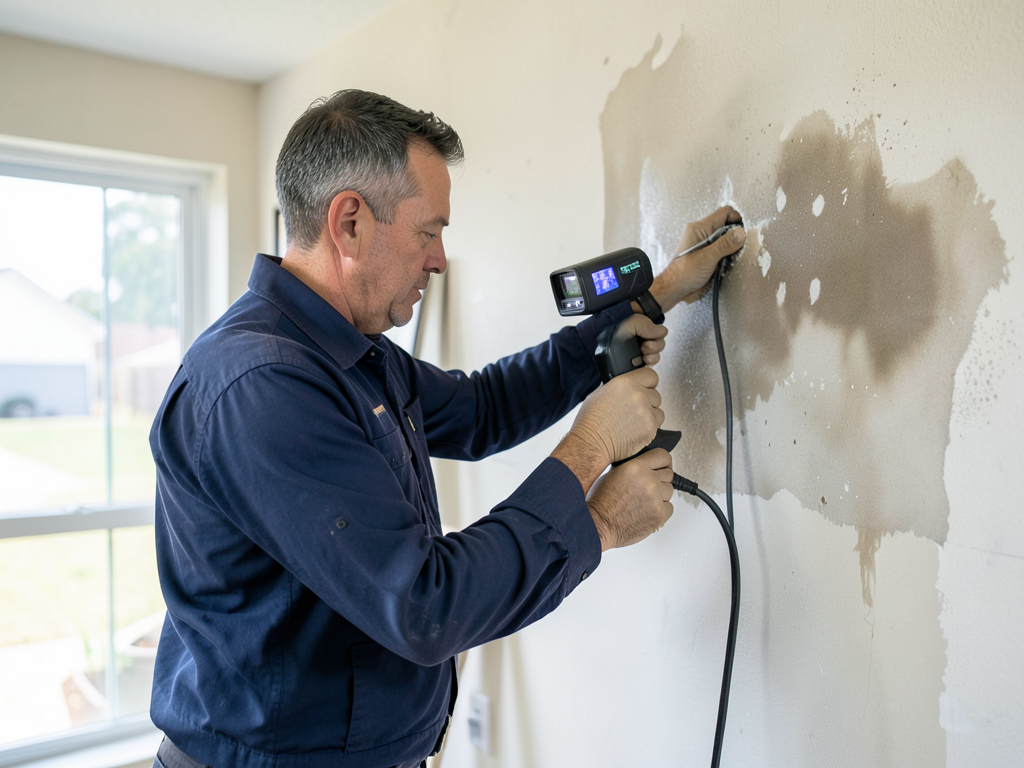
If you suspect hidden water damage is causing your family’s health issues, the first step is professional inspection. Certified mold inspectors use moisture meters, thermal imaging cameras, and air quality tests to find problems behind walls. They can identify the type of mold present and determine the extent of the damage. This information is critical for creating an effective remediation plan.
Early detection saves money and protects your family’s health. Small water leaks that go unnoticed for months can cause thousands of dollars in structural damage and create serious health hazards. The cost of professional inspection is minimal compared to the expense of extensive mold remediation or medical treatment for chronic respiratory conditions.
Call (210) 390-5977 today to schedule your inspection. Our certified technicians serve San Antonio and surrounding areas, providing fast, professional service to identify and resolve hidden water damage problems before they affect your family’s health.
Common Mold Allergy Symptoms vs. Seasonal Allergies
Understanding the difference between mold allergies and seasonal allergies helps you identify when professional help is needed. Both conditions share many symptoms, but key differences exist in timing, duration, and triggers.
Seasonal allergies typically follow predictable patterns based on pollen seasons. Mountain cedar pollen affects San Antonio from December through February. Oak and grass pollen dominate spring months. Ragweed appears in fall. These allergies usually improve when you leave the affected area or when the pollen season ends.
Mold allergies do not follow seasonal patterns. Indoor mold grows year-round in San Antonio’s humid climate. Symptoms may worsen during rainy periods when outdoor mold spores increase, but indoor mold problems persist regardless of outdoor conditions. You might notice symptoms are worse in certain rooms of your home, especially basements, bathrooms, or areas near plumbing fixtures.
Duration is another key difference. Seasonal allergies typically last several weeks to a few months. Mold-related symptoms continue as long as the mold problem exists. If your symptoms have lasted more than three months without improvement, indoor mold becomes a likely suspect.
Triggers also differ. Seasonal allergies respond to specific allergens like cedar pollen or grass. Mold allergies can be triggered by any mold species and may worsen with changes in humidity, temperature, or air circulation. You might notice symptoms increase when your HVAC system runs, indicating mold in air ducts or near vents.
Response to treatment varies between the two conditions. Antihistamines and nasal sprays often provide relief for seasonal allergies. Mold-related symptoms may not respond to these medications because the underlying cause is ongoing exposure rather than temporary allergen contact.
Physical examination findings can also differ. Seasonal allergies often cause clear nasal discharge and watery eyes. Mold exposure may cause thicker nasal discharge, sinus pressure, and more severe respiratory symptoms. Some people develop skin rashes or experience headaches and fatigue that are not typical of seasonal allergies.
Environmental factors provide additional clues. Seasonal allergies affect people regardless of where they are during pollen season. Mold allergies often show location-specific patterns. You might feel fine at work but experience symptoms at home, or notice symptoms worsen in certain rooms or after rain events.
Family patterns can also indicate mold problems. If multiple family members develop similar symptoms that persist over time, indoor environmental factors become more likely than individual seasonal allergies. Pets may also show signs of mold exposure through increased scratching, respiratory issues, or changes in behavior.
Professional testing provides definitive answers. Allergists can test for specific mold sensitivities through skin prick tests or blood tests. Environmental inspectors can test your home’s air quality and surface samples to identify mold species and spore counts. These tests help determine whether your symptoms are caused by indoor mold exposure.
If testing reveals mold problems, professional remediation becomes necessary. The IICRC S520 standard requires certified technicians to address both the mold growth and the moisture source. This comprehensive approach ensures the problem is resolved rather than just masked temporarily.
Understanding these differences helps you make informed decisions about your health and home maintenance. When symptoms persist despite typical allergy treatments, or when they show patterns inconsistent with seasonal allergies, hidden mold becomes a likely cause requiring professional investigation.
Why San Antonio’s Climate Triggers Indoor Mold Growth
San Antonio’s unique climate creates ideal conditions for indoor mold growth throughout the year. The city’s location in South Texas subjects it to high humidity levels, frequent rainfall, and temperature variations that all contribute to moisture problems in homes.
Relative humidity in San Antonio averages sixty to eighty percent annually, with summer months often exceeding ninety percent. When outdoor air contains this much moisture, any water that enters your home through leaks, condensation, or flooding cannot evaporate quickly. This creates perfect conditions for mold growth behind walls, under floors, and in other hidden spaces.
The city’s clay soil presents additional challenges. San Antonio’s soil contains high levels of expansive clay that swells when wet and shrinks when dry. This constant movement causes foundation shifting, creating cracks in concrete slabs and around pipes. These cracks allow water to enter crawl spaces and basements, where it remains trapped and promotes mold growth.
San Antonio receives an average of thirty-two inches of rain annually, with most falling during spring and fall thunderstorm seasons. Flash flooding is common in low-lying areas near the San Antonio River and its tributaries. When heavy rains overwhelm drainage systems, water can back up into homes through floor drains, foundation cracks, or overwhelmed sump pumps.
Temperature fluctuations in San Antonio also contribute to moisture problems. Winter temperatures occasionally drop below freezing, causing pipes to burst when they thaw. Summer heat creates condensation on cold water pipes and air conditioning ducts. These temperature changes create moisture that accumulates in wall cavities and attic spaces.
Many San Antonio homes were built before modern moisture control standards were established. Older homes often lack proper vapor barriers, adequate ventilation, and moisture-resistant building materials. These construction methods allow water vapor to penetrate walls and accumulate in insulation, creating hidden mold problems that persist for years.
The city’s rapid growth has led to construction in areas with poor natural drainage. New developments in the Texas Hill Country often sit on rocky terrain with shallow soil. When heavy rains occur, water runs off quickly and can overwhelm nearby properties, causing unexpected flooding and water intrusion.
San Antonio’s aging infrastructure also contributes to water damage problems. Many homes still have original plumbing from the 1960s and 1970s. Galvanized steel pipes corrode from the inside out, creating slow leaks that go unnoticed for years. These hidden leaks provide constant moisture for mold growth behind walls and under floors.
Air conditioning use in San Antonio’s hot climate creates additional moisture challenges. When cool air moves through ducts in hot, humid attics, condensation forms on duct surfaces. This moisture can drip onto insulation and building materials, creating mold growth that spreads through the HVAC system and affects indoor air quality.
The Edwards Aquifer, which supplies San Antonio’s water, creates unique geological conditions. Areas near the aquifer recharge zone have higher water tables and more underground water movement. This increases the likelihood of basement flooding and foundation moisture problems that lead to indoor mold growth.
San Antonio’s building codes have evolved to address these climate challenges, but many existing homes predate these improvements. Current codes require moisture barriers, proper ventilation, and mold-resistant materials in new construction. However, the city’s large inventory of older homes remains vulnerable to the moisture problems that cause indoor mold growth.
Professional water damage restoration companies in San Antonio understand these local climate challenges. They use specialized equipment and techniques designed for the region’s specific moisture problems. This local expertise is essential for effectively identifying and resolving the hidden water damage that causes indoor mold growth. Expert tips for drying out hardwood floors in historic King William homes.
Understanding how San Antonio’s climate contributes to indoor mold growth helps homeowners take preventive measures. Regular inspections, proper maintenance, and prompt attention to water problems can prevent the conditions that allow mold to thrive behind your walls.
Respiratory and Skin Symptoms Associated with Local Mold Strains
Different mold species produce varying symptoms based on the mycotoxins they release and the individual’s sensitivity. San Antonio homes commonly harbor several mold types, each causing specific health effects that can be mistaken for other conditions.
Aspergillus species are among the most common indoor molds in San Antonio. These molds grow on dust, powdery food items, and building materials. Exposure typically causes allergic reactions including sneezing, runny nose, itchy eyes, and skin rashes. People with asthma may experience wheezing and difficulty breathing. In severe cases, Aspergillus can cause lung infections, especially in people with weakened immune systems.
Cladosporium grows on painted surfaces, textiles, and wood materials. This mold often appears as black or green spots on walls and ceilings. Exposure causes typical allergy symptoms but may also trigger more severe respiratory reactions. Some people develop skin irritation or experience headaches and fatigue. Cladosporium spores are particularly irritating to the respiratory tract and can cause chronic sinus problems.
Stachybotrys chartarum, commonly called black mold, produces trichothecene mycotoxins that can cause serious health problems. This mold grows on materials with high cellulose content like drywall, ceiling tiles, and wood when they remain wet for extended periods. Exposure can cause respiratory issues, skin irritation, and neurological symptoms including headaches, memory problems, and mood changes.
Penicillium species often grow on materials damaged by water like wallpaper, insulation, and carpeting. These molds produce strong musty odors and can cause allergic reactions similar to other molds. Some Penicillium species produce mycotoxins that may cause more severe reactions in sensitive individuals. Symptoms include respiratory problems, skin rashes, and in rare cases, systemic infections.
Alternaria is another common indoor mold that grows in damp areas like showers, under sinks, and around window frames. This mold often causes severe allergic reactions and is a common trigger for asthma attacks. Symptoms include wheezing, coughing, chest tightness, and skin irritation. Alternaria spores are among the most potent allergens and can cause reactions at lower concentrations than other molds.
San Antonio’s specific climate allows these molds to grow year-round, creating chronic exposure situations. Unlike seasonal allergies that come and go, mold-related symptoms often persist as long as the mold problem exists. This continuous exposure can lead to sensitization, where people develop increasingly severe reactions over time.
Children, elderly people, and those with pre-existing respiratory conditions are most vulnerable to mold-related health effects. Young children have developing immune systems that may overreact to mold spores. Elderly people often have weakened respiratory function that makes them more susceptible to mold-related breathing problems. People with asthma, COPD, or other respiratory conditions may experience severe exacerbations when exposed to mold.
Skin symptoms associated with mold exposure include rashes, itching, and in some cases, more severe dermatitis. These reactions often occur on exposed areas like arms, neck, and face. Some people develop hives or experience burning sensations on their skin. These symptoms can be mistaken for contact dermatitis or other skin conditions if the mold connection is not recognized.
Respiratory symptoms range from mild to severe depending on the individual’s sensitivity and the mold concentration. Common symptoms include sneezing, runny nose, nasal congestion, itchy eyes, and throat irritation. More severe reactions can include wheezing, chest tightness, difficulty breathing, and chronic coughing. Some people experience sinus infections that persist despite antibiotic treatment.
Neurological symptoms are less common but can occur with exposure to certain mold species, particularly Stachybotrys. These symptoms include headaches, difficulty concentrating, memory problems, dizziness, and mood changes. Some people report feeling anxious or depressed without obvious cause. These neurological effects are thought to result from mold mycotoxins affecting the central nervous system.
Eye symptoms associated with mold exposure include redness, itching, burning, and excessive tearing. Some people develop conjunctivitis or experience blurred vision. These symptoms often worsen when spending time in affected areas of the home and may improve when away from the exposure source.
Digestive symptoms can also occur with mold exposure, though they are less common. Some people experience nausea, vomiting, or changes in appetite. These symptoms may result from mold mycotoxins affecting the gastrointestinal system or from the body’s inflammatory response to mold exposure.
Diagnosing mold-related health problems requires consideration of multiple factors. Medical testing can identify mold allergies through skin prick tests or blood tests. However, these tests only show sensitivity to specific mold species, not whether current symptoms are caused by mold exposure. Environmental testing of the home is often necessary to establish the connection between symptoms and mold exposure.
Professional mold remediation can resolve health symptoms when mold is the underlying cause. The IICRC S520 standard requires complete removal of mold growth and correction of moisture sources. This comprehensive approach ensures that symptoms resolve rather than temporarily improving while the underlying problem persists.
If you or your family members experience persistent respiratory or skin symptoms that worsen at home, professional inspection may identify hidden mold problems. Early detection and remediation can prevent chronic health issues and protect your family’s wellbeing.
When to Transition from a Doctor to a Mold Remediation Expert
Knowing when to seek professional mold remediation versus continuing medical treatment is crucial for resolving persistent health problems. Several indicators suggest that indoor mold exposure is the underlying cause of your symptoms rather than a medical condition requiring ongoing treatment.
Duration of symptoms provides the first major clue. If you’ve experienced respiratory or skin symptoms for more than three months without improvement despite medical treatment, environmental factors become more likely than a medical condition. Chronic symptoms that persist through multiple seasons suggest an ongoing exposure source rather than temporary allergic reactions.
Pattern of symptom improvement offers important diagnostic information. If your symptoms improve when you leave home for extended periods, such as during vacations or business trips, but return shortly after returning home, indoor environmental factors are likely responsible. This pattern indicates that your home environment contains the trigger for your symptoms.
Response to typical allergy medications can also guide your decision-making. If antihistamines, nasal sprays, and other allergy medications provide little or no relief for your symptoms, the underlying cause may not be typical allergies. Mold-related symptoms often do not respond to standard allergy treatments because they result from ongoing exposure rather than temporary allergen contact.
Multiple family members experiencing similar symptoms suggests an environmental rather than individual medical problem. When several people in the same household develop respiratory issues, skin problems, or other symptoms simultaneously, indoor environmental factors become the most likely cause. This pattern is particularly significant if symptoms affect people of different ages and health statuses.
Environmental clues in your home provide additional evidence. Musty odors, especially in basements, bathrooms, or near plumbing fixtures, often indicate hidden mold growth. Visible mold spots on walls, ceilings, or around windows suggest more extensive growth behind surfaces. Water stains, bubbling paint, or warped materials indicate moisture problems that promote mold growth.
Recent water damage events increase the likelihood of hidden mold problems. If your home experienced flooding, plumbing leaks, roof leaks, or other water damage within the past year, mold growth may have developed in hidden areas. Mold can begin growing within twenty-four to forty-eight hours of water exposure, and growth often continues unnoticed behind walls and under floors.
Professional inspection becomes necessary when symptoms persist despite medical treatment or when environmental clues suggest mold problems. Certified mold inspectors use specialized equipment to detect moisture in walls, measure air quality, and identify mold species. This objective data helps determine whether mold remediation is needed to resolve health symptoms.
The cost-benefit analysis often favors early professional inspection. Medical expenses for ongoing treatment of chronic symptoms can exceed the cost of mold inspection and remediation. Additionally, untreated mold problems typically worsen over time, increasing both health risks and remediation costs. Early intervention is usually more cost-effective than delayed treatment.
Legal considerations may also influence your decision. In rental properties, landlords have legal obligations to maintain safe living conditions. If you’re renting and experiencing persistent symptoms, professional documentation of mold problems may be necessary to compel landlord action. Similarly, home buyers may need professional inspection to identify mold problems before purchase.
Insurance coverage often applies to mold problems when they result from covered events like plumbing leaks or storm damage. However, insurance companies typically require professional documentation of the problem and professional remediation to process claims. This makes professional inspection valuable even when health symptoms are not the primary concern.
Peace of mind represents another important factor. Persistent unexplained symptoms create stress and anxiety that can worsen health problems. Professional inspection provides definitive answers about whether mold is causing your symptoms, allowing you to take appropriate action rather than continuing to wonder about the cause of your health issues.
The decision to transition from medical to environmental investigation should be made in consultation with healthcare providers. Many doctors recognize when symptoms suggest environmental rather than medical causes and may recommend environmental testing. Some physicians specifically ask about home conditions when patients present with chronic respiratory or skin symptoms.
Professional remediation becomes necessary when inspection confirms mold problems that correlate with health symptoms. The IICRC S520 standard requires certified technicians to address both the mold growth and the moisture source. This comprehensive approach ensures that symptoms resolve rather than temporarily improving while the underlying problem persists.
Understanding when to seek professional help can prevent years of unnecessary medical treatment and protect your family’s health. When symptoms suggest environmental causes rather than medical conditions, professional mold inspection and remediation often provide the solution needed to resolve chronic health problems.
San Antonio Mold Inspection and Testing Resources
Finding qualified professionals for mold inspection and testing in San Antonio requires understanding the local regulatory environment and available services. Texas has specific requirements for mold assessment and remediation that protect consumers and ensure proper handling of mold problems.
Texas law requires mold assessment and remediation to be performed by licensed professionals. The Texas Department of Licensing and Regulation oversees the Mold Assessment and Remediation programs. Mold assessors must complete specific training, pass examinations, and maintain continuing education requirements. This licensing ensures that professionals have the knowledge and skills to properly evaluate mold problems.
Mold assessors in San Antonio should hold a Texas Mold Assessment Consultant license or work under the supervision of a licensed consultant. These professionals use specialized equipment including moisture meters, thermal imaging cameras, and air sampling devices to evaluate properties for mold problems. They provide detailed reports documenting their findings and recommendations for remediation if needed.
Several reputable companies provide mold inspection services throughout the San Antonio area. These companies typically serve all neighborhoods including Alamo Heights, Stone Oak, Helotes, and surrounding communities. Many offer emergency response services for situations requiring immediate attention, such as flooding or visible mold growth. What to do immediately when your Alamo Heights home starts flooding.
Air quality testing is a key service provided by mold inspection companies. This testing measures airborne mold spore counts and identifies specific mold species present in your home. Testing compares indoor spore counts to outdoor baseline levels to determine whether indoor mold growth is occurring. Elevated indoor levels indicate active mold problems requiring remediation.
Surface sampling is another important inspection service. Technicians collect samples from visible mold growth, suspect materials, or areas with moisture problems. Laboratory analysis identifies mold species and determines whether growth is active or residual. This information guides remediation strategies and helps assess health risks associated with specific mold types.
Moisture mapping is a specialized inspection technique that identifies areas of hidden moisture within walls, ceilings, and floors. Technicians use moisture meters and thermal imaging to locate water sources feeding mold growth. This technology can detect moisture problems behind finished surfaces without destructive testing, making it valuable for identifying hidden mold sources.
Many San Antonio mold inspection companies also provide remediation services, though Texas law requires assessment and remediation to be performed by different companies to avoid conflicts of interest. Some companies specialize only in assessment, providing unbiased evaluation and referrals to qualified remediation contractors.
Cost for mold inspection services varies based on property size, inspection scope, and testing requirements. Basic inspections typically range from $300 to $600 for average homes. Comprehensive testing with multiple samples and detailed reporting may cost $800 to $1,500. Emergency or after-hours services often include additional fees. Emergency Roof Tarping and Water Mitigation Services in Shavano Park.
Insurance coverage for mold inspection depends on the circumstances. If mold results from a covered peril like plumbing leaks or storm damage, insurance may cover inspection costs. However, many policies exclude mold damage or limit coverage amounts. Always check your policy and consult with your insurance provider before scheduling inspections.
DIY mold test kits are available at home improvement stores, but these provide limited value compared to professional inspection. Home test kits cannot identify moisture sources, assess the extent of mold growth, or provide remediation recommendations. Professional inspection offers comprehensive evaluation that DIY methods cannot match.
Environmental testing laboratories in San Antonio provide analysis services for mold samples collected by inspectors or homeowners. These laboratories use microscopic analysis and culture techniques to identify mold species and determine viability. Laboratory reports accompany inspection findings to provide complete documentation of mold problems.
San Antonio’s humid climate requires specific expertise for accurate mold assessment. Local inspectors understand regional building practices, common moisture problems, and typical mold species found in South Texas homes. This local knowledge improves inspection accuracy and helps identify problems that out-of-area inspectors might miss.
When selecting a mold inspection company, verify licensing, insurance, and references. Ask about experience with similar properties and request sample reports to understand the level of detail provided. Professional companies should be willing to explain their procedures and answer questions about the inspection process.
Time required for mold inspection varies based on property size and inspection scope. Average homes typically require two to four hours for comprehensive inspection and testing. Larger properties or those with suspected extensive problems may require additional time. Inspectors should provide preliminary findings during the inspection and complete detailed reports within a few days.
Understanding available inspection resources helps you make informed decisions about addressing potential mold problems. Professional assessment provides the objective data needed to determine whether remediation is necessary and guides effective resolution of mold-related health issues.
Frequently Asked Questions
How can I tell if my allergies are actually mold-related?
Mold-related symptoms often persist year-round rather than following seasonal patterns. You might notice symptoms worsen in specific rooms or improve when away from home. If allergy medications provide little relief or symptoms affect multiple family members simultaneously, hidden mold becomes more likely than seasonal allergies.
How quickly can mold grow after water damage?
Mold can begin growing within twenty-four to forty-eight hours of water exposure. Under ideal conditions of warmth and moisture, visible mold colonies can form within three to twelve days. This rapid growth makes prompt water damage response essential for preventing mold problems.
Is black mold really dangerous?
Stachybotrys chartarum, known as black mold, can produce mycotoxins that cause health problems, especially in sensitive individuals. However, any mold growth in your home can cause health issues and structural damage. The color of mold does not determine its danger level. All mold growth should be addressed promptly.
How much does professional mold inspection cost in San Antonio?
Basic mold inspection for average homes typically costs $300 to $600. Comprehensive testing with multiple samples ranges from $800 to $1,500. Prices vary based on property size, inspection scope, and testing requirements. Emergency or after-hours services may include additional fees.
Can I clean mold myself instead of hiring professionals?
Small areas of mold on hard surfaces might be cleaned with proper safety equipment and cleaning products. However, extensive mold growth, mold in HVAC systems, or mold resulting from water damage requires professional remediation. DIY cleaning can spread spores and fail to address underlying moisture problems.
How long does mold remediation take?
Small mold remediation projects might be completed in one to two days. Larger projects or those requiring extensive demolition can take several days to a week. The duration depends on the extent of mold growth, affected materials, and necessary repairs to prevent recurrence.
Will my insurance cover mold remediation?
Insurance coverage depends on your policy and the cause of mold growth. Many policies exclude mold damage or limit coverage amounts. If mold results from a covered peril like plumbing leaks or storm damage, some coverage may apply. Always check your policy and consult with your insurance provider.
How can I prevent mold growth in my San Antonio home?
Control indoor humidity below sixty percent using air conditioning and dehumidifiers. Fix plumbing leaks promptly, ensure proper ventilation in bathrooms and kitchens, and maintain your roof and gutters. Regular inspections of areas prone to moisture problems can help catch issues before they cause extensive mold growth.
What should I do if I find mold in my rental property?
Document the mold problem with photos and written descriptions. Notify your landlord in writing about the issue. Texas law requires landlords to maintain habitable conditions, which includes addressing mold problems. If your landlord does not respond, you may need to contact local housing authorities or seek legal assistance.
How do I choose a qualified mold remediation company?
Verify that companies hold proper Texas licenses for mold assessment and remediation. Check insurance coverage, request references, and ask about experience with similar properties. Professional companies should provide detailed written estimates and explain their remediation procedures. Avoid companies that recommend remediation without proper inspection first.
Can mold in my walls affect my indoor air quality?
Yes, mold growing inside walls can significantly impact indoor air quality. Mold releases spores and mycotoxins into the air that circulate through your home’s ventilation system. Even when mold is hidden behind walls, it can cause health problems for occupants through degraded air quality.
What health symptoms should I watch for if I suspect mold exposure?
Common symptoms include sneezing, runny nose, nasal congestion, itchy eyes, throat irritation, and coughing. Some people experience skin rashes, headaches, fatigue, or difficulty breathing. Symptoms that persist despite allergy treatment or that improve when away from home suggest possible mold exposure.
Additional Resources
For more information about mold-related health issues and remediation services in San Antonio, visit these authoritative sources:
- CDC Mold Information – Comprehensive information about mold and health effects
- EPA Mold Resources – Environmental Protection Agency guidelines for mold remediation
- Texas Mold Licensing Verification – Verify mold professional licenses in Texas
Don’t let hidden water damage continue affecting your family’s health. Call (210) 390-5977 today to schedule your professional mold inspection. Our certified technicians serve all San Antonio neighborhoods and provide fast, reliable service to identify and resolve mold problems before they worsen.
Early detection saves money and protects your family’s wellbeing. Professional inspection costs far less than ongoing medical treatment or extensive remediation of advanced mold problems. Take action today to ensure your home provides a healthy environment for your family.
{
“@context”: “https://schema.org”,
“@type”: “BlogPosting”,
“headline”: “Why Your Family’s Seasonal Allergies Might Actually Be Hidden Water Damage in the Walls”,
“description”: “Is your sneezing really allergies? San Antonio’s humidity hides mold behind walls. Learn the signs and how to protect your family’s health.”,
“wordCount”: 4866,
“datePublished”: “2026-04-01T08:36:00.000Z”,
“dateModified”: “2026-04-01T08:36:00.000Z”,
“inLanguage”: “en-US”,
“mainEntityOfPage”: {
“@type”: “WebPage”,
“@id”: “https://titanwaterdamagerestorationsanantonio.com”
},
“publisher”: {
“@type”: “LocalBusiness”,
“name”: “Titan Water Damage Restoration San Antonio”,
“url”: “https://titanwaterdamagerestorationsanantonio.com”
},
“author”: {
“@type”: “Organization”,
“name”: “Titan Water Damage Restoration San Antonio”,
“url”: “https://titanwaterdamagerestorationsanantonio.com”
},
“image”: {
“@type”: “ImageObject”,
“url”: “https://titanwaterdamagerestorationsanantonio.com/wp-content/uploads/2026/03/why-your-family-s-seasonal-allergies-might-actuall-1.png”
}
}
{
“@context”: “https://schema.org”,
“@type”: “LocalBusiness”,
“name”: “Titan Water Damage Restoration San Antonio”,
“url”: “https://titanwaterdamagerestorationsanantonio.com”,
“address”: {
“@type”: “PostalAddress”,
“addressLocality”: “San Antonio”
},
“areaServed”: {
“@type”: “City”,
“name”: “San Antonio”
}
}
{
“@context”: “https://schema.org”,
“@type”: “FAQPage”,
“mainEntity”: [
{
“@type”: “Question”,
“name”: “How can I tell if my allergies are actually mold-related?”,
“acceptedAnswer”: {
“@type”: “Answer”,
“text”: “Mold-related symptoms often persist year-round rather than following seasonal patterns. You might notice symptoms worsen in specific rooms or improve when away from home. If allergy medications provide little relief or symptoms affect multiple family members simultaneously, hidden mold becomes more likely than seasonal allergies.”
}
},
{
“@type”: “Question”,
“name”: “How quickly can mold grow after water damage?”,
“acceptedAnswer”: {
“@type”: “Answer”,
“text”: “Mold can begin growing within twenty-four to forty-eight hours of water exposure. Under ideal conditions of warmth and moisture, visible mold colonies can form within three to twelve days. This rapid growth makes prompt water damage response essential for preventing mold problems.”
}
},
{
“@type”: “Question”,
“name”: “Is black mold really dangerous?”,
“acceptedAnswer”: {
“@type”: “Answer”,
“text”: “Stachybotrys chartarum, known as black mold, can produce mycotoxins that cause health problems, especially in sensitive individuals. However, any mold growth in your home can cause health issues and structural damage. The color of mold does not determine its danger level. All mold growth should be addressed promptly.”
}
},
{
“@type”: “Question”,
“name”: “How much does professional mold inspection cost in San Antonio?”,
“acceptedAnswer”: {
“@type”: “Answer”,
“text”: “Basic mold inspection for average homes typically costs $300 to $600. Comprehensive testing with multiple samples ranges from $800 to $1,500. Prices vary based on property size, inspection scope, and testing requirements. Emergency or after-hours services may include additional fees.”
}
},
{
“@type”: “Question”,
“name”: “Can I clean mold myself instead of hiring professionals?”,
“acceptedAnswer”: {
“@type”: “Answer”,
“text”: “Small areas of mold on hard surfaces might be cleaned with proper safety equipment and cleaning products. However, extensive mold growth, mold in HVAC systems, or mold resulting from water damage requires professional remediation. DIY cleaning can spread spores and fail to address underlying moisture problems.”
}
},
{
“@type”: “Question”,
“name”: “How long does mold remediation take?”,
“acceptedAnswer”: {
“@type”: “Answer”,
“text”: “Small mold remediation projects might be completed in one to two days. Larger projects or those requiring extensive demolition can take several days to a week. The duration depends on the extent of mold growth, affected materials, and necessary repairs to prevent recurrence.”
}
},
{
“@type”: “Question”,
“name”: “Will my insurance cover mold remediation?”,
“acceptedAnswer”: {
“@type”: “Answer”,
“text”: “Insurance coverage depends on your policy and the cause of mold growth. Many policies exclude mold damage or limit coverage amounts. If mold results from a covered peril like plumbing leaks or storm damage, some coverage may apply. Always check your policy and consult with your insurance provider.”
}
},
{
“@type”: “Question”,
“name”: “How can I prevent mold growth in my San Antonio home?”,
“acceptedAnswer”: {
“@type”: “Answer”,
“text”: “Control indoor humidity below sixty percent using air conditioning and dehumidifiers. Fix plumbing leaks promptly, ensure proper ventilation in bathrooms and kitchens, and maintain your roof and gutters. Regular inspections of areas prone to moisture problems can help catch issues before they cause extensive mold growth.”
}
},
{
“@type”: “Question”,
“name”: “What should I do if I find mold in my rental property?”,
“acceptedAnswer”: {
“@type”: “Answer”,
“text”: “Document the mold problem with photos and written descriptions. Notify your landlord in writing about the issue. Texas law requires landlords to maintain habitable conditions, which includes addressing mold problems. If your landlord does not respond, you may need to contact local housing authorities or seek legal assistance.”
}
},
{
“@type”: “Question”,
“name”: “How do I choose a qualified mold remediation company?”,
“acceptedAnswer”: {
“@type”: “Answer”,
“text”: “Verify that companies hold proper Texas licenses for mold assessment and remediation. Check insurance coverage, request references, and ask about experience with similar properties. Professional companies should provide detailed written estimates and explain their remediation procedures. Avoid companies that recommend remediation without proper inspection first.”
}
},
{
“@type”: “Question”,
“name”: “Can mold in my walls affect my indoor air quality?”,
“acceptedAnswer”: {
“@type”: “Answer”,
“text”: “Yes, mold growing inside walls can significantly impact indoor air quality. Mold releases spores and mycotoxins into the air that circulate through your home’s ventilation system. Even when mold is hidden behind walls, it can cause health problems for occupants through degraded air quality.”
}
},
{
“@type”: “Question”,
“name”: “What health symptoms should I watch for if I suspect mold exposure?”,
“acceptedAnswer”: {
“@type”: “Answer”,
“text”: “Common symptoms include sneezing, runny nose, nasal congestion, itchy eyes, throat irritation, and coughing. Some people experience skin rashes, headaches, fatigue, or difficulty breathing. Symptoms that persist despite allergy treatment or that improve when away from home suggest possible mold exposure.”
}
}
]
}
{
“@context”: “https://schema.org”,
“@type”: “BreadcrumbList”,
“itemListElement”: [
{
“@type”: “ListItem”,
“position”: 1,
“name”: “Home”,
“item”: “https://titanwaterdamagerestorationsanantonio.com”
},
{
“@type”: “ListItem”,
“position”: 2,
“name”: “Blog”,
“item”: “https://titanwaterdamagerestorationsanantonio.com/blog”
},
{
“@type”: “ListItem”,
“position”: 3,
“name”: “Why Your Family’s Seasonal Allergies Might Actually Be Hidden Water Damage in the Walls”
}
]
}
{
“@context”: “https://schema.org”,
“@type”: “Service”,
“serviceType”: “Water Damage Restoration”,
“provider”: {
“@type”: “LocalBusiness”,
“name”: “Titan Water Damage Restoration San Antonio”,
“url”: “https://titanwaterdamagerestorationsanantonio.com”
},
“areaServed”: {
“@type”: “City”,
“name”: “San Antonio”
},
“description”: “Is your sneezing really allergies? San Antonio’s humidity hides mold behind walls. Learn the signs and how to protect your family’s health.”
}