
What San Antonio Homeowners Need to Know About Secondary Water Damage
Secondary water damage is the destruction that happens after the initial leak or flood has stopped. While primary damage is visible—like soaked carpets or standing water—secondary damage is the silent threat that develops in the days and weeks that follow. In San Antonio’s humid climate, this hidden damage can spread rapidly through walls, under floors, and into your home’s structure, creating costly problems that insurance may not fully cover. Water Damage Restoration Kirby.
Understanding secondary water damage is critical for every San Antonio homeowner because our region’s high humidity levels (often above 60%) create the perfect conditions for moisture to linger and cause further destruction. The combination of our clay-rich soil, frequent thunderstorms, and aging infrastructure means many homes are at risk for this type of damage.. Read more about Steps to Take When Your San Antonio Water Heater Leaks in the Garage.
Defining Secondary Water Damage
Secondary water damage refers to the deterioration of building materials and contents that occurs when moisture remains present in a structure after the initial water event. This damage develops over time as water evaporates, moves through materials, and creates conditions for mold, rot, and structural weakening.
Unlike primary damage, which happens immediately when water contacts surfaces, secondary damage is progressive. It begins within 24-48 hours and continues until the moisture source is completely eliminated and affected materials are properly dried or removed. What to do immediately when your Alamo Heights home starts flooding.
Primary vs. Secondary Water Damage: What’s the Difference?
The distinction between primary and secondary damage is crucial for insurance claims and restoration strategies. Primary damage is immediate and obvious, while secondary damage develops silently and can be more extensive.. Read more about The Hidden Connection Between San Antonio Humidity and Mold Growth Under Your Wallpaper.
| Primary Damage | Secondary Damage | Timeline |
|---|---|---|
| Wet carpets and padding | Mold growth on surfaces | Hours to days |
| Standing water on floors | Warped hardwood flooring | Days to weeks |
| Water-stained drywall | Structural wood rot | Weeks to months |
| Dripping from ceilings | Peeling paint and wallpaper | Days |
| Damaged electrical outlets | Musty odors throughout home | Days to weeks |
Common Examples of Secondary Damage
Secondary damage manifests in various ways throughout your home. Recognizing these signs early can prevent extensive structural problems and health hazards.
Mold and Mildew Growth
Within 24-48 hours of moisture exposure, microscopic mold spores begin colonizing damp surfaces. In San Antonio’s humid environment, this process accelerates significantly. Mold can grow behind walls, under flooring, and in HVAC systems where you can’t see it but can smell it.. Read more about Removing the Musty Smell After a Small Leak in Your North Side San Antonio Home.
Common mold indicators include black, green, or white spots on walls, a persistent musty odor, and increased allergy symptoms among household members. The EPA states that mold can begin growing on wet surfaces within 24-48 hours, making rapid response essential. EPA mold information.
Structural Wood Damage
Wood absorbs moisture from the air and surrounding materials, leading to swelling, warping, and eventually rot. This process is particularly problematic in San Antonio homes with hardwood flooring, where moisture causes boards to cup, crown, or buckle.
Wooden structural elements like floor joists, wall studs, and roof trusses can develop dry rot when moisture levels remain elevated for extended periods. This compromises your home’s structural integrity and requires costly repairs.
Material Degradation
Many building materials are hygroscopic, meaning they naturally absorb and retain moisture from the air. Drywall, insulation, carpeting, and even concrete can hold moisture for weeks or months after a water event.
This retained moisture leads to peeling paint, bubbling wallpaper, sagging ceilings, and the breakdown of adhesives in flooring materials. In San Antonio’s climate, these materials may never fully dry without professional intervention. Professional Mold Removal and Remediation for Helotes Homeowners.
The Role of San Antonio Humidity in Secondary Damage
San Antonio’s climate creates unique challenges for water damage restoration. Our average relative humidity ranges from 60-70% throughout the year, with summer months often exceeding 75%.
This persistent moisture in the air means that even after visible water is removed, the environment continues to provide moisture that materials can absorb. Without proper dehumidification, materials may reach equilibrium moisture content levels that promote ongoing damage.
The Edwards Aquifer beneath much of San Antonio also contributes to higher ground moisture levels, particularly in homes with crawl spaces or basements. This creates a constant source of moisture that can migrate into living spaces through foundation walls.
How Secondary Damage Develops Over Time
Understanding the timeline of secondary damage helps homeowners recognize when to seek professional help. The progression follows predictable patterns that accelerate in our humid climate.
- Hours 0-24
Initial water absorption begins. Materials start swelling. Paper products deteriorate. Musty odors may appear.
- Hours 24-48
Mold spores begin colonizing damp surfaces. Wood starts warping. Paint begins bubbling.
- Days 2-7
Visible mold growth appears. Structural elements show signs of stress. Odors intensify.
- Weeks 2-4
Wood rot begins in structural elements. Drywall becomes structurally compromised. Pest infestations may develop.
- Months 2+
Severe structural damage occurs. Foundation issues develop. Complete material replacement often required.
Prevention Strategies for San Antonio Homeowners
Preventing secondary damage requires immediate action and proper techniques. While DIY methods can address surface water, professional equipment is often necessary to prevent hidden damage.. Read more about Common Hidden Spots for Mold Growth in San Antonio Garden Homes.
Immediate Response Steps
When water enters your home, every hour counts. The first 24-48 hours are critical for preventing secondary damage.
- Stop the water source if possible
- Remove standing water using wet vacuums or pumps
- Increase air circulation with fans
- Remove wet items from affected areas
- Document damage with photos for insurance
These steps provide a foundation, but professional assessment is crucial for determining the full extent of moisture penetration.
Professional Drying Techniques
Professional water damage restoration follows IICRC S500 standards, which specify moisture content levels and drying times for different materials. This standard ensures that all moisture is removed, not just visible water. IICRC S500 standards.
Professional techniques include:
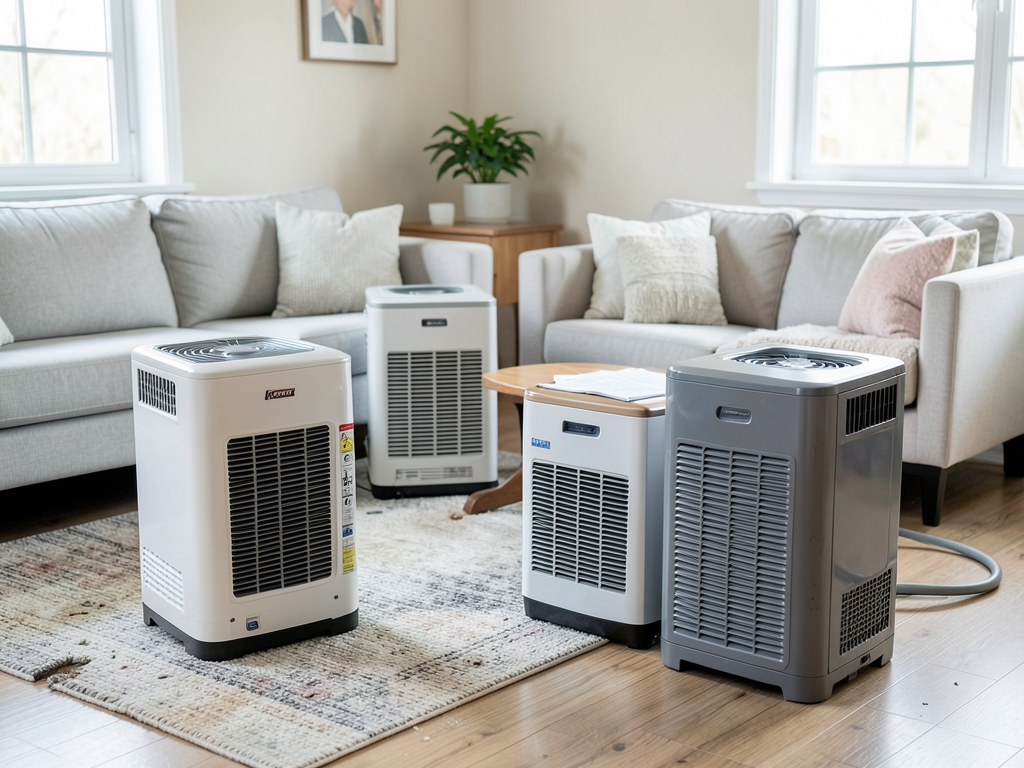
- Industrial-grade dehumidifiers that remove gallons of moisture daily
- Air movers that create high-velocity airflow across surfaces
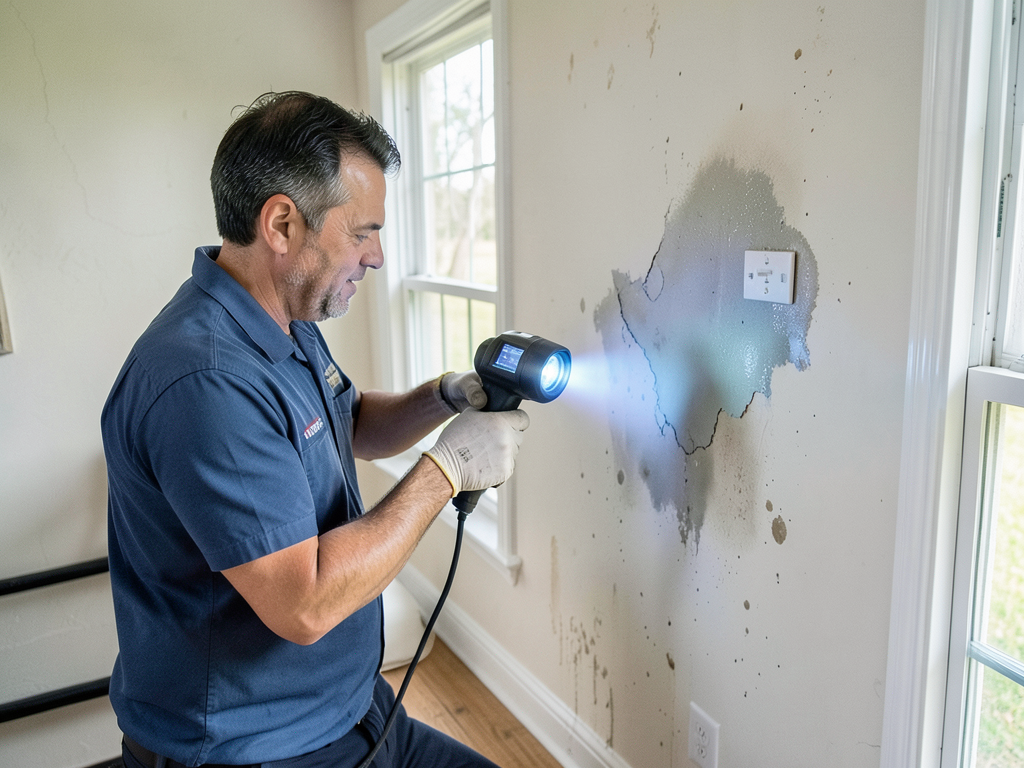
- Moisture meters to detect hidden water in walls and subfloors
- Thermal imaging cameras to identify temperature variations indicating moisture
- Desiccant dehumidifiers for severe cases
When to Call a Professional
Certain situations require professional intervention to prevent extensive secondary damage. Knowing when to call for help can save thousands in repair costs.
Call professionals if:
- Water has been present for more than 24 hours
- You notice musty odors developing
- Water has affected multiple rooms or levels
- You see visible mold growth
- Water has affected electrical systems
- Your home has hardwood flooring or valuable contents
Professional restoration companies use moisture meters and thermal imaging to detect water in areas you cannot see. This diagnostic approach ensures all moisture is addressed, not just the obvious wet spots.
Insurance Considerations for Secondary Damage
Insurance coverage for secondary damage can be complex. Most policies cover sudden, accidental water damage but may deny claims for damage that develops over time due to neglect or poor maintenance.
Documentation is critical. Take photos and videos immediately after discovering water damage, and continue documenting the drying process. This evidence helps establish that you took reasonable steps to mitigate damage, which is often required for coverage. Expert tips for drying out hardwood floors in historic King William homes.
Many insurance companies require professional assessment and documentation of moisture levels before approving secondary damage claims. This is why prompt professional involvement is crucial.
Health Risks Associated with Secondary Water Damage
Secondary water damage creates conditions that can affect your family’s health. Mold growth, in particular, can cause respiratory issues, allergic reactions, and other health problems.
Common symptoms of mold exposure include:
- Chronic coughing or sneezing
- Eye, nose, or throat irritation
- Skin rashes
- Headaches or dizziness
- Worsening asthma symptoms
Children, elderly individuals, and those with compromised immune systems are particularly vulnerable to these health effects. The humid San Antonio climate can exacerbate these issues by providing ideal conditions for mold growth year-round.
Common Causes of Secondary Water Damage in San Antonio
Understanding common causes helps homeowners take preventive measures. San Antonio’s unique environmental factors contribute to specific water damage patterns.
Plumbing failures are the most frequent cause, particularly in older homes with aging pipes. Our clay soil’s expansion and contraction puts stress on plumbing connections, leading to slow leaks that develop into major problems.
Roof leaks become problematic during our severe thunderstorm season. Hail damage, wind-driven rain, and aging roofing materials create entry points for water that can go unnoticed until secondary damage appears.
Foundation movement is common in San Antonio due to our clay soil. As soil expands when wet and contracts when dry, it can cause foundation cracks that allow water intrusion and create plumbing stress.
Professional Assessment and Monitoring
Professional water damage restoration includes comprehensive assessment and monitoring to ensure complete moisture removal. This process goes beyond what homeowners can accomplish with household fans and dehumidifiers.
Technicians use moisture meters to test materials at multiple depths. A surface reading might show dry conditions while deeper layers still contain significant moisture. This hidden moisture will continue causing damage until properly addressed.
Monitoring continues throughout the drying process, with readings taken daily to track progress and adjust equipment placement. This data-driven approach ensures materials reach safe moisture content levels before restoration begins.
Cost Factors for Secondary Damage Repair
The cost of repairing secondary water damage varies significantly based on several factors. Understanding these factors helps homeowners appreciate the importance of prevention and early intervention.
Key cost factors include:
- Extent of moisture penetration
- Types of materials affected
- Duration of moisture exposure
- Presence of mold or other contaminants
- Structural repairs required
- Reconstruction needs
Early intervention typically costs 50-70% less than addressing advanced secondary damage. This cost difference underscores the value of professional assessment even for seemingly minor water events.
Long-Term Prevention Strategies
Preventing secondary water damage requires ongoing attention to your home’s moisture management systems. Several strategies can reduce your risk of experiencing extensive damage.
Regular plumbing inspections can identify small leaks before they cause major damage. Pay particular attention to areas under sinks, around water heaters, and near washing machine connections.
Proper drainage around your home’s foundation prevents water from pooling near the structure. Ensure gutters are clean and downspouts direct water at least 5-10 feet away from the foundation.
Humidity control inside your home helps prevent moisture-related problems. Use dehumidifiers during our humid months, particularly in basements and crawl spaces where moisture tends to accumulate.
DIY vs. Professional Restoration: Making the Right Choice
Many homeowners attempt DIY water damage restoration, but understanding the limitations of DIY approaches is crucial for protecting your home.
DIY methods work for minor spills on non-porous surfaces that are cleaned up within hours. However, they fall short when water penetrates building materials or when moisture remains in hidden areas.
Professional restoration provides:
- Accurate moisture detection in hidden areas
- Industrial equipment for thorough drying
- Antimicrobial treatments to prevent mold growth
- Documentation for insurance claims
- Compliance with IICRC S500 standards
The investment in professional services often pays for itself by preventing the extensive damage that results from incomplete DIY drying.
Local Building Codes and Secondary Damage
San Antonio’s building codes include specific requirements for moisture management and water damage prevention. Understanding these requirements helps homeowners ensure their restoration work meets local standards.
The City of San Antonio Municipal Code requires proper moisture barriers in construction and specifies ventilation requirements for areas prone to moisture accumulation. These codes are designed to prevent the conditions that lead to secondary damage.
Professional restoration companies understand these requirements and ensure their work complies with local regulations, protecting you from future liability issues.
Environmental Factors Affecting Secondary Damage
San Antonio’s environment creates specific challenges for water damage restoration. Our hot summers, high humidity, and occasional severe weather events all impact how water damage develops and progresses.
Summer temperatures accelerate mold growth and material degradation. What might take weeks in cooler climates can develop in days during a San Antonio summer.
Our severe thunderstorm season brings sudden water intrusion through roof leaks, window failures, and flash flooding. These events often occur when homeowners are away, allowing damage to progress undetected for hours or days.
Winter freezes, though rare, can cause pipe bursts that lead to extensive water damage. The sudden temperature changes our region experiences can stress plumbing systems and create failure points.
Technology in Modern Water Damage Restoration
Modern restoration technology has revolutionized how professionals address water damage. These tools allow for more accurate assessment and more effective drying than ever before.
Thermal imaging cameras detect temperature differences that indicate moisture presence. This allows technicians to identify water in walls, ceilings, and floors without destructive testing.. Read more about Why Laminate Floors Warp So Quickly After a Small Leak in Your Hidden Forest Home.
Advanced moisture meters measure moisture content at specific depths in materials. This precision ensures that drying efforts continue until all affected materials reach safe moisture levels.
Data logging equipment tracks temperature and humidity throughout the drying process, providing documentation that materials were dried properly and meeting industry standards.
Emergency Response Services
Water damage requires immediate response to prevent secondary damage. Professional restoration companies offer 24/7 emergency services because water damage doesn’t wait for business hours. Emergency Roof Tarping and Water Mitigation Services in Shavano Park.
Emergency response includes:
- Rapid on-site arrival (typically within 60 minutes)
- Immediate water extraction
- Emergency drying setup
- Initial damage assessment
- Insurance documentation
This immediate response can mean the difference between minor repairs and extensive reconstruction.
Preparing for the Next Storm
San Antonio’s severe weather season brings increased risk of water damage. Preparing your home can minimize the impact when storms strike.
Regular roof inspections identify potential leak points before storms arrive. Pay particular attention to areas around chimneys, vents, and where different roof planes meet.
Check your home’s exterior for cracks or gaps where water might enter. Seal these openings before storm season to prevent water intrusion.
Know where your main water shut-off valve is located and ensure it operates properly. Being able to quickly stop water flow can prevent extensive damage from burst pipes or appliance failures.
The Cost of Inaction
Delaying water damage response often leads to exponentially higher repair costs. What might cost a few hundred dollars to address immediately can escalate to thousands if secondary damage develops.
Consider a small roof leak that goes unnoticed for a month. Initial repair might cost $500-1,000. After a month of moisture exposure, you might face $5,000-10,000 in repairs due to mold, structural damage, and material replacement.
The health costs of mold exposure can be significant as well, particularly for family members with respiratory conditions or allergies.
Professional vs. DIY Equipment Comparison
Understanding the differences between professional and DIY equipment helps homeowners appreciate why professional restoration is often necessary for complete water damage recovery.
| Equipment Type | DIY/Home Use | Professional Grade | Effectiveness Difference |
|---|---|---|---|
| Dehumidifier Capacity | 20-70 pints/day | 100-300+ pints/day | 3-10x more effective |
| Air Mover Airflow | 400-800 CFM | 1,500-3,000+ CFM | 2-7x more airflow |
| Moisture Detection | Surface only | Deep scanning | Identifies hidden moisture |
| Temperature Control | None | Precise control | Optimizes drying speed |
| Monitoring Capability | Visual inspection | Data logging | Verifiable results |
Building Materials and Moisture Resistance
Different building materials respond differently to water exposure. Understanding these differences helps homeowners make informed decisions about repairs and prevention.
Concrete and masonry are porous and can hold significant moisture, but they’re also durable and can often be dried in place. However, they can transfer moisture to adjacent materials if not properly dried.
Wood is highly susceptible to moisture damage but can often be saved if dried properly within 24-48 hours. The key is preventing mold growth and structural weakening.
Modern building materials like engineered wood products and composite materials may have different moisture tolerances than traditional materials. Professional assessment ensures these materials are properly evaluated.
Seasonal Considerations for San Antonio
Each season brings different water damage risks to San Antonio homes. Understanding these seasonal patterns helps homeowners prepare and respond appropriately.
Spring brings our severe thunderstorm season, with the highest risk of sudden water intrusion through roof leaks and flash flooding. This is when many homeowners discover existing roof vulnerabilities.
Summer’s high humidity means that any water intrusion can lead to rapid mold growth and material degradation. The combination of heat and moisture creates ideal conditions for secondary damage.
Fall often brings relief from summer humidity, but it’s also when many homeowners turn on heating systems that may have developed leaks during summer dormancy.
Winter, while mild, can bring occasional freezes that cause pipe bursts. These sudden releases of water can cause extensive damage before they’re discovered.
Final Thoughts on Secondary Water Damage
Secondary water damage represents one of the most significant threats to San Antonio homes. The combination of our humid climate, aging infrastructure, and severe weather patterns creates conditions where hidden moisture can cause extensive damage.
The key to preventing secondary damage is rapid response and professional assessment. Even seemingly minor water events can lead to major problems if moisture remains in building materials or if drying is incomplete.
Professional water damage restoration follows established standards and uses specialized equipment to ensure complete moisture removal. This investment protects your home’s value, your family’s health, and your peace of mind.
Don’t wait until you smell that musty odor or see visible mold growth. If your home experiences any water intrusion, professional assessment can prevent the extensive damage and costs associated with secondary water damage.
Frequently Asked Questions
How long does it take for secondary water damage to appear?
Secondary water damage can begin within 24-48 hours of initial water exposure. Mold growth typically starts within this timeframe, while structural damage like wood warping may take several days to become visible. The humid San Antonio climate can accelerate these processes significantly.
Can I prevent secondary water damage with DIY methods?
DIY methods can address surface water and minor incidents if addressed within hours. However, professional equipment and techniques are necessary to detect and remove hidden moisture that causes secondary damage. Without proper drying, moisture remains in walls, floors, and structural elements, leading to ongoing problems.
Does homeowners insurance cover secondary water damage?
Coverage depends on the cause and timing of the damage. Insurance typically covers sudden, accidental water damage but may deny claims for damage that develops over time due to neglect or poor maintenance. Prompt professional response and documentation are crucial for insurance claims related to secondary damage.
What are the signs of secondary water damage?
Signs include musty odors, visible mold growth, warped flooring, bubbling paint or wallpaper, sagging ceilings, and increased allergy symptoms. However, much secondary damage occurs in hidden areas like wall cavities and under flooring, making professional moisture detection essential.
How much does professional water damage restoration cost?
Costs vary based on damage extent, affected area size, and required services. Minor incidents might cost $500-1,500, while extensive damage requiring structural repairs can exceed $10,000. The cost of professional restoration is typically far less than addressing advanced secondary damage that develops from inadequate drying.
How long does the water damage restoration process take?
The drying process typically takes 3-5 days for moderate damage, though severe cases may require 7-10 days or longer. Complete restoration, including repairs and reconstruction, can take several weeks depending on the extent of damage and required work.
Can mold from secondary water damage make my family sick?
Yes, mold exposure can cause respiratory issues, allergic reactions, and other health problems. Symptoms include coughing, sneezing, eye irritation, skin rashes, and worsened asthma. Children, elderly individuals, and those with compromised immune systems are particularly vulnerable to these health effects.
What should I do immediately after discovering water damage?
Stop the water source if possible, remove standing water, increase air circulation, and document damage with photos. Contact your insurance company and a professional restoration company immediately. The first 24-48 hours are critical for preventing secondary damage.
How can I tell if water damage is primary or secondary?
Primary damage is immediate and visible, such as soaked carpets or standing water. Secondary damage develops over time and includes mold growth, warped materials, and structural deterioration. Professional assessment using moisture meters and thermal imaging can distinguish between the two and identify hidden moisture.
Should I stay in my home during water damage restoration?
This depends on the extent of damage and restoration work required. For minor incidents with proper containment, staying home may be possible. For extensive damage or when mold is present, temporary relocation is often recommended for safety and to allow thorough restoration work.
Take Action Before Secondary Damage Spreads
Water damage waits for no one. Every hour that moisture remains in your home increases the risk of extensive secondary damage that can cost thousands in repairs and potentially harm your family’s health. Don’t let a small water incident turn into a major structural problem.
Call (210) 390-5977 today to schedule your professional water damage assessment. Our certified technicians use industrial-grade equipment and follow IICRC S500 standards to ensure complete moisture removal and prevent secondary damage from taking hold in your San Antonio home.
Whether you’re dealing with a recent leak or suspect hidden moisture from a past incident, we’re here to help 24/7. Pick up the phone and call (210) 390-5977 before the next storm hits or that slow leak becomes a major problem.
Protect your home, your health, and your investment with professional water damage restoration from technicians who understand San Antonio’s unique climate challenges. Call (210) 390-5977 now for your free assessment.
Don’t wait until you see mold or smell that musty odor. Call (210) 390-5977 today and let us handle the moisture before it handles you.
You may also find this helpful. Why You Shouldn’t Just Use a Fan to Dry Out Your Kirby Laundry Room.
{
“@context”: “https://schema.org”,
“@type”: “BlogPosting”,
“headline”: “What San Antonio Homeowners Need to Know About Secondary Water Damage”,
“description”: “Learn how San Antonio’s high humidity accelerates hidden water damage, mold growth, and structural issues. Get expert tips on prevention and when to call professionals.”,
“wordCount”: 3543,
“datePublished”: “2026-03-12T08:34:00.000Z”,
“dateModified”: “2026-03-12T08:34:00.000Z”,
“inLanguage”: “en-US”,
“mainEntityOfPage”: {
“@type”: “WebPage”,
“@id”: “https://titanwaterdamagerestorationsanantonio.com”
},
“publisher”: {
“@type”: “LocalBusiness”,
“name”: “Titan Water Damage Restoration San Antonio”,
“url”: “https://titanwaterdamagerestorationsanantonio.com”
},
“author”: {
“@type”: “Organization”,
“name”: “Titan Water Damage Restoration San Antonio”,
“url”: “https://titanwaterdamagerestorationsanantonio.com”
},
“image”: {
“@type”: “ImageObject”,
“url”: “https://titanwaterdamagerestorationsanantonio.com/wp-content/uploads/2026/03/what-san-antonio-homeowners-need-to-know-about-sec-1.png”
}
}
{
“@context”: “https://schema.org”,
“@type”: “LocalBusiness”,
“name”: “Titan Water Damage Restoration San Antonio”,
“url”: “https://titanwaterdamagerestorationsanantonio.com”,
“address”: {
“@type”: “PostalAddress”,
“addressLocality”: “San Antonio”
},
“areaServed”: {
“@type”: “City”,
“name”: “San Antonio”
}
}
{
“@context”: “https://schema.org”,
“@type”: “FAQPage”,
“mainEntity”: [
{
“@type”: “Question”,
“name”: “Primary vs. Secondary Water Damage: What’s the Difference?”,
“acceptedAnswer”: {
“@type”: “Answer”,
“text”: “The distinction between primary and secondary damage is crucial for insurance claims and restoration strategies. Primary damage is immediate and obvious, while secondary damage develops silently and can be more extensive.”
}
},
{
“@type”: “Question”,
“name”: “How long does it take for secondary water damage to appear?”,
“acceptedAnswer”: {
“@type”: “Answer”,
“text”: “Secondary water damage can begin within 24-48 hours of initial water exposure. Mold growth typically starts within this timeframe, while structural damage like wood warping may take several days to become visible. The humid San Antonio climate can accelerate these processes significantly.”
}
},
{
“@type”: “Question”,
“name”: “Can I prevent secondary water damage with DIY methods?”,
“acceptedAnswer”: {
“@type”: “Answer”,
“text”: “DIY methods can address surface water and minor incidents if addressed within hours. However, professional equipment and techniques are necessary to detect and remove hidden moisture that causes secondary damage. Without proper drying, moisture remains in walls, floors, and structural elements, leading to ongoing problems.”
}
},
{
“@type”: “Question”,
“name”: “Does homeowners insurance cover secondary water damage?”,
“acceptedAnswer”: {
“@type”: “Answer”,
“text”: “Coverage depends on the cause and timing of the damage. Insurance typically covers sudden, accidental water damage but may deny claims for damage that develops over time due to neglect or poor maintenance. Prompt professional response and documentation are crucial for insurance claims related to secondary damage.”
}
},
{
“@type”: “Question”,
“name”: “What are the signs of secondary water damage?”,
“acceptedAnswer”: {
“@type”: “Answer”,
“text”: “Signs include musty odors, visible mold growth, warped flooring, bubbling paint or wallpaper, sagging ceilings, and increased allergy symptoms. However, much secondary damage occurs in hidden areas like wall cavities and under flooring, making professional moisture detection essential.”
}
},
{
“@type”: “Question”,
“name”: “How much does professional water damage restoration cost?”,
“acceptedAnswer”: {
“@type”: “Answer”,
“text”: “Costs vary based on damage extent, affected area size, and required services. Minor incidents might cost $500-1,500, while extensive damage requiring structural repairs can exceed $10,000. The cost of professional restoration is typically far less than addressing advanced secondary damage that develops from inadequate drying.”
}
},
{
“@type”: “Question”,
“name”: “How long does the water damage restoration process take?”,
“acceptedAnswer”: {
“@type”: “Answer”,
“text”: “The drying process typically takes 3-5 days for moderate damage, though severe cases may require 7-10 days or longer. Complete restoration, including repairs and reconstruction, can take several weeks depending on the extent of damage and required work.”
}
},
{
“@type”: “Question”,
“name”: “Can mold from secondary water damage make my family sick?”,
“acceptedAnswer”: {
“@type”: “Answer”,
“text”: “Yes, mold exposure can cause respiratory issues, allergic reactions, and other health problems. Symptoms include coughing, sneezing, eye irritation, skin rashes, and worsened asthma. Children, elderly individuals, and those with compromised immune systems are particularly vulnerable to these health effects.”
}
},
{
“@type”: “Question”,
“name”: “What should I do immediately after discovering water damage?”,
“acceptedAnswer”: {
“@type”: “Answer”,
“text”: “Stop the water source if possible, remove standing water, increase air circulation, and document damage with photos. Contact your insurance company and a professional restoration company immediately. The first 24-48 hours are critical for preventing secondary damage.”
}
},
{
“@type”: “Question”,
“name”: “How can I tell if water damage is primary or secondary?”,
“acceptedAnswer”: {
“@type”: “Answer”,
“text”: “Primary damage is immediate and visible, such as soaked carpets or standing water. Secondary damage develops over time and includes mold growth, warped materials, and structural deterioration. Professional assessment using moisture meters and thermal imaging can distinguish between the two and identify hidden moisture.”
}
},
{
“@type”: “Question”,
“name”: “Should I stay in my home during water damage restoration?”,
“acceptedAnswer”: {
“@type”: “Answer”,
“text”: “This depends on the extent of damage and restoration work required. For minor incidents with proper containment, staying home may be possible. For extensive damage or when mold is present, temporary relocation is often recommended for safety and to allow thorough restoration work.”
}
}
]
}
{
“@context”: “https://schema.org”,
“@type”: “HowTo”,
“name”: “Timeline of Secondary Water Damage”,
“step”: [
{
“@type”: “HowToStep”,
“position”: 1,
“name”: “Hours 0-24”,
“text”: “Initial water absorption begins. Materials start swelling. Paper products deteriorate. Musty odors may appear.”
},
{
“@type”: “HowToStep”,
“position”: 2,
“name”: “Hours 24-48”,
“text”: “Mold spores begin colonizing damp surfaces. Wood starts warping. Paint begins bubbling.”
},
{
“@type”: “HowToStep”,
“position”: 3,
“name”: “Days 2-7”,
“text”: “Visible mold growth appears. Structural elements show signs of stress. Odors intensify.”
},
{
“@type”: “HowToStep”,
“position”: 4,
“name”: “Weeks 2-4”,
“text”: “Wood rot begins in structural elements. Drywall becomes structurally compromised. Pest infestations may develop.”
},
{
“@type”: “HowToStep”,
“position”: 5,
“name”: “Months 2+”,
“text”: “Severe structural damage occurs. Foundation issues develop. Complete material replacement often required.”
}
],
“image”: “https://titanwaterdamagerestorationsanantonio.com/wp-content/uploads/2026/03/what-san-antonio-homeowners-need-to-know-about-sec-1.png”
}
{
“@context”: “https://schema.org”,
“@type”: “BreadcrumbList”,
“itemListElement”: [
{
“@type”: “ListItem”,
“position”: 1,
“name”: “Home”,
“item”: “https://titanwaterdamagerestorationsanantonio.com”
},
{
“@type”: “ListItem”,
“position”: 2,
“name”: “Blog”,
“item”: “https://titanwaterdamagerestorationsanantonio.com/blog”
},
{
“@type”: “ListItem”,
“position”: 3,
“name”: “What San Antonio Homeowners Need to Know About Secondary Water Damage”
}
]
}
{
“@context”: “https://schema.org”,
“@type”: “Service”,
“serviceType”: “Water Damage Restoration”,
“provider”: {
“@type”: “LocalBusiness”,
“name”: “Titan Water Damage Restoration San Antonio”,
“url”: “https://titanwaterdamagerestorationsanantonio.com”
},
“areaServed”: {
“@type”: “City”,
“name”: “San Antonio”
},
“description”: “Learn how San Antonio’s high humidity accelerates hidden water damage, mold growth, and structural issues. Get expert tips on prevention and when to call professionals.”
}