
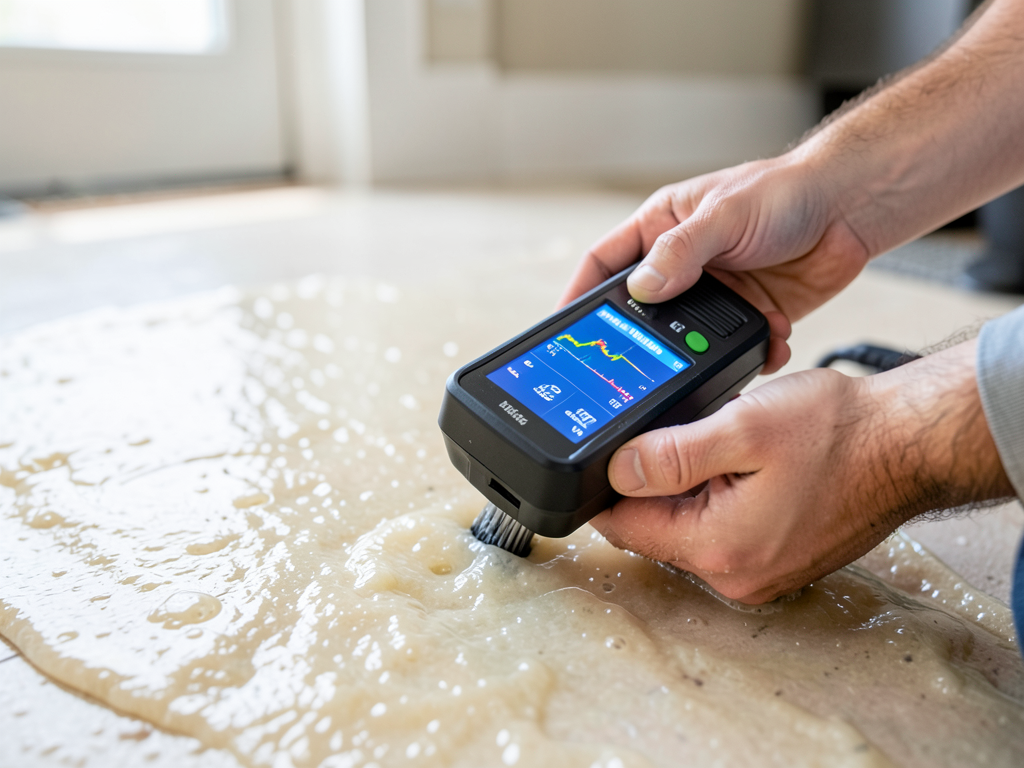
Why Your New Westside San Antonio LVP Floor Feels Squishy (And How to Fix the Subfloor)
If your luxury vinyl plank floor feels soft or spongy underfoot in your Westside San Antonio home, you are not imagining it. That squishy sensation is a red flag for trapped moisture beneath the planks—often caused by a slow slab leak or rising groundwater common in our clay-heavy soil. Left unchecked, this moisture can destroy your subfloor and trigger mold growth within 24-48 hours. The good news is that early detection and professional drying can save your floor and prevent thousands in damage. Expert tips for drying out hardwood floors in historic King William homes.
Call (210) 390-5977 now for a free moisture inspection before the problem spreads.
Why San Antonio Homes Are Vulnerable to Squishy LVP Floors
San Antonio’s unique combination of high humidity, expansive clay soil, and slab-on-grade construction creates the perfect storm for moisture problems. When water from a slow plumbing leak or rising water table seeps into the concrete slab, it has nowhere to go. LVP’s waterproof surface traps this moisture against the wood subfloor, creating a “petri dish” effect where mold and mildew can thrive unseen. Water Damage Restoration Kirby.
Many homeowners in neighborhoods like Westwood Village and Thunderbird Hills have discovered squishy floors only after noticing a musty smell or seeing slight discoloration at the plank seams. By then, the subfloor is often saturated and delaminating.
The Science Behind the Squish: What’s Really Happening Under Your Floor
When you walk across a squishy LVP floor, you are feeling the “pumping effect”—a physical reaction where your weight forces trapped water to move through the seams and back again. This happens because:
- Water-resistant LVP planks are not fully waterproof at the edges
- Moisture builds up between the concrete slab and wood subfloor
- Lack of airflow under the planks prevents evaporation
- Subfloor materials like OSB or plywood absorb water and lose structural integrity
Over time, this trapped moisture can cause the subfloor to swell, warp, or even rot—especially in homes built before 2010 when vapor barrier standards were less strict.
Common Causes of Moisture Under LVP in San Antonio Homes
Understanding the source of the moisture is critical to fixing the problem. Here are the most frequent culprits we see in Westside San Antonio: Fixing a Sewage Backup in Your Stone Oak Home without the Stress.
| Cause | Signs to Look For | Typical Locations |
|---|---|---|
| Slab leak from corroded copper pipe | Hot spots on floor, higher water bill, mold smell | Near bathrooms, kitchens, or water heater closets |
| Rising groundwater through slab cracks | Moisture meter readings above 12% on slab | Ground-level rooms, especially post-rain |
| Failed vapor barrier under LVP | Plank edges lifting, discoloration along seams | Entire room or open floor plan |
| Condensation from high humidity | Condensation on windows, damp walls | Rooms with poor ventilation |
Why You Can’t Just “Dry It Out” Yourself
Many homeowners try to solve squishy floors by running fans or opening windows, but this approach often makes the problem worse. Here’s why professional intervention is critical: Professional Mold Removal and Remediation for Helotes Homeowners.
- Hidden Moisture Mapping: We use infrared cameras and invasive moisture meters to find water you cannot see.
- Controlled Drying: Industrial dehumidifiers and air movers dry materials to IICRC S500 standards—not just surface-level.
- Mold Prevention: We apply EPA-registered antimicrobials to stop mold before it starts.
- Insurance Documentation: We provide detailed reports that insurance companies require for claims.
Attempting DIY fixes can trap moisture deeper into the subfloor, leading to structural failure and costly mold remediation later.
The Professional Restoration Process for Squishy LVP Floors
Here is exactly what our certified technicians do when called to a squishy LVP floor in San Antonio:
- Emergency Inspection
We test moisture levels in the slab, subfloor, and planks using non-invasive and invasive meters. We also check for mold with ATP testing.
- Containment Setup
We seal off the affected area to prevent cross-contamination and set up HEPA air scrubbers. EPA mold guidelines.
- Plank Removal
We carefully lift LVP planks to access the subfloor. Many planks can be reused if dried properly.
- Subfloor Drying
We use high-volume desiccant dehumidifiers to pull moisture from wood and concrete to below 12% moisture content.
- Antimicrobial Treatment
We apply an EPA-registered disinfectant to all exposed surfaces to kill mold spores.
- Moisture Verification
We re-test with meters to confirm drying is complete before reinstalling planks.
- Final Cleaning and Deodorizing
We clean all surfaces and neutralize any remaining odors.
Health Risks of Ignoring a Squishy Floor
Beyond structural damage, ignoring a squishy LVP floor can create serious health hazards:
- Mold Growth: Stachybotrys and Aspergillus can begin growing within 24-48 hours in trapped moisture.
- Allergen Exposure: Mold spores can trigger asthma, allergies, and respiratory infections.
- Bacterial Contamination: If the moisture source is a sewage leak, harmful bacteria like E. coli can proliferate.
Children, elderly family members, and those with compromised immune systems are especially at risk.
Cost of Delay: Why Fast Action Saves Money
Delaying repair of a squishy LVP floor can multiply your costs. Here is a breakdown of what happens over time:
| Timeline | Damage Level | Estimated Cost Increase |
|---|---|---|
| 0-48 hours | Surface moisture, early subfloor saturation | Baseline restoration cost |
| 2-7 days | Mold begins to grow, subfloor delaminates | Cost doubles due to mold remediation |
| 7-30 days | Structural damage, widespread mold | Cost triples; possible floor replacement needed |
Call (210) 390-5977 today to stop the damage before it spreads.
How to Spot Trouble Early: DIY Inspection Checklist
Before calling a professional, you can perform a quick inspection to confirm if your floor needs immediate attention:
- Visual Check: Look for discoloration along plank edges or seams.
- Tactile Test: Walk the floor and note any soft or springy spots.
- Smell Test: A musty or earthy odor near the floor is a red flag.
- Moisture Meter: If you have one, test multiple spots; readings above 12% indicate a problem.
If you find any of these signs, stop walking on the area and call for professional help immediately. What to do immediately when your Alamo Heights home starts flooding.
Preventing Future Moisture Problems in San Antonio Homes
Once your floor is restored, take these steps to prevent recurrence:
- Upgrade Vapor Barriers: Use a Class A vapor barrier under new flooring.
- Control Indoor Humidity: Keep indoor humidity between 30-50% with a dehumidifier.
- Regular Plumbing Inspections: Check for slow leaks under sinks and around water heaters.
- Foundation Maintenance: Ensure proper drainage away from your home’s slab.
Homeowners in older Westside neighborhoods like Thunderbird Hills and Westwood Village should be especially vigilant, as many homes were built before modern moisture mitigation standards were adopted.
Frequently Asked Questions
Can I just replace the damaged planks instead of fixing the moisture source?
No. Replacing planks without addressing the underlying moisture will cause the same problem to return within weeks. The subfloor and slab must be dried and treated first.
Will my homeowner’s insurance cover this?
It depends on the source. Sudden plumbing leaks are usually covered, but long-term seepage from groundwater may not be. We can help document the damage for your claim.
How long does the restoration process take?
Most residential jobs take 3-5 days from inspection to final drying, depending on the extent of saturation and mold growth.
Is the antimicrobial treatment safe for my family and pets?
Yes. We use EPA-registered, hospital-grade antimicrobials that are safe once dry. We will provide safety data sheets and ventilation instructions.
Can you save my expensive LVP flooring?
Often yes. If the planks are removed carefully and dried properly, many can be reinstalled. We will assess salvageability during inspection.
Why Choose Titan Water Damage Restoration San Antonio
We are locally owned and IICRC-certified, with over 15 years of experience handling San Antonio’s unique moisture challenges. Our team responds 24/7, uses commercial-grade drying equipment, and provides detailed insurance documentation. We do not just dry your floor—we restore your home’s safety and comfort. IICRC S500 standards.
Don’t let a squishy floor turn into a mold nightmare. Call (210) 390-5977 now for a free inspection and protect your home before the next storm hits.
{
“@context”: “https://schema.org”,
“@type”: “BlogPosting”,
“headline”: “Why Your New Westside San Antonio LVP Floor Feels Squishy (And How to Fix the Subfloor)”,
“description”: “Is your new LVP floor in San Antonio feeling soft or squishy? Learn the hidden causes behind trapped moisture, slab leaks, and subfloor saturation—and how to fix it fast.”,
“wordCount”: 1345,
“datePublished”: “2026-06-03T15:20:00.000Z”,
“dateModified”: “2026-06-03T15:20:00.000Z”,
“inLanguage”: “en-US”,
“mainEntityOfPage”: {
“@type”: “WebPage”,
“@id”: “https://titanwaterdamagerestorationsanantonio.com”
},
“publisher”: {
“@type”: “LocalBusiness”,
“name”: “Titan Water Damage Restoration San Antonio”,
“url”: “https://titanwaterdamagerestorationsanantonio.com”
},
“author”: {
“@type”: “Organization”,
“name”: “Titan Water Damage Restoration San Antonio”,
“url”: “https://titanwaterdamagerestorationsanantonio.com”
},
“image”: {
“@type”: “ImageObject”,
“url”: “https://titanwaterdamagerestorationsanantonio.com/wp-content/uploads/2026/03/why-your-new-westside-san-antonio-lvp-floor-feels-1.png”
}
}
{
“@context”: “https://schema.org”,
“@type”: “LocalBusiness”,
“name”: “Titan Water Damage Restoration San Antonio”,
“url”: “https://titanwaterdamagerestorationsanantonio.com”,
“address”: {
“@type”: “PostalAddress”,
“addressLocality”: “San Antonio”
},
“areaServed”: {
“@type”: “City”,
“name”: “San Antonio”
}
}
{
“@context”: “https://schema.org”,
“@type”: “FAQPage”,
“mainEntity”: [
{
“@type”: “Question”,
“name”: “Can I just replace the damaged planks instead of fixing the moisture source?”,
“acceptedAnswer”: {
“@type”: “Answer”,
“text”: “No. Replacing planks without addressing the underlying moisture will cause the same problem to return within weeks. The subfloor and slab must be dried and treated first.”
}
},
{
“@type”: “Question”,
“name”: “Will my homeowner’s insurance cover this?”,
“acceptedAnswer”: {
“@type”: “Answer”,
“text”: “It depends on the source. Sudden plumbing leaks are usually covered, but long-term seepage from groundwater may not be. We can help document the damage for your claim.”
}
},
{
“@type”: “Question”,
“name”: “How long does the restoration process take?”,
“acceptedAnswer”: {
“@type”: “Answer”,
“text”: “Most residential jobs take 3-5 days from inspection to final drying, depending on the extent of saturation and mold growth.”
}
},
{
“@type”: “Question”,
“name”: “Is the antimicrobial treatment safe for my family and pets?”,
“acceptedAnswer”: {
“@type”: “Answer”,
“text”: “Yes. We use EPA-registered, hospital-grade antimicrobials that are safe once dry. We will provide safety data sheets and ventilation instructions.”
}
},
{
“@type”: “Question”,
“name”: “Can you save my expensive LVP flooring?”,
“acceptedAnswer”: {
“@type”: “Answer”,
“text”: “Often yes. If the planks are removed carefully and dried properly, many can be reinstalled. We will assess salvageability during inspection.”
}
}
]
}
{
“@context”: “https://schema.org”,
“@type”: “HowTo”,
“name”: “How to Restore a Squishy LVP Floor”,
“step”: [
{
“@type”: “HowToStep”,
“position”: 1,
“name”: “Emergency Inspection”,
“text”: “We test moisture levels in the slab, subfloor, and planks using non-invasive and invasive meters. We also check for mold with ATP testing.”
},
{
“@type”: “HowToStep”,
“position”: 2,
“name”: “Containment Setup”,
“text”: “We seal off the affected area to prevent cross-contamination and set up HEPA air scrubbers. EPA mold guidelines.”
},
{
“@type”: “HowToStep”,
“position”: 3,
“name”: “Plank Removal”,
“text”: “We carefully lift LVP planks to access the subfloor. Many planks can be reused if dried properly.”
},
{
“@type”: “HowToStep”,
“position”: 4,
“name”: “Subfloor Drying”,
“text”: “We use high-volume desiccant dehumidifiers to pull moisture from wood and concrete to below 12% moisture content.”
},
{
“@type”: “HowToStep”,
“position”: 5,
“name”: “Antimicrobial Treatment”,
“text”: “We apply an EPA-registered disinfectant to all exposed surfaces to kill mold spores.”
},
{
“@type”: “HowToStep”,
“position”: 6,
“name”: “Moisture Verification”,
“text”: “We re-test with meters to confirm drying is complete before reinstalling planks.”
},
{
“@type”: “HowToStep”,
“position”: 7,
“name”: “Final Cleaning and Deodorizing”,
“text”: “We clean all surfaces and neutralize any remaining odors.”
}
],
“image”: “https://titanwaterdamagerestorationsanantonio.com/wp-content/uploads/2026/03/why-your-new-westside-san-antonio-lvp-floor-feels-1.png”
}
{
“@context”: “https://schema.org”,
“@type”: “BreadcrumbList”,
“itemListElement”: [
{
“@type”: “ListItem”,
“position”: 1,
“name”: “Home”,
“item”: “https://titanwaterdamagerestorationsanantonio.com”
},
{
“@type”: “ListItem”,
“position”: 2,
“name”: “Blog”,
“item”: “https://titanwaterdamagerestorationsanantonio.com/blog”
},
{
“@type”: “ListItem”,
“position”: 3,
“name”: “Why Your New Westside San Antonio LVP Floor Feels Squishy (And How to Fix the Subfloor)”
}
]
}
{
“@context”: “https://schema.org”,
“@type”: “Service”,
“serviceType”: “Water Damage Restoration”,
“provider”: {
“@type”: “LocalBusiness”,
“name”: “Titan Water Damage Restoration San Antonio”,
“url”: “https://titanwaterdamagerestorationsanantonio.com”
},
“areaServed”: {
“@type”: “City”,
“name”: “San Antonio”
},
“description”: “Is your new LVP floor in San Antonio feeling soft or squishy? Learn the hidden causes behind trapped moisture, slab leaks, and subfloor saturation—and how to fix it fast.”
}