
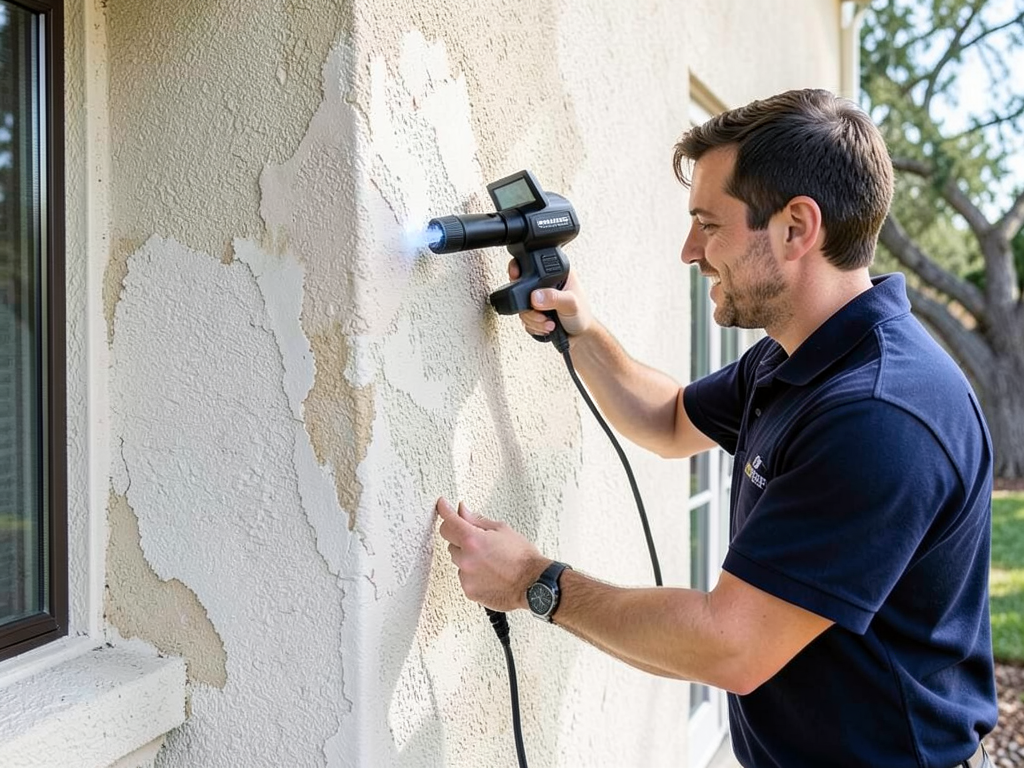
Why Stucco Homes in Sonterra Are Prone to Hidden Water Intrusions
Water damage behind stucco walls often goes undetected until major structural problems emerge. In Sonterra, where stucco is a dominant exterior finish, the combination of San Antonio’s high humidity and specific stucco application methods creates conditions where moisture can penetrate and remain trapped for months or even years. Water Damage Restoration Kirby.
Unlike traditional siding that shows obvious signs of water damage, stucco can hide serious problems beneath its surface. By the time homeowners notice staining or cracking, the damage to wood framing, insulation, and interior walls may already be extensive. Understanding how water gets behind stucco and what warning signs to watch for can save Sonterra homeowners thousands in repair costs. EPA mold remediation guidelines.
How Water Penetrates Stucco in Sonterra Homes
Stucco systems in Sonterra typically consist of three layers: a wire mesh base, a scratch coat, and a finish coat. While this creates a durable exterior, it also creates multiple points where water can enter if not properly sealed. The most common entry points include cracks that develop from thermal expansion, gaps around windows and doors, and failed flashing details. Water Stains on Drywall.
San Antonio’s climate intensifies these vulnerabilities. The region experiences significant temperature swings between hot summer days and cooler nights, causing stucco to expand and contract. This movement creates hairline cracks that may seem insignificant but can allow water to seep behind the stucco during heavy rains or through irrigation systems that spray against walls. Water Damage Restoration Windcrest.
Additionally, Sonterra’s elevation changes and landscaping practices can direct water toward foundation walls. When irrigation systems or downspouts deposit water near stucco surfaces, hydrostatic pressure can force moisture through even the smallest imperfections in the stucco system.
Common Signs of Hidden Water Damage in Stucco
Detecting water damage behind stucco requires knowing what to look for. One of the earliest indicators is efflorescence – a white, powdery substance that appears on stucco surfaces when water evaporates and leaves behind mineral deposits. This often signals that water is already present within the wall system.
Another warning sign is the development of brown or rust-colored streaks beneath windows or along wall sections. These stains occur when water carries tannins or rust from metal components through the stucco. Homeowners might also notice areas where the stucco feels soft or spongy when pressed, indicating moisture has compromised the underlying structure.
Musty odors inside rooms adjacent to exterior walls can indicate mold growth behind stucco. Since mold thrives in dark, moist environments, walls with trapped moisture often develop colonies that produce distinctive smells before any visible signs appear. In some cases, homeowners report increased allergy symptoms or respiratory issues that correlate with hidden water damage.
Thermal imaging inspections can reveal temperature variations that indicate moisture presence. Areas with trapped water typically appear cooler than surrounding dry sections because evaporation creates a cooling effect. This diagnostic technique allows professionals to identify problem areas without destructive testing. Professional Mold Removal and Remediation for Helotes Homeowners.
Why Sonterra’s Building Practices Matter
Sonterra’s development boom in the 1990s and early 2000s coincided with the widespread adoption of EIFS (Exterior Insulation and Finish System) – a synthetic stucco alternative. While EIFS offers energy efficiency benefits, it requires precise installation of drainage planes and weep screeds to prevent water entrapment. Many older Sonterra homes may have EIFS systems with outdated waterproofing methods that no longer meet current building standards.
According to the International Building Code Section 2510.6, modern stucco applications require specific moisture barriers and drainage systems to protect against water intrusion. Homes built before these requirements may lack adequate protection against San Antonio’s heavy rainfall patterns and high humidity levels. International Building Code Section 2510.6.
The soil composition in Sonterra also plays a role in stucco vulnerability. The area’s clay-rich soil expands when wet and contracts when dry, causing minor foundation movements that can stress stucco systems. These micro-movements create hairline cracks that water can exploit, especially during the region’s intense summer storms.. Read more about What to Do When Your Chimney Leaks During a San Antonio Thunderstorm.
Local building practices have evolved to address these challenges. Modern Sonterra construction now incorporates improved flashing details around windows and doors, enhanced moisture barriers, and proper weep screed installation to allow any penetrating water to drain safely away from the structure.
Professional Assessment and Remediation Process
When water damage is suspected behind stucco, professional assessment follows a systematic approach. Technicians begin with non-invasive moisture mapping using specialized meters that can detect elevated moisture levels through various wall materials. This process helps identify the extent and location of water intrusion without damaging the stucco surface.. Read more about How Professional Heat Drying Compares to Traditional Dehumidification for Wet San Antonio Walls.
Infrared thermography provides another diagnostic tool. By detecting temperature differences caused by moisture presence, thermal imaging can reveal water patterns that aren’t visible to the naked eye. This technology is particularly valuable for identifying the source of leaks when water has traveled along structural members before appearing as visible damage.
If destructive testing becomes necessary, professionals typically remove small sections of stucco in strategic locations to assess the extent of damage. This allows inspection of the underlying moisture barrier, wood framing, and insulation. The goal is to minimize damage while gathering enough information to develop an effective remediation plan.
Remediation typically involves removing damaged stucco, replacing compromised structural elements, installing proper moisture barriers, and applying new stucco using current building code standards. The process must address both the visible damage and the underlying causes to prevent recurrence.
Prevention Strategies for Sonterra Homeowners
Regular maintenance can significantly reduce the risk of water damage in stucco homes. Annual inspections should check for cracks, check caulking around windows and doors, and ensure proper drainage away from foundation walls. Even small cracks should be sealed promptly using elastomeric caulk designed for stucco applications.
Landscaping practices also impact stucco longevity. Keep irrigation systems positioned to avoid spraying directly on walls, maintain proper grading to direct water away from the foundation, and consider installing French drains in areas where water tends to collect near the home.
Homeowners should also be aware of their home’s age and construction methods. Properties built before 2000 may benefit from professional assessment to determine if their stucco systems meet current moisture protection standards. Upgrading to modern moisture barriers and drainage systems can prevent costly damage even if the existing stucco appears sound.
Professional cleaning of stucco surfaces every few years can also help. This removes dirt and organic growth that can hold moisture against the stucco surface, while also providing an opportunity to inspect for developing problems before they become severe.
Insurance Considerations for Stucco Water Damage
Insurance coverage for stucco water damage varies significantly among policies. Many standard homeowner policies cover sudden and accidental water damage but may exclude damage resulting from long-term moisture intrusion or poor maintenance. This distinction is crucial for Sonterra homeowners, as many stucco problems develop gradually over years.
When filing a claim for stucco water damage, documentation becomes essential. Professional inspection reports, photographs of visible damage, and records of maintenance can support claims and help establish whether the damage resulted from a covered event or long-term wear.
Some insurance companies now require specific inspections for homes with stucco siding, particularly in regions with high moisture levels like San Antonio. These inspections may be required periodically or when changing insurance providers. Proactive inspections can identify issues before they become claim-worthy problems.
Homeowners should also understand their policy’s deductible and coverage limits for water damage repairs. Some policies have separate deductibles for wind and hail damage, which can affect coverage for stucco damage caused by storms. Reviewing these details before damage occurs helps avoid surprises during the claims process.
Comparing Stucco Systems: Traditional vs. Modern
Traditional hard-coat stucco and modern EIFS systems differ significantly in their moisture management capabilities. Traditional stucco allows some water vapor transmission, which can help walls dry out if moisture does penetrate. However, traditional systems rely heavily on proper installation of flashing and moisture barriers to prevent water entry.
EIFS systems, while more energy-efficient, can trap moisture if not properly detailed. Modern EIFS installations include drainage planes and weep screeds that allow water to escape, but older installations may lack these critical components. The synthetic nature of EIFS also means it doesn’t breathe like traditional stucco, potentially trapping moisture against structural elements.
Both systems can perform well in San Antonio’s climate when properly installed and maintained. The key differences lie in their approach to moisture management and their susceptibility to installation errors. Traditional stucco may be more forgiving of minor installation issues, while EIFS requires more precise execution to function properly.
Homeowners considering stucco repairs or replacement should consult with professionals familiar with both systems to determine which approach best suits their home’s specific conditions and their long-term maintenance preferences.
Frequently Asked Questions
How can I tell if my stucco has water damage?
Look for efflorescence (white powdery deposits), brown or rust-colored stains, soft or spongy areas when pressed, musty odors inside adjacent rooms, and visible cracks or separation at joints. Thermal imaging can reveal hidden moisture patterns not visible to the naked eye.
How much does stucco water damage repair cost?
Repair costs vary widely based on damage extent, ranging from $2,000 to $15,000 for typical residential repairs. Minor crack sealing might cost a few hundred dollars, while extensive structural repairs with complete stucco replacement can exceed $20,000. Professional assessment is necessary for accurate estimates.
Can I repair stucco water damage myself?
Minor crack sealing can be a DIY project using appropriate materials and techniques. However, significant water damage requires professional assessment and repair to ensure proper moisture barrier installation and structural integrity. DIY repairs on extensive damage often lead to recurring problems and higher costs.
How long does stucco water damage repair take?
Minor repairs typically take 2-3 days, while extensive remediation can require 1-2 weeks. This includes assessment, removal of damaged materials, structural repairs, moisture barrier installation, and new stucco application. Weather conditions can extend timelines for exterior work.
Will my insurance cover stucco water damage?
Coverage depends on your specific policy and the damage cause. Sudden events like storm damage are more likely covered than gradual moisture intrusion from maintenance issues. Review your policy details and consult with your insurance provider about coverage specifics for your home.
Take Action Before Minor Issues Become Major Problems
Water damage behind stucco walls rarely improves on its own. What starts as a small crack or minor moisture intrusion can escalate into major structural problems that compromise your home’s safety and value. Sonterra homeowners should be particularly vigilant given the area’s stucco prevalence and climate conditions.
Professional assessment can identify problems while they’re still manageable. Our technicians use advanced diagnostic tools to detect moisture patterns and assess damage extent without unnecessary destruction to your home’s exterior. Early intervention typically results in simpler, less expensive repairs.
If you’ve noticed any warning signs of water damage in your stucco home, don’t wait for the problem to worsen. The cost of professional assessment is minimal compared to the potential expense of unaddressed water damage. Protect your investment and ensure your home remains safe and structurally sound.
Call (210) 390-5977 today to schedule your stucco inspection. Our experienced team understands Sonterra’s unique building challenges and can provide the expert assessment and remediation your home needs. Don’t let hidden water damage compromise your home’s integrity – take action now. Expert tips for drying out hardwood floors in historic King William homes.
You may also find this helpful. Dealing With Rainwater Ingress Under Your French Doors During a South Texas Windstorm.
{
“@context”: “https://schema.org”,
“@type”: “BlogPosting”,
“headline”: “Why Stucco Homes in Sonterra Are Prone to Hidden Water Intrusions”,
“description”: “Stucco homes in Sonterra face unique water intrusion risks. Learn how San Antonio’s climate and stucco systems create hidden damage and what to do about it.”,
“wordCount”: 1903,
“datePublished”: “2026-05-29T11:01:00.000Z”,
“dateModified”: “2026-05-29T11:01:00.000Z”,
“inLanguage”: “en-US”,
“mainEntityOfPage”: {
“@type”: “WebPage”,
“@id”: “https://titanwaterdamagerestorationsanantonio.com”
},
“publisher”: {
“@type”: “LocalBusiness”,
“name”: “Titan Water Damage Restoration San Antonio”,
“url”: “https://titanwaterdamagerestorationsanantonio.com”
},
“author”: {
“@type”: “Organization”,
“name”: “Titan Water Damage Restoration San Antonio”,
“url”: “https://titanwaterdamagerestorationsanantonio.com”
},
“image”: {
“@type”: “ImageObject”,
“url”: “https://titanwaterdamagerestorationsanantonio.com/wp-content/uploads/2026/03/why-stucco-homes-in-sonterra-are-prone-to-hidden-w-1.png”
}
}
{
“@context”: “https://schema.org”,
“@type”: “LocalBusiness”,
“name”: “Titan Water Damage Restoration San Antonio”,
“url”: “https://titanwaterdamagerestorationsanantonio.com”,
“address”: {
“@type”: “PostalAddress”,
“addressLocality”: “San Antonio”
},
“areaServed”: {
“@type”: “City”,
“name”: “San Antonio”
}
}
{
“@context”: “https://schema.org”,
“@type”: “FAQPage”,
“mainEntity”: [
{
“@type”: “Question”,
“name”: “How can I tell if my stucco has water damage?”,
“acceptedAnswer”: {
“@type”: “Answer”,
“text”: “Look for efflorescence (white powdery deposits), brown or rust-colored stains, soft or spongy areas when pressed, musty odors inside adjacent rooms, and visible cracks or separation at joints. Thermal imaging can reveal hidden moisture patterns not visible to the naked eye.”
}
},
{
“@type”: “Question”,
“name”: “How much does stucco water damage repair cost?”,
“acceptedAnswer”: {
“@type”: “Answer”,
“text”: “Repair costs vary widely based on damage extent, ranging from $2,000 to $15,000 for typical residential repairs. Minor crack sealing might cost a few hundred dollars, while extensive structural repairs with complete stucco replacement can exceed $20,000. Professional assessment is necessary for accurate estimates.”
}
},
{
“@type”: “Question”,
“name”: “Can I repair stucco water damage myself?”,
“acceptedAnswer”: {
“@type”: “Answer”,
“text”: “Minor crack sealing can be a DIY project using appropriate materials and techniques. However, significant water damage requires professional assessment and repair to ensure proper moisture barrier installation and structural integrity. DIY repairs on extensive damage often lead to recurring problems and higher costs.”
}
},
{
“@type”: “Question”,
“name”: “How long does stucco water damage repair take?”,
“acceptedAnswer”: {
“@type”: “Answer”,
“text”: “Minor repairs typically take 2-3 days, while extensive remediation can require 1-2 weeks. This includes assessment, removal of damaged materials, structural repairs, moisture barrier installation, and new stucco application. Weather conditions can extend timelines for exterior work.”
}
},
{
“@type”: “Question”,
“name”: “Will my insurance cover stucco water damage?”,
“acceptedAnswer”: {
“@type”: “Answer”,
“text”: “Coverage depends on your specific policy and the damage cause. Sudden events like storm damage are more likely covered than gradual moisture intrusion from maintenance issues. Review your policy details and consult with your insurance provider about coverage specifics for your home.”
}
}
]
}
{
“@context”: “https://schema.org”,
“@type”: “BreadcrumbList”,
“itemListElement”: [
{
“@type”: “ListItem”,
“position”: 1,
“name”: “Home”,
“item”: “https://titanwaterdamagerestorationsanantonio.com”
},
{
“@type”: “ListItem”,
“position”: 2,
“name”: “Blog”,
“item”: “https://titanwaterdamagerestorationsanantonio.com/blog”
},
{
“@type”: “ListItem”,
“position”: 3,
“name”: “Why Stucco Homes in Sonterra Are Prone to Hidden Water Intrusions”
}
]
}
{
“@context”: “https://schema.org”,
“@type”: “Service”,
“serviceType”: “Water Damage Restoration”,
“provider”: {
“@type”: “LocalBusiness”,
“name”: “Titan Water Damage Restoration San Antonio”,
“url”: “https://titanwaterdamagerestorationsanantonio.com”
},
“areaServed”: {
“@type”: “City”,
“name”: “San Antonio”
},
“description”: “Stucco homes in Sonterra face unique water intrusion risks. Learn how San Antonio’s climate and stucco systems create hidden damage and what to do about it.”
}