
What to Do When Your Chimney Leaks During a San Antonio Thunderstorm
A sudden water stain spreading across your living room ceiling during a thunderstorm is one of the most alarming signs of water damage. When that stain appears near your fireplace, the culprit is often a chimney leak. In San Antonio’s volatile climate, where flash flooding and intense summer storms are common, even a small crack in your chimney’s flashing or crown can allow gallons of water to pour into your attic and walls within minutes.
Chimney leaks don’t just damage the masonry structure. Water traveling down the chimney liner carries soot and creosote, creating a toxic sludge that seeps into drywall, insulation, and wooden framing. Within 24-48 hours, this moisture becomes a breeding ground for mold spores, particularly dangerous in San Antonio’s high humidity environment where mold can colonize twice as fast as in drier climates.
The good news is that immediate action can prevent thousands of dollars in secondary damage. This guide walks you through identifying the source of the leak, understanding why San Antonio’s weather patterns make chimneys especially vulnerable, and knowing when to call emergency restoration professionals before the next storm hits. Professional Mold Removal and Remediation for Helotes Homeowners.
Common Signs Your Chimney is Leaking Into Your Home
Water damage from chimney leaks often appears in stages, with early warning signs that homeowners frequently miss until major damage occurs.
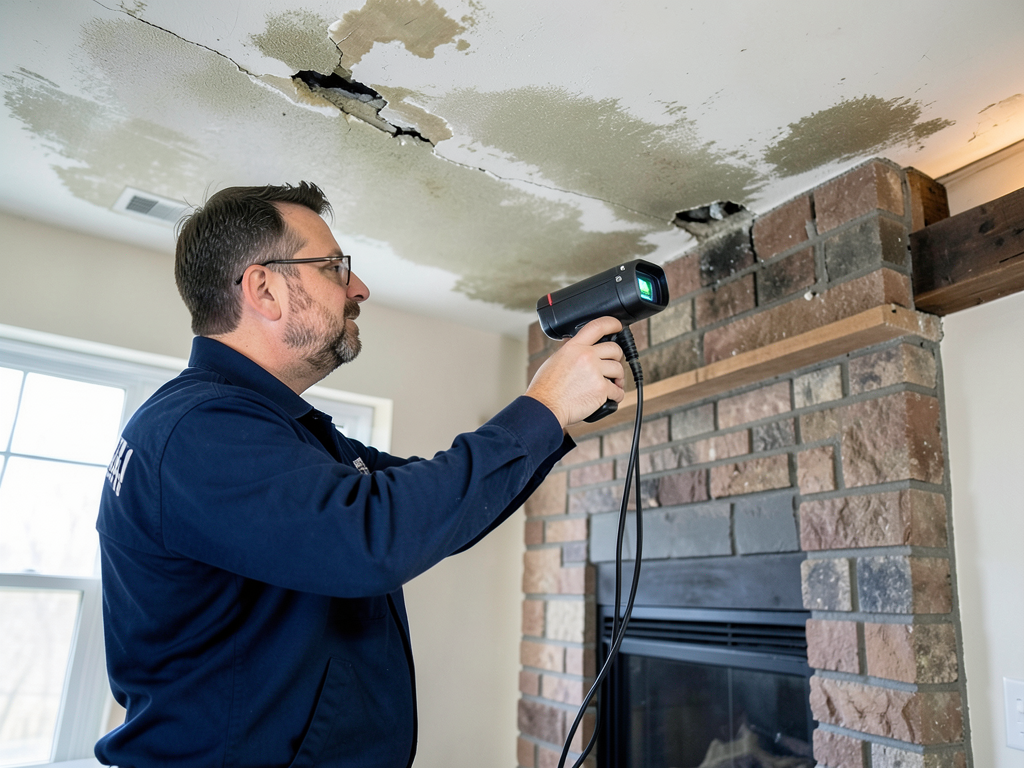
The first indication is usually a water stain on the ceiling or wall near the fireplace. These stains often appear brown or yellow and may darken after heavy rain. You might notice peeling paint or bubbling wallpaper in the same area, as water trapped behind drywall breaks down the adhesive bonds.
Efflorescence on the exterior chimney bricks is another telltale sign. This white, chalky substance forms when water dissolves salts in the masonry and brings them to the surface as it evaporates. While efflorescence itself is cosmetic, it indicates that water is already penetrating the chimney structure.
Inside the home, you may detect a musty odor near the fireplace, especially after rain. This smell comes from mold or mildew growing in damp areas behind walls or in the attic space adjacent to the chimney. In severe cases, you might see actual water dripping from the ceiling or hear dripping sounds in the attic during storms.
San Antonio’s clay-rich soil causes foundation movement that can stress chimney structures over time. This movement creates hairline cracks in the chimney crown and gaps in the flashing where the chimney meets the roof. These vulnerabilities become entry points for water during the intense thunderstorms that frequently roll through Bexar County.
Why San Antonio Rainstorms Cause Chimney Failures
San Antonio’s unique weather patterns create perfect conditions for chimney water damage. The city experiences an average of 30 inches of rainfall annually, concentrated in intense bursts during spring and fall thunderstorm seasons. These storms often bring wind-driven rain that can force water horizontally under compromised flashing.
The Texas heat cycle exacerbates chimney deterioration. During summer months, temperatures can exceed 100掳F, causing masonry materials to expand. When sudden thunderstorms bring cooling rain, these materials contract rapidly. This expansion and contraction cycle, repeated hundreds of times over years, creates stress fractures in chimney crowns and loosens mortar joints.
San Antonio’s location in the Edwards Plateau region means many homes have limestone or clay brick chimneys. These porous materials absorb water readily. When water freezes inside these pores during rare cold snaps, it expands and breaks apart the masonry from within. Even without freezing, trapped water can cause spalling, where the brick surface flakes off in layers.
The chimney flashing, typically made of aluminum or galvanized steel, corrodes faster in San Antonio’s humid environment. Salt air from the Gulf of Mexico, carried inland by prevailing winds, accelerates this corrosion. Once flashing fails, water can enter the roof deck and travel along rafters before dripping into living spaces, making the source of the leak difficult to pinpoint.
The Dangers of Unaddressed Chimney Water Damage (Mold & Structural)
Water entering through a chimney leak creates a cascade of damage that extends far beyond the immediate water stain. Understanding these secondary effects explains why professional restoration is often necessary even for seemingly minor leaks.
Within 24-48 hours of water exposure, mold spores that naturally exist in all homes begin to colonize damp materials. In San Antonio’s climate, this timeline shortens significantly. Drywall, insulation, and wooden structural elements provide ideal food sources for mold growth. Once established, mold colonies can release thousands of spores per square foot into your home’s air, creating health hazards particularly for children, elderly residents, and those with respiratory conditions.
Water-damaged drywall loses its structural integrity quickly. What appears as a small water stain may indicate that the entire sheet of drywall has become saturated and weakened. This material can collapse without warning, especially if disturbed by ceiling fans or air vents creating air movement.
Wooden structural elements in your attic, including rafters and roof decking, are vulnerable to rot when exposed to chronic moisture. This rot weakens the roof’s ability to support its own weight and resist wind uplift during storms. In severe cases, sections of the roof can fail, creating immediate safety hazards.
The combination of water and soot creates acidic compounds that accelerate metal corrosion. This includes not just the chimney itself but also any metal components in the affected area, such as HVAC ductwork, electrical boxes, and plumbing pipes. This corrosion can lead to system failures that require expensive repairs beyond the initial water damage. EPA Mold Information.
Our Professional Restoration Process: From Inspection to Repair
When you call for emergency chimney leak restoration, our process follows industry best practices established by the IICRC S500 standard for professional water damage restoration. This systematic approach ensures no damage goes unaddressed. IICRC S500 Standard.
The first step is comprehensive moisture mapping using thermal imaging cameras and penetrating moisture meters. These tools detect water that has traveled behind walls and under flooring, often revealing damage far from the visible leak source. In San Antonio homes, we frequently find water has traveled along roof rafters before dripping into living spaces, making the actual entry point difficult to identify without professional equipment.
Next, we establish containment barriers to prevent mold spores and dust from spreading during the restoration process. This involves sealing off affected areas with plastic sheeting and creating negative air pressure using HEPA-filtered air scrubbers. This step is particularly important in San Antonio, where high outdoor humidity can complicate indoor drying efforts. Expert tips for drying out hardwood floors in historic King William homes.
Water extraction follows, using commercial-grade extractors that remove moisture from carpets, padding, and even hard surfaces. For chimney-related leaks, we often need to remove sections of drywall to access and dry wall cavities where water has accumulated. This demolition is strategic and limited to only what’s necessary to prevent further damage.
The drying phase employs industrial dehumidifiers and high-velocity air movers positioned to create optimal evaporation conditions. We monitor moisture levels daily using moisture meters, continuing the process until all materials return to normal moisture content levels. In San Antonio’s humid climate, this process often takes longer than in drier regions, requiring careful monitoring to prevent secondary damage.
Final restoration includes repairing or replacing damaged materials, treating all affected areas with antimicrobial solutions to prevent mold growth, and conducting air quality testing to ensure your home is safe for reoccupation. We also provide documentation for insurance claims, including before-and-after photos and detailed reports of all work performed.
Who Fixes a Chimney Leak? (Roofers vs. Restoration Specialists)
Understanding the difference between chimney repair and water damage restoration helps you make the right call when disaster strikes. These are distinct services requiring different expertise.
Roofers and chimney masons address the source of the leak. They repair or replace flashing, seal cracks in the chimney crown, repoint mortar joints, and replace damaged bricks or stones. Their work prevents future water entry but doesn’t address damage that has already occurred inside your home.
Water damage restoration specialists focus on the consequences of the leak. We extract water, dry structures, remove mold-contaminated materials, and restore your home to its pre-loss condition. Our work often reveals the full extent of damage that the original leak caused, including areas the roofer might not see.
In San Antonio, the most effective approach often involves both professionals working in sequence. First, a qualified roofer or mason repairs the chimney to stop active leaking. Then, restoration specialists address the interior damage. Attempting restoration before stopping the leak is ineffective, as new water will continue to cause damage.
Some restoration companies, including ours, maintain relationships with trusted roofing and masonry contractors. This coordination ensures seamless service from leak source to final restoration. When you call us for chimney leak damage, we can assess whether immediate roof repairs are needed before beginning restoration work.
Immediate Steps to Take When You Discover a Chimney Leak
Quick action when you first notice water near your fireplace can significantly reduce restoration costs and prevent secondary damage. Here’s what to do immediately: What to do immediately when your Alamo Heights home starts flooding.
- Stop the Water Spread
Place buckets or towels under active drips to protect flooring and furniture. Move electronics and valuables away from affected areas. If water is spreading rapidly, use plastic sheeting to create temporary barriers.
- Document the Damage
Take clear photos of all water stains, dripping areas, and any visible damage. This documentation is crucial for insurance claims and helps restoration professionals assess the situation before arrival. Include timestamps if your camera has that feature.
- Control Indoor Climate
If safe to do so, turn on ceiling fans and air conditioning to promote air circulation. This helps slow mold growth and reduces humidity in the affected area. Do not use regular household fans if water may contain sewage or other contaminants. Fixing a Sewage Backup in Your Stone Oak Home without the Stress.
- Call for Professional Help
Emergency restoration services are available 24/7 in San Antonio. The longer water sits, the more damage it causes. Professional assessment can determine whether you need immediate roof repair to stop active leaking or if temporary measures can suffice until morning. Emergency Roof Tarping and Water Mitigation Services in Shavano Park.
Do not attempt to seal the leak from inside your home. Climbing on a wet roof is dangerous, and improper sealing can trap water inside walls, causing more damage. Similarly, avoid using bleach on water stains, as this can create harmful fumes when mixed with other substances and doesn’t address the moisture problem.
Contact San Antonio’s Emergency Water Damage Team
When a chimney leak threatens your home during a San Antonio thunderstorm, every minute counts. Our team is ready to respond 24 hours a day, 7 days a week, with the equipment and expertise to stop the damage and begin restoration immediately.
We understand the unique challenges of San Antonio’s climate, from the intense summer heat that accelerates material deterioration to the sudden flash floods that can overwhelm compromised structures. Our technicians are certified by the IICRC and trained in the latest restoration techniques specifically adapted for Texas humidity levels.
Don’t wait for the next storm to cause additional damage. Call (210) 390-5977 now for immediate response. We’ll assess your situation, provide a clear plan of action, and work directly with your insurance company to streamline the claims process. Our goal is to restore not just your home, but your peace of mind.
Whether you’re in Alamo Heights, Stone Oak, or anywhere in the greater San Antonio area, we’re your local experts in emergency water damage restoration. The sooner you call, the more damage we can prevent.
Frequently Asked Questions
How much does chimney leak water damage restoration cost?
Restoration costs vary widely based on damage extent, with minor leaks costing $1,500-$3,000 and extensive damage exceeding $10,000. Factors include water travel distance, materials affected, and mold presence. We provide free assessments and work with insurance companies to maximize coverage.
Will my homeowners insurance cover chimney leak damage?
Most Texas homeowners policies cover sudden, accidental water damage from chimney leaks but not damage from lack of maintenance. If the leak resulted from storm damage or sudden flashing failure, coverage is likely. However, damage from neglected chimney maintenance typically isn’t covered. We can help review your policy specifics.
How long does the restoration process take?
Emergency response and water extraction happen within hours of your call. The complete restoration process typically takes 3-7 days for moderate damage, though complex cases may require longer. Drying time depends on San Antonio’s humidity levels and the extent of water penetration into structural materials.
Can I stay in my home during restoration?
This depends on damage extent and affected areas. For leaks confined to one room, you might remain in your home with minor accommodations. However, if mold remediation is needed or multiple rooms are affected, temporary relocation is often safer and allows more efficient restoration work.
What causes chimney leaks in San Antonio specifically?
San Antonio’s combination of intense summer heat, sudden thunderstorms, and high humidity creates unique stress on chimney structures. Clay soil movement causes foundation shifts that stress masonry. Salt air from the Gulf accelerates flashing corrosion. These local factors make San Antonio chimneys more vulnerable than in many other regions.
You may also find this helpful. Dealing With Rainwater Ingress Under Your French Doors During a South Texas Windstorm.
{
“@context”: “https://schema.org”,
“@type”: “BlogPosting”,
“headline”: “What to Do When Your Chimney Leaks During a San Antonio Thunderstorm”,
“description”: “Chimney leaks during San Antonio storms can cause severe water damage. Learn how to identify the source, prevent mold growth, and get emergency restoration from local experts.”,
“wordCount”: 2230,
“datePublished”: “2026-05-23T09:48:00.000Z”,
“dateModified”: “2026-05-23T09:48:00.000Z”,
“inLanguage”: “en-US”,
“mainEntityOfPage”: {
“@type”: “WebPage”,
“@id”: “https://titanwaterdamagerestorationsanantonio.com”
},
“publisher”: {
“@type”: “LocalBusiness”,
“name”: “Titan Water Damage Restoration San Antonio”,
“url”: “https://titanwaterdamagerestorationsanantonio.com”
},
“author”: {
“@type”: “Organization”,
“name”: “Titan Water Damage Restoration San Antonio”,
“url”: “https://titanwaterdamagerestorationsanantonio.com”
},
“image”: {
“@type”: “ImageObject”,
“url”: “https://titanwaterdamagerestorationsanantonio.com/wp-content/uploads/2026/03/what-to-do-when-your-chimney-leaks-during-a-san-an-1.png”
}
}
{
“@context”: “https://schema.org”,
“@type”: “LocalBusiness”,
“name”: “Titan Water Damage Restoration San Antonio”,
“url”: “https://titanwaterdamagerestorationsanantonio.com”,
“address”: {
“@type”: “PostalAddress”,
“addressLocality”: “San Antonio”
},
“areaServed”: {
“@type”: “City”,
“name”: “San Antonio”
}
}
{
“@context”: “https://schema.org”,
“@type”: “FAQPage”,
“mainEntity”: [
{
“@type”: “Question”,
“name”: “How much does chimney leak water damage restoration cost?”,
“acceptedAnswer”: {
“@type”: “Answer”,
“text”: “Restoration costs vary widely based on damage extent, with minor leaks costing $1,500-$3,000 and extensive damage exceeding $10,000. Factors include water travel distance, materials affected, and mold presence. We provide free assessments and work with insurance companies to maximize coverage.”
}
},
{
“@type”: “Question”,
“name”: “Will my homeowners insurance cover chimney leak damage?”,
“acceptedAnswer”: {
“@type”: “Answer”,
“text”: “Most Texas homeowners policies cover sudden, accidental water damage from chimney leaks but not damage from lack of maintenance. If the leak resulted from storm damage or sudden flashing failure, coverage is likely. However, damage from neglected chimney maintenance typically isn’t covered. We can help review your policy specifics.”
}
},
{
“@type”: “Question”,
“name”: “How long does the restoration process take?”,
“acceptedAnswer”: {
“@type”: “Answer”,
“text”: “Emergency response and water extraction happen within hours of your call. The complete restoration process typically takes 3-7 days for moderate damage, though complex cases may require longer. Drying time depends on San Antonio’s humidity levels and the extent of water penetration into structural materials.”
}
},
{
“@type”: “Question”,
“name”: “Can I stay in my home during restoration?”,
“acceptedAnswer”: {
“@type”: “Answer”,
“text”: “This depends on damage extent and affected areas. For leaks confined to one room, you might remain in your home with minor accommodations. However, if mold remediation is needed or multiple rooms are affected, temporary relocation is often safer and allows more efficient restoration work.”
}
},
{
“@type”: “Question”,
“name”: “What causes chimney leaks in San Antonio specifically?”,
“acceptedAnswer”: {
“@type”: “Answer”,
“text”: “San Antonio’s combination of intense summer heat, sudden thunderstorms, and high humidity creates unique stress on chimney structures. Clay soil movement causes foundation shifts that stress masonry. Salt air from the Gulf accelerates flashing corrosion. These local factors make San Antonio chimneys more vulnerable than in many other regions.”
}
}
]
}
{
“@context”: “https://schema.org”,
“@type”: “HowTo”,
“name”: “Emergency Chimney Leak Response”,
“step”: [
{
“@type”: “HowToStep”,
“position”: 1,
“name”: “Stop the Water Spread”,
“text”: “Place buckets or towels under active drips to protect flooring and furniture. Move electronics and valuables away from affected areas. If water is spreading rapidly, use plastic sheeting to create temporary barriers.”
},
{
“@type”: “HowToStep”,
“position”: 2,
“name”: “Document the Damage”,
“text”: “Take clear photos of all water stains, dripping areas, and any visible damage. This documentation is crucial for insurance claims and helps restoration professionals assess the situation before arrival. Include timestamps if your camera has that feature.”
},
{
“@type”: “HowToStep”,
“position”: 3,
“name”: “Control Indoor Climate”,
“text”: “If safe to do so, turn on ceiling fans and air conditioning to promote air circulation. This helps slow mold growth and reduces humidity in the affected area. Do not use regular household fans if water may contain sewage or other contaminants. Fixing a Sewage Backup in Your Stone Oak Home without the Stress.”
},
{
“@type”: “HowToStep”,
“position”: 4,
“name”: “Call for Professional Help”,
“text”: “Emergency restoration services are available 24/7 in San Antonio. The longer water sits, the more damage it causes. Professional assessment can determine whether you need immediate roof repair to stop active leaking or if temporary measures can suffice until morning. Emergency Roof Tarping and Water Mitigation Services in Shavano Park.”
}
],
“image”: “https://titanwaterdamagerestorationsanantonio.com/wp-content/uploads/2026/03/what-to-do-when-your-chimney-leaks-during-a-san-an-1.png”
}
{
“@context”: “https://schema.org”,
“@type”: “BreadcrumbList”,
“itemListElement”: [
{
“@type”: “ListItem”,
“position”: 1,
“name”: “Home”,
“item”: “https://titanwaterdamagerestorationsanantonio.com”
},
{
“@type”: “ListItem”,
“position”: 2,
“name”: “Blog”,
“item”: “https://titanwaterdamagerestorationsanantonio.com/blog”
},
{
“@type”: “ListItem”,
“position”: 3,
“name”: “What to Do When Your Chimney Leaks During a San Antonio Thunderstorm”
}
]
}
{
“@context”: “https://schema.org”,
“@type”: “Service”,
“serviceType”: “Water Damage Restoration”,
“provider”: {
“@type”: “LocalBusiness”,
“name”: “Titan Water Damage Restoration San Antonio”,
“url”: “https://titanwaterdamagerestorationsanantonio.com”
},
“areaServed”: {
“@type”: “City”,
“name”: “San Antonio”
},
“description”: “Chimney leaks during San Antonio storms can cause severe water damage. Learn how to identify the source, prevent mold growth, and get emergency restoration from local experts.”
}