
Understanding the Difference Between Homeowners Insurance and Flood Insurance in San Antonio
When water damage strikes your San Antonio home the difference between smooth recovery and thousands in unexpected expenses often comes down to understanding your insurance coverage. Many homeowners discover too late that their standard policy does not cover flood damage leaving them vulnerable when the next storm hits. San Antonio River Authority.
San Antonio’s location in Flash Flood Alley and proximity to the Edwards Aquifer recharge zone creates unique water damage risks. Whether you are dealing with a burst pipe in your Alamo Heights bungalow or flash flooding in your Kirby neighborhood home knowing the distinction between homeowners and flood insurance is essential for protecting your investment. What to do immediately when your Alamo Heights home starts flooding.
Coverage Breakdown What Each Policy Actually Protects
Homeowners insurance and flood insurance serve different purposes and understanding these differences can save you significant stress and money when water damage occurs. Water Damage Restoration Kirby.
Homeowners Insurance Sudden and Accidental Water Damage
Homeowners insurance covers water damage from internal sources like burst pipes water heater failures and appliance leaks. This coverage applies to sudden and accidental discharge of water within your home’s plumbing system. If your washing machine hose ruptures or your water heater tank fails your standard homeowners policy typically covers the damage to your home’s structure and personal belongings.
However homeowners insurance specifically excludes damage from external flooding including rising water from heavy rains overflowing rivers or storm surge. This exclusion is where many San Antonio homeowners face unexpected gaps in coverage.. Read more about Understanding the San Antonio Flood Maps and What They Mean for Your Property Value.
Flood Insurance Rising Water Protection
Flood insurance primarily through the National Flood Insurance Program (NFIP) or private carriers covers damage from rising water entering your home from external sources. This includes surface water runoff storm surge overflowing rivers and water from heavy rainfall that accumulates and rises around your property.
The key distinction is the source of water. If water enters your home from the ground up or through windows and doors due to external flooding flood insurance covers it. If water comes from inside your home’s plumbing system homeowners insurance applies.
Side-by-Side Comparison of Coverage Types
| Water Damage Source | Homeowners Insurance | Flood Insurance | Typical San Antonio Claim Example |
|---|---|---|---|
| Burst pipe in wall | Covered | Not covered | Water heater tank rupture in Terrell Hills |
| Flash flood through doors | Not covered | Covered | Surface water entering Windcrest home during storm |
| Sewage backup | Not covered | Not covered | San Antonio Water System main line backup |
| Foundation cracks from hydrostatic pressure | Not covered | Covered | Clay soil expansion in New Braunfels area |
| Roof leak from storm | Covered | Not covered | Hail damage causing attic water intrusion |
The Gray Areas Sewer Backup and Sump Pump Failures
Neither standard homeowners nor flood insurance policies automatically cover sewer backup or sump pump failures. These require separate endorsements or riders added to your existing policies.
In San Antonio where the clay-rich soil and aging infrastructure can create pressure on sewer lines sewer backup coverage is particularly important. This endorsement typically covers damage when water or sewage backs up through your drains or overflows from your sump pump. Fixing a Sewage Backup in Your Stone Oak Home without the Stress.
According to the Texas Department of Insurance sewer backup endorsements usually cost between $50-150 annually but can save you thousands in cleanup and restoration costs. The San Antonio River Authority reports that over 30% of water damage claims in the region involve some form of sewer-related backup. Texas Department of Insurance.
San Antonio’s Unique Flood Risk Profile
San Antonio sits in what FEMA designates as Flash Flood Alley a region particularly vulnerable to sudden severe flooding. The city’s location within the Edwards Aquifer recharge zone means that rainwater quickly moves through the limestone bedrock creating flash flood conditions in minutes rather than hours. FEMA flood maps.
Bexar County flood maps show that over 20000 properties in San Antonio fall within high-risk flood zones even though many homeowners assume they are safe if they do not live near a river or creek. The 2021 Memorial Day floods demonstrated how quickly water can rise in areas like Alamo Heights and Terrell Hills where elevation changes create unexpected flood paths.
The San Antonio River Authority maintains real-time flood warning systems and recommends that all homeowners within 500-year flood zones carry both homeowners and flood insurance regardless of mortgage requirements.
Documenting Damage for Maximum Insurance Recovery
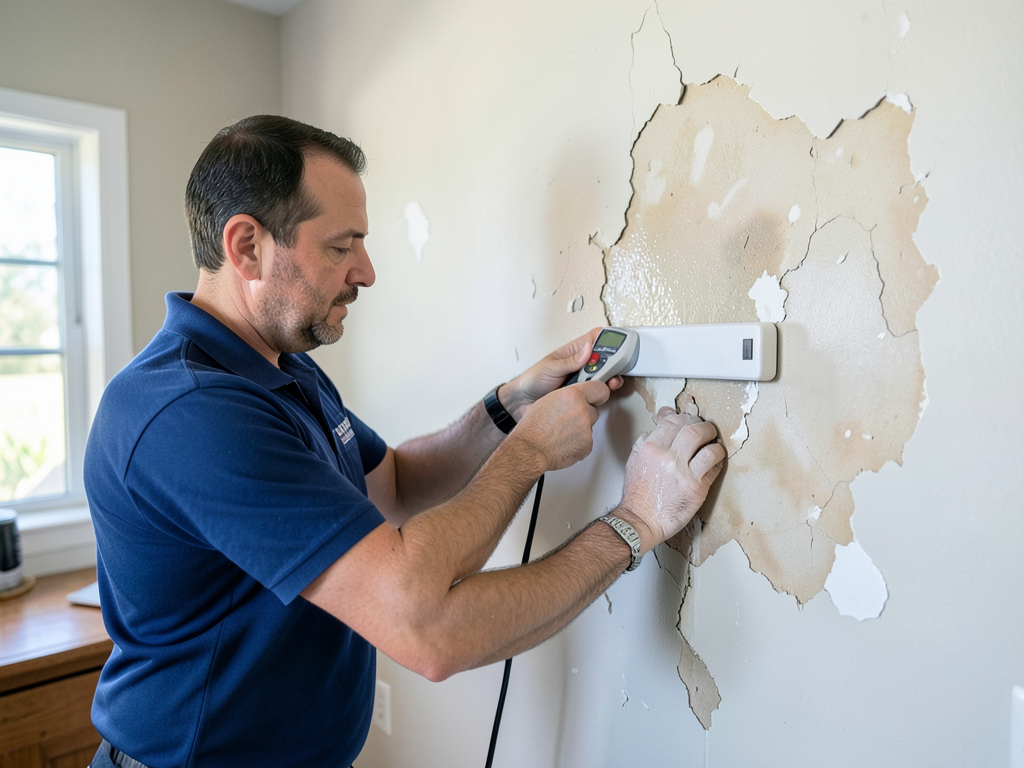
When water damage occurs proper documentation is crucial for insurance claims. Professional restoration companies use moisture meters thermal imaging cameras and detailed photo documentation to establish the extent and cause of damage. Professional Mold Removal and Remediation for Helotes Homeowners.
The IICRC S500 standard for professional water damage restoration provides guidelines for documenting Category 1 2 and 3 water damage. This documentation helps insurance adjusters determine whether the damage falls under homeowners or flood coverage and establishes the scope of necessary repairs.
Key documentation steps include photographing all visible damage before any cleanup begins documenting the source of water intrusion with time-stamped photos recording moisture readings at multiple depths in affected materials keeping samples of damaged materials when possible and maintaining a detailed inventory of damaged personal property.
The 30-Day Waiting Period Planning Ahead for Texas Storms
One critical factor many San Antonio homeowners overlook is the 30-day waiting period for new flood insurance policies in Texas. NFIP policies do not take effect immediately meaning you cannot wait until a hurricane forms in the Gulf to purchase coverage.
This waiting period exists because of Texas’s hurricane season and the high risk of last-minute policy purchases before major storms. The Texas Windstorm Insurance Association (TWIA) enforces similar waiting periods for coastal properties though San Antonio falls outside TWIA’s primary service area.
Planning your insurance coverage before storm season begins in June ensures you have protection when you need it most. Private flood insurance options may have shorter or no waiting periods but they often come with higher premiums and different coverage limitations.
Cost Considerations and Coverage Limits
Flood insurance through NFIP typically costs $500-1500 annually for homes in moderate-risk zones while high-risk areas can see premiums of $2000-4000 per year. Private flood insurance options may offer more competitive rates but often have lower coverage limits or higher deductibles.
Most flood policies have separate deductibles for the structure and contents. A typical NFIP policy might have a $1000 deductible for the home structure and a $500 deductible for personal belongings. These deductibles apply per claim not per year.
Homeowners insurance deductibles are usually lower often $500-2000 but the coverage limitations make them insufficient for comprehensive water damage protection in San Antonio’s flood-prone environment.
Making the Right Insurance Choice for Your San Antonio Home
The decision between homeowners only flood only or both types of coverage depends on your home’s location elevation and proximity to known flood zones. Even properties outside designated flood zones face risks from flash flooding and severe storms.
Consider these factors when evaluating your insurance needs your property’s elevation relative to surrounding areas proximity to creeks rivers or drainage channels age and condition of your home’s plumbing system local flood history and recent weather patterns and your financial ability to handle large out-of-pocket expenses.
For many San Antonio homeowners the peace of mind from comprehensive coverage outweighs the additional premium costs. The average flood claim in Texas exceeds $30000 making even a few hundred dollars in annual premiums a worthwhile investment.
Professional Restoration Bridging the Insurance Gap
Whether you have homeowners insurance flood insurance or both professional water damage restoration services are essential for proper recovery. Restoration companies work directly with insurance adjusters to ensure all damage is properly documented and covered under your policy.
Professional restoration goes beyond simple water removal. It includes structural drying mold prevention and ensuring your home returns to pre-loss condition. This comprehensive approach helps prevent secondary damage that could lead to additional claims or uncovered expenses. Expert tips for drying out hardwood floors in historic King William homes.
Call (210) 390-5977 today to schedule your inspection and ensure your San Antonio home is protected against water damage regardless of the source.
Frequently Asked Questions
Does homeowners insurance cover flood damage from a hurricane in San Antonio?
No standard homeowners insurance does not cover flood damage from hurricanes or any other source of rising water. You need separate flood insurance for this coverage even if you live outside designated flood zones.
How much does flood insurance cost for San Antonio homes?
Flood insurance costs vary based on location and risk level. Homes in moderate-risk zones typically pay $500-1500 annually through NFIP while high-risk areas can cost $2000-4000 per year. Private options may offer different rates and coverage terms.
What is the difference between water damage and flood damage?
Water damage refers to water from internal sources like burst pipes or appliance leaks covered by homeowners insurance. Flood damage involves rising water from external sources like heavy rain or overflowing rivers requiring separate flood insurance coverage.
Do I need flood insurance if I am not in a flood zone?
Yes many experts recommend flood insurance even outside designated zones. Flash flooding can occur anywhere and over 20% of flood claims come from properties outside high-risk areas. The 30-day waiting period makes advance planning essential.
Can I get both homeowners and flood insurance from the same company?
Yes many insurance companies offer both types of coverage. Some bundle them for convenience though flood insurance is often provided through NFIP or specialized carriers due to the unique nature of flood risk assessment.
{
“@context”: “https://schema.org”,
“@type”: “BlogPosting”,
“headline”: “Understanding the Difference Between Homeowners Insurance and Flood Insurance in San Antonio”,
“description”: “Learn how homeowners and flood insurance differ in San Antonio. Discover coverage gaps, local flood risks, and why both policies protect your home from water damage.”,
“wordCount”: 1595,
“datePublished”: “2026-03-22T12:58:00.000Z”,
“dateModified”: “2026-03-22T12:58:00.000Z”,
“inLanguage”: “en-US”,
“mainEntityOfPage”: {
“@type”: “WebPage”,
“@id”: “https://titanwaterdamagerestorationsanantonio.com”
},
“publisher”: {
“@type”: “LocalBusiness”,
“name”: “Titan Water Damage Restoration San Antonio”,
“url”: “https://titanwaterdamagerestorationsanantonio.com”
},
“author”: {
“@type”: “Organization”,
“name”: “Titan Water Damage Restoration San Antonio”,
“url”: “https://titanwaterdamagerestorationsanantonio.com”
},
“image”: {
“@type”: “ImageObject”,
“url”: “https://titanwaterdamagerestorationsanantonio.com/wp-content/uploads/2026/03/understanding-the-difference-between-homeowners-in-1.png”
}
}
{
“@context”: “https://schema.org”,
“@type”: “LocalBusiness”,
“name”: “Titan Water Damage Restoration San Antonio”,
“url”: “https://titanwaterdamagerestorationsanantonio.com”,
“address”: {
“@type”: “PostalAddress”,
“addressLocality”: “San Antonio”
},
“areaServed”: {
“@type”: “City”,
“name”: “San Antonio”
}
}
{
“@context”: “https://schema.org”,
“@type”: “FAQPage”,
“mainEntity”: [
{
“@type”: “Question”,
“name”: “Does homeowners insurance cover flood damage from a hurricane in San Antonio?”,
“acceptedAnswer”: {
“@type”: “Answer”,
“text”: “No standard homeowners insurance does not cover flood damage from hurricanes or any other source of rising water. You need separate flood insurance for this coverage even if you live outside designated flood zones.”
}
},
{
“@type”: “Question”,
“name”: “How much does flood insurance cost for San Antonio homes?”,
“acceptedAnswer”: {
“@type”: “Answer”,
“text”: “Flood insurance costs vary based on location and risk level. Homes in moderate-risk zones typically pay $500-1500 annually through NFIP while high-risk areas can cost $2000-4000 per year. Private options may offer different rates and coverage terms.”
}
},
{
“@type”: “Question”,
“name”: “What is the difference between water damage and flood damage?”,
“acceptedAnswer”: {
“@type”: “Answer”,
“text”: “Water damage refers to water from internal sources like burst pipes or appliance leaks covered by homeowners insurance. Flood damage involves rising water from external sources like heavy rain or overflowing rivers requiring separate flood insurance coverage.”
}
},
{
“@type”: “Question”,
“name”: “Do I need flood insurance if I am not in a flood zone?”,
“acceptedAnswer”: {
“@type”: “Answer”,
“text”: “Yes many experts recommend flood insurance even outside designated zones. Flash flooding can occur anywhere and over 20% of flood claims come from properties outside high-risk areas. The 30-day waiting period makes advance planning essential.”
}
},
{
“@type”: “Question”,
“name”: “Can I get both homeowners and flood insurance from the same company?”,
“acceptedAnswer”: {
“@type”: “Answer”,
“text”: “Yes many insurance companies offer both types of coverage. Some bundle them for convenience though flood insurance is often provided through NFIP or specialized carriers due to the unique nature of flood risk assessment.”
}
}
]
}
{
“@context”: “https://schema.org”,
“@type”: “BreadcrumbList”,
“itemListElement”: [
{
“@type”: “ListItem”,
“position”: 1,
“name”: “Home”,
“item”: “https://titanwaterdamagerestorationsanantonio.com”
},
{
“@type”: “ListItem”,
“position”: 2,
“name”: “Blog”,
“item”: “https://titanwaterdamagerestorationsanantonio.com/blog”
},
{
“@type”: “ListItem”,
“position”: 3,
“name”: “Understanding the Difference Between Homeowners Insurance and Flood Insurance in San Antonio”
}
]
}
{
“@context”: “https://schema.org”,
“@type”: “Service”,
“serviceType”: “Water Damage Restoration”,
“provider”: {
“@type”: “LocalBusiness”,
“name”: “Titan Water Damage Restoration San Antonio”,
“url”: “https://titanwaterdamagerestorationsanantonio.com”
},
“areaServed”: {
“@type”: “City”,
“name”: “San Antonio”
},
“description”: “Learn how homeowners and flood insurance differ in San Antonio. Discover coverage gaps, local flood risks, and why both policies protect your home from water damage.”
}