
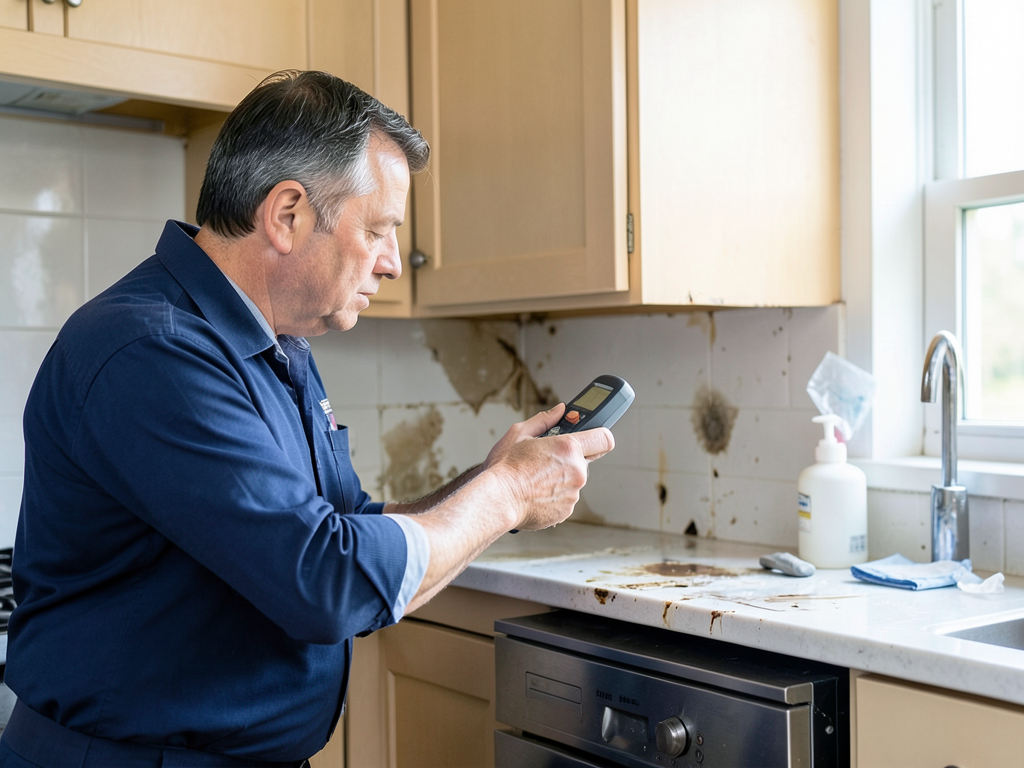
The Frustrating Reality of Water Damaged Particle Board Cabinets in Bulverde Village Kitchens
When water hits particle board cabinets in Bulverde Village homes, the damage happens fast. Within hours, that engineered wood begins to swell, delaminate, and crumble. Unlike solid wood that can often be dried and refinished, particle board acts like a sponge once moisture penetrates its surface. The result is a frustrating mess that many homeowners discover only after a slow leak under the kitchen sink has been working for weeks or months. Water Damage Restoration Kirby.
The reality is that most modern Bulverde Village kitchens use particle board or medium-density fiberboard (MDF) for cabinet boxes because they’re affordable and stable in San Antonio’s climate. But when water damage strikes, these materials reveal their fatal flaw: they cannot recover from significant moisture exposure. The resin binders that hold the wood particles together break down, creating a structural failure that no amount of drying or patching can fix. Expert tips for drying out hardwood floors in historic King William homes.
Why Particle Board Fails So Quickly in Bulverde Village Homes
Bulverde Village sits in a region where summer humidity regularly exceeds 70%, and homes experience temperature swings that can stress building materials. Particle board cabinets in these conditions face a double threat: the initial water damage from leaks and the ongoing moisture in the air that prevents proper drying. The engineered wood’s core structure absorbs water like a sponge, causing expansion that warps doors, separates joints, and creates the characteristic bubbling along edges. EPA mold guidelines.
The problem compounds because most kitchen cabinets have laminate or veneer surfaces that trap moisture underneath. Once water gets past the finish, it’s trapped between the surface and the particle board core. The trapped moisture creates the perfect environment for mold growth within 24-48 hours, according to EPA guidelines for indoor mold prevention. This is why surface-level repairs often fail – the damage goes deeper than what you can see. Water Stains on Drywall.
Assessment: Is Your Particle Board Cabinet Salvageable?
Before attempting any repairs, you need to honestly assess the damage. Particle board damage falls into three categories: minor surface swelling, moderate structural compromise, and complete failure. Here’s how to tell which category your cabinets fall into:
- Surface Swelling Test
Press gently on swollen areas. If the surface feels firm and only slightly raised, you might be able to repair it. If it feels soft or spongy, the damage is too severe.
- Delamination Check
Look for peeling laminate or veneer along edges and corners. Minor lifting might be repairable with glue, but widespread delamination means the adhesive has failed throughout.
- Structural Integrity Test
Open and close doors and drawers. If they stick, sag, or don’t align properly, the cabinet box has likely warped beyond repair.
- Moisture Meter Reading
Use a moisture meter on the cabinet surface. Readings above 15% indicate active moisture that will continue causing damage even after visible water is gone.
The most telling sign is what we call the “screwdriver test.” Press a screwdriver tip into the damaged area. If it sinks in easily or the wood crumbles, the particle board has lost its structural integrity. At this point, repair becomes impossible because the material itself has broken down chemically.
Step-by-Step DIY Repair for Minor Swelling
If your assessment shows only minor surface damage, you might be able to salvage the cabinets. This process works only for very light swelling where the particle board remains structurally sound. Here’s the process we recommend for homeowners who want to try DIY repair:
- Complete Drying
Remove all cabinet doors and drawers. Use fans and dehumidifiers to dry the area for at least 48-72 hours. San Antonio’s humidity means you need longer drying times than other regions.
- Surface Preparation
Once completely dry, sand the swollen areas with 120-grit sandpaper. Sand only enough to level the surface – aggressive sanding removes too much material and weakens the structure.
- Wood Filler Application
Apply wood filler designed for particle board repairs. Use thin layers, allowing each to dry completely. This isn’t like filling nail holes – you’re rebuilding damaged areas.
- Sealing and Priming
Apply a moisture-resistant primer specifically formulated for kitchen cabinets. This creates a barrier that helps prevent future water damage.
- Painting or Refinishing
Finish with paint or contact paper that matches your existing cabinets. Consider using water-resistant materials for better protection.
The success rate for DIY repairs on particle board cabinets is surprisingly low – about 30% according to restoration industry data. The main reason for failure is that homeowners often underestimate the extent of internal damage. What looks like minor surface swelling usually indicates deeper structural problems.
The Dangers of Hidden Mold in Saturated Cabinets
Hidden mold represents the most serious health risk in water-damaged particle board cabinets. The porous nature of particle board creates countless tiny spaces where mold spores can grow unseen. By the time you notice a musty smell or see visible mold, the contamination has usually spread throughout the cabinet structure.. Read more about Understanding the Health Risks of Category 2 Gray Water in Your Harlandale Kitchen.
According to IICRC S520 standards for mold remediation, any porous material that has been saturated for more than 48 hours should be removed rather than cleaned. Particle board falls into this category because its composite structure cannot be effectively sanitized. The wood particles and resin create a matrix that traps mold deep within the material. IICRC S500 and S520 standards.
Common mold species found in kitchen cabinets include Aspergillus, Penicillium, and Stachybotrys (black mold). These can cause respiratory issues, allergic reactions, and other health problems, particularly in children, elderly individuals, and those with compromised immune systems. The Texas Department of State Health Services recommends professional assessment for any mold growth exceeding 10 square feet. Professional Mold Removal and Remediation for Helotes Homeowners.
Professional Restoration vs. Replacement Costs in San Antonio
Understanding the cost factors helps you make informed decisions about whether to repair or replace water-damaged cabinets. Professional restoration in Bulverde Village typically costs 40-60% of full replacement, but this varies based on damage extent and cabinet configuration.
| Service Type | Average Cost Range | Timeframe | Best For |
|---|---|---|---|
| Professional Drying Only | $300 – $800 | 1-2 days | Minor surface moisture |
| Partial Restoration | $1,200 – $2,500 | 3-5 days | Limited delamination |
| Full Cabinet Replacement | $4,000 – $12,000 | 1-2 weeks | Extensive damage |
| Kitchen Remodel | $15,000 – $35,000 | 2-4 weeks | Outdated or damaged |
The cost difference often comes down to whether the cabinet boxes themselves are salvageable. If the structural integrity is compromised, even professional restoration becomes a temporary fix that will fail again within months. Many Bulverde Village homeowners discover that replacement actually costs less in the long run when factoring in repeated repair attempts and the value added to their home.
When to Call a Water Damage Expert
Knowing when to call a professional can save you thousands of dollars and prevent serious health issues. Here are the clear indicators that you need expert help rather than attempting DIY repairs:
- Water Has Reached the Subfloor
If you notice warping in adjacent flooring or water stains on the ceiling below, the damage extends beyond the cabinets into structural components.
- Visible Mold Growth
Any visible mold indicates contamination that requires professional remediation according to IICRC standards.
- Musty Odors Persist
Persistent odors after drying suggest mold growth in hidden areas that DIY methods cannot reach.
- Multiple Cabinets Affected
When damage extends beyond a single cabinet or section, the moisture source and extent become harder to assess without professional equipment.
- Insurance Claims Needed
Professional documentation is often required for insurance reimbursement, and many policies require certified restoration for water damage coverage.
The “wicking effect” is another critical factor. Water can travel horizontally through particle board at a rate of up to 1 inch per hour, meaning damage often extends beyond the visible wet area. Professional moisture meters can detect this hidden damage that the naked eye cannot see.
Preventing Future Water Damage in Your Bulverde Village Kitchen
Prevention is always better than repair when it comes to particle board cabinets. Here are proven strategies to protect your kitchen from future water damage:
- Install Water Alarms
Place battery-operated water sensors under sinks and near dishwashers. These inexpensive devices alert you to leaks before major damage occurs.
- Upgrade Plumbing Connections
Replace old shut-off valves and supply lines every 5-7 years. The extreme heat in Bulverde Village accelerates the degradation of rubber seals and plastic components.
- Use Cabinet Liners
Install water-resistant liners in all base cabinets. These create a barrier that prevents water from contacting the particle board and provides early leak detection.
- Improve Ventilation
Ensure your kitchen has adequate ventilation to reduce humidity levels. Run exhaust fans during and after cooking to prevent moisture buildup.
- Regular Inspections
Check under sinks monthly for signs of moisture, corrosion, or small leaks. Early detection prevents the catastrophic failure that makes particle board cabinets unsalvageable.
Consider upgrading to marine-grade plywood or solid wood cabinets if you’re remodeling. While more expensive initially, these materials withstand water exposure much better than particle board. Some homeowners in flood-prone areas of Bulverde Village are even switching to stainless steel cabinets for maximum water resistance.
The Bottom Line on Particle Board Cabinet Repairs
The frustrating reality is that particle board cabinets in Bulverde Village kitchens often cannot be effectively repaired once water damage occurs. The material’s fundamental structure makes it vulnerable to moisture, and the hot, humid climate of San Antonio accelerates both the initial damage and subsequent mold growth.
For minor damage, DIY repairs might provide temporary relief, but success rates remain low. Professional restoration offers better results but comes with significant costs that may approach replacement prices. The most cost-effective solution is often prevention through proper maintenance and early leak detection.
If you’re facing water-damaged particle board cabinets, the first step is honest assessment. Use the tests outlined above to determine whether you’re dealing with surface-level damage or structural failure. When in doubt, professional assessment can save you from wasting money on repairs that won’t last.
Remember that water damage rarely stays contained. What starts as a small leak under the sink can spread to affect flooring, walls, and even the home’s foundation if left untreated. Quick action is essential for minimizing both damage and repair costs.
Call (210) 390-5977 today to schedule your inspection. Our certified technicians can assess your water-damaged cabinets and provide honest recommendations about whether repair or replacement is your best option. Don’t let particle board damage turn into a major renovation project – get professional help before the damage spreads.
Frequently Asked Questions
How long does it take for particle board to become permanently damaged by water?
Particle board begins absorbing water immediately upon contact. Surface swelling can occur within 30 minutes, and structural damage typically becomes permanent after 24-48 hours of continuous moisture exposure. The hot, humid climate in Bulverde Village can accelerate this process significantly. What to do immediately when your Alamo Heights home starts flooding.
Can I just replace the damaged cabinet doors instead of the whole cabinet?
This depends on the extent of damage. If only the doors are affected and the cabinet boxes remain structurally sound, door replacement is possible. However, if the boxes show any signs of swelling, delamination, or sponginess, the entire cabinet system likely needs replacement to prevent future issues.
Will my homeowner’s insurance cover water-damaged particle board cabinets?
Most policies cover sudden, accidental water damage but not gradual leaks or maintenance-related issues. Coverage also depends on whether the damage affects structural components. Professional documentation of the damage source and extent is typically required for successful claims.
How can I tell if mold is growing in my water-damaged cabinets?
Signs include musty odors, visible discoloration or spotting, and allergic reactions when near the cabinets. However, mold often grows hidden from view within the particle board structure. Professional moisture testing and air quality assessment can detect mold that isn’t visible to the naked eye.
{
“@context”: “https://schema.org”,
“@type”: “BlogPosting”,
“headline”: “The Frustrating Reality of Water Damaged Particle Board Cabinets in Bulverde Village Kitchens”,
“description”: “Learn why particle board cabinets in Bulverde Village homes fail after water damage and when you need professional restoration from San Antonio’s trusted experts.”,
“wordCount”: 1977,
“datePublished”: “2026-05-02T09:15:00.000Z”,
“dateModified”: “2026-05-02T09:15:00.000Z”,
“inLanguage”: “en-US”,
“mainEntityOfPage”: {
“@type”: “WebPage”,
“@id”: “https://titanwaterdamagerestorationsanantonio.com”
},
“publisher”: {
“@type”: “LocalBusiness”,
“name”: “Titan Water Damage Restoration San Antonio”,
“url”: “https://titanwaterdamagerestorationsanantonio.com”
},
“author”: {
“@type”: “Organization”,
“name”: “Titan Water Damage Restoration San Antonio”,
“url”: “https://titanwaterdamagerestorationsanantonio.com”
},
“image”: {
“@type”: “ImageObject”,
“url”: “https://titanwaterdamagerestorationsanantonio.com/wp-content/uploads/2026/03/the-frustrating-reality-of-water-damaged-particle-1.png”
}
}
{
“@context”: “https://schema.org”,
“@type”: “LocalBusiness”,
“name”: “Titan Water Damage Restoration San Antonio”,
“url”: “https://titanwaterdamagerestorationsanantonio.com”,
“address”: {
“@type”: “PostalAddress”,
“addressLocality”: “San Antonio”
},
“areaServed”: {
“@type”: “City”,
“name”: “San Antonio”
}
}
{
“@context”: “https://schema.org”,
“@type”: “FAQPage”,
“mainEntity”: [
{
“@type”: “Question”,
“name”: “Assessment: Is Your Particle Board Cabinet Salvageable?”,
“acceptedAnswer”: {
“@type”: “Answer”,
“text”: “Before attempting any repairs, you need to honestly assess the damage. Particle board damage falls into three categories: minor surface swelling, moderate structural compromise, and complete failure. Here’s how to tell which category your cabinets fall into:”
}
},
{
“@type”: “Question”,
“name”: “How long does it take for particle board to become permanently damaged by water?”,
“acceptedAnswer”: {
“@type”: “Answer”,
“text”: “Particle board begins absorbing water immediately upon contact. Surface swelling can occur within 30 minutes, and structural damage typically becomes permanent after 24-48 hours of continuous moisture exposure. The hot, humid climate in Bulverde Village can accelerate this process significantly. What to do immediately when your Alamo Heights home starts flooding.”
}
},
{
“@type”: “Question”,
“name”: “Can I just replace the damaged cabinet doors instead of the whole cabinet?”,
“acceptedAnswer”: {
“@type”: “Answer”,
“text”: “This depends on the extent of damage. If only the doors are affected and the cabinet boxes remain structurally sound, door replacement is possible. However, if the boxes show any signs of swelling, delamination, or sponginess, the entire cabinet system likely needs replacement to prevent future issues.”
}
},
{
“@type”: “Question”,
“name”: “Will my homeowner’s insurance cover water-damaged particle board cabinets?”,
“acceptedAnswer”: {
“@type”: “Answer”,
“text”: “Most policies cover sudden, accidental water damage but not gradual leaks or maintenance-related issues. Coverage also depends on whether the damage affects structural components. Professional documentation of the damage source and extent is typically required for successful claims.”
}
},
{
“@type”: “Question”,
“name”: “How can I tell if mold is growing in my water-damaged cabinets?”,
“acceptedAnswer”: {
“@type”: “Answer”,
“text”: “Signs include musty odors, visible discoloration or spotting, and allergic reactions when near the cabinets. However, mold often grows hidden from view within the particle board structure. Professional moisture testing and air quality assessment can detect mold that isn’t visible to the naked eye.”
}
}
]
}
{
“@context”: “https://schema.org”,
“@type”: “HowTo”,
“name”: “Assessing Particle Board Cabinet Damage”,
“step”: [
{
“@type”: “HowToStep”,
“position”: 1,
“name”: “Surface Swelling Test”,
“text”: “Press gently on swollen areas. If the surface feels firm and only slightly raised, you might be able to repair it. If it feels soft or spongy, the damage is too severe.”
},
{
“@type”: “HowToStep”,
“position”: 2,
“name”: “Delamination Check”,
“text”: “Look for peeling laminate or veneer along edges and corners. Minor lifting might be repairable with glue, but widespread delamination means the adhesive has failed throughout.”
},
{
“@type”: “HowToStep”,
“position”: 3,
“name”: “Structural Integrity Test”,
“text”: “Open and close doors and drawers. If they stick, sag, or don’t align properly, the cabinet box has likely warped beyond repair.”
},
{
“@type”: “HowToStep”,
“position”: 4,
“name”: “Moisture Meter Reading”,
“text”: “Use a moisture meter on the cabinet surface. Readings above 15% indicate active moisture that will continue causing damage even after visible water is gone.”
}
],
“image”: “https://titanwaterdamagerestorationsanantonio.com/wp-content/uploads/2026/03/the-frustrating-reality-of-water-damaged-particle-1.png”
}
{
“@context”: “https://schema.org”,
“@type”: “BreadcrumbList”,
“itemListElement”: [
{
“@type”: “ListItem”,
“position”: 1,
“name”: “Home”,
“item”: “https://titanwaterdamagerestorationsanantonio.com”
},
{
“@type”: “ListItem”,
“position”: 2,
“name”: “Blog”,
“item”: “https://titanwaterdamagerestorationsanantonio.com/blog”
},
{
“@type”: “ListItem”,
“position”: 3,
“name”: “The Frustrating Reality of Water Damaged Particle Board Cabinets in Bulverde Village Kitchens”
}
]
}
{
“@context”: “https://schema.org”,
“@type”: “Service”,
“serviceType”: “Water Damage Restoration”,
“provider”: {
“@type”: “LocalBusiness”,
“name”: “Titan Water Damage Restoration San Antonio”,
“url”: “https://titanwaterdamagerestorationsanantonio.com”
},
“areaServed”: {
“@type”: “City”,
“name”: “San Antonio”
},
“description”: “Learn why particle board cabinets in Bulverde Village homes fail after water damage and when you need professional restoration from San Antonio’s trusted experts.”
}