
Stopping Attic Mold Growth from Hidden Roof Leaks in Boerne
Attic mold in Boerne homes often starts with a slow, hidden roof leak that goes unnoticed for months. The Texas Hill Country climate creates perfect conditions for mold to thrive in your attic once moisture gets trapped behind insulation. This guide explains how to identify the warning signs, understand the health risks, and take the right steps to stop mold growth before it spreads through your home. Texas House Bill 1328.
Why Boerne Attics Are Vulnerable to Mold Growth
The combination of high humidity, temperature swings, and older home construction in Boerne creates a perfect storm for attic mold problems. Many homes in the area were built before modern building codes required proper attic ventilation, leaving moisture to accumulate where it cannot escape.
During summer months, attic temperatures can exceed 150 degrees Fahrenheit while outside humidity stays above 70 percent. This temperature differential causes condensation to form on the underside of roof decking and around roof penetrations like chimneys and vents. When a small roof leak adds even more moisture to the equation, mold spores that naturally exist in all homes find the damp environment they need to multiply rapidly.
Common leak sources include damaged flashing around chimneys, cracked vent boots, missing shingles, and ice dam formation during rare cold snaps. These leaks often occur in areas hidden from view, allowing water to seep into insulation and wood framing before any visible signs appear in your living spaces. Water Damage Restoration Kirby.
The soil composition in Kendall County also plays a role. Expansive clay soils cause slight foundation shifts that can stress roof connections over time, creating hairline gaps where water can enter during heavy rains or hail storms common to the region. Water Stains on Drywall.
Signs of Hidden Attic Mold You Should Never Ignore
Early detection of attic mold can save thousands in remediation costs and prevent serious health issues. Here are the warning signs that indicate you need a professional inspection immediately: What to do immediately when your Alamo Heights home starts flooding.
- Musty odors that become stronger when your HVAC system runs
- Dark stains or discoloration on ceiling drywall in upper rooms
- Increased allergy symptoms or respiratory issues among family members
- Visible mold growth when inspecting attic spaces with a flashlight
- Peeling paint or bubbling wallpaper near ceiling corners
- Condensation on windows or metal surfaces in upper floors
Pay special attention to your energy bills. A sudden increase in cooling costs often indicates poor attic ventilation, which allows moisture and heat to build up. This creates the ideal environment for mold growth while making your HVAC system work harder.
During attic inspections, look for these specific indicators:
- White, green, or black fuzzy growth on wood surfaces
- Dark spots or streaks on insulation batts
- Water stains on roof decking or rafters
- Signs of rodent activity that can damage vapor barriers
If you notice any of these signs, do not attempt to clean the mold yourself. Disturbing mold colonies can release thousands of spores into your home’s air circulation system, spreading contamination to other areas.
Our Professional Attic Mold Remediation Process in Boerne
Professional mold remediation follows strict protocols established by the IICRC S520 Standard for Professional Mold Remediation. Our process ensures complete removal while protecting your family from exposure to harmful spores. Professional Mold Removal and Remediation for Helotes Homeowners.
- Comprehensive Inspection and Testing
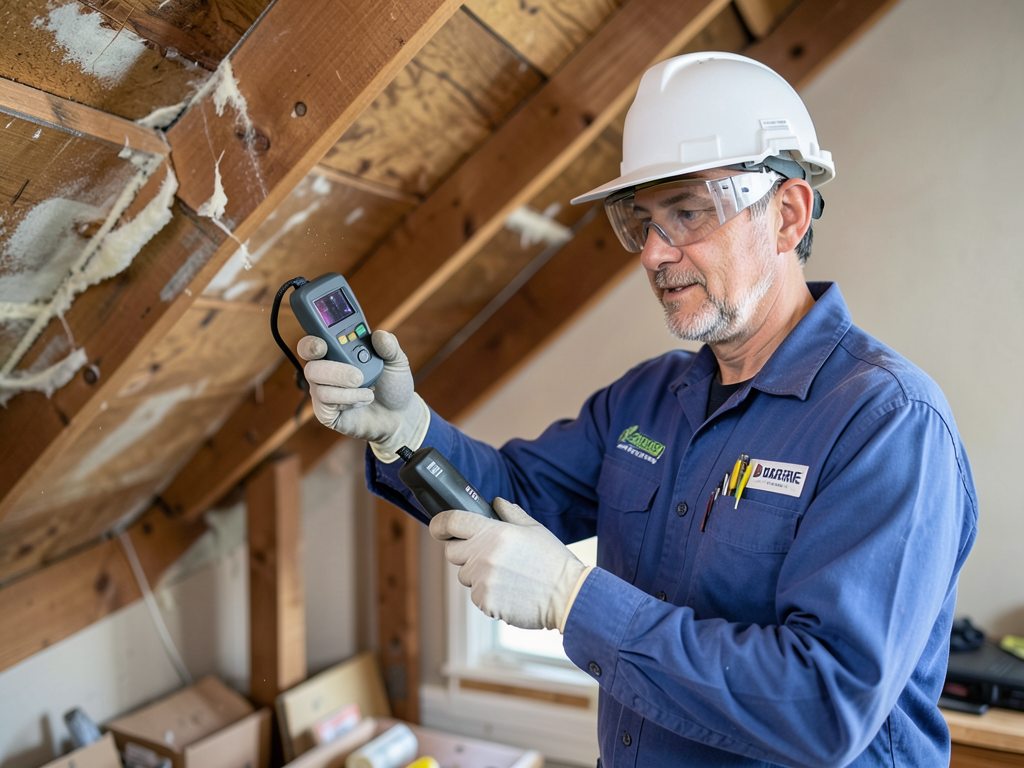
We conduct a thorough visual inspection using moisture meters, thermal imaging cameras, and air quality testing to identify all affected areas. This includes checking roof decking, trusses, insulation, and HVAC components.. Read more about The Real Difference Between Mold Testing and Professional Remediation in Bulverde.
- Containment Setup
Before any work begins, we establish negative air pressure containment using HEPA-filtered air scrubbers. This prevents mold spores from escaping into your living spaces during the remediation process. EPA Mold Resources.
- Material Removal and Disposal
Contaminated insulation, severely damaged wood, and other porous materials are carefully removed and disposed of according to Texas environmental regulations. We use specialized HEPA vacuums to capture loose spores.
- Antimicrobial Treatment
All remaining surfaces receive professional-grade antimicrobial treatments that penetrate wood and kill mold at the cellular level. This includes both liquid treatments and fog applications for hard-to-reach areas.
- Drying and Dehumidification
We use industrial dehumidifiers and air movers to reduce attic humidity to below 50 percent, creating an environment where mold cannot regrow. This process typically takes 24-48 hours.
- Prevention and Restoration
After ensuring all mold is eliminated, we install new mold-resistant insulation, repair any roof damage that caused the initial leak, and improve attic ventilation to prevent future moisture buildup.
The entire process typically takes 3-5 days depending on the extent of contamination and weather conditions. We work efficiently to minimize disruption while maintaining the highest safety standards throughout the project.
Understanding the Health Risks of Attic Mold Exposure
Attic mold poses serious health risks that many homeowners underestimate. The confined space of an attic allows mold colonies to grow unchecked, producing mycotoxins that can affect your family’s health even before you see visible signs of contamination.
Common health symptoms associated with attic mold exposure include:
- Chronic coughing, wheezing, and sinus congestion
- Eye irritation, skin rashes, and throat discomfort
- Worsening of asthma symptoms or new respiratory issues
- Fatigue, headaches, and difficulty concentrating
- Immune system suppression making you more susceptible to illness
Certain populations face higher risks from mold exposure. Children, elderly family members, pregnant women, and individuals with compromised immune systems or pre-existing respiratory conditions may experience more severe reactions. Even healthy adults can develop sensitivity to mold over time with continued exposure.
The Texas Department of State Health Services recommends professional remediation for any mold contamination covering more than 10 square feet. For attic spaces, this threshold is often exceeded before homeowners even realize there is a problem.
Beyond health concerns, untreated attic mold can compromise your home’s structural integrity. Mold feeds on organic materials like wood framing and drywall, gradually weakening support structures. In severe cases, this can lead to costly repairs or even safety hazards from compromised roof support.
Preventing Future Attic Mold Growth in Your Boerne Home
Once your attic has been professionally remediated, implementing preventive measures is crucial to avoid repeat problems. The key is controlling moisture and improving ventilation to create an environment where mold cannot thrive.
Start with a comprehensive roof inspection to identify and repair any existing leaks. Pay special attention to:
- Flashing around chimneys, skylights, and roof valleys
- Vent pipe boots and exhaust fan terminations
- Gutter systems and downspout connections
- Shingle condition and potential hail damage
Improve attic ventilation by ensuring you have both intake and exhaust vents. Soffit vents should provide unobstructed airflow into the attic, while ridge vents or powered attic fans should allow hot, moist air to escape. The general rule is one square foot of ventilation for every 150 square feet of attic space.
Consider these additional preventive measures:
- Install a whole-house dehumidifier to maintain indoor humidity below 50 percent
- Upgrade to mold-resistant insulation materials
- Seal attic floor penetrations to prevent conditioned air from entering the attic
- Install a vapor barrier on the warm side of exterior walls
Regular attic inspections every six months can catch problems early. Look for new water stains, check that vents remain unobstructed, and monitor humidity levels with a hygrometer. Addressing small issues promptly prevents them from becoming major mold problems.
Boerne’s climate requires year-round attention to moisture control. Even during dry spells, temperature fluctuations can cause condensation. Maintaining consistent attic conditions is your best defense against recurring mold growth.
Local Building Codes and Regulations for Mold Remediation in Kendall County
Mold remediation in Texas is regulated under House Bill 1328, which requires specific licensing and procedural standards for contractors performing mold assessment and remediation. In Kendall County, all remediation work must comply with both state regulations and local building codes.
According to the Texas Mold Assessment and Remediation Rules (TMARR), any contractor performing mold remediation must hold a valid Mold Remediation Contractor license from the Texas Department of Licensing and Regulation. This ensures they have completed required training and follow established safety protocols.
Local building codes in Boerne require that all removed materials be properly contained and disposed of at approved facilities. This prevents cross-contamination and ensures environmental compliance. Remediation plans must be submitted to the Kendall County Building Department for review before work begins on projects exceeding certain size thresholds.
Insurance considerations also affect remediation requirements. Many insurance policies require documentation of proper remediation procedures to process claims. Working with a licensed, experienced contractor ensures you meet all insurance requirements and maintain proper documentation for your records.
The City of Boerne also enforces specific requirements for:
- Proper containment barrier installation and negative air pressure maintenance
- Post-remediation verification testing by third-party inspectors
- Documentation of all removed materials and disposal methods
- Compliance with EPA guidelines for mold remediation in residential structures
Cost Factors for Attic Mold Remediation in Boerne
The cost of professional attic mold remediation varies based on several factors specific to your Boerne home. Understanding these variables helps you budget appropriately and avoid unexpected expenses.
Primary cost factors include:
- Square footage of affected area
- Extent of contamination and type of mold present
- Accessibility of attic space and working conditions
- Amount of material that needs removal and replacement
- Required repairs to prevent future moisture intrusion
Minor attic mold problems affecting less than 100 square feet might cost between $1,500 and $3,000 for professional remediation. Moderate contamination covering 100-500 square feet typically ranges from $3,000 to $7,000. Extensive mold growth affecting large areas or requiring structural repairs can exceed $10,000.
Additional costs to consider:
- Pre-remediation testing and post-remediation verification
- Temporary relocation costs if containment requires sealing off large areas
- Roof repairs or ventilation improvements
- Replacement of damaged personal belongings stored in attic
Insurance coverage varies significantly. Some policies cover mold remediation if it results from a covered peril like a sudden roof leak, while others exclude mold damage entirely. Review your policy carefully and discuss coverage options with your insurance provider before beginning work.
While professional remediation represents a significant investment, the cost of ignoring mold problems is much higher. Untreated mold can lead to structural damage, decreased property value, and serious health issues that result in medical expenses and lost productivity.
Frequently Asked Questions About Attic Mold in Boerne
How quickly does mold grow in a leaky attic?
Under optimal conditions with temperatures between 70-90 degrees Fahrenheit and humidity above 60 percent, mold can begin growing within 24-48 hours of water exposure. In Boerne’s climate, this process happens even faster during summer months when attic temperatures are highest.
Can I stay in my home during attic mold remediation?
In most cases, yes. Professional remediation includes containment barriers and negative air pressure systems that prevent mold spores from spreading to living areas. However, if contamination is severe or if family members have respiratory sensitivities, temporary relocation during the most intensive work phases may be recommended.
How long does attic mold remediation take?
Typical attic mold remediation projects take 3-5 days from start to finish. This includes inspection, containment setup, material removal, treatment, drying, and final verification. Weather conditions and the extent of contamination can affect the timeline. Expert tips for drying out hardwood floors in historic King William homes.
Will mold come back after professional remediation?
Professional remediation eliminates existing mold colonies, but new growth can occur if moisture problems persist. This is why addressing the root cause of moisture intrusion and improving ventilation are critical components of the remediation process. With proper prevention measures, mold should not return.
Should I test my attic for mold if I don’t see any visible signs?
If you notice musty odors, experience unexplained health symptoms, or have had recent roof leaks, professional testing is recommended even without visible mold. Mold often grows behind insulation or in areas not visible during casual inspection.
How does attic mold affect my home’s value?
Undisclosed mold problems can significantly reduce your home’s market value and complicate real estate transactions. Professional remediation with proper documentation actually protects your investment by ensuring the problem is completely resolved and preventing future issues.
Call Now for Professional Attic Mold Inspection in Boerne
Don’t let hidden attic mold compromise your family’s health or your home’s structural integrity. Our Boerne-based team provides comprehensive mold inspection and remediation services with fast response times throughout Kendall County.
We understand the unique challenges that Boerne’s climate and architecture present for attic moisture control. Our technicians are fully licensed under Texas mold remediation regulations and follow IICRC S520 standards for every project.
Call (210) 390-5977 today to schedule your professional attic mold inspection. We offer:
- 24/7 emergency response for active leaks
- Free initial inspections and detailed remediation plans
- Direct insurance billing for covered claims
- 5-year warranty on all remediation work
The longer you wait, the more extensive and expensive the remediation becomes. Pick up the phone and call (210) 390-5977 before the next storm hits. Your family’s health and your home’s value depend on addressing attic mold problems quickly and professionally.
You may also find this helpful. Identifying the Source of Your Castle Hills Ceiling Leak and Fixing the Damage.
You may also find this helpful. Using Infrared Cameras to Find Hidden Water Damage in Hill Country Village Homes.
{
“@context”: “https://schema.org”,
“@type”: “BlogPosting”,
“headline”: “Stopping Attic Mold Growth from Hidden Roof Leaks in Boerne”,
“description”: “Attic mold in Boerne homes often hides behind insulation from slow roof leaks. Learn the signs, health risks, and professional remediation steps to protect your home.”,
“wordCount”: 2166,
“datePublished”: “2026-02-25T08:19:00.000Z”,
“dateModified”: “2026-02-25T08:19:00.000Z”,
“inLanguage”: “en-US”,
“mainEntityOfPage”: {
“@type”: “WebPage”,
“@id”: “https://titanwaterdamagerestorationsanantonio.com”
},
“publisher”: {
“@type”: “LocalBusiness”,
“name”: “Titan Water Damage Restoration San Antonio”,
“url”: “https://titanwaterdamagerestorationsanantonio.com”
},
“author”: {
“@type”: “Organization”,
“name”: “Titan Water Damage Restoration San Antonio”,
“url”: “https://titanwaterdamagerestorationsanantonio.com”
},
“image”: {
“@type”: “ImageObject”,
“url”: “https://titanwaterdamagerestorationsanantonio.com/wp-content/uploads/2026/03/stopping-attic-mold-growth-from-hidden-roof-leaks-1.png”
}
}
{
“@context”: “https://schema.org”,
“@type”: “LocalBusiness”,
“name”: “Titan Water Damage Restoration San Antonio”,
“url”: “https://titanwaterdamagerestorationsanantonio.com”,
“address”: {
“@type”: “PostalAddress”,
“addressLocality”: “San Antonio”
},
“areaServed”: {
“@type”: “City”,
“name”: “San Antonio”
}
}
{
“@context”: “https://schema.org”,
“@type”: “FAQPage”,
“mainEntity”: [
{
“@type”: “Question”,
“name”: “How quickly does mold grow in a leaky attic?”,
“acceptedAnswer”: {
“@type”: “Answer”,
“text”: “Under optimal conditions with temperatures between 70-90 degrees Fahrenheit and humidity above 60 percent, mold can begin growing within 24-48 hours of water exposure. In Boerne’s climate, this process happens even faster during summer months when attic temperatures are highest.”
}
},
{
“@type”: “Question”,
“name”: “Can I stay in my home during attic mold remediation?”,
“acceptedAnswer”: {
“@type”: “Answer”,
“text”: “In most cases, yes. Professional remediation includes containment barriers and negative air pressure systems that prevent mold spores from spreading to living areas. However, if contamination is severe or if family members have respiratory sensitivities, temporary relocation during the most intensive work phases may be recommended.”
}
},
{
“@type”: “Question”,
“name”: “How long does attic mold remediation take?”,
“acceptedAnswer”: {
“@type”: “Answer”,
“text”: “Typical attic mold remediation projects take 3-5 days from start to finish. This includes inspection, containment setup, material removal, treatment, drying, and final verification. Weather conditions and the extent of contamination can affect the timeline. Expert tips for drying out hardwood floors in historic King William homes.”
}
},
{
“@type”: “Question”,
“name”: “Will mold come back after professional remediation?”,
“acceptedAnswer”: {
“@type”: “Answer”,
“text”: “Professional remediation eliminates existing mold colonies, but new growth can occur if moisture problems persist. This is why addressing the root cause of moisture intrusion and improving ventilation are critical components of the remediation process. With proper prevention measures, mold should not return.”
}
},
{
“@type”: “Question”,
“name”: “Should I test my attic for mold if I don’t see any visible signs?”,
“acceptedAnswer”: {
“@type”: “Answer”,
“text”: “If you notice musty odors, experience unexplained health symptoms, or have had recent roof leaks, professional testing is recommended even without visible mold. Mold often grows behind insulation or in areas not visible during casual inspection.”
}
},
{
“@type”: “Question”,
“name”: “How does attic mold affect my home’s value?”,
“acceptedAnswer”: {
“@type”: “Answer”,
“text”: “Undisclosed mold problems can significantly reduce your home’s market value and complicate real estate transactions. Professional remediation with proper documentation actually protects your investment by ensuring the problem is completely resolved and preventing future issues.”
}
}
]
}
{
“@context”: “https://schema.org”,
“@type”: “HowTo”,
“name”: “Professional Attic Mold Remediation Process”,
“step”: [
{
“@type”: “HowToStep”,
“position”: 1,
“name”: “Comprehensive Inspection and Testing”,
“text”: “We conduct a thorough visual inspection using moisture meters, thermal imaging cameras, and air quality testing to identify all affected areas. This includes checking roof decking, trusses, insulation, and HVAC components.”
},
{
“@type”: “HowToStep”,
“position”: 2,
“name”: “Containment Setup”,
“text”: “Before any work begins, we establish negative air pressure containment using HEPA-filtered air scrubbers. This prevents mold spores from escaping into your living spaces during the remediation process. EPA Mold Resources.”
},
{
“@type”: “HowToStep”,
“position”: 3,
“name”: “Material Removal and Disposal”,
“text”: “Contaminated insulation, severely damaged wood, and other porous materials are carefully removed and disposed of according to Texas environmental regulations. We use specialized HEPA vacuums to capture loose spores.”
},
{
“@type”: “HowToStep”,
“position”: 4,
“name”: “Antimicrobial Treatment”,
“text”: “All remaining surfaces receive professional-grade antimicrobial treatments that penetrate wood and kill mold at the cellular level. This includes both liquid treatments and fog applications for hard-to-reach areas.”
},
{
“@type”: “HowToStep”,
“position”: 5,
“name”: “Drying and Dehumidification”,
“text”: “We use industrial dehumidifiers and air movers to reduce attic humidity to below 50 percent, creating an environment where mold cannot regrow. This process typically takes 24-48 hours.”
},
{
“@type”: “HowToStep”,
“position”: 6,
“name”: “Prevention and Restoration”,
“text”: “After ensuring all mold is eliminated, we install new mold-resistant insulation, repair any roof damage that caused the initial leak, and improve attic ventilation to prevent future moisture buildup.”
}
],
“image”: “https://titanwaterdamagerestorationsanantonio.com/wp-content/uploads/2026/03/stopping-attic-mold-growth-from-hidden-roof-leaks-1.png”
}
{
“@context”: “https://schema.org”,
“@type”: “BreadcrumbList”,
“itemListElement”: [
{
“@type”: “ListItem”,
“position”: 1,
“name”: “Home”,
“item”: “https://titanwaterdamagerestorationsanantonio.com”
},
{
“@type”: “ListItem”,
“position”: 2,
“name”: “Blog”,
“item”: “https://titanwaterdamagerestorationsanantonio.com/blog”
},
{
“@type”: “ListItem”,
“position”: 3,
“name”: “Stopping Attic Mold Growth from Hidden Roof Leaks in Boerne”
}
]
}
{
“@context”: “https://schema.org”,
“@type”: “Service”,
“serviceType”: “Water Damage Restoration”,
“provider”: {
“@type”: “LocalBusiness”,
“name”: “Titan Water Damage Restoration San Antonio”,
“url”: “https://titanwaterdamagerestorationsanantonio.com”
},
“areaServed”: {
“@type”: “City”,
“name”: “San Antonio”
},
“description”: “Attic mold in Boerne homes often hides behind insulation from slow roof leaks. Learn the signs, health risks, and professional remediation steps to protect your home.”
}