
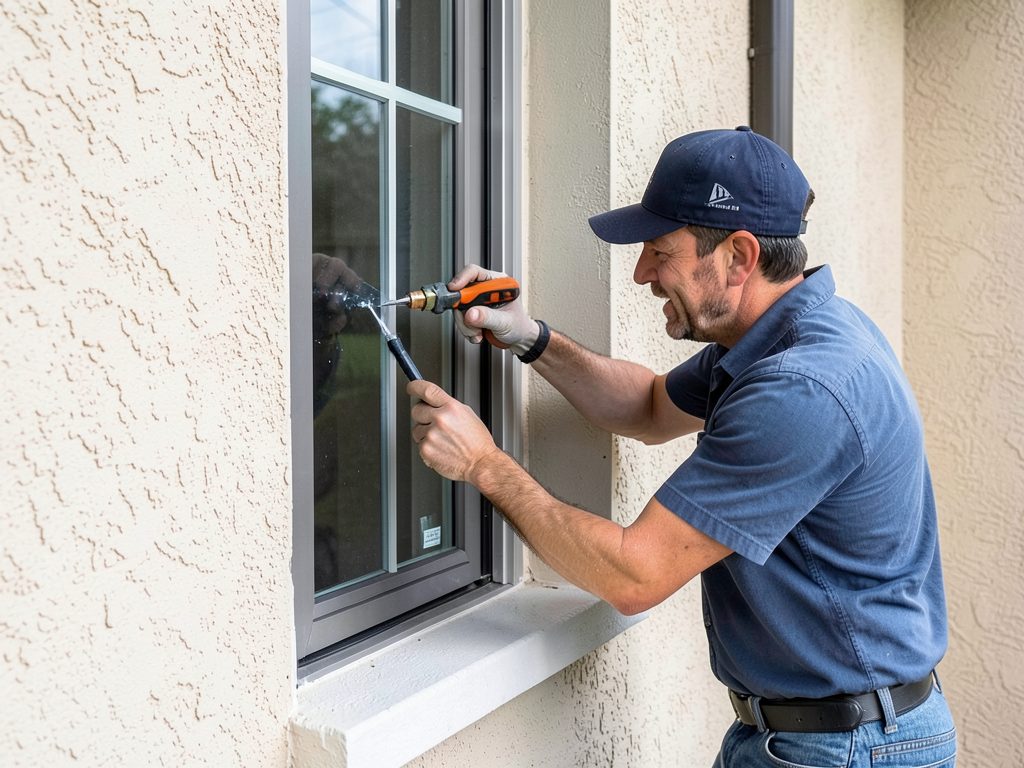
Simple Ways to Seal Your Windows Before the San Antonio Rainy Season Starts
San Antonio’s rainy season brings intense thunderstorms and flash flooding that can expose weaknesses in your home’s defenses. Water finding its way through window seals doesn’t just create a nuisance—it triggers expensive structural damage, mold growth, and pest infestations that restoration experts see every year. The good news is that most window leaks are preventable with proper sealing techniques tailored to South Texas weather conditions. Expert tips for drying out hardwood floors in historic King William homes.
Taking action now protects your home from the costly repairs that follow water intrusion. This guide covers practical steps homeowners can take to seal windows effectively, using materials designed to withstand San Antonio’s extreme heat and sudden downpours. Whether you’re dealing with a historic limestone home in Alamo Heights or a modern stucco build in Stone Oak, these methods address the specific vulnerabilities San Antonio homes face. EPA guidelines for mold remediation.
Why San Antonio Windows Fail During Rainy Season
San Antonio’s climate creates unique challenges for window seals. The intense summer heat causes materials to expand and contract dramatically, while sudden temperature drops from thunderstorms stress caulking and weatherstripping. UV radiation from the Texas sun breaks down standard sealants within 2-3 years, leaving gaps that water exploits. Water Damage Restoration Kirby.
Many San Antonio homes sit on clay soil that shifts seasonally, causing foundation movement that misaligns window frames. This movement creates separation between the window frame and surrounding wall, even when seals appear intact. Historic neighborhoods like King William face additional challenges with aging wood frames that absorb moisture and swell, further compromising seals.
Water doesn’t need much space to enter. A gap as small as 1/16 inch allows significant water intrusion during a heavy San Antonio downpour. Once inside, water travels along wall cavities, soaking insulation and creating perfect conditions for mold growth within 24-48 hours according to IICRC S500 standards for water damage restoration. IICRC S500 standards for water damage restoration.
5 Critical Steps to Prevent Window Leaks
Effective window sealing requires a systematic approach that addresses both visible and hidden vulnerabilities. Here’s how to protect your home before the next storm hits.
- Inspect All Window Seals
Check caulking around exterior window frames for cracks, gaps, or areas where sealant has pulled away from the surface. Pay special attention to corners and joints where different materials meet. Use a putty knife to test caulk adhesion—if it peels easily, replacement is needed.
- Clean Weep Holes
Most San Antonio windows have weep holes at the bottom of the frame to drain water that penetrates the exterior. These often clog with dirt, insects, or debris. Use compressed air or a thin wire to clear each hole completely. Blocked weep holes force water back into your home instead of draining properly.
- Check Weatherstripping
Inspect the rubber or foam strips around window sashes. Look for compression damage, cracking, or areas where the material has separated from the frame. Weatherstripping that feels hard or brittle needs replacement. Properly functioning weatherstripping prevents both water and conditioned air from escaping.
- Examine Exterior Trim
Check for gaps between window trim and siding or stucco. Even small separations allow water to enter behind trim boards where it can rot wood and damage sheathing. Apply paintable exterior caulk to seal these gaps, creating a continuous water barrier.
- Test Window Operation
Windows that stick or won’t close completely create gaps that water exploits. Clean tracks and lubricate moving parts with silicone spray. Replace any damaged hardware that prevents proper closure. A window that closes tightly provides the first line of defense against water intrusion.
Choosing the Right Sealant for Texas Weather
Not all sealants perform equally in San Antonio’s climate. The wrong choice means repeating the process within a year as UV radiation and temperature extremes break down inferior products.
| Sealant Type | UV Resistance | Flexibility | Best For |
|---|---|---|---|
| 100% Silicone | Excellent | High | Exterior window frames, joints |
| Polyurethane | Good | High | Areas needing paint, high movement |
| Butyl Rubber | Fair | Medium | Flashing, temporary repairs |
| Acrylic Latex | Poor | Low | Interior use only |
Silicone sealants outperform other options for San Antonio windows because they maintain flexibility across temperature ranges from 0°F to 150°F. They resist UV degradation for 10-15 years compared to 2-3 years for acrylic options. The initial cost is higher, but the extended lifespan and superior performance justify the investment.
Look for products specifically labeled for exterior use and rated for at least 50 years of durability. Quality silicone costs $4-6 per tube but covers 25-30 linear feet when applied properly. Always choose a color that matches your window frame or can be painted if you need color matching.
Identifying Hidden Water Damage Around Windows
Water damage often goes unnoticed until it becomes severe. Early detection saves thousands in restoration costs. Here’s what to look for during your inspection.
Check interior walls around windows for discoloration, bubbling paint, or soft spots in drywall. These indicate water has already penetrated the wall cavity. Press gently on suspicious areas—if the surface feels spongy or gives under pressure, water damage is present.
Musty odors near windows signal active mold growth. Even if you don’t see visible mold, the smell indicates colonies growing inside wall cavities. Mold remediation becomes exponentially more expensive the longer it goes untreated, with costs ranging from $500 for small areas to $15,000+ for extensive infestations.
Examine window sills and tracks for mineral deposits or staining. These often appear as white, chalky residue from evaporated water. The presence of mineral buildup indicates chronic water intrusion that has occurred repeatedly over time.
Check for wood rot by probing window sills and trim with a screwdriver. Rotted wood feels soft and crumbles easily. If the screwdriver penetrates easily, the wood needs replacement before sealing can be effective.
Professional Restoration vs. DIY Repair
Knowing when to call professionals saves money and prevents further damage. Some situations require expertise beyond basic sealing techniques. Professional Mold Removal and Remediation for Helotes Homeowners.
Call professionals when you discover extensive mold growth, structural damage to window frames, or signs of water damage spreading beyond the immediate window area. Professional restoration teams use moisture meters to detect hidden water in wall cavities and thermal imaging cameras to identify temperature variations that indicate moisture presence.
DIY sealing works well for minor gaps and preventive maintenance. However, if you find water damage has compromised structural elements or if mold covers more than 10 square feet, professional remediation becomes necessary. The EPA recommends professional mold removal for areas exceeding this size due to health risks and the complexity of proper containment.
Professional restoration costs vary based on damage extent. Basic window seal repair might cost $200-500, while structural repairs involving framing and drywall replacement can exceed $5,000. The cost of prevention through proper sealing typically runs $100-300 per window and prevents these larger expenses.
Insurance coverage also factors into the decision. Most policies cover sudden water damage but exclude damage from neglected maintenance. Regular sealing and inspection demonstrate proper maintenance, potentially preserving your coverage for future claims.
San Antonio-Specific Window Maintenance Tips
San Antonio’s unique conditions require specific approaches to window maintenance. The city’s high humidity levels mean mold grows faster than in drier climates, making prompt repairs critical.
During summer months, inspect windows in the early morning or evening when temperatures are cooler. Heat causes materials to expand, making gaps less visible during peak afternoon heat. What looks sealed at 3 PM might have significant gaps at 8 AM.
Consider San Antonio’s hard water when cleaning windows. Mineral deposits from sprinklers or rain can etch glass and damage seals over time. Use a water softener or filtered water for cleaning to prevent mineral buildup that accelerates seal degradation.
Pay attention to prevailing wind directions during storms. San Antonio storms often come from the west or north, so windows on these sides of your home face the most direct water pressure. Apply extra sealant thickness to these areas for added protection.
Check local building codes before making major modifications. The City of San Antonio requires permits for structural changes to windows in historic districts. Compliance ensures your repairs meet safety standards and maintain property values.
Seasonal Window Care Schedule
Establishing a maintenance schedule prevents emergency repairs during storm season. Here’s a year-round approach to window care. Emergency Roof Tarping and Water Mitigation Services in Shavano Park.
Spring (March-April): Complete your pre-rainy season inspection and sealing. This timing ensures protection before peak storm activity begins in May.
Summer (June-August): Check seals after extreme heat waves. High temperatures can cause sealants to soften or separate. Look for gaps that appeared during the hottest months.
Fall (September-November): Inspect for damage from summer storms. Clear debris from weep holes and check for any separation caused by foundation movement during dry months.
Winter (December-February): Monitor for cold-weather issues. While San Antonio rarely experiences freezing temperatures, occasional cold snaps can cause unexpected seal failures.
Document each inspection with photos to track changes over time. This record helps identify patterns and demonstrates maintenance efforts if insurance claims become necessary.
Emergency Response for Active Leaks
Sometimes leaks occur despite preventive measures. Quick action minimizes damage when water finds its way inside.
Place buckets or towels to catch active drips immediately. Move furniture and valuables away from affected areas to prevent additional damage. If water is entering near electrical outlets or fixtures, turn off power to that area at the breaker box. What to do immediately when your Alamo Heights home starts flooding.
Identify the leak source by checking both interior and exterior surfaces during active rainfall. Water can travel along framing before appearing inside, so the entry point may be several feet from where you see water.
Temporary repairs with waterproof tape or plastic sheeting can stop active leaks until permanent repairs are possible. However, these are stopgap measures—proper sealing must follow to prevent future damage.
Document all damage with photos and notes for insurance purposes. Many policies require prompt reporting of water damage to maintain coverage eligibility.
Cost Comparison: Prevention vs. Restoration
Understanding the financial impact of window maintenance helps prioritize this work. Here’s how prevention costs compare to restoration expenses.
| Service | Average Cost | Prevention Cost | Potential Savings |
|---|---|---|---|
| Window Seal Repair (DIY) | $100-300 | $30-50 | $70-250 |
| Professional Seal Replacement | $200-500 | $100-200 | $100-300 |
| Mold Remediation (10 sq ft) | $500-1,500 | N/A | N/A |
| Structural Water Damage Repair | $2,000-10,000 | N/A | N/A |
The numbers tell a clear story. Preventing water intrusion through proper sealing costs a fraction of restoration expenses. A $200 investment in quality sealant and weatherstripping can prevent $5,000+ in structural repairs and mold remediation.
Beyond direct costs, consider the disruption and stress of major restoration work. Prevention allows you to maintain your daily routine while protecting your home’s value and your family’s health.
Local Resources for Window Maintenance
San Antonio homeowners have access to specific resources that support proper window maintenance and water damage prevention.
The City of San Antonio’s Development Services Department provides guidelines for exterior modifications in historic districts. Their staff can advise on approved materials and techniques that preserve architectural integrity while meeting modern waterproofing standards.
Local building supply stores like South Texas Building Materials stock products specifically formulated for Texas climate conditions. Their staff understands regional challenges and can recommend appropriate sealants for different window materials and architectural styles common in San Antonio.
San Antonio Water System (SAWS) offers home improvement rebates for water-efficient upgrades, including some window improvements that enhance energy efficiency. While not directly related to waterproofing, these programs can offset costs of comprehensive window improvements.
Professional organizations like the San Antonio Builders Association maintain directories of licensed contractors specializing in window repair and water damage restoration. Using licensed professionals ensures work meets local building codes and manufacturer specifications.
Final Checklist Before Rainy Season
Before the first major storm hits, run through this final checklist to ensure your windows are ready.
- Inspect all exterior caulking and replace any cracked or separated sections
- Clean all weep holes thoroughly
- Test window operation and lubricate moving parts
- Check interior walls for signs of existing water damage
- Verify weatherstripping is intact and properly seated
- Examine exterior trim for gaps and seal as needed
- Document the condition of each window with photos
Completing this checklist takes 2-4 hours for an average home but provides months of protection against water intrusion. The peace of mind during storm season is worth the investment of time and materials.
Remember that window sealing is just one component of comprehensive water damage prevention. Your roof, foundation, and plumbing system also require attention to create a fully protected home.
If you discover extensive damage or feel overwhelmed by the scope of repairs needed, professional help is available. Don’t wait until water is actively entering your home to seek assistance.
Frequently Asked Questions
How often should I reseal my windows in San Antonio?
Quality silicone sealants last 10-15 years in San Antonio’s climate, but inspect annually for signs of failure. High-traffic windows or those facing direct sun may need more frequent attention.
Can I seal windows during rainy weather?
Most sealants require dry surfaces and 24-48 hours without rain to cure properly. Plan sealing projects during dry weather windows, typically late spring or early fall in San Antonio.
What’s the difference between caulk and sealant?
Caulk is typically acrylic-based and less flexible, while sealants (especially silicone) offer superior flexibility and weather resistance. For exterior window applications in San Antonio, always choose a sealant over standard caulk.
How do I know if water damage is already present?
Look for discoloration, bubbling paint, musty odors, soft drywall, or mineral deposits around windows. These signs indicate existing water intrusion that requires professional assessment.
Will sealing windows improve energy efficiency?
Yes. Proper sealing prevents both water and air infiltration, reducing heating and cooling costs. The EPA estimates that sealing air leaks can save 10-20% on energy bills.
Protecting your San Antonio home from water damage starts with proper window sealing. The techniques covered here address the specific challenges our climate presents, from intense UV exposure to sudden temperature changes. By taking action now, you prevent the stress, expense, and disruption of water damage restoration later.
Remember that window sealing is an investment in your home’s longevity and your family’s comfort. The small cost and effort required pale in comparison to the potential damage from even a single major storm.
Call (210) 390-5977 today to schedule your inspection before the next storm hits. Our San Antonio-based team understands the unique challenges our climate presents and can ensure your home is protected. Don’t wait until water is actively entering your home—prevention is always less expensive than restoration.
Pick up the phone and call (210) 390-5977 now to protect your home from the rainy season ahead.
You may also find this helpful. How Your Redland Ridge Landscaping Might Be Trapping Rainwater Against Your Foundation.
{
“@context”: “https://schema.org”,
“@type”: “BlogPosting”,
“headline”: “Simple Ways to Seal Your Windows Before the San Antonio Rainy Season Starts”,
“description”: “Protect your San Antonio home from water damage with expert window sealing tips. Learn how to prevent leaks before the rainy season hits. Call (210) 390-5977 today.”,
“wordCount”: 2457,
“datePublished”: “2026-04-13T14:00:00.000Z”,
“dateModified”: “2026-04-13T14:00:00.000Z”,
“inLanguage”: “en-US”,
“mainEntityOfPage”: {
“@type”: “WebPage”,
“@id”: “https://titanwaterdamagerestorationsanantonio.com”
},
“publisher”: {
“@type”: “LocalBusiness”,
“name”: “Titan Water Damage Restoration San Antonio”,
“url”: “https://titanwaterdamagerestorationsanantonio.com”
},
“author”: {
“@type”: “Organization”,
“name”: “Titan Water Damage Restoration San Antonio”,
“url”: “https://titanwaterdamagerestorationsanantonio.com”
},
“image”: {
“@type”: “ImageObject”,
“url”: “https://titanwaterdamagerestorationsanantonio.com/wp-content/uploads/2026/03/simple-ways-to-seal-your-windows-before-the-san-an-1.png”
}
}
{
“@context”: “https://schema.org”,
“@type”: “LocalBusiness”,
“name”: “Titan Water Damage Restoration San Antonio”,
“url”: “https://titanwaterdamagerestorationsanantonio.com”,
“address”: {
“@type”: “PostalAddress”,
“addressLocality”: “San Antonio”
},
“areaServed”: {
“@type”: “City”,
“name”: “San Antonio”
}
}
{
“@context”: “https://schema.org”,
“@type”: “FAQPage”,
“mainEntity”: [
{
“@type”: “Question”,
“name”: “How often should I reseal my windows in San Antonio?”,
“acceptedAnswer”: {
“@type”: “Answer”,
“text”: “Quality silicone sealants last 10-15 years in San Antonio’s climate, but inspect annually for signs of failure. High-traffic windows or those facing direct sun may need more frequent attention.”
}
},
{
“@type”: “Question”,
“name”: “Can I seal windows during rainy weather?”,
“acceptedAnswer”: {
“@type”: “Answer”,
“text”: “Most sealants require dry surfaces and 24-48 hours without rain to cure properly. Plan sealing projects during dry weather windows, typically late spring or early fall in San Antonio.”
}
},
{
“@type”: “Question”,
“name”: “What’s the difference between caulk and sealant?”,
“acceptedAnswer”: {
“@type”: “Answer”,
“text”: “Caulk is typically acrylic-based and less flexible, while sealants (especially silicone) offer superior flexibility and weather resistance. For exterior window applications in San Antonio, always choose a sealant over standard caulk.”
}
},
{
“@type”: “Question”,
“name”: “Will sealing windows improve energy efficiency?”,
“acceptedAnswer”: {
“@type”: “Answer”,
“text”: “Yes. Proper sealing prevents both water and air infiltration, reducing heating and cooling costs. The EPA estimates that sealing air leaks can save 10-20% on energy bills.”
}
}
]
}
{
“@context”: “https://schema.org”,
“@type”: “HowTo”,
“name”: “How to Seal Windows for Rainy Season”,
“step”: [
{
“@type”: “HowToStep”,
“position”: 1,
“name”: “Inspect All Window Seals”,
“text”: “Check caulking around exterior window frames for cracks, gaps, or areas where sealant has pulled away from the surface. Pay special attention to corners and joints where different materials meet. Use a putty knife to test caulk adhesion—if it peels easily, replacement is needed.”
},
{
“@type”: “HowToStep”,
“position”: 2,
“name”: “Clean Weep Holes”,
“text”: “Most San Antonio windows have weep holes at the bottom of the frame to drain water that penetrates the exterior. These often clog with dirt, insects, or debris. Use compressed air or a thin wire to clear each hole completely. Blocked weep holes force water back into your home instead of draining properly.”
},
{
“@type”: “HowToStep”,
“position”: 3,
“name”: “Check Weatherstripping”,
“text”: “Inspect the rubber or foam strips around window sashes. Look for compression damage, cracking, or areas where the material has separated from the frame. Weatherstripping that feels hard or brittle needs replacement. Properly functioning weatherstripping prevents both water and conditioned air from escaping.”
},
{
“@type”: “HowToStep”,
“position”: 4,
“name”: “Examine Exterior Trim”,
“text”: “Check for gaps between window trim and siding or stucco. Even small separations allow water to enter behind trim boards where it can rot wood and damage sheathing. Apply paintable exterior caulk to seal these gaps, creating a continuous water barrier.”
},
{
“@type”: “HowToStep”,
“position”: 5,
“name”: “Test Window Operation”,
“text”: “Windows that stick or won’t close completely create gaps that water exploits. Clean tracks and lubricate moving parts with silicone spray. Replace any damaged hardware that prevents proper closure. A window that closes tightly provides the first line of defense against water intrusion.”
}
],
“image”: “https://titanwaterdamagerestorationsanantonio.com/wp-content/uploads/2026/03/simple-ways-to-seal-your-windows-before-the-san-an-1.png”
}
{
“@context”: “https://schema.org”,
“@type”: “BreadcrumbList”,
“itemListElement”: [
{
“@type”: “ListItem”,
“position”: 1,
“name”: “Home”,
“item”: “https://titanwaterdamagerestorationsanantonio.com”
},
{
“@type”: “ListItem”,
“position”: 2,
“name”: “Blog”,
“item”: “https://titanwaterdamagerestorationsanantonio.com/blog”
},
{
“@type”: “ListItem”,
“position”: 3,
“name”: “Simple Ways to Seal Your Windows Before the San Antonio Rainy Season Starts”
}
]
}
{
“@context”: “https://schema.org”,
“@type”: “Service”,
“serviceType”: “Water Damage Restoration”,
“provider”: {
“@type”: “LocalBusiness”,
“name”: “Titan Water Damage Restoration San Antonio”,
“url”: “https://titanwaterdamagerestorationsanantonio.com”
},
“areaServed”: {
“@type”: “City”,
“name”: “San Antonio”
},
“description”: “Protect your San Antonio home from water damage with expert window sealing tips. Learn how to prevent leaks before the rainy season hits. Call (210) 390-5977 today.”
}