
Saving Your Personal Library (How to Dry Out Water Damaged Books and Documents)
Water and paper do not mix. When your books or documents get wet, every minute counts. In San Antonio’s humid climate, mold can begin growing within 24 to 48 hours, making quick action essential. This guide shows you exactly what to do when your personal library faces water damage, from immediate first aid to professional restoration options. Professional Mold Removal and Remediation for Helotes Homeowners.
The Critical First 24 Hours: Preventing Mold in San Antonio’s Climate
San Antonio’s average relative humidity sits between 65 and 70 percent year-round, creating the perfect environment for mold growth on wet paper. The Edwards Aquifer region’s unique climate means moisture lingers in the air, slowing natural evaporation. Your first priority is stabilization, not complete drying. Expert tips for drying out hardwood floors in historic King William homes.
Move wet books and documents to a cool, dry area immediately. If possible, set up fans for air circulation but avoid direct airflow on wet pages. The goal is to bring ambient humidity down below 60 percent to slow mold development. A small dehumidifier can make a significant difference in enclosed spaces. What to do immediately when your Alamo Heights home starts flooding.
Temperature matters as much as humidity. Keep the area between 50 and 70 degrees Fahrenheit. Warmer temperatures accelerate mold growth and paper degradation. If you cannot control the environment, freezing wet items is your best option for buying time.
Step-by-Step Recovery Process
Not all water damage is the same. The recovery method depends on how wet the materials are and what type of paper you are dealing with. Here is how to categorize and treat different levels of damage. Water Damage Restoration Kirby.
Damp Books (Slightly Wet Pages)
For books that feel cool to the touch but pages are not sticking together, air drying works best. Stand the book upright on a flat surface with pages fanned open. Place absorbent paper towels between every 20 pages. Change the towels every few hours as they become saturated.
Rotate the book periodically to prevent warping. This process can take several days depending on humidity levels. San Antonio residents should expect longer drying times than those in drier climates.
Saturated Books (Pages Sticking Together)
When pages are completely soaked and stuck together, you need a more aggressive approach. Place wax paper between every page to prevent sticking. Then interleave with absorbent materials like unprinted newsprint or paper towels. Do not use printed paper as ink can transfer.
Replace interleaving materials every few hours. This process requires patience and frequent attention. The goal is to wick moisture out gradually without causing pages to tear or stick permanently.
Coated Paper (Magazines, Glossy Textbooks)
Glossy paper presents unique challenges because the coating prevents water absorption. Pages will stick together permanently if not separated quickly. Place wax paper between every page immediately. Then freeze the book solid. This prevents pages from bonding and buys you time to seek professional help. EPA Mold Information.
Vacuum freeze drying is the only reliable method for restoring coated paper. This process uses sublimation to remove moisture without causing pages to stick together.
When to Call a Professional Document Recovery Service
Some situations require industrial equipment and expertise. If you have valuable books, historical documents, or large quantities of water damaged materials, professional restoration becomes necessary.. Read more about Handling a Water Disaster in Your San Antonio Church or Place of Worship.
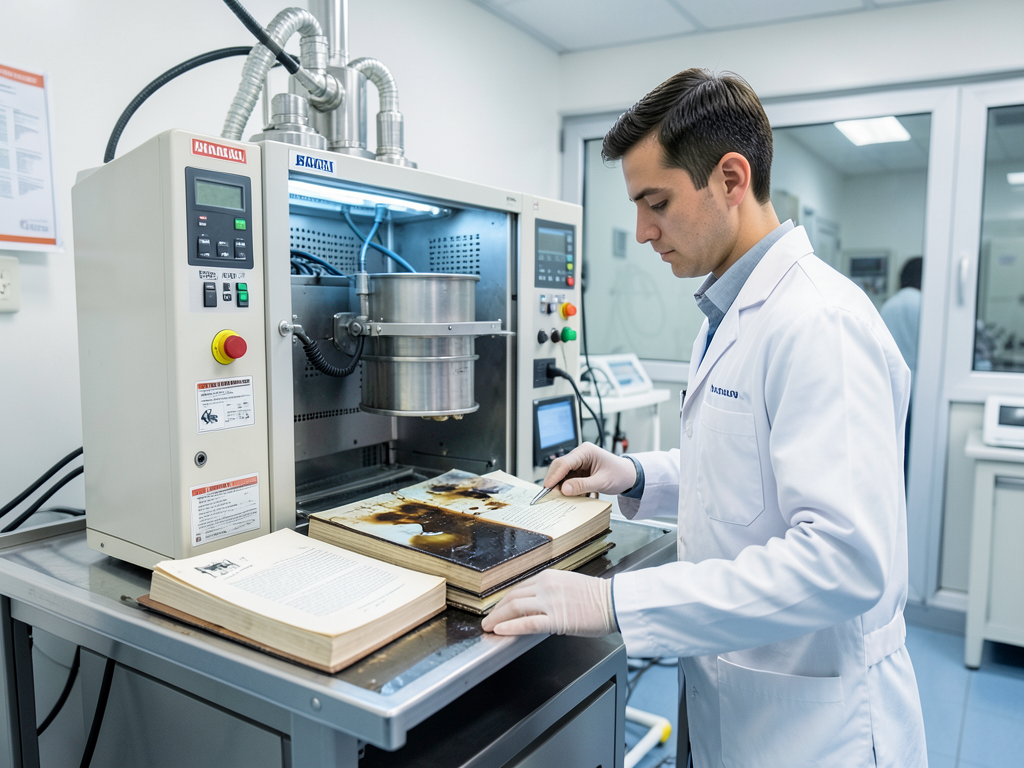
Vacuum freeze drying services use industrial desiccant dehumidifiers and freeze drying chambers. The process involves freezing materials to below zero degrees Fahrenheit, then creating a vacuum environment where ice sublimates directly to vapor without passing through the liquid phase. This prevents page sticking and paper degradation.
Professional services also handle mold remediation using EPA-registered antimicrobials. They can treat books without causing further damage to bindings or ink. For San Antonio residents, local services understand the specific challenges of our climate and can provide faster response times.. Read more about Protecting Your Media Room and Electronics from Humidity in Tobin Hill.
Consider professional help if you have: rare books, legal documents, photographs, artwork, or more than ten water damaged books. Also call professionals if you notice any mold growth, as disturbing mold colonies can spread spores throughout your home.. Read more about Handling Water Damage in San Antonio Schools and Educational Facilities.
What NOT to Do When Drying Books
Many well-intentioned efforts cause permanent damage. Never use a hair dryer on wet books. The concentrated heat warps pages and can melt bindings. Avoid direct sunlight which causes uneven drying and yellowing.
Do not attempt to separate pages that are stuck together. This often results in tearing and permanent damage. Similarly, never use an oven or microwave to dry books. The heat destroys paper fibers and can cause combustion.
Avoid mechanical force. Do not press down on wet books or try to flatten them while drying. This causes permanent warping and can break bindings. Let gravity and proper air circulation do the work.
Never use bleach or household cleaners on water damaged books. These chemicals can cause irreversible staining and paper degradation. If mold is present, leave treatment to professionals who have the proper safety equipment and EPA-approved solutions.
San Antonio Specific Considerations
Living in the Edwards Aquifer region means dealing with specific environmental factors. Our high humidity levels mean drying times extend beyond what national guides recommend. A book that might dry in three days in Arizona could take a week or more in San Antonio.
Many San Antonio homes have pier and beam foundations or slab construction with concrete floors. These materials retain moisture and can create micro-environments that slow book drying. Consider using dehumidifiers even after books feel dry to the touch.
During summer months, afternoon thunderstorms can cause flash flooding. Keep plastic bins with silica gel packets ready for emergency document storage. This preparation can save irreplaceable items when minutes matter. Emergency Roof Tarping and Water Mitigation Services in Shavano Park.
Local libraries and archives use similar techniques but on a larger scale. The San Antonio Public Library system employs freeze drying for their disaster recovery, proving these methods work for both personal and institutional collections.
Preventing Future Water Damage
Once you have recovered your books, take steps to prevent future damage. Store valuable books on higher shelves away from floor level. Use waterproof containers for irreplaceable documents.
Install water leak detectors near water heaters, washing machines, and under sinks. These devices can alert you before minor leaks become major disasters. Consider whole-house water shutoff systems that automatically turn off supply when leaks are detected.
Maintain proper humidity levels in your home. Use dehumidifiers during humid months and ensure good air circulation around bookshelves. Books need to breathe, so avoid overcrowding shelves.
Review your homeowner’s insurance policy. Many policies cover document restoration but may require specific riders for valuable collections. Document your library with photographs for insurance purposes before any damage occurs.
Cost Considerations for Professional Restoration
Professional document restoration costs vary based on the extent of damage and the recovery method required. Vacuum freeze drying typically ranges from $500 to $2,000 per cubic foot of materials. This sounds expensive but becomes cost-effective when considering the value of irreplaceable items.
Mold remediation adds additional costs, usually $200 to $500 per affected item. However, attempting DIY mold removal often results in spreading spores and requiring even more extensive professional treatment later.
Many insurance policies cover document restoration under water damage claims. Check with your provider about specific coverage limits and documentation requirements. Some policies require professional assessment before authorizing restoration work.
Consider the replacement cost of your books. A single rare book might cost hundreds or thousands to replace, while restoration could cost a fraction of that amount. Professional services also preserve the original binding and any sentimental value.
Frequently Asked Questions
Can you save a book that has mold?
Yes, books with mold can often be saved if treated promptly. Professional restoration services use EPA-registered antimicrobials and specialized drying techniques. The key is stopping the mold growth quickly and preventing spore spread. Do not attempt DIY mold removal on books as this often causes more damage.
How long does it take for a book to dry?
Drying time depends on the level of saturation and environmental conditions. Slightly damp books may dry in 2-3 days with proper air circulation. Saturated books can take 1-2 weeks with frequent interleaving changes. San Antonio’s high humidity means all drying times extend by 30-50 percent compared to drier climates.
Does insurance cover document restoration?
Most homeowner’s insurance policies cover document restoration under water damage claims. However, coverage limits vary significantly. Some policies require additional riders for valuable collections. Always document damage with photographs and keep receipts for any immediate stabilization efforts you undertake.
Should I freeze wet books or try to dry them immediately?
Freeze wet books if you cannot begin proper drying within 24 hours or if they have coated pages. Freezing stops mold growth and prevents pages from sticking together. However, freezing is only a temporary measure. Books must eventually be professionally dried using vacuum freeze drying to prevent long-term damage.
What is the difference between air drying and vacuum freeze drying?
Air drying uses natural evaporation and works for slightly damp materials. Vacuum freeze drying freezes materials then uses sublimation to remove moisture without passing through the liquid phase. Freeze drying prevents page sticking and is essential for coated paper, photographs, and valuable documents.
How can I tell if my books have water damage if they look dry?
Check for warping, musty odors, or pages that stick together slightly. Water damaged books often feel heavier than undamaged ones due to retained moisture. Professional moisture meters can detect hidden water content in books that appear dry to the touch.
Is it worth restoring old textbooks or should I just replace them?
Consider the cost of replacement, the book’s rarity, and any notes or highlighting you have added. Professional restoration often costs less than replacement for textbooks, especially specialized or out-of-print editions. The decision also depends on whether the book has sentimental value beyond its monetary worth.
What should I do first if my entire bookshelf gets wet?
First, stop the water source if possible. Then remove books from the affected area and sort by damage level. Place the most severely damaged books in plastic bags and freeze them immediately. Begin air drying the least damaged books while you arrange for professional help with the rest.
Are there any books that cannot be saved once wet?
Some materials have very limited recovery potential. Books with water-soluble inks, certain historical documents, and some photographic materials may be impossible to restore without damage. However, professional assessment can often find recovery options even for severely damaged items.
How do I prevent mold from spreading to other books?
Isolate affected books immediately using plastic bags or containers. Increase air circulation in the storage area and reduce humidity below 60 percent. Monitor nearby books for signs of mold growth. Professional mold remediation may be necessary if multiple books are affected or if mold has spread to shelving materials.
Quick Action Checklist for Water Damaged Books
When water damage occurs, follow these steps in order:
- Stop the water source if possible
- Move books to a cool, dry area
- Sort books by damage level (damp, saturated, coated paper)
- Freeze books with coated pages or those you cannot treat within 24 hours
- Begin air drying for slightly damp books
- Interleave saturated books with absorbent materials
- Monitor for mold growth for the next 48-72 hours
- Consider professional restoration for valuable or extensive damage
Time is your most valuable resource when saving water damaged books. Every hour of delay increases the likelihood of permanent damage and mold growth. San Antonio’s climate makes quick action even more critical than in other regions.
If you are facing extensive water damage or have valuable books affected, do not wait. Call (210) 390-5977 today to schedule your inspection. Our team understands the unique challenges of preserving books in South Texas and can provide the professional help you need before it is too late.
Pick up the phone and call (210) 390-5977 before the next storm hits. Water damage waits for no one, but with the right help, your personal library can survive even the worst flooding events. For more information, visit IICRC S500 Standards.
{
“@context”: “https://schema.org”,
“@type”: “BlogPosting”,
“headline”: “Saving Your Personal Library (How to Dry Out Water Damaged Books and Documents)”,
“description”: “Learn how to save water damaged books and documents in San Antonio’s humid climate. Expert guide on drying techniques, mold prevention, and when to call professionals.”,
“wordCount”: 2032,
“datePublished”: “2026-05-19T15:31:00.000Z”,
“dateModified”: “2026-05-19T15:31:00.000Z”,
“inLanguage”: “en-US”,
“mainEntityOfPage”: {
“@type”: “WebPage”,
“@id”: “https://titanwaterdamagerestorationsanantonio.com”
},
“publisher”: {
“@type”: “LocalBusiness”,
“name”: “Titan Water Damage Restoration San Antonio”,
“url”: “https://titanwaterdamagerestorationsanantonio.com”
},
“author”: {
“@type”: “Organization”,
“name”: “Titan Water Damage Restoration San Antonio”,
“url”: “https://titanwaterdamagerestorationsanantonio.com”
},
“image”: {
“@type”: “ImageObject”,
“url”: “https://titanwaterdamagerestorationsanantonio.com/wp-content/uploads/2026/03/saving-your-personal-library-how-to-dry-out-water-1.png”
}
}
{
“@context”: “https://schema.org”,
“@type”: “LocalBusiness”,
“name”: “Titan Water Damage Restoration San Antonio”,
“url”: “https://titanwaterdamagerestorationsanantonio.com”,
“address”: {
“@type”: “PostalAddress”,
“addressLocality”: “San Antonio”
},
“areaServed”: {
“@type”: “City”,
“name”: “San Antonio”
}
}
{
“@context”: “https://schema.org”,
“@type”: “FAQPage”,
“mainEntity”: [
{
“@type”: “Question”,
“name”: “Can you save a book that has mold?”,
“acceptedAnswer”: {
“@type”: “Answer”,
“text”: “Yes, books with mold can often be saved if treated promptly. Professional restoration services use EPA-registered antimicrobials and specialized drying techniques. The key is stopping the mold growth quickly and preventing spore spread. Do not attempt DIY mold removal on books as this often causes more damage.”
}
},
{
“@type”: “Question”,
“name”: “How long does it take for a book to dry?”,
“acceptedAnswer”: {
“@type”: “Answer”,
“text”: “Drying time depends on the level of saturation and environmental conditions. Slightly damp books may dry in 2-3 days with proper air circulation. Saturated books can take 1-2 weeks with frequent interleaving changes. San Antonio’s high humidity means all drying times extend by 30-50 percent compared to drier climates.”
}
},
{
“@type”: “Question”,
“name”: “Does insurance cover document restoration?”,
“acceptedAnswer”: {
“@type”: “Answer”,
“text”: “Most homeowner’s insurance policies cover document restoration under water damage claims. However, coverage limits vary significantly. Some policies require additional riders for valuable collections. Always document damage with photographs and keep receipts for any immediate stabilization efforts you undertake.”
}
},
{
“@type”: “Question”,
“name”: “Should I freeze wet books or try to dry them immediately?”,
“acceptedAnswer”: {
“@type”: “Answer”,
“text”: “Freeze wet books if you cannot begin proper drying within 24 hours or if they have coated pages. Freezing stops mold growth and prevents pages from sticking together. However, freezing is only a temporary measure. Books must eventually be professionally dried using vacuum freeze drying to prevent long-term damage.”
}
},
{
“@type”: “Question”,
“name”: “What is the difference between air drying and vacuum freeze drying?”,
“acceptedAnswer”: {
“@type”: “Answer”,
“text”: “Air drying uses natural evaporation and works for slightly damp materials. Vacuum freeze drying freezes materials then uses sublimation to remove moisture without passing through the liquid phase. Freeze drying prevents page sticking and is essential for coated paper, photographs, and valuable documents.”
}
},
{
“@type”: “Question”,
“name”: “How can I tell if my books have water damage if they look dry?”,
“acceptedAnswer”: {
“@type”: “Answer”,
“text”: “Check for warping, musty odors, or pages that stick together slightly. Water damaged books often feel heavier than undamaged ones due to retained moisture. Professional moisture meters can detect hidden water content in books that appear dry to the touch.”
}
},
{
“@type”: “Question”,
“name”: “Is it worth restoring old textbooks or should I just replace them?”,
“acceptedAnswer”: {
“@type”: “Answer”,
“text”: “Consider the cost of replacement, the book’s rarity, and any notes or highlighting you have added. Professional restoration often costs less than replacement for textbooks, especially specialized or out-of-print editions. The decision also depends on whether the book has sentimental value beyond its monetary worth.”
}
},
{
“@type”: “Question”,
“name”: “What should I do first if my entire bookshelf gets wet?”,
“acceptedAnswer”: {
“@type”: “Answer”,
“text”: “First, stop the water source if possible. Then remove books from the affected area and sort by damage level. Place the most severely damaged books in plastic bags and freeze them immediately. Begin air drying the least damaged books while you arrange for professional help with the rest.”
}
},
{
“@type”: “Question”,
“name”: “Are there any books that cannot be saved once wet?”,
“acceptedAnswer”: {
“@type”: “Answer”,
“text”: “Some materials have very limited recovery potential. Books with water-soluble inks, certain historical documents, and some photographic materials may be impossible to restore without damage. However, professional assessment can often find recovery options even for severely damaged items.”
}
},
{
“@type”: “Question”,
“name”: “How do I prevent mold from spreading to other books?”,
“acceptedAnswer”: {
“@type”: “Answer”,
“text”: “Isolate affected books immediately using plastic bags or containers. Increase air circulation in the storage area and reduce humidity below 60 percent. Monitor nearby books for signs of mold growth. Professional mold remediation may be necessary if multiple books are affected or if mold has spread to shelving materials.”
}
}
]
}
{
“@context”: “https://schema.org”,
“@type”: “BreadcrumbList”,
“itemListElement”: [
{
“@type”: “ListItem”,
“position”: 1,
“name”: “Home”,
“item”: “https://titanwaterdamagerestorationsanantonio.com”
},
{
“@type”: “ListItem”,
“position”: 2,
“name”: “Blog”,
“item”: “https://titanwaterdamagerestorationsanantonio.com/blog”
},
{
“@type”: “ListItem”,
“position”: 3,
“name”: “Saving Your Personal Library (How to Dry Out Water Damaged Books and Documents)”
}
]
}
{
“@context”: “https://schema.org”,
“@type”: “Service”,
“serviceType”: “Water Damage Restoration”,
“provider”: {
“@type”: “LocalBusiness”,
“name”: “Titan Water Damage Restoration San Antonio”,
“url”: “https://titanwaterdamagerestorationsanantonio.com”
},
“areaServed”: {
“@type”: “City”,
“name”: “San Antonio”
},
“description”: “Learn how to save water damaged books and documents in San Antonio’s humid climate. Expert guide on drying techniques, mold prevention, and when to call professionals.”
}