
Fixing Water Damaged Popcorn Ceilings in Older San Antonio Homes Without the Mess
Water-stained popcorn ceilings in older San Antonio homes require specialized restoration that goes beyond simple painting. The textured surface traps moisture, creates ideal conditions for mold growth, and often contains hazardous materials that demand professional handling. Before attempting any repair, you need to understand the unique challenges of working with these ceilings in San Antonio’s humid climate. EPA Asbestos Guidelines.
Older homes in neighborhoods like Alamo Heights and Terrell Hills frequently feature popcorn ceilings installed before 1980. These textured surfaces were popular for their acoustic properties and ability to hide imperfections, but they present serious complications when water damage occurs. The porous texture absorbs moisture like a sponge, creating hidden damage that extends far beyond visible stains. What to do immediately when your Alamo Heights home starts flooding.
The first step in any successful restoration is identifying the water source. Roof leaks from San Antonio’s intense summer thunderstorms, plumbing failures in aging copper pipes, or HVAC condensation in our high-humidity environment can all cause similar ceiling damage. Without addressing the root cause, any repair becomes a temporary fix that will fail again. Water Damage Restoration Kirby.
Professional restoration requires specialized equipment and expertise. Our technicians use moisture meters to map the extent of saturation, thermal imaging cameras to detect hidden water pockets, and HEPA filtration systems to contain hazardous particles during removal. The process demands strict adherence to EPA guidelines for handling potential asbestos-containing materials. Expert tips for drying out hardwood floors in historic King William homes.
Understanding the Unique Challenges of San Antonio’s Popcorn Ceilings
San Antonio’s climate creates specific problems for popcorn ceiling restoration. Our summer humidity levels often exceed 70%, which means water-damaged ceilings take significantly longer to dry than in drier climates. This extended drying time allows mold spores to germinate and spread throughout the textured surface.. Read more about Dealing With Water Stains on Your High Vaulted Ceilings in Cross Mountain.
Many San Antonio homes built between 1950 and 1980 contain popcorn ceilings with asbestos fibers. The EPA banned spray-on asbestos products in 1978, but contractors continued using existing inventory through the early 1980s. Testing is mandatory before any scraping or sanding begins.
The texture itself poses restoration challenges. Popcorn ceilings have a distinctive stipple pattern that cannot be replicated with standard ceiling paint. Professional restoration requires specialized texture spray equipment and exact color matching to blend repairs seamlessly with existing surfaces. Professional Mold Removal and Remediation for Helotes Homeowners.
Structural considerations also matter in older San Antonio homes. Many properties in historic districts like King William feature plaster-and-lathe construction beneath the popcorn texture. Water damage can cause the plaster to separate from the lathe, creating hollow spots that require complete replacement rather than simple patching.
Identifying the Source: Why Your Popcorn Ceiling is Bubbling or Stained
Before any repair work begins, you must identify the water source. Different sources leave distinct patterns and require different remediation approaches. Understanding these patterns helps prevent recurring damage and guides the restoration process.
Roof leaks typically create concentric stain patterns that expand outward from the entry point. In San Antonio’s older neighborhoods, hail damage from spring storms often compromises roof flashing around chimneys and vents. These leaks worsen during summer monsoon season when afternoon thunderstorms dump inches of rain in hours.
Plumbing leaks from aging copper pipes create different patterns. Hot water supply lines running through attic spaces can develop pinhole leaks due to San Antonio’s hard water. These leaks often appear as isolated damp spots that grow over time, creating ceiling sagging before visible staining occurs.
HVAC condensation represents another common source in San Antonio homes. Our air conditioning systems work overtime during summer months, producing significant condensation. When drain lines clog or condensate pans crack, water drips onto ceiling insulation and eventually through to the drywall below.
Foundation movement in San Antonio’s clay soil can also cause ceiling damage. Our expansive clay soils shrink during drought and swell during wet periods, causing homes to shift. This movement can stress plumbing connections and create hairline cracks in ceiling joints that allow water infiltration during heavy rains.
Call (210) 390-5977 today to schedule your inspection. Our technicians can identify the water source and recommend the most effective restoration approach for your specific situation.
The Critical Safety Check: Asbestos and Mold Testing
Safety testing represents the non-negotiable first step in popcorn ceiling restoration. San Antonio’s housing stock includes thousands of homes built during the asbestos era, and disturbing these materials without proper precautions creates serious health hazards.
EPA regulations require testing for asbestos-containing materials in buildings constructed before 1981. The testing process involves collecting small samples from multiple ceiling areas and sending them to certified laboratories. Results typically return within 24-48 hours, but this waiting period cannot be skipped.
Mold testing becomes equally important in San Antonio’s humid climate. Water-damaged popcorn ceilings create perfect conditions for mold growth within 24-48 hours. Professional testing identifies mold species, concentration levels, and determines whether remediation falls under Texas Department of State Health Services guidelines.
Professional testing equipment includes air quality monitors that measure airborne particle counts, moisture meters that detect hidden saturation levels, and thermal cameras that reveal temperature variations indicating water presence. These diagnostic tools provide the data needed to develop an effective restoration plan.
If asbestos is present, restoration must follow OSHA Class II containment procedures. This includes sealing the work area with polyethylene sheeting, using HEPA-filtered negative air machines, and requiring workers to wear NIOSH-approved respirators. DIY removal of asbestos-containing materials violates federal law and creates liability for property owners.
Mold remediation in San Antonio requires compliance with Texas Mold Assessment and Remediation Rules. Licensed mold assessment consultants must evaluate the extent of contamination before any removal work begins. This evaluation determines whether affected materials can be cleaned or must be completely removed and replaced.
Our 5-Step Restoration Process
Professional popcorn ceiling restoration follows a systematic process that ensures complete moisture removal, proper safety protocols, and seamless texture matching. Each step builds upon the previous one to create lasting results that restore both function and appearance.
Step 1: Water Extraction and Structural Drying
High-volume water extraction equipment removes standing water from ceiling cavities. Industrial dehumidifiers and air movers create the controlled drying environment necessary to prevent secondary damage. Moisture meters track progress until all materials reach safe drying standards.
Step 2: Asbestos and Mold Containment
Containment barriers prevent cross-contamination during the removal process. HEPA air scrubbers filter airborne particles, while negative air pressure keeps contaminants from spreading to other areas of the home. All workers wear appropriate personal protective equipment throughout the process.
Step 3: Texture Removal and Surface Preparation
Damaged popcorn texture is carefully removed using specialized scrapers and wetting agents that minimize dust. The underlying surface is inspected for structural damage, repaired as needed, and primed with stain-blocking sealer to prevent bleed-through.
Step 4: Precision Texture Matching
Professional texture technicians apply new popcorn texture using commercial spray equipment calibrated to match the original pattern. Multiple thin coats ensure proper coverage without creating an artificial appearance. Color matching guarantees seamless integration with existing surfaces.
Step 5: Final Inspection and Documentation
Moisture readings confirm complete drying. Air quality testing verifies that containment procedures prevented contamination spread. Detailed documentation provides proof of proper restoration for insurance purposes and future property transactions.
Cost Factors and Insurance Coverage in Texas
Popcorn ceiling restoration costs vary significantly based on several factors. Understanding these variables helps homeowners budget appropriately and navigate insurance claims effectively.
Testing requirements represent a fixed cost regardless of damage extent. Asbestos testing typically costs $200-400 for a standard residential ceiling. Mold assessment adds another $300-600 if contamination is suspected. These diagnostic costs are often covered by insurance when water damage is involved.
Removal costs depend on ceiling area, accessibility, and contamination presence. Standard removal of water-damaged popcorn texture ranges from $1.50-3.00 per square foot. Asbestos-containing materials increase costs to $3.00-6.00 per square foot due to specialized containment requirements.
Texture matching represents another cost variable. Simple color matching costs less than complex pattern replication. Historic homes in Alamo Heights or Monte Vista may require custom color mixing to match existing architectural elements.
Insurance coverage depends on the water damage source. Sudden pipe bursts and storm-related roof leaks typically qualify for coverage under standard homeowners policies. Gradual damage from long-term leaks or condensation often falls under maintenance exclusions.
Documentation requirements affect claim success. Professional restoration companies provide detailed damage assessments, moisture mapping, and before-and-after photography. This documentation proves the extent of damage and justifies restoration costs to insurance adjusters.
Pick up the phone and call (210) 390-5977 before the next storm hits. We work directly with insurance companies to ensure your claim processes smoothly and you receive the coverage you deserve.
Why DIY Popcorn Repair Often Fails
Homeowners attempting DIY popcorn ceiling repairs frequently encounter problems that professional restoration avoids. Understanding these common failures helps explain why professional services provide better value despite higher upfront costs.
Texture matching represents the most common DIY failure point. Commercial texture spray cans available at home improvement stores cannot replicate the fine stipple pattern of original popcorn ceilings. DIY repairs create visible patches that stand out rather than blend in.
Moisture management failures lead to recurring problems. Homeowners often paint over water stains without addressing underlying moisture. This approach traps water within ceiling cavities, creating ideal conditions for mold growth and eventual ceiling collapse.
Safety violations create serious liability. Disturbing asbestos-containing materials without proper containment exposes families to hazardous fibers. Texas law holds property owners liable for asbestos exposure, potentially creating legal exposure that far exceeds repair costs.
Insurance complications arise from DIY work. Insurance companies often deny claims when damage results from improper repairs. Professional documentation provides the proof needed to support legitimate claims and avoid coverage disputes.
Time and effort requirements surprise most DIYers. Professional teams complete typical residential ceiling restoration in 2-3 days. DIY attempts often stretch into weeks as homeowners learn techniques and correct mistakes.
Equipment limitations prevent professional results. Commercial dehumidifiers, air scrubbers, and texture sprayers cost thousands of dollars to purchase or rent. Professional restoration companies amortize these costs across multiple jobs, making professional service more economical than equipment rental.
Preventing Future Water Damage
After successful restoration, preventing future water damage becomes the priority. San Antonio’s climate and housing characteristics create specific vulnerabilities that require targeted prevention strategies.
Roof maintenance prevents the most common water source. Annual inspections identify loose flashing, damaged shingles, and compromised sealants before leaks develop. San Antonio’s intense UV exposure degrades roofing materials faster than in milder climates, making regular maintenance essential.
Plumbing inspections catch problems before ceiling damage occurs. Copper pipes in San Antonio homes face accelerated corrosion from our hard water. Professional plumbers use endoscopic cameras to inspect pipe interiors and identify weak points before leaks develop.
HVAC maintenance prevents condensation problems. Annual coil cleaning, drain line flushing, and pan inspections ensure proper moisture management during San Antonio’s long cooling season. Condensate pumps in attic installations require particular attention due to their inaccessibility.
Foundation monitoring helps detect movement-related problems. San Antonio’s clay soils cause homes to shift seasonally. Installing foundation piers or using flexible plumbing connections can prevent movement-related pipe stress and ceiling cracking.
Water detection systems provide early warning. Smart water sensors placed in attic spaces, near HVAC units, and under sinks alert homeowners to leaks before ceiling damage occurs. Many systems integrate with smartphone apps for immediate notification.
Insurance policy review ensures adequate coverage. Understanding policy exclusions and maintaining documentation of maintenance helps prevent coverage disputes when water damage occurs. Professional restoration companies can recommend insurance specialists familiar with San Antonio’s specific risks.
Frequently Asked Questions
How can I tell if my popcorn ceiling contains asbestos?
The only way to know for certain is professional testing. Homes built before 1981 have a high probability of containing asbestos. Visual inspection cannot identify asbestos presence, and disturbing suspicious materials without testing creates serious health hazards.
How long does professional popcorn ceiling restoration take?
Most residential projects require 2-3 days from start to finish. This includes testing, containment setup, removal, drying, and texture application. Larger homes or those with extensive damage may require additional time. Weather conditions can affect drying times in our humid climate.
Will my insurance cover popcorn ceiling water damage?
Coverage depends on the water source. Sudden, accidental damage from burst pipes or storm-related roof leaks typically qualifies for coverage. Gradual damage from long-term leaks or condensation often falls under maintenance exclusions. Professional assessment helps determine coverage eligibility.
Can I just paint over water stains instead of removing the popcorn texture?
Painting over stains without addressing underlying moisture creates recurring problems. Water trapped within ceiling cavities continues to damage materials and promote mold growth. Professional restoration removes damaged materials, ensures complete drying, and applies appropriate stain-blocking primers before texture application.
What makes San Antonio’s popcorn ceiling restoration different from other cities?
San Antonio’s high humidity, clay soil movement, and housing age create unique challenges. Extended drying times, foundation-related plumbing stress, and widespread asbestos presence in pre-1980s homes require specialized knowledge and equipment not needed in drier climates.

– Photo of professional technician using moisture meter to assess water damage extent in a San Antonio living room ceiling
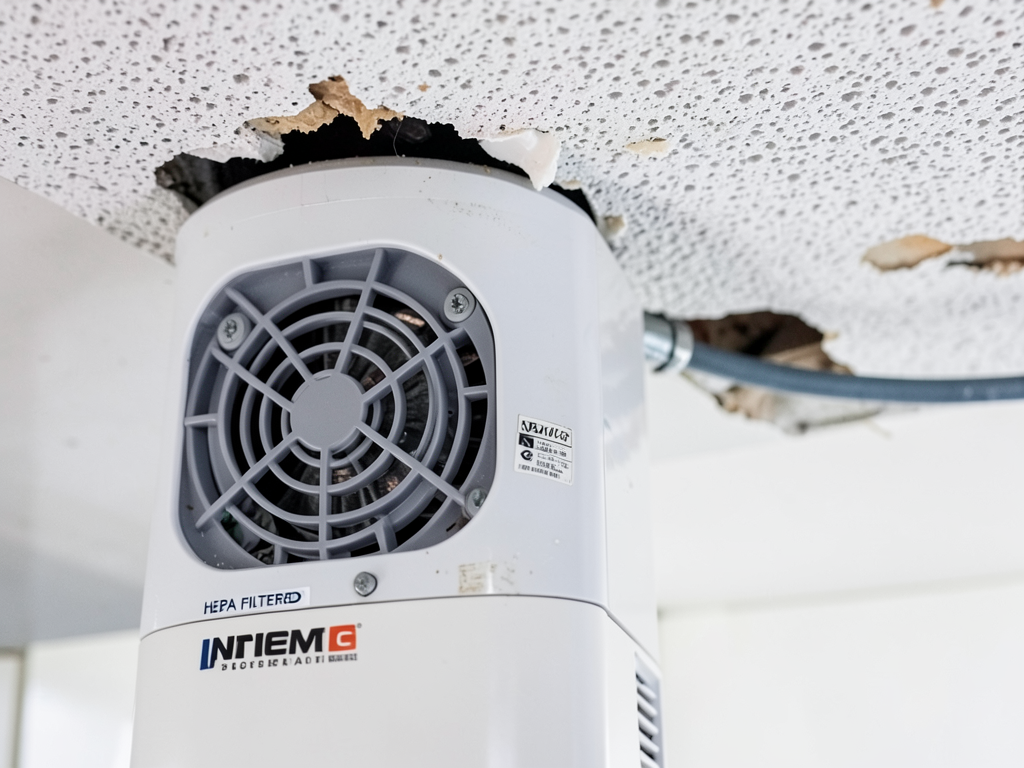
– Close-up of HEPA-filtered negative air machine creating containment barrier during asbestos-safe popcorn ceiling removal
– Before and after comparison showing seamless texture matching on restored popcorn ceiling in a Terrell Hills home
Trust the Experts for Your Popcorn Ceiling Restoration
Water-damaged popcorn ceilings in San Antonio homes require professional restoration that addresses both visible damage and hidden moisture problems. The combination of potential asbestos hazards, complex texture matching requirements, and our humid climate makes DIY repairs risky and often unsuccessful.
Professional restoration provides peace of mind through proper testing, safe containment procedures, and guaranteed results. Our technicians understand San Antonio’s specific challenges and bring the equipment and expertise needed to restore your ceiling properly the first time.
Don’t risk your family’s health or your home’s value with improper repairs. Call (210) 390-5977 today to schedule your professional assessment. We’ll identify the water source, test for hazardous materials, and provide a clear restoration plan with guaranteed results.
Quick action prevents further damage and reduces restoration costs. Whether you’re dealing with a recent leak or long-term water stains, our team is ready to help. Serving San Antonio and surrounding communities with 24/7 emergency response and comprehensive restoration services. Emergency Roof Tarping and Water Mitigation Services in Shavano Park.
Trust your home to professionals who understand San Antonio’s unique restoration challenges. Call (210) 390-5977 now and take the first step toward a safe, beautiful ceiling that lasts for years to come. For more information, visit IICRC S500 Standards.
{
“@context”: “https://schema.org”,
“@type”: “BlogPosting”,
“headline”: “Fixing Water Damaged Popcorn Ceilings in Older San Antonio Homes Without the Mess”,
“description”: “Discover how to safely repair water-damaged popcorn ceilings in San Antonio’s older homes. Learn about asbestos testing, texture matching, and professional restoration.”,
“wordCount”: 2446,
“datePublished”: “2026-04-09T12:49:00.000Z”,
“dateModified”: “2026-04-09T12:49:00.000Z”,
“inLanguage”: “en-US”,
“mainEntityOfPage”: {
“@type”: “WebPage”,
“@id”: “https://titanwaterdamagerestorationsanantonio.com”
},
“publisher”: {
“@type”: “LocalBusiness”,
“name”: “Titan Water Damage Restoration San Antonio”,
“url”: “https://titanwaterdamagerestorationsanantonio.com”
},
“author”: {
“@type”: “Organization”,
“name”: “Titan Water Damage Restoration San Antonio”,
“url”: “https://titanwaterdamagerestorationsanantonio.com”
},
“image”: {
“@type”: “ImageObject”,
“url”: “https://titanwaterdamagerestorationsanantonio.com/wp-content/uploads/2026/03/fixing-water-damaged-popcorn-ceilings-in-older-san-1.png”
}
}
{
“@context”: “https://schema.org”,
“@type”: “LocalBusiness”,
“name”: “Titan Water Damage Restoration San Antonio”,
“url”: “https://titanwaterdamagerestorationsanantonio.com”,
“address”: {
“@type”: “PostalAddress”,
“addressLocality”: “San Antonio”
},
“areaServed”: {
“@type”: “City”,
“name”: “San Antonio”
}
}
{
“@context”: “https://schema.org”,
“@type”: “FAQPage”,
“mainEntity”: [
{
“@type”: “Question”,
“name”: “How can I tell if my popcorn ceiling contains asbestos?”,
“acceptedAnswer”: {
“@type”: “Answer”,
“text”: “The only way to know for certain is professional testing. Homes built before 1981 have a high probability of containing asbestos. Visual inspection cannot identify asbestos presence, and disturbing suspicious materials without testing creates serious health hazards.”
}
},
{
“@type”: “Question”,
“name”: “How long does professional popcorn ceiling restoration take?”,
“acceptedAnswer”: {
“@type”: “Answer”,
“text”: “Most residential projects require 2-3 days from start to finish. This includes testing, containment setup, removal, drying, and texture application. Larger homes or those with extensive damage may require additional time. Weather conditions can affect drying times in our humid climate.”
}
},
{
“@type”: “Question”,
“name”: “Will my insurance cover popcorn ceiling water damage?”,
“acceptedAnswer”: {
“@type”: “Answer”,
“text”: “Coverage depends on the water source. Sudden, accidental damage from burst pipes or storm-related roof leaks typically qualifies for coverage. Gradual damage from long-term leaks or condensation often falls under maintenance exclusions. Professional assessment helps determine coverage eligibility.”
}
},
{
“@type”: “Question”,
“name”: “Can I just paint over water stains instead of removing the popcorn texture?”,
“acceptedAnswer”: {
“@type”: “Answer”,
“text”: “Painting over stains without addressing underlying moisture creates recurring problems. Water trapped within ceiling cavities continues to damage materials and promote mold growth. Professional restoration removes damaged materials, ensures complete drying, and applies appropriate stain-blocking primers before texture application.”
}
},
{
“@type”: “Question”,
“name”: “What makes San Antonio’s popcorn ceiling restoration different from other cities?”,
“acceptedAnswer”: {
“@type”: “Answer”,
“text”: “San Antonio’s high humidity, clay soil movement, and housing age create unique challenges. Extended drying times, foundation-related plumbing stress, and widespread asbestos presence in pre-1980s homes require specialized knowledge and equipment not needed in drier climates.”
}
}
]
}
{
“@context”: “https://schema.org”,
“@type”: “BreadcrumbList”,
“itemListElement”: [
{
“@type”: “ListItem”,
“position”: 1,
“name”: “Home”,
“item”: “https://titanwaterdamagerestorationsanantonio.com”
},
{
“@type”: “ListItem”,
“position”: 2,
“name”: “Blog”,
“item”: “https://titanwaterdamagerestorationsanantonio.com/blog”
},
{
“@type”: “ListItem”,
“position”: 3,
“name”: “Fixing Water Damaged Popcorn Ceilings in Older San Antonio Homes Without the Mess”
}
]
}
{
“@context”: “https://schema.org”,
“@type”: “Service”,
“serviceType”: “Water Damage Restoration”,
“provider”: {
“@type”: “LocalBusiness”,
“name”: “Titan Water Damage Restoration San Antonio”,
“url”: “https://titanwaterdamagerestorationsanantonio.com”
},
“areaServed”: {
“@type”: “City”,
“name”: “San Antonio”
},
“description”: “Discover how to safely repair water-damaged popcorn ceilings in San Antonio’s older homes. Learn about asbestos testing, texture matching, and professional restoration.”
}