
How San Antonio’s Hard Water Eventually Destroys Your Plumbing and Causes Floods
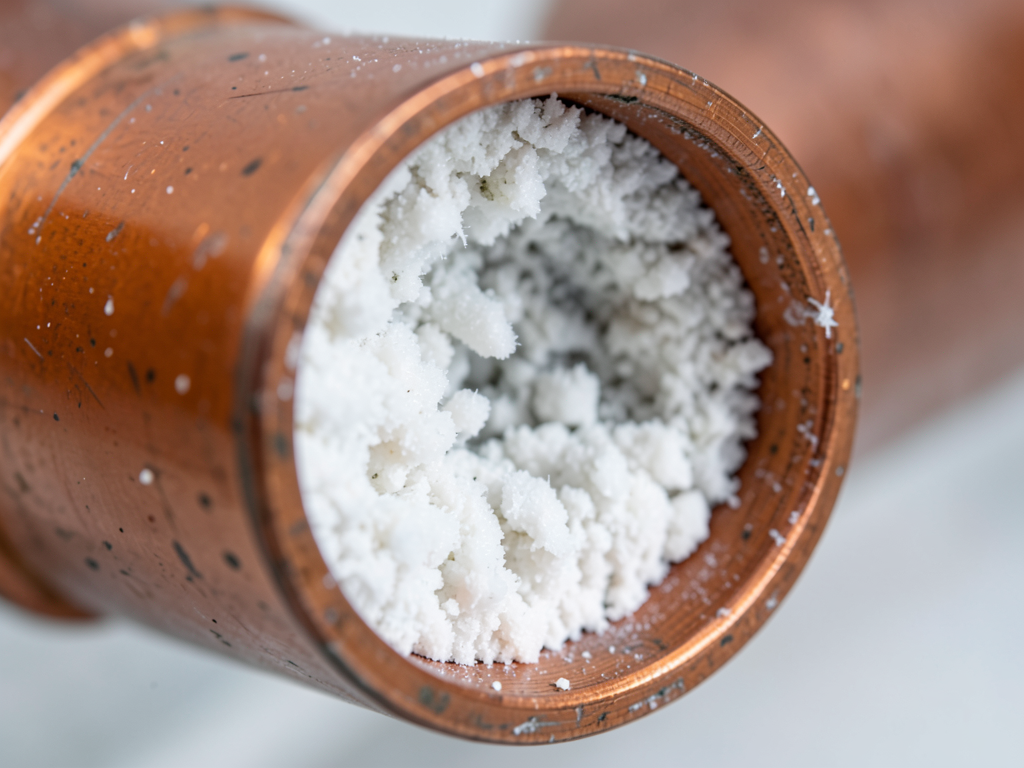
San Antonio’s water contains some of the highest mineral concentrations in Texas, with calcium carbonate levels that quietly corrode pipes from the inside out. Over time, this mineral buildup reduces water flow, weakens pipe walls, and increases pressure until small leaks turn into major floods. The problem starts with the Edwards Aquifer, which supplies San Antonio’s water and is naturally rich in dissolved minerals. These minerals settle inside your plumbing, forming a chalky layer called limescale that restricts flow and traps heat. When hot water heaters or dishwashers struggle to push through the buildup, components fail, seals crack, and water escapes where it shouldn’t. Left unchecked, this slow destruction can lead to burst pipes, flooded rooms, and thousands in damage. San Antonio Water System.
Why San Antonio’s Water Is So Hard
The Edwards Aquifer runs beneath much of Central Texas and collects rainwater that filters through limestone. As water moves through the rock, it dissolves calcium and magnesium, which remain in the water by the time it reaches your tap. San Antonio Water System (SAWS) reports that local water averages between 15 and 20 grains per gallon (GPG), placing it in the “very hard” category. This is nearly double the hardness found in many other Texas cities. The high mineral content is not harmful to drink, but it is devastating to plumbing systems over time. Every time hot water runs through your pipes, minerals precipitate faster, accelerating the buildup in water heaters, dishwashers, and washing machines. Water Damage Restoration Kirby.
Signs Your Plumbing Is Under Attack
Hard water damage often hides until it’s too late. You might first notice white, chalky residue on faucets or showerheads. That same buildup is happening inside your pipes, where you can’t see it. Water pressure may drop gradually as mineral deposits narrow pipe diameters. Hot water may take longer to reach the tap, or your water heater might start making popping noises from trapped sediment. Dishwashers and washing machines may leave spots on dishes or make clothes feel stiff. In severe cases, you’ll find unexplained wet spots on walls, ceilings, or floors—signs that a pipe has already started leaking. Water Stains on Drywall.
How Mineral Scale Causes Floods
Limescale doesn’t just block water; it traps heat and pressure. In water heaters, sediment buildup at the bottom insulates the burner, causing the tank to overheat. This weakens the metal and can lead to cracks or even tank rupture. In pipes, restricted flow increases water velocity and pressure, which stresses joints and fittings. Over months or years, this added stress causes fittings to fail, especially in older homes with galvanized steel pipes. When a fitting blows out, water can pour into walls, under floors, and into living spaces within minutes. A single burst pipe can release hundreds of gallons before you shut off the main valve.
Comparing Pipe Materials and Their Resistance to Hard Water
| Pipe Material | Hard Water Resistance | Lifespan with Hard Water | Common Failure Mode |
|---|---|---|---|
| Galvanized Steel | Low | 20-40 years | Internal corrosion and bursting |
| Copper | Medium | 40-70 years | Pinhole leaks from pitting |
| PEX | High | 50+ years | Connection fitting failure |
Edwards Aquifer: The Source of San Antonio’s Hard Water
The Edwards Aquifer is a karst limestone formation that acts like a natural filter and mineral reservoir. Rainwater enters through recharge zones, where it absorbs calcium and magnesium from the rock. The aquifer’s unique structure means water can sit for years before emerging in springs or wells, giving it more time to dissolve minerals. San Antonio’s location directly over this aquifer means every drop of tap water carries a heavy mineral load. The U.S. Geological Survey classifies water above 10.5 GPG as “very hard,” and San Antonio regularly exceeds that threshold. This geological reality makes hard water damage a regional, not just household, issue.
Appliance Damage from Mineral Buildup
Hard water doesn’t just affect pipes. It shortens the life of every water-using appliance in your home. In water heaters, sediment settles at the bottom of the tank, reducing efficiency and causing the burner to work harder. This can cut a heater’s lifespan from 10-12 years to as little as 5-7 years. Dishwashers and washing machines suffer from clogged spray arms, damaged seals, and reduced cleaning power. Coffee makers and ice machines develop white scale inside their water lines, leading to clogs and leaks. Even your toilet’s fill valve can fail as mineral deposits prevent it from closing properly.
Professional Restoration for Hard Water Damage
When hard water causes a leak or flood, quick professional response is critical. The first step is shutting off the water supply to stop further damage. Next, technicians locate the source using moisture meters and thermal imaging to detect hidden wet areas. Water extraction removes standing water, followed by industrial drying to prevent mold growth. Damaged drywall, insulation, and flooring are removed and replaced. If the plumbing itself is compromised, a licensed plumber replaces corroded sections with modern materials like PEX or copper. The entire process follows IICRC S500 standards for water damage restoration, ensuring your home returns to a safe, dry condition. Expert tips for drying out hardwood floors in historic King William homes.
Preventing Future Hard Water Damage
The most effective way to prevent hard water damage is installing a whole-house water softener. These systems use ion exchange to replace calcium and magnesium with sodium or potassium, stopping scale before it forms. For homes with extremely hard water, a reverse osmosis system can further purify drinking water. Regular maintenance also helps: flushing your water heater annually removes sediment, and inspecting visible pipes for white buildup can catch problems early. If your home is over 20 years old and still has galvanized pipes, consider replacing them before they fail. Prevention costs far less than emergency flood repairs. EPA WaterSense.
Local Case: A Kirby Home’s Hard Water Nightmare
In Kirby, a homeowner noticed damp carpet near the laundry room but assumed it was from a spill. Days later, the entire hallway was soaked. A plumber found that a small leak in the wall had been dripping for weeks, hidden behind drywall. The pipe was galvanized steel, and internal corrosion had created a pinhole. Because the home’s water pressure was high and the pipe was old, the leak grew until the drywall could no longer contain it. The restoration team had to remove and replace all affected materials, dry the structure, and replumb that section with PEX to prevent future failure.
Hard Water vs. Other Water Quality Issues
| Issue | Visible Signs | Primary Damage | Solution |
|---|---|---|---|
| Hard Water | White scale, spots on dishes | Pipe corrosion, appliance failure | Water softener |
| High Iron | Orange stains, metallic taste | Staining, clogged filters | Iron filter |
| Acidic Water | Blue-green stains on copper | Pipe pitting, leaks | pH neutralizer |
| Chlorine | Strong chemical smell | Dry skin, faded laundry | Carbon filter |
Why DIY Fixes Often Fail
Homeowners sometimes try to remove scale with vinegar or chemical cleaners, but these only address surface buildup. Once minerals are inside your pipes, no chemical flush can fully restore flow or strength. Mechanical descaling can help, but it’s risky—aggressive cleaning can create new weak spots in already corroded pipes. The only reliable fix for severe internal scale is replacing the affected plumbing. This is why professional assessment matters: a technician can tell you whether cleaning or replacement is the safer, more cost-effective option. Professional Mold Removal and Remediation for Helotes Homeowners.
Insurance and Hard Water Damage
Standard homeowners insurance in Texas typically covers sudden, accidental water damage but not gradual wear from hard water. If a pipe bursts due to age and corrosion, the resulting flood damage is usually covered, but the cost to replace the corroded pipe itself is not. This is why prevention is so important: the damage from a burst pipe is covered, but the slow destruction leading up to it is not. Keeping records of water softener installation and plumbing inspections can help if you ever need to file a claim.
Emergency Steps If You Suspect a Leak
- Shut off the main water valve immediately to stop the flow.
- Turn off electricity to any affected rooms if water is near outlets or appliances.
- Call a licensed plumber to locate and repair the source.
- Contact a water damage restoration company to begin drying and cleanup.
- Document the damage with photos for your insurance claim.
Call for Professional Help Before It’s Too Late
Hard water damage builds slowly, but the consequences hit fast. A small leak today can become a flooded room tomorrow. If you’ve noticed white scale, low water pressure, or unexplained damp spots, don’t wait. Call (210) 390-5977 today to schedule a professional inspection. Our team can assess your plumbing, recommend the right solution, and help you avoid the costly damage a burst pipe can cause. Pick up the phone and call (210) 390-5977 before the next storm hits or the next pipe fails. We’re ready to help you protect your home from San Antonio’s hard water.
Frequently Asked Questions
How do I know if my home has hard water?
Signs include white scale on faucets, spots on dishes, stiff laundry, and low water pressure. A water test can confirm hardness in grains per gallon.
Can hard water damage my water heater?
Yes. Mineral sediment builds up inside the tank, reducing efficiency and causing overheating, which can lead to cracks or leaks.
Is hard water damage covered by insurance?
Sudden pipe bursts are usually covered, but gradual corrosion from hard water is considered maintenance and is not covered.
What’s the best way to prevent hard water damage?
Installing a whole-house water softener is the most effective solution. Regular maintenance and replacing old pipes also help.
How quickly should I respond to a suspected leak?
Immediately. Shut off the water, call a plumber, and contact a restoration company to prevent mold and structural damage. What to do immediately when your Alamo Heights home starts flooding.
You may also find this helpful. Dealing With a Suddenly Overflowing Toilet in Your Encino Park Guest Bathroom.
{
“@context”: “https://schema.org”,
“@type”: “BlogPosting”,
“headline”: “How San Antonio’s Hard Water Eventually Destroys Your Plumbing and Causes Floods”,
“description”: “San Antonio’s mineral-rich water slowly corrodes pipes and appliances. Learn how hard water causes plumbing failures, leaks, and costly floods—and how to fix it.”,
“wordCount”: 1658,
“datePublished”: “2026-04-03T10:22:00.000Z”,
“dateModified”: “2026-04-03T10:22:00.000Z”,
“inLanguage”: “en-US”,
“mainEntityOfPage”: {
“@type”: “WebPage”,
“@id”: “https://titanwaterdamagerestorationsanantonio.com”
},
“publisher”: {
“@type”: “LocalBusiness”,
“name”: “Titan Water Damage Restoration San Antonio”,
“url”: “https://titanwaterdamagerestorationsanantonio.com”
},
“author”: {
“@type”: “Organization”,
“name”: “Titan Water Damage Restoration San Antonio”,
“url”: “https://titanwaterdamagerestorationsanantonio.com”
},
“image”: {
“@type”: “ImageObject”,
“url”: “https://titanwaterdamagerestorationsanantonio.com/wp-content/uploads/2026/03/how-san-antonio-s-hard-water-eventually-destroys-y-1.png”
}
}
{
“@context”: “https://schema.org”,
“@type”: “LocalBusiness”,
“name”: “Titan Water Damage Restoration San Antonio”,
“url”: “https://titanwaterdamagerestorationsanantonio.com”,
“address”: {
“@type”: “PostalAddress”,
“addressLocality”: “San Antonio”
},
“areaServed”: {
“@type”: “City”,
“name”: “San Antonio”
}
}
{
“@context”: “https://schema.org”,
“@type”: “FAQPage”,
“mainEntity”: [
{
“@type”: “Question”,
“name”: “How do I know if my home has hard water?”,
“acceptedAnswer”: {
“@type”: “Answer”,
“text”: “Signs include white scale on faucets, spots on dishes, stiff laundry, and low water pressure. A water test can confirm hardness in grains per gallon.”
}
},
{
“@type”: “Question”,
“name”: “Can hard water damage my water heater?”,
“acceptedAnswer”: {
“@type”: “Answer”,
“text”: “Yes. Mineral sediment builds up inside the tank, reducing efficiency and causing overheating, which can lead to cracks or leaks.”
}
},
{
“@type”: “Question”,
“name”: “Is hard water damage covered by insurance?”,
“acceptedAnswer”: {
“@type”: “Answer”,
“text”: “Sudden pipe bursts are usually covered, but gradual corrosion from hard water is considered maintenance and is not covered.”
}
},
{
“@type”: “Question”,
“name”: “What’s the best way to prevent hard water damage?”,
“acceptedAnswer”: {
“@type”: “Answer”,
“text”: “Installing a whole-house water softener is the most effective solution. Regular maintenance and replacing old pipes also help.”
}
},
{
“@type”: “Question”,
“name”: “How quickly should I respond to a suspected leak?”,
“acceptedAnswer”: {
“@type”: “Answer”,
“text”: “Immediately. Shut off the water, call a plumber, and contact a restoration company to prevent mold and structural damage. What to do immediately when your Alamo Heights home starts flooding.”
}
}
]
}
{
“@context”: “https://schema.org”,
“@type”: “BreadcrumbList”,
“itemListElement”: [
{
“@type”: “ListItem”,
“position”: 1,
“name”: “Home”,
“item”: “https://titanwaterdamagerestorationsanantonio.com”
},
{
“@type”: “ListItem”,
“position”: 2,
“name”: “Blog”,
“item”: “https://titanwaterdamagerestorationsanantonio.com/blog”
},
{
“@type”: “ListItem”,
“position”: 3,
“name”: “How San Antonio’s Hard Water Eventually Destroys Your Plumbing and Causes Floods”
}
]
}
{
“@context”: “https://schema.org”,
“@type”: “Service”,
“serviceType”: “Water Damage Restoration”,
“provider”: {
“@type”: “LocalBusiness”,
“name”: “Titan Water Damage Restoration San Antonio”,
“url”: “https://titanwaterdamagerestorationsanantonio.com”
},
“areaServed”: {
“@type”: “City”,
“name”: “San Antonio”
},
“description”: “San Antonio’s mineral-rich water slowly corrodes pipes and appliances. Learn how hard water causes plumbing failures, leaks, and costly floods—and how to fix it.”
}