
How to Handle a Slab Leak in San Antonio Before It Destroys Your Foundation
A slab leak in San Antonio is not just a plumbing issue—it’s a structural emergency that can undermine your home’s foundation and cost thousands in damage. The combination of Central Texas clay soil and aging copper pipes creates the perfect storm for foundation leaks that can go undetected for months. If you hear running water when all fixtures are off or notice warm spots on your floor, you may already be dealing with a slab leak that requires immediate professional intervention. Texas A&M AgriLife Extension.
San Antonio’s expansive clay soil shifts with moisture changes, putting constant pressure on underground pipes. When these pipes crack, water seeps into the foundation, causing hydrostatic pressure that can crack concrete slabs and warp flooring. The damage spreads quickly—within days, you could face ruined hardwood floors, mold growth, and compromised structural integrity. Acting fast is the only way to prevent catastrophic foundation failure. Water Damage Restoration Kirby.
Common Signs of a Slab Leak in San Antonio Homes
Detecting a slab leak early can save your foundation and your wallet. San Antonio homeowners should watch for these specific warning signs that indicate water is escaping beneath your concrete slab: Water Stains on Drywall.
- Unexpected warm spots on tile or hardwood floors where hot water pipes may be leaking
- Sudden increases in your SAWS water bill without increased usage
- The sound of running water when all faucets and appliances are turned off
- Cracks appearing in walls or floors that weren’t there before
- Mold or mildew smell coming from floors or baseboards
- Low water pressure throughout the house
According to the EPA’s WaterSense program, a single leak can waste over 10,000 gallons of water per year. In San Antonio’s drought-prone climate, that’s both an environmental and financial disaster waiting to happen. EPA’s WaterSense program.
Why San Antonio Soil Leads to Foundation Leaks
San Antonio sits on what locals call “black gumbo”—expansive clay soil that expands when wet and contracts when dry. This constant movement creates pressure on buried plumbing lines. The Texas A&M AgriLife Extension reports that San Antonio’s soil can expand up to 30% when saturated, putting tremendous stress on copper and PVC pipes beneath concrete slabs.
The Edwards Aquifer recharge zone beneath much of San Antonio adds another layer of complexity. Water from rainfall seeps through limestone and clay layers, creating underground water movement that can shift soil around foundation pipes. When combined with the region’s dramatic temperature swings—from summer heat over 100°F to winter freezes—pipe materials expand and contract, eventually developing hairline cracks that turn into major leaks. Water Damage Restoration Windcrest.
Older San Antonio neighborhoods like Alamo Heights and Terrell Hills face higher risks because homes built before the 1980s often used copper pipes that corrode over time. The corrosive soil and water chemistry in Bexar County accelerates this degradation, making slab leaks particularly common in historic districts. What to do immediately when your Alamo Heights home starts flooding.
Professional Detection Methods for San Antonio Slab Leaks
Finding a slab leak requires specialized equipment and expertise. Professional water damage restoration companies use multiple diagnostic tools to pinpoint leaks without destructive demolition: Expert tips for drying out hardwood floors in historic King William homes.
- Electronic Leak Detection
Technicians use sensitive electronic equipment to listen for the distinct sound of water escaping under pressure. The equipment can detect leaks through concrete and soil, identifying the exact location without breaking floors.
- Infrared Thermography
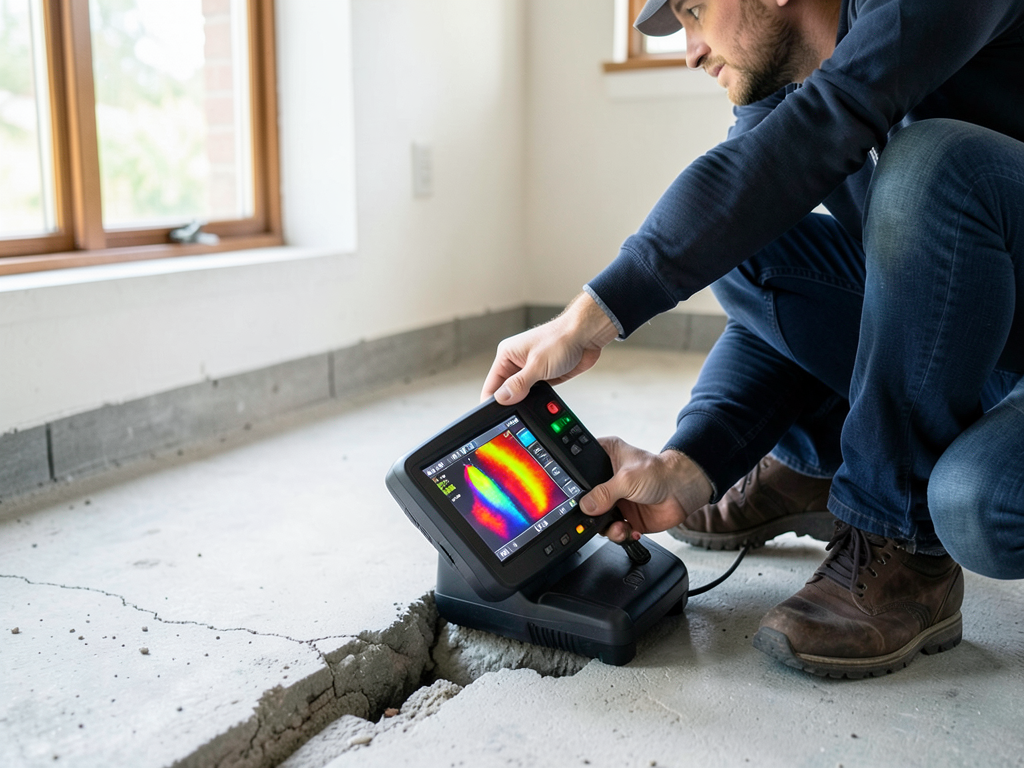
Thermal cameras identify temperature differences caused by leaking hot water pipes. Warm spots appear clearly on the infrared display, showing the leak’s perimeter and severity.
- Moisture Mapping
Professional-grade moisture meters measure water content at different depths in concrete and soil. This creates a moisture profile showing how far the water has spread beneath your foundation.
- Pressure Testing
Technicians isolate sections of plumbing and pressurize them to identify drops that indicate leaks. This method can determine if the leak is in the supply line or drain system.
The IICRC S500 standard for water damage restoration requires moisture mapping before any restoration work begins. This ensures all affected areas are identified and properly dried, preventing secondary damage like mold growth.
Our Professional Restoration Process for Slab Leaks
Once a slab leak is detected, the restoration process must address both the immediate water damage and prevent long-term foundation issues. Here’s how professional restoration companies handle slab leak emergencies in San Antonio:
- Emergency Water Extraction
Using industrial pumps and vacuums, technicians remove standing water from beneath the slab and surrounding areas. This prevents further water migration and reduces hydrostatic pressure on the foundation.
- Structural Drying
High-capacity dehumidifiers and air movers create a drying chamber around the affected area. The equipment runs continuously for 3-5 days, removing moisture from concrete, soil, and subfloor materials.
- Moisture Monitoring
Daily moisture readings track progress using the same equipment from the detection phase. Technicians document moisture levels until they meet the IICRC’s dry standard for your specific materials.
- Antimicrobial Treatment
EPA-registered antimicrobials prevent mold growth in the high-humidity San Antonio climate. This is crucial because mold can begin growing within 24-48 hours of water exposure.
- Foundation Assessment
Structural engineers evaluate whether the leak caused foundation movement or cracking. This determines if additional repairs beyond water damage restoration are needed.
Throughout the process, technicians document everything with photos, moisture readings, and written reports. This documentation is essential for insurance claims and proves the work met industry standards.
Insurance Claims Assistance for Water Damage
Most homeowners insurance policies in Texas cover sudden and accidental water discharge from plumbing systems, but the claims process can be complicated. Here’s what San Antonio homeowners need to know:
| Damage Type | Insurance Coverage | Typical Payout Range |
|---|---|---|
| Sudden Pipe Burst | Usually Covered | $5,000 – $25,000 |
| Gradual Slab Leak | Often Denied | $0 – $15,000 |
| Foundation Damage | Case-by-Case | $10,000 – $50,000 |
| Mold Remediation | Limited Coverage | $2,000 – $10,000 |
The key distinction is between “sudden and accidental” damage versus “gradual deterioration.” Insurance companies look for evidence of when the leak started and whether you took reasonable steps to prevent damage. Professional restoration companies can help by providing detailed documentation and working directly with insurance adjusters.
Under Texas Insurance Code Section 542, insurance companies must respond to claims within 15 business days. If your claim is denied, you have the right to request a written explanation and appeal the decision. Many San Antonio restoration companies offer free insurance consultation to help you understand your coverage and maximize your claim.
Frequently Asked Questions about Slab Leaks in Texas
How much does slab leak repair cost in San Antonio?
Repair costs vary widely depending on leak location and severity. Simple access repairs might cost $500-$1,500, while extensive foundation work can exceed $10,000. The average slab leak restoration in San Antonio ranges from $3,000 to $8,000, including water damage repair.
Can I stay in my house during slab leak repairs?
It depends on the repair scope. Minor leaks might allow you to stay with limited water service. Major repairs requiring floor removal or foundation work typically require temporary relocation for 3-7 days. Your restoration company can advise based on your specific situation.
How long does the restoration process take?
The entire process usually takes 5-14 days. Emergency water extraction happens within hours of your call. Drying typically requires 3-5 days. Additional repairs and reconstruction can extend the timeline. Weather conditions in San Antonio can affect drying times during humid summer months.
Will my homeowners insurance cover the damage?
Most policies cover sudden and accidental discharge from plumbing systems. However, damage from gradual leaks or poor maintenance is often excluded. Your insurance company will investigate the leak’s duration and cause. Professional documentation significantly improves claim approval chances.
What happens if I ignore a slab leak?
Ignoring a slab leak leads to progressive foundation damage, mold growth, and structural instability. What starts as a small plumbing issue can escalate to foundation failure requiring $20,000-$100,000 in repairs. In San Antonio’s humid climate, mold can spread throughout your home within weeks.
Preventing Future Slab Leaks in San Antonio
While you can’t control soil movement, you can take steps to reduce slab leak risks in your San Antonio home:
- Install water pressure regulators to prevent pipe stress from pressure fluctuations
- Schedule annual plumbing inspections to catch early warning signs
- Monitor your SAWS water bill for unexplained usage increases
- Maintain consistent soil moisture around your foundation to minimize expansion/contraction
- Consider re-piping older homes with corrosion-resistant materials
The City of San Antonio’s Water Conservation Department recommends checking for leaks twice yearly using your water meter. If the meter moves when all water is off, you likely have a leak that needs professional attention.
San Antonio’s unique combination of clay soil, aging infrastructure, and extreme weather makes slab leaks a persistent threat to local homes. Understanding the risks and knowing how to respond can mean the difference between a quick repair and catastrophic foundation failure.
Don’t Wait Until It’s Too Late
A slab leak won’t fix itself—it will only get worse. Every hour you wait allows more water to damage your foundation, increase repair costs, and create ideal conditions for mold growth. San Antonio’s humid climate means water damage spreads faster here than in many other parts of the country.
Our team understands the unique challenges of San Antonio’s soil conditions and building practices. We bring industrial-grade equipment, IICRC-certified technicians, and years of local experience to every job. We’ll find your leak, stop the damage, and restore your home to pre-loss condition.
Call (210) 390-5977 today to schedule your inspection. Our emergency response team is available 24/7 to help San Antonio homeowners protect their foundations from catastrophic water damage. Don’t let a small leak turn into a foundation nightmare—pick up the phone and call now before the next storm hits.
Remember: The longer you wait, the more expensive and extensive the repairs become. A simple slab leak today could mean foundation replacement tomorrow. Take action now to protect your home’s value and your family’s safety.
{
“@context”: “https://schema.org”,
“@type”: “BlogPosting”,
“headline”: “How to Handle a Slab Leak in San Antonio Before It Destroys Your Foundation”,
“description”: “San Antonio slab leaks can destroy your foundation. Learn the warning signs, detection methods, and emergency restoration steps from local experts before it’s too late.”,
“wordCount”: 1670,
“datePublished”: “2026-02-15T11:01:00.000Z”,
“dateModified”: “2026-02-15T11:01:00.000Z”,
“inLanguage”: “en-US”,
“mainEntityOfPage”: {
“@type”: “WebPage”,
“@id”: “https://titanwaterdamagerestorationsanantonio.com”
},
“publisher”: {
“@type”: “LocalBusiness”,
“name”: “Titan Water Damage Restoration San Antonio”,
“url”: “https://titanwaterdamagerestorationsanantonio.com”
},
“author”: {
“@type”: “Organization”,
“name”: “Titan Water Damage Restoration San Antonio”,
“url”: “https://titanwaterdamagerestorationsanantonio.com”
},
“image”: {
“@type”: “ImageObject”,
“url”: “https://titanwaterdamagerestorationsanantonio.com/wp-content/uploads/2026/03/how-to-handle-a-slab-leak-in-san-antonio-before-it-1.png”
}
}
{
“@context”: “https://schema.org”,
“@type”: “LocalBusiness”,
“name”: “Titan Water Damage Restoration San Antonio”,
“url”: “https://titanwaterdamagerestorationsanantonio.com”,
“address”: {
“@type”: “PostalAddress”,
“addressLocality”: “San Antonio”
},
“areaServed”: {
“@type”: “City”,
“name”: “San Antonio”
}
}
{
“@context”: “https://schema.org”,
“@type”: “FAQPage”,
“mainEntity”: [
{
“@type”: “Question”,
“name”: “How much does slab leak repair cost in San Antonio?”,
“acceptedAnswer”: {
“@type”: “Answer”,
“text”: “Repair costs vary widely depending on leak location and severity. Simple access repairs might cost $500-$1,500, while extensive foundation work can exceed $10,000. The average slab leak restoration in San Antonio ranges from $3,000 to $8,000, including water damage repair.”
}
},
{
“@type”: “Question”,
“name”: “Can I stay in my house during slab leak repairs?”,
“acceptedAnswer”: {
“@type”: “Answer”,
“text”: “It depends on the repair scope. Minor leaks might allow you to stay with limited water service. Major repairs requiring floor removal or foundation work typically require temporary relocation for 3-7 days. Your restoration company can advise based on your specific situation.”
}
},
{
“@type”: “Question”,
“name”: “How long does the restoration process take?”,
“acceptedAnswer”: {
“@type”: “Answer”,
“text”: “The entire process usually takes 5-14 days. Emergency water extraction happens within hours of your call. Drying typically requires 3-5 days. Additional repairs and reconstruction can extend the timeline. Weather conditions in San Antonio can affect drying times during humid summer months.”
}
},
{
“@type”: “Question”,
“name”: “Will my homeowners insurance cover the damage?”,
“acceptedAnswer”: {
“@type”: “Answer”,
“text”: “Most policies cover sudden and accidental discharge from plumbing systems. However, damage from gradual leaks or poor maintenance is often excluded. Your insurance company will investigate the leak’s duration and cause. Professional documentation significantly improves claim approval chances.”
}
},
{
“@type”: “Question”,
“name”: “What happens if I ignore a slab leak?”,
“acceptedAnswer”: {
“@type”: “Answer”,
“text”: “Ignoring a slab leak leads to progressive foundation damage, mold growth, and structural instability. What starts as a small plumbing issue can escalate to foundation failure requiring $20,000-$100,000 in repairs. In San Antonio’s humid climate, mold can spread throughout your home within weeks.”
}
}
]
}
{
“@context”: “https://schema.org”,
“@type”: “HowTo”,
“name”: “Professional Slab Leak Detection Process”,
“step”: [
{
“@type”: “HowToStep”,
“position”: 1,
“name”: “Electronic Leak Detection”,
“text”: “Technicians use sensitive electronic equipment to listen for the distinct sound of water escaping under pressure. The equipment can detect leaks through concrete and soil, identifying the exact location without breaking floors.”
},
{
“@type”: “HowToStep”,
“position”: 2,
“name”: “Infrared Thermography”,
“text”: “Thermal cameras identify temperature differences caused by leaking hot water pipes. Warm spots appear clearly on the infrared display, showing the leak’s perimeter and severity.”
},
{
“@type”: “HowToStep”,
“position”: 3,
“name”: “Moisture Mapping”,
“text”: “Professional-grade moisture meters measure water content at different depths in concrete and soil. This creates a moisture profile showing how far the water has spread beneath your foundation.”
},
{
“@type”: “HowToStep”,
“position”: 4,
“name”: “Pressure Testing”,
“text”: “Technicians isolate sections of plumbing and pressurize them to identify drops that indicate leaks. This method can determine if the leak is in the supply line or drain system.”
}
],
“image”: “https://titanwaterdamagerestorationsanantonio.com/wp-content/uploads/2026/03/how-to-handle-a-slab-leak-in-san-antonio-before-it-1.png”
}
{
“@context”: “https://schema.org”,
“@type”: “BreadcrumbList”,
“itemListElement”: [
{
“@type”: “ListItem”,
“position”: 1,
“name”: “Home”,
“item”: “https://titanwaterdamagerestorationsanantonio.com”
},
{
“@type”: “ListItem”,
“position”: 2,
“name”: “Blog”,
“item”: “https://titanwaterdamagerestorationsanantonio.com/blog”
},
{
“@type”: “ListItem”,
“position”: 3,
“name”: “How to Handle a Slab Leak in San Antonio Before It Destroys Your Foundation”
}
]
}
{
“@context”: “https://schema.org”,
“@type”: “Service”,
“serviceType”: “Water Damage Restoration”,
“provider”: {
“@type”: “LocalBusiness”,
“name”: “Titan Water Damage Restoration San Antonio”,
“url”: “https://titanwaterdamagerestorationsanantonio.com”
},
“areaServed”: {
“@type”: “City”,
“name”: “San Antonio”
},
“description”: “San Antonio slab leaks can destroy your foundation. Learn the warning signs, detection methods, and emergency restoration steps from local experts before it’s too late.”
}