
Why Waterproof Vinyl Plank Flooring Can Still Trap Moisture and Grow Mold
Waterproof vinyl plank flooring seems like the perfect solution for San Antonio homes dealing with humidity and occasional flooding. But here’s the truth: waterproof doesn’t mean mold-proof. Your LVP floor can still trap moisture underneath and create the perfect environment for mold growth, especially in our humid South Texas climate. Water Damage Restoration Kirby.
Many San Antonio homeowners install vinyl plank flooring believing it’s completely immune to water damage. The reality is that while the surface resists water, moisture can still seep through seams, get trapped between the flooring and concrete slab, and create serious mold problems that you can’t see until it’s too late.. Read more about What San Antonio Renters in Northwest Crossing Need to Know About Landlord Responsibilities for Mold.
Understanding how this happens and what to look for can save you thousands in remediation costs and protect your family’s health. Let’s explore why this modern flooring solution can still fail and what you need to know to protect your home.
How Moisture Gets Trapped Under Your Vinyl Plank Flooring
Vinyl plank flooring creates a non-porous barrier over your concrete slab. While this sounds beneficial, it actually prevents moisture from evaporating naturally. When humidity rises through the concrete or water seeps through seams, it gets trapped underneath the LVP with nowhere to go.. Read more about The Frustrating Reality of Water Damaged Particle Board Cabinets in Bulverde Village Kitchens.
San Antonio’s high humidity levels, often exceeding 70% in summer months, contribute significantly to this problem. The concrete slab acts like a sponge, absorbing moisture from the ground and releasing it upward. When LVP covers that slab, the moisture becomes trapped in a dark, warm environment perfect for mold growth.
Hydrostatic pressure from our expanding clay soil pushes moisture upward through foundation cracks. This pressure, combined with the vapor barrier effect of vinyl flooring, creates conditions where mold can develop within 24-48 hours of moisture exposure.
Common Sources of Moisture Under LVP
Several everyday situations can introduce moisture under your vinyl plank flooring:
- Minor plumbing leaks under the slab that go undetected for months
- Condensation from air conditioning systems
- Flooding from severe thunderstorms common in San Antonio
- High indoor humidity without proper dehumidification
- Improper installation without adequate moisture barriers
- Spills that seep through seams between planks
Even small amounts of water can create big problems. A single cup of water spilled on LVP can take hours to evaporate, and if it seeps through seams, the moisture gets trapped underneath where it can’t dry naturally.
Signs of Mold Under Your Vinyl Plank Flooring
Detecting mold under vinyl plank flooring requires knowing what to look for. Since you can’t see through the surface, you need to rely on other indicators:
| Symptom | What It Means | Action Needed |
|---|---|---|
| Musty odor | Mold spores releasing microbial volatile organic compounds | Professional inspection required |
| Spongy or soft spots | Moisture damage to subfloor or underlayment | Immediate moisture testing |
| Cupping or warping planks | Moisture causing dimensional changes | Remove affected areas |
| Discoloration at seams | Mold growth visible through plank edges | Professional remediation |
| Increased allergy symptoms | Mold spores affecting indoor air quality | Air quality testing |
The musty smell is often the first indicator. Mold releases microbial volatile organic compounds (mVOCs) that create that distinctive damp, earthy odor. If you notice this smell intensifying in certain rooms, especially after rain or high humidity, you likely have moisture trapped under your flooring.
Health Risks of Mold Under Vinyl Plank Flooring
Hidden mold under vinyl plank flooring poses serious health risks that many homeowners underestimate. The mold grows in a confined space, releasing spores and mycotoxins that can affect your indoor air quality without visible signs.
Common health symptoms from mold exposure include:
- Respiratory issues like coughing, wheezing, and shortness of breath
- Allergic reactions including sneezing, runny nose, and itchy eyes
- Sinus infections and chronic sinus congestion
- Skin irritation and rashes
- Headaches and fatigue
- Worsening of asthma symptoms
Children, elderly individuals, and those with compromised immune systems are particularly vulnerable. The confined space under LVP allows mold colonies to grow larger before detection, releasing more spores into your home’s air circulation system.
Stachybotrys chartarum, commonly known as black mold, thrives in these conditions. This toxic mold produces mycotoxins that can cause severe respiratory distress and other health complications when present in significant quantities.
Why San Antonio Homes Are Particularly Vulnerable
San Antonio’s unique climate and soil conditions create the perfect storm for moisture problems under vinyl plank flooring. Our city sits on expansive clay soil that swells when wet and shrinks when dry, creating constant pressure on foundations.
The Edwards Aquifer beneath much of Bexar County contributes to naturally high groundwater levels. Combined with our intense summer heat that drives air conditioning use, this creates condensation issues that many homeowners don’t anticipate.
San Antonio’s building code requirements for slab construction don’t always account for the vapor barrier needs of modern flooring materials. Many homes built before 2010 lack adequate moisture protection between the concrete slab and finished flooring.
Our frequent severe thunderstorms and flash flooding events can overwhelm even well-prepared homes. When water enters through doorways or foundation cracks, it often gets trapped under flooring before homeowners realize there’s a problem. EPA Mold Resources.

Professional Mold Remediation Process
When mold is discovered under vinyl plank flooring, professional remediation follows strict protocols established by the IICRC S520 standards for mold remediation. Here’s what the process typically involves: IICRC S520 Mold Remediation Standards.
- Containment Setup
Seal off the affected area with plastic sheeting and create negative air pressure to prevent spore spread during removal. Professional Mold Removal and Remediation for Helotes Homeowners.
- Moisture Assessment
Use moisture meters and thermal imaging to map the extent of water damage and identify all affected areas.
- Material Removal
Carefully remove vinyl planks, underlayment, and any damaged subfloor materials following safety protocols.
- HEPA Vacuuming
Thoroughly vacuum all surfaces with HEPA-filtered equipment to capture mold spores and debris.
- Antimicrobial Treatment
Apply EPA-registered antimicrobial solutions to kill remaining mold and prevent regrowth.
- Drying and Dehumidification
Use commercial-grade dehumidifiers and air movers to completely dry the area before reconstruction.
- Final Testing
Conduct air quality testing and visual inspection to verify all mold has been eliminated.
The remediation process typically takes 3-5 days depending on the extent of damage. Professional companies use moisture meters that can detect water content in concrete slabs up to 4 inches deep, ensuring no hidden moisture remains.
Can Your Flooring Be Saved?
Whether vinyl plank flooring can be salvaged depends on several factors. If mold growth is limited to the surface and hasn’t penetrated the concrete slab, you might be able to clean and reinstall the planks after proper treatment.
However, most cases require complete removal and replacement. Mold spores penetrate the microscopic pores of vinyl material, making complete sanitization nearly impossible. Additionally, the underlayment and any adhesive used during installation typically cannot be salvaged.
The cost of professional remediation varies based on the affected area size and damage extent. A typical 200-square-foot area might cost $2,000-$4,000 to remediate properly, while larger or more severe cases can exceed $10,000.
Insurance coverage varies significantly. Some policies cover sudden water damage but exclude long-term moisture issues or mold growth. Review your policy carefully and document all damage with photos before beginning cleanup.
Prevention Strategies for San Antonio Homeowners
Preventing mold under vinyl plank flooring requires a multi-layered approach that addresses our specific climate challenges. Here are proven strategies that work in San Antonio’s conditions:
| Prevention Method | Effectiveness | Cost Range |
|---|---|---|
| 6-mil polyethylene vapor barrier | High | $0.30-$0.50 per sq ft |
| Concrete moisture testing | Critical | $150-$300 per test |
| Dehumidification system | High | $1,500-$3,000 installed |
| Proper seam sealing | Moderate | $0.50-$1.00 per linear foot |
| Annual moisture inspections | Preventive | $200-$400 per inspection |
Before installing any flooring over concrete in San Antonio, conduct calcium chloride testing to measure moisture vapor emission rates. This test, required by many flooring manufacturers, helps determine if your slab needs additional moisture protection.
Maintain indoor humidity between 30-50% using dehumidifiers during our humid months. This range prevents condensation while remaining comfortable for occupants. Smart humidity monitors can alert you when levels exceed safe thresholds.
Choose vinyl plank products specifically designed for high-moisture environments. Look for products with built-in vapor barriers and enhanced seam technology. Some premium LVP products include antimicrobial additives that inhibit mold growth even if moisture penetrates.
Emergency Steps When You Discover Moisture
If you suspect moisture under your vinyl plank flooring, take these immediate steps to prevent further damage:
- Stop using the affected area to prevent spreading moisture
- Remove furniture and belongings from the room
- Increase air circulation with fans, but don’t use heat which can drive moisture deeper
- Document everything with photos for insurance purposes
- Call a professional water damage restoration company immediately
Time is critical. Mold can begin growing within 24-48 hours of moisture exposure. The longer you wait, the more extensive and expensive the remediation becomes.
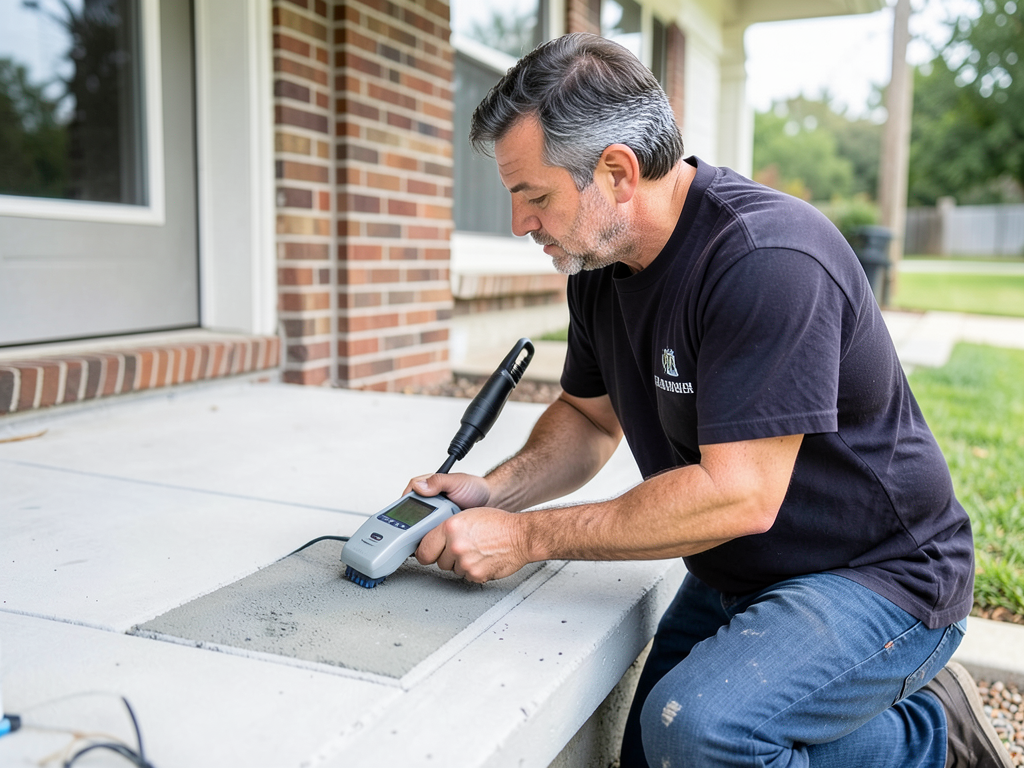
Professional water damage companies in San Antonio should arrive within 60 minutes for emergency calls. They bring moisture detection equipment that can identify hidden water sources without destructive testing. Emergency Roof Tarping and Water Mitigation Services in Shavano Park.
Choosing the Right Flooring for San Antonio’s Climate
If you’re considering vinyl plank flooring or need to replace damaged flooring, consider these San Antonio-specific factors:
- Concrete slab moisture content varies seasonally with our rainfall patterns
- Summer humidity requires enhanced vapor barriers
- Foundation movement from clay soil expansion can stress flooring seams
- Air conditioning condensation creates unique moisture challenges
Engineered hardwood with proper moisture barriers often performs better than standard LVP in our climate. These products allow some moisture transmission while resisting damage, preventing the complete moisture trap that causes mold growth.
Ceramic or porcelain tile remains one of the most reliable options for San Antonio homes. These materials don’t support mold growth and allow moisture to evaporate naturally, though they require proper installation over moisture barriers.
Regardless of your flooring choice, always test concrete moisture levels before installation and use appropriate vapor barriers rated for your specific product and local conditions.
Insurance Considerations for Mold Damage
Navigating insurance coverage for mold damage under vinyl plank flooring can be complex. Most standard homeowners policies in Texas have specific exclusions for mold damage, particularly when it results from long-term moisture exposure.
Coverage typically applies when mold results from a covered peril like sudden plumbing failure or storm damage. However, damage from poor maintenance, high humidity, or gradual moisture buildup is often excluded.
Document everything if you discover mold. Take photos before any cleanup begins, keep all receipts for emergency services, and contact your insurance company immediately. Some policies require notification within specific timeframes to maintain coverage. What to do immediately when your Alamo Heights home starts flooding.
Consider adding mold endorsement coverage to your policy, especially if you live in an older home or have had previous moisture issues. This additional coverage can save thousands in remediation costs.
Professional restoration companies often work directly with insurance providers and can help document damage and provide the technical information needed for claims processing.
Frequently Asked Questions
How can I tell if there’s mold under my vinyl plank flooring?
Look for musty odors, spongy spots when walking, visible discoloration at seams, or increased allergy symptoms. Professional moisture testing provides definitive answers when visual inspection isn’t possible.
Is waterproof vinyl plank flooring completely mold-proof?
No. While the surface resists water, moisture can still get trapped underneath through seams or foundation moisture. The non-porous nature that makes it waterproof also prevents natural evaporation, creating conditions for mold growth.
How long does it take for mold to grow under vinyl flooring?
Mold can begin growing within 24-48 hours of moisture exposure. In San Antonio’s humid climate, this timeline can be even shorter due to optimal temperature and moisture conditions.
Can I install vinyl plank flooring myself without moisture testing?
We strongly recommend professional moisture testing before any flooring installation over concrete in San Antonio. Skipping this step risks expensive damage and potential health hazards from trapped moisture and mold growth.
What’s the average cost to remediate mold under vinyl flooring?
Costs typically range from $2,000 to $10,000 depending on the affected area size and damage extent. Severe cases requiring concrete treatment or extensive reconstruction can exceed $15,000.
Protecting Your Home and Health
Understanding that waterproof vinyl plank flooring can still trap moisture and grow mold is the first step in protecting your San Antonio home. Our unique climate conditions create specific challenges that require specific solutions.
Regular maintenance, proper installation with adequate moisture barriers, and prompt attention to any signs of moisture can prevent the costly and health-hazardous mold growth that plagues many local homeowners.
If you suspect moisture problems under your flooring or notice any warning signs, don’t wait. Professional assessment can identify issues before they become major problems, saving you money and protecting your family’s health.
Remember that mold remediation isn’t just about removing visible growth—it’s about addressing the underlying moisture problem that allowed it to develop in the first place. Without fixing the source, mold will return regardless of how thoroughly you clean the visible areas. Fixing a Sewage Backup in Your Stone Oak Home without the Stress.
San Antonio homeowners deserve flooring solutions that work with our climate, not against it. By understanding the limitations of waterproof vinyl plank flooring and taking appropriate preventive measures, you can enjoy beautiful, durable floors without the hidden risks of moisture damage and mold growth.. Read more about How to Tell if Your Saltillo Tile Floors Are Ruined After a Pipe Leak in Tuscany Village.
Don’t let hidden mold compromise your home’s value and your family’s health. If you’re experiencing any symptoms of moisture problems under your flooring, call (210) 390-5977 today to schedule a professional inspection. Our certified technicians use advanced moisture detection equipment to identify problems before they become disasters.
Pick up the phone and call (210) 390-5977 before the next storm hits. Early detection and professional remediation can save you thousands in repair costs and protect your family from the health risks of hidden mold growth.
{
“@context”: “https://schema.org”,
“@type”: “BlogPosting”,
“headline”: “Why Waterproof Vinyl Plank Flooring Can Still Trap Moisture and Grow Mold”,
“description”: “Discover why waterproof vinyl plank flooring can still trap moisture and grow mold in San Antonio homes. Learn the hidden risks, signs of mold, and professional remediation solutions.”,
“wordCount”: 2293,
“datePublished”: “2026-04-14T15:01:00.000Z”,
“dateModified”: “2026-04-14T15:01:00.000Z”,
“inLanguage”: “en-US”,
“mainEntityOfPage”: {
“@type”: “WebPage”,
“@id”: “https://titanwaterdamagerestorationsanantonio.com”
},
“publisher”: {
“@type”: “LocalBusiness”,
“name”: “Titan Water Damage Restoration San Antonio”,
“url”: “https://titanwaterdamagerestorationsanantonio.com”
},
“author”: {
“@type”: “Organization”,
“name”: “Titan Water Damage Restoration San Antonio”,
“url”: “https://titanwaterdamagerestorationsanantonio.com”
},
“image”: {
“@type”: “ImageObject”,
“url”: “https://titanwaterdamagerestorationsanantonio.com/wp-content/uploads/2026/03/why-waterproof-vinyl-plank-flooring-can-still-trap-1.png”
}
}
{
“@context”: “https://schema.org”,
“@type”: “LocalBusiness”,
“name”: “Titan Water Damage Restoration San Antonio”,
“url”: “https://titanwaterdamagerestorationsanantonio.com”,
“address”: {
“@type”: “PostalAddress”,
“addressLocality”: “San Antonio”
},
“areaServed”: {
“@type”: “City”,
“name”: “San Antonio”
}
}
{
“@context”: “https://schema.org”,
“@type”: “FAQPage”,
“mainEntity”: [
{
“@type”: “Question”,
“name”: “Can Your Flooring Be Saved?”,
“acceptedAnswer”: {
“@type”: “Answer”,
“text”: “Whether vinyl plank flooring can be salvaged depends on several factors. If mold growth is limited to the surface and hasn’t penetrated the concrete slab, you might be able to clean and reinstall the planks after proper treatment.”
}
},
{
“@type”: “Question”,
“name”: “How can I tell if there’s mold under my vinyl plank flooring?”,
“acceptedAnswer”: {
“@type”: “Answer”,
“text”: “Look for musty odors, spongy spots when walking, visible discoloration at seams, or increased allergy symptoms. Professional moisture testing provides definitive answers when visual inspection isn’t possible.”
}
},
{
“@type”: “Question”,
“name”: “Is waterproof vinyl plank flooring completely mold-proof?”,
“acceptedAnswer”: {
“@type”: “Answer”,
“text”: “No. While the surface resists water, moisture can still get trapped underneath through seams or foundation moisture. The non-porous nature that makes it waterproof also prevents natural evaporation, creating conditions for mold growth.”
}
},
{
“@type”: “Question”,
“name”: “How long does it take for mold to grow under vinyl flooring?”,
“acceptedAnswer”: {
“@type”: “Answer”,
“text”: “Mold can begin growing within 24-48 hours of moisture exposure. In San Antonio’s humid climate, this timeline can be even shorter due to optimal temperature and moisture conditions.”
}
},
{
“@type”: “Question”,
“name”: “Can I install vinyl plank flooring myself without moisture testing?”,
“acceptedAnswer”: {
“@type”: “Answer”,
“text”: “We strongly recommend professional moisture testing before any flooring installation over concrete in San Antonio. Skipping this step risks expensive damage and potential health hazards from trapped moisture and mold growth.”
}
},
{
“@type”: “Question”,
“name”: “What’s the average cost to remediate mold under vinyl flooring?”,
“acceptedAnswer”: {
“@type”: “Answer”,
“text”: “Costs typically range from $2,000 to $10,000 depending on the affected area size and damage extent. Severe cases requiring concrete treatment or extensive reconstruction can exceed $15,000.”
}
}
]
}
{
“@context”: “https://schema.org”,
“@type”: “HowTo”,
“name”: “Professional Mold Remediation Process”,
“step”: [
{
“@type”: “HowToStep”,
“position”: 1,
“name”: “Containment Setup”,
“text”: “Seal off the affected area with plastic sheeting and create negative air pressure to prevent spore spread during removal. Professional Mold Removal and Remediation for Helotes Homeowners.”
},
{
“@type”: “HowToStep”,
“position”: 2,
“name”: “Moisture Assessment”,
“text”: “Use moisture meters and thermal imaging to map the extent of water damage and identify all affected areas.”
},
{
“@type”: “HowToStep”,
“position”: 3,
“name”: “Material Removal”,
“text”: “Carefully remove vinyl planks, underlayment, and any damaged subfloor materials following safety protocols.”
},
{
“@type”: “HowToStep”,
“position”: 4,
“name”: “HEPA Vacuuming”,
“text”: “Thoroughly vacuum all surfaces with HEPA-filtered equipment to capture mold spores and debris.”
},
{
“@type”: “HowToStep”,
“position”: 5,
“name”: “Antimicrobial Treatment”,
“text”: “Apply EPA-registered antimicrobial solutions to kill remaining mold and prevent regrowth.”
},
{
“@type”: “HowToStep”,
“position”: 6,
“name”: “Drying and Dehumidification”,
“text”: “Use commercial-grade dehumidifiers and air movers to completely dry the area before reconstruction.”
},
{
“@type”: “HowToStep”,
“position”: 7,
“name”: “Final Testing”,
“text”: “Conduct air quality testing and visual inspection to verify all mold has been eliminated.”
}
],
“image”: “https://titanwaterdamagerestorationsanantonio.com/wp-content/uploads/2026/03/why-waterproof-vinyl-plank-flooring-can-still-trap-1.png”
}
{
“@context”: “https://schema.org”,
“@type”: “BreadcrumbList”,
“itemListElement”: [
{
“@type”: “ListItem”,
“position”: 1,
“name”: “Home”,
“item”: “https://titanwaterdamagerestorationsanantonio.com”
},
{
“@type”: “ListItem”,
“position”: 2,
“name”: “Blog”,
“item”: “https://titanwaterdamagerestorationsanantonio.com/blog”
},
{
“@type”: “ListItem”,
“position”: 3,
“name”: “Why Waterproof Vinyl Plank Flooring Can Still Trap Moisture and Grow Mold”
}
]
}
{
“@context”: “https://schema.org”,
“@type”: “Service”,
“serviceType”: “Water Damage Restoration”,
“provider”: {
“@type”: “LocalBusiness”,
“name”: “Titan Water Damage Restoration San Antonio”,
“url”: “https://titanwaterdamagerestorationsanantonio.com”
},
“areaServed”: {
“@type”: “City”,
“name”: “San Antonio”
},
“description”: “Discover why waterproof vinyl plank flooring can still trap moisture and grow mold in San Antonio homes. Learn the hidden risks, signs of mold, and professional remediation solutions.”
}