







Menu

Disaster Recovery Planning in San Antonio | Protect Operations Before the Next Flood Hits

Liberty Water Damage Restoration Riverside delivers facility contingency planning and commercial emergency response planning that safeguards your business assets, reduces insurance gaps, and ensures continuity when water damage threatens your San Antonio operations.

Slider Image 1
Slider Image 2
Slider Image 3
Slider Image 4
Slider Image 5
Slider Image 7
Slider Image 8
Slider Image 9
Slider Image 10
Slider Image 11

Why San Antonio Commercial Properties Face Higher Water Damage Risk

San Antonio's location in the South Texas climate zone creates a triple threat for commercial properties. Severe thunderstorms dump 32 inches of rain annually, with flash flooding common along the Edwards Aquifer recharge zone. The region's karst geology means surface water infiltrates rapidly, overwhelming older drainage systems in the Medical Center and Downtown districts.

Clay-rich soils around Loop 410 expand and contract with moisture changes, stressing foundation joints and underground plumbing in warehouses and multi-tenant buildings. When pipes fail during winter cold snaps, facilities without pre-loss planning face catastrophic downtime. The 2021 freeze showed which San Antonio businesses had business continuity planning in place and which lost weeks of revenue.

Your facility's age compounds these risks. Properties built before 1990 often lack modern waterproofing membranes, have outdated HVAC condensate systems, and use galvanized pipe that corrodes from San Antonio's moderately hard water. Manufacturing plants near the Port San Antonio industrial corridor face additional exposure from aging roof membranes subjected to intense UV radiation and thermal cycling.

Without facility contingency planning, you are reacting instead of controlling the situation. When a main line breaks at 2 AM or a storm cell stalls over your distribution center, every minute without a documented response protocol increases structural damage, inventory loss, and liability exposure. Disaster restoration planning transforms crisis into coordinated action, protecting your balance sheet and operational capability.

Why San Antonio Commercial Properties Face Higher Water Damage Risk
How We Build Commercial Water Damage Response Systems

How We Build Commercial Water Damage Response Systems

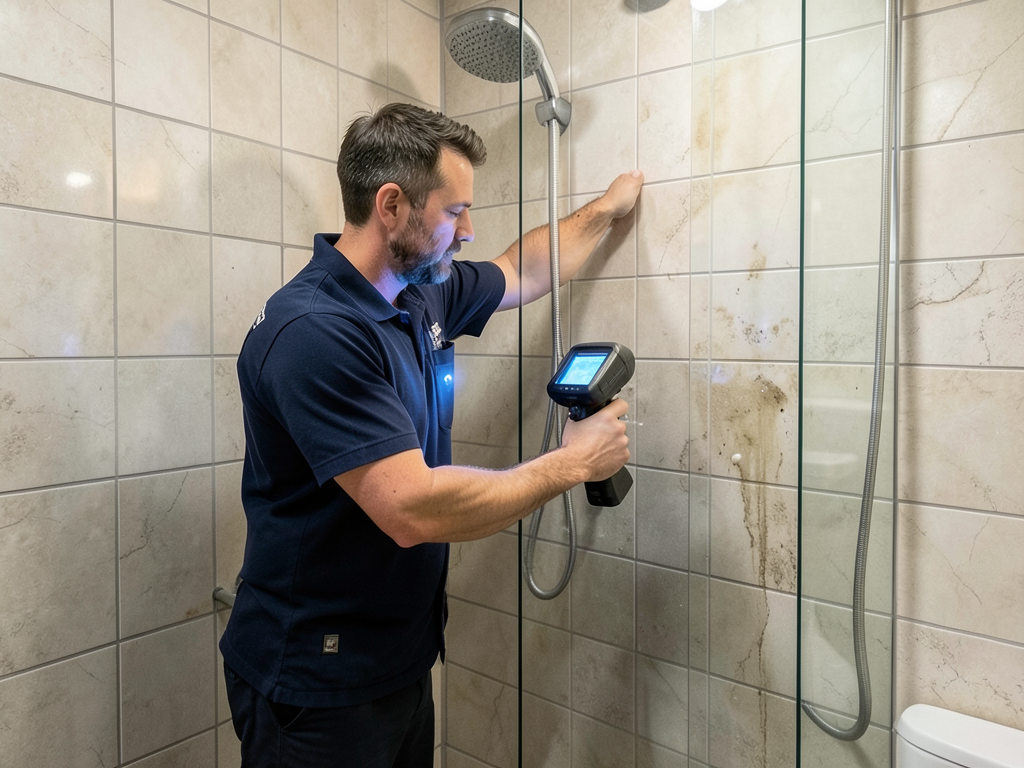
Our disaster recovery planning starts with a facility-specific vulnerability assessment. We walk your property with your facilities manager, documenting every water source, shut-off valve location, electrical panel, and high-value asset zone. We map drainage patterns, test sump pump systems, and identify weak points in your building envelope. This creates a digital facility profile that guides emergency response.

We then draft your commercial emergency response planning protocols. These documents specify who calls whom, in what order, at what trigger points. If water enters your server room, your night supervisor knows to contact our dispatch first, then your IT director, then your insurance adjuster. We pre-position extraction equipment specs, identify staging areas for drying equipment, and establish communication chains that keep your executive team informed without bottlenecking decisions.

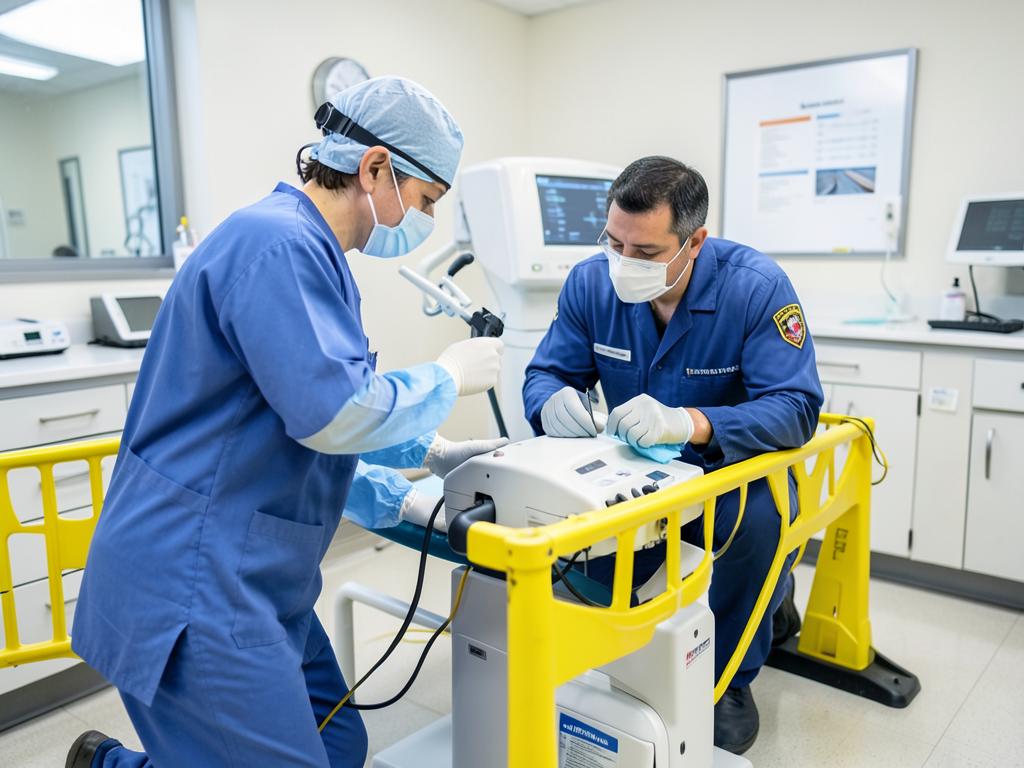
The third component involves integrating with your existing business continuity planning. We coordinate with your IT disaster recovery team to protect data centers, work with your HR department on employee safety protocols, and align with your supply chain managers to protect inventory. For healthcare facilities in the Medical Center, we incorporate Joint Commission compliance requirements. For food service operations, we address HACCP plan integration.

We deliver a physical emergency action binder and a cloud-accessible digital version. Every relevant employee receives role-specific training. We conduct annual walkthroughs to update the plan as your facility changes. When a pipe bursts or floodwater enters, you execute a tested plan instead of improvising under pressure. That difference saves you tens of thousands in avoided damage and lost productivity.

Building Your Commercial Water Emergency Response Plan

Disaster Recovery Planning in San Antonio | Protect Operations Before the Next Flood Hits
01

Facility Risk Assessment

We conduct a comprehensive site evaluation of your San Antonio property, documenting every water supply line, drainage system, and vulnerable asset area. We map utility shut-offs, test your sump systems, inspect roof drainage capacity, and photograph high-value zones. This creates a baseline facility profile that identifies your specific exposure points and informs every subsequent planning decision. You receive a detailed risk matrix ranking threats by probability and impact.
02

Protocol Development and Integration

We draft response protocols specific to your operations, detailing notification sequences, equipment deployment procedures, and decision trees for various scenarios. We integrate these with your existing business continuity planning, coordinating with IT, HR, and operations teams. For regulated industries, we incorporate compliance requirements from agencies like the Joint Commission or health departments. You receive both physical binders and cloud-based access to all documentation.
03

Training and Annual Updates

We train your key personnel on plan execution, ensuring everyone understands their role during an emergency. This includes hands-on demonstrations of shut-off procedures and communication protocols. We return annually to update your plan as your facility evolves, adding new equipment, personnel changes, or operational shifts. This keeps your disaster restoration planning current and actionable, not a binder gathering dust on a shelf.

Why San Antonio Businesses Trust Liberty Water Damage Restoration Riverside

Commercial water damage response in San Antonio requires understanding the city's unique infrastructure challenges. We know that properties south of downtown near the Mission Reach deal with high water tables during wet seasons. We understand that the Medical Center's concentration of critical healthcare facilities demands Joint Commission-compliant planning. We have worked with manufacturing operations in the Port San Antonio area where contaminated water creates environmental compliance issues.

Our team holds IICRC Water Damage Restoration Technician certification and receives ongoing training in commercial loss mitigation. We maintain relationships with local industrial suppliers, equipment rental companies, and specialty contractors, which means faster equipment deployment when your plan activates. When you need a structural engineer to assess beam integrity or an industrial hygienist to test for microbial growth, we have those contacts ready.

We understand Bexar County building code requirements for commercial properties. When restoration work requires permits, we handle the documentation and inspection coordination. For historic properties in districts like King William or Government Hill, we coordinate with preservation officers to maintain compliance while executing emergency mitigation.

San Antonio businesses need pre-loss planning that accounts for the city's rapid growth. Your facility contingency planning must anticipate how new construction affects drainage patterns, how utility upgrades change response procedures, and how staff turnover requires regular training updates. We build plans that evolve with your business, not static documents that become obsolete within a year. That approach has made us the disaster recovery planning partner for healthcare systems, distribution centers, and manufacturing plants throughout the metro area.

What Your Disaster Recovery Planning Engagement Delivers

Initial Assessment Timeline

Our facility vulnerability assessment takes one to three days depending on property size and complexity. We schedule the walkthrough at your convenience, typically after hours to avoid disrupting operations. Within five business days, you receive a comprehensive risk report with prioritized recommendations. For multi-building campuses, we phase the assessment across several weeks, delivering section-by-section reports that allow you to begin implementing improvements immediately rather than waiting for a final master document. Rush assessments for acquisitions or pre-audit compliance needs can be completed within 48 hours.

Custom Protocol Development

We develop your commercial emergency response planning documentation within two weeks after completing the facility assessment. This includes response flowcharts, contact lists, equipment specifications, and integration points with existing business continuity planning. We collaborate with your risk management team, facilities staff, and department heads to ensure protocols align with operational realities. You receive both printed binders for key locations and digital files compatible with your document management system. We avoid generic templates, instead building decision trees that reflect your actual staffing, equipment, and operational priorities.

Actionable Emergency Plans

Your completed disaster restoration planning package includes site-specific response protocols, annotated facility maps, pre-approved vendor contacts, and insurance coordination procedures. Every document focuses on action, not theory. When water damage occurs, your team follows clear instructions for containment, notification, and mitigation activation. We include scenario-based appendices covering burst pipes, roof leaks, sewer backups, and flood intrusion. For healthcare and food service operations, we incorporate pathogen control and sanitization protocols that meet regulatory standards. The result is confident, coordinated response that minimizes damage and downtime.

Ongoing Plan Maintenance

Disaster recovery planning requires regular updates to remain effective. We return annually to reassess your facility, update contact lists, incorporate operational changes, and retrain new personnel. If you complete renovations, add equipment, or reorganize departments, we modify your protocols accordingly. Many clients also schedule tabletop exercises where we simulate water damage scenarios and walk through response procedures with your team. This identifies gaps before an actual emergency tests your system. Our maintenance agreements ensure your facility contingency planning evolves with your business, maintaining its value as a risk management tool rather than becoming outdated documentation.

Frequently Asked Questions

You Have Questions,
We Have Answers

What are the 5 steps of disaster recovery planning? +

The five steps are assessment, planning, implementation, testing, and maintenance. First, assess your business vulnerabilities, including flood risks from San Antonio's flash flood zones and summer storm patterns. Second, document recovery procedures and assign roles. Third, implement backup systems and establish alternate operational sites. Fourth, conduct tabletop exercises and full-scale drills to validate response protocols. Fifth, update your plan quarterly to reflect operational changes, new compliance requirements, and lessons from regional events. San Antonio businesses must account for seasonal weather threats, infrastructure dependencies, and supply chain disruptions unique to South Texas. Each step requires executive buy-in and cross-departmental coordination.

What is disaster and recovery planning? +

Disaster and recovery planning is the documented framework your organization uses to maintain operations and restore systems after disruptive events. This includes natural disasters like flooding, which affects San Antonio properties near Salado Creek and Leon Creek watersheds, as well as cyberattacks, equipment failures, and supply chain breakdowns. The planning process identifies critical functions, establishes recovery time objectives, designates decision-makers, and secures necessary resources before crisis strikes. For San Antonio commercial properties, this means addressing hurricane preparedness, power grid vulnerabilities, and water intrusion risks from aging infrastructure. Your plan protects revenue, minimizes downtime, and ensures regulatory compliance during operational interruptions.

What are the 4 pillars of disaster recovery? +

The four pillars are preparedness, response, recovery, and mitigation. Preparedness involves training staff and stockpiling resources before incidents occur. Response covers immediate actions to protect people and assets when disaster strikes. Recovery focuses on restoring normal operations and rebuilding damaged infrastructure. Mitigation reduces future risk through structural improvements and policy changes. San Antonio businesses face specific mitigation needs related to flood-prone areas, aging commercial building stock, and extreme heat that stresses HVAC systems. Each pillar requires documentation, budget allocation, and regular review. Your organization must address all four pillars to maintain business continuity and protect stakeholder interests during regional emergencies.

What are the 5 P's of disaster? +

The five P's are planning, prevention, preparedness, performance, and post-event analysis. Planning establishes protocols before incidents occur. Prevention identifies risks and implements controls to avoid disasters. Preparedness ensures resources and training are ready for deployment. Performance measures how well your team executes response procedures during actual events. Post-event analysis reviews what worked and what failed. San Antonio operations must account for flash flooding during monsoon season, prolonged summer heat that strains infrastructure, and occasional winter freezes that damage pipes and equipment. Each P requires measurable objectives and assigned accountability. Document lessons learned from regional events to strengthen your organizational resilience.

What are the 4 C's of disaster recovery? +

The four C's are communication, coordination, control, and continuity. Communication ensures all stakeholders receive timely, accurate information during crises. Coordination aligns response efforts across departments and external partners. Control maintains command structure and decision-making authority. Continuity preserves critical operations throughout disruptions. San Antonio businesses must coordinate with municipal emergency management, establish backup communication systems when cellular networks fail, and maintain operational control during evacuations or facility damage. Your plan should identify communication chains, define coordination protocols with local authorities, establish incident command procedures, and prioritize functions that keep revenue flowing. Regular drills validate these elements before real emergencies test them.

What is a DRP checklist? +

A DRP checklist is your actionable reference document that guides response teams through recovery procedures step by step. It includes emergency contacts, system recovery sequences, data restoration protocols, alternate site locations, and vendor information. Your checklist must address San Antonio-specific scenarios like flooding from heavy rainfall, power outages during summer peak demand, and damage from severe thunderstorms. Include decision trees for various disaster scenarios, resource inventories, insurance policy details, and regulatory notification requirements. Store physical and digital copies in secure, accessible locations. Update quarterly as personnel change, technology evolves, and operational dependencies shift. The checklist converts your comprehensive plan into executable tasks under pressure.

What makes a good disaster recovery plan? +

A good disaster recovery plan balances thoroughness with usability. It identifies recovery time objectives for each critical function, assigns clear roles with backup personnel, and provides step-by-step procedures that work under stress. The plan must address threats specific to your San Antonio location, including flood zones, infrastructure age, and regional supply chains. Include tested communication protocols, validated backup systems, and pre-negotiated vendor agreements. Document dependencies between systems and departments. Ensure executive leadership understands their responsibilities and financial exposure. Most importantly, test your plan through regular drills and update it based on results. Plans that sit on shelves provide zero protection when disaster strikes your facility.

How much does a DRP cost? +

Costs vary based on organizational size, complexity, and risk exposure. Small businesses may spend $5,000 to $15,000 developing basic plans, while enterprises invest $50,000 to $200,000 or more for comprehensive programs. Factors include consultant fees, backup infrastructure, alternate site agreements, software licensing, employee training, and ongoing maintenance. San Antonio businesses near flood-prone areas face higher costs for physical hardening and data replication. Budget for annual testing, quarterly updates, and staff training. Consider costs against potential losses from downtime, regulatory fines, and customer attrition. Most organizations allocate 2 to 4 percent of IT budgets to disaster recovery. Inadequate planning costs far more when actual disasters halt operations.

What is the DRP process? +

The DRP process begins with business impact analysis to identify critical functions and acceptable downtime. Next, conduct risk assessment to evaluate threats facing your San Antonio location, including weather events, infrastructure failures, and cyber incidents. Develop recovery strategies for each identified risk, assign roles, and document procedures. Implement backup systems, secure alternate facilities, and establish vendor relationships. Train staff on their responsibilities and conduct tabletop exercises. Test the plan through simulated disasters that reflect regional threats. Review results, identify gaps, and update documentation. Repeat testing annually and update quarterly. The process never ends because threats evolve, personnel change, and operations shift over time.

What are the 4 P's of disaster? +

The four P's are planning, preparation, practice, and performance. Planning defines your strategy and documents procedures. Preparation acquires resources, trains personnel, and establishes relationships before disasters strike. Practice validates your plan through drills that simulate real conditions. Performance measures execution during actual events and identifies improvement opportunities. San Antonio businesses must practice scenarios relevant to local risks, including sudden flooding from upstream rainfall, extended power outages during heat waves, and supply disruptions from Gulf Coast hurricane impacts. Each P builds on the previous one. Organizations that skip practice discover their plans fail when tested by real disasters. Regular drills transform documents into operational capability.

How San Antonio's Flash Flood Zone Designation Affects Your Risk Profile

San Antonio sits in FEMA Flood Zone X, which designates moderate flood risk, but that classification misleads many property owners. The Edwards Aquifer recharge zone runs directly through the city, creating surface features like sinkholes and rapid infiltration areas that concentrate water unpredictably. Flash flooding along Salado Creek, Leon Creek, and the San Antonio River can overwhelm commercial properties in minutes during severe thunderstorms. The 1998 and 2002 flood events demonstrated how quickly ground-level loading docks and basement storage areas can fill with water. Effective business continuity planning for San Antonio facilities must account for this rapid-onset risk, incorporating early warning systems and pre-positioned barriers that generic disaster recovery planning templates ignore.

Liberty Water Damage Restoration Riverside has developed facility contingency planning for San Antonio commercial properties since the company's founding. We understand local building code amendments that affect drainage requirements in new construction zones along the 1604 corridor. We work regularly with Bexar County engineering departments when restoration projects require permit coordination. Our relationships with San Antonio-area industrial equipment suppliers mean faster response when your plan activates and you need truck-mounted extractors or commercial dehumidification units. That local integration transforms theoretical disaster restoration planning into practical emergency response capability you can depend on when water threatens your operations.

Water Damage Services in The San Antonio Area

We are proud to serve the entire San Antonio area. Our team is strategically located to ensure a rapid response to your location, no matter where you are. View our service area on the map to see if we cover your neighborhood, and please don't hesitate to reach out for immediate assistance. We're always here to help you navigate a water damage crisis with confidence and ease.

Address:
Titan Water Damage Restoration San Antonio, 5154 Broadway, San Antonio, TX, 78209

Additional Services We Offer

Our news updates

Latest Articles & News from The Blogs

Is Your San Antonio Short Term Rental Ready for a Pipe Burst? Your San Antonio short term rental sits in…

Is Your San Antonio Short Term Rental Ready for a Pipe Burst?

Is Your San Antonio Short Term Rental Ready for a Pipe Burst? Your San Antonio short term rental sits in…

Recovering After a Main Water Line Break Near Government Hill

Recovering After a Main Water Line Break Near Government Hill When a main water line breaks near Government Hill the…

The Connection Between San Antonio Humidity and Soft Spots in Your Subfloor

The Connection Between San Antonio Humidity and Soft Spots in Your Subfloor When your floor feels spongy underfoot or you…

Contact Us

Do not wait for a catastrophic loss to expose gaps in your emergency preparedness. Contact Liberty Water Damage Restoration Riverside at (210) 390-5977 to schedule your facility vulnerability assessment. We will identify your risks and build a response system that protects your operations, assets, and business continuity.