



Menu

Commercial Mold Remediation in San Antonio – Minimizing Downtime for Your Business

Professional commercial mold removal and abatement services designed to protect your employees, maintain operations, and meet Texas Department of State Health Services compliance standards with speed and precision.

Slider Image 1
Slider Image 2
Slider Image 3
Slider Image 4
Slider Image 5
Slider Image 7
Slider Image 8
Slider Image 9
Slider Image 10
Slider Image 11

Why San Antonio Businesses Face Recurring Mold Issues

San Antonio's subtropical climate delivers high humidity year-round, with average relative humidity exceeding 70 percent during summer months. Commercial buildings with poor ventilation, aging HVAC systems, or inadequate drainage around foundations become breeding grounds for mold spores. The city's expansive clay soil composition shifts with moisture changes, creating foundation cracks that allow water intrusion and microbial growth in basements, storage rooms, and loading docks.

Mold does not wait for convenient timing. A slow roof leak in your warehouse district facility or a burst pipe in your downtown office can compromise indoor air quality within 48 hours. Once spores colonize drywall, insulation, or ceiling tiles, they spread through HVAC ducts and contaminate entire floors. Employees report respiratory issues. Customers notice musty odors. Liability exposure increases.

Commercial mold mitigation requires more than surface cleaning. You need containment protocols, negative air pressure systems, HEPA filtration, and proper disposal of contaminated materials. Texas mold remediation standards mandate specific procedures for commercial properties, especially those in healthcare, hospitality, or food service sectors. San Antonio's code enforcement takes indoor air quality seriously. A visible mold problem can trigger inspections, citations, and temporary closures if not addressed through professional commercial mold cleanup.

Business continuity depends on fast, compliant remediation. The longer you wait, the more extensive the damage becomes, and the higher your total cost climbs. Commercial mold abatement is not a maintenance task. It is a specialized process requiring trained technicians, industrial equipment, and documented protocols.

Why San Antonio Businesses Face Recurring Mold Issues
Our Commercial Mold Remediation Protocol

Our Commercial Mold Remediation Protocol

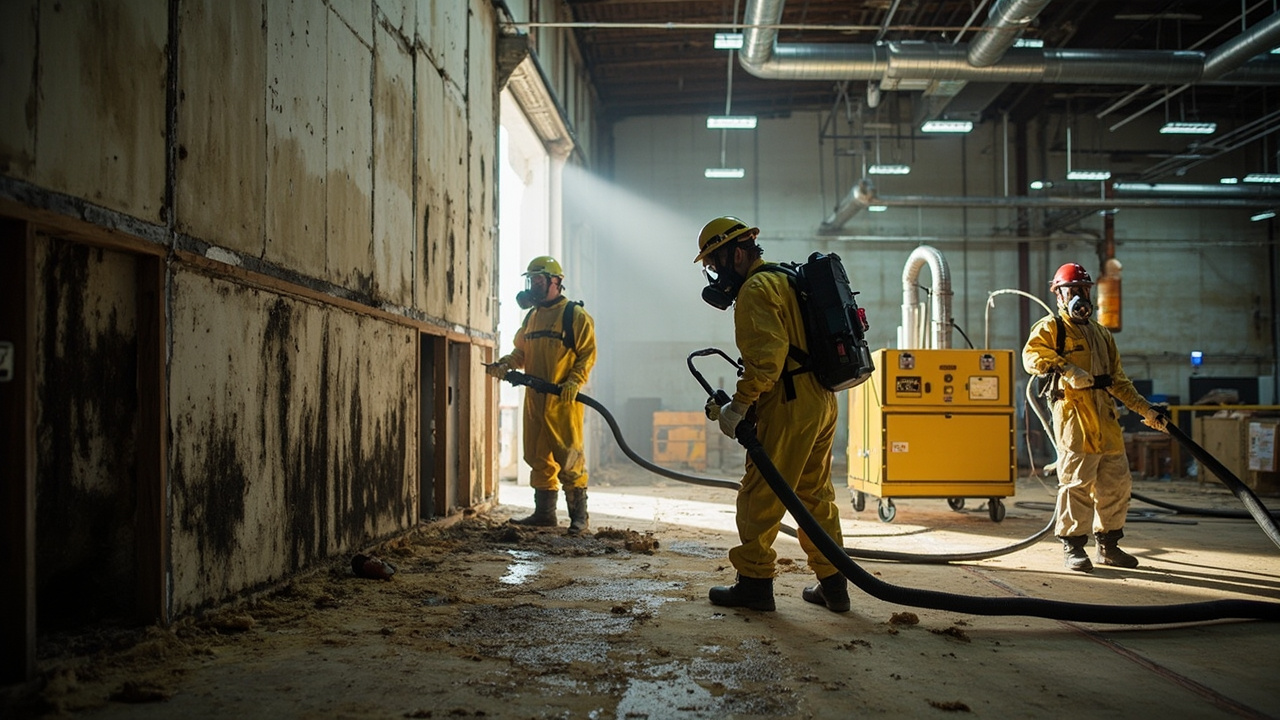
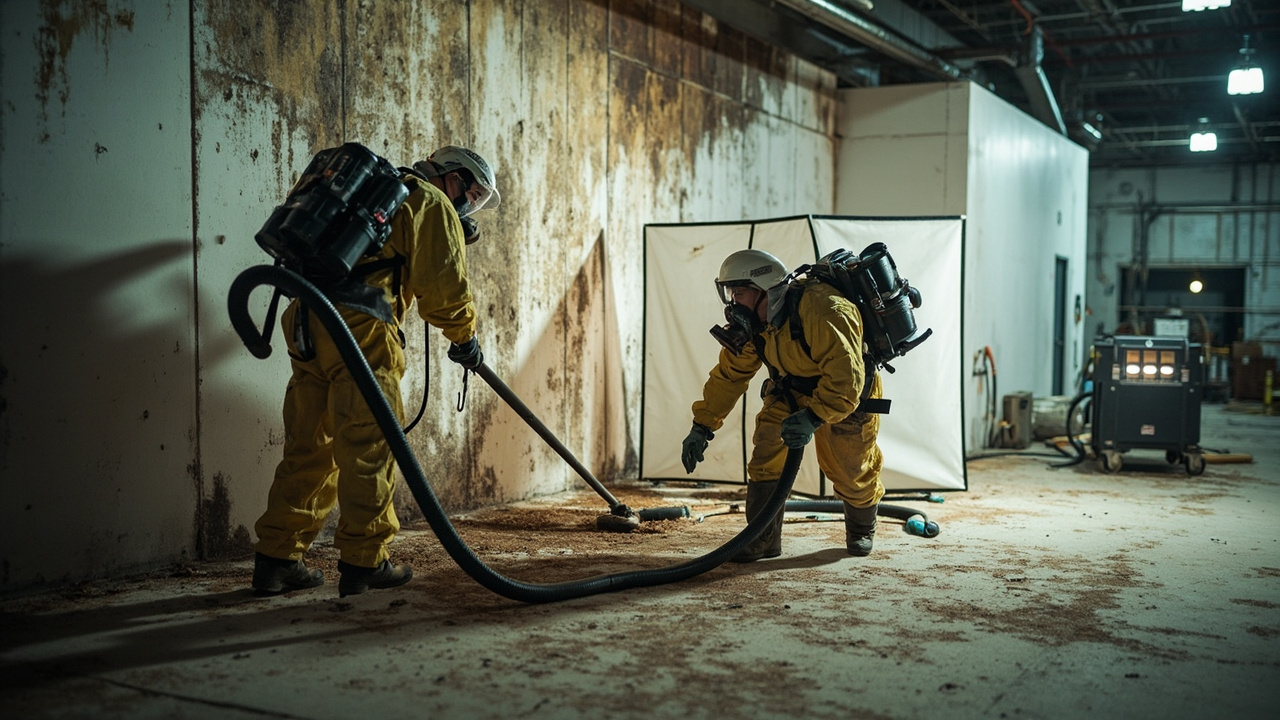
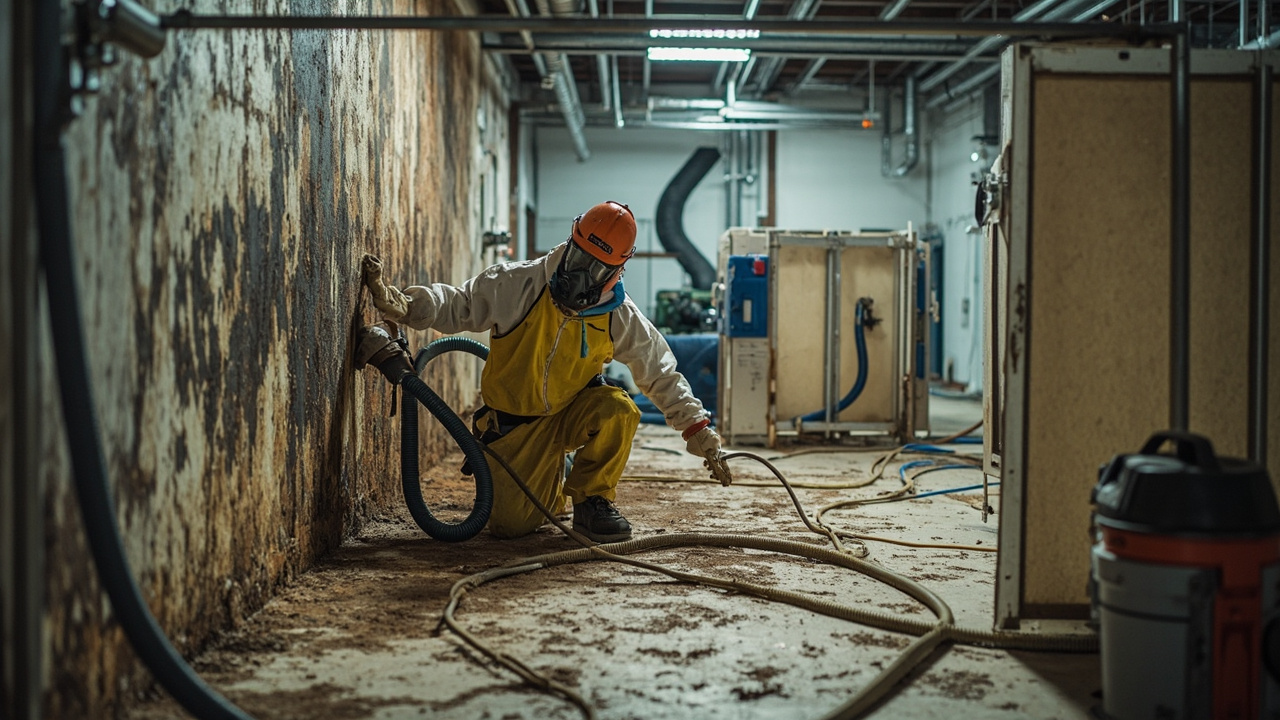
Business mold remediation starts with containment. We isolate affected areas using polyethylene sheeting barriers and establish negative air pressure to prevent cross-contamination. HEPA air scrubbers run continuously during abatement to capture airborne spores. This is not optional. It is the industry standard for protecting unaffected spaces and maintaining operations in adjacent areas.

Next, we remove compromised materials. Porous surfaces like drywall, insulation, and ceiling tiles cannot be salvaged once mold penetrates beyond the surface. We document all removals with photo evidence and material logs for your insurance claim and compliance records. Non-porous surfaces like metal studs, concrete, and sealed wood receive antimicrobial treatment using EPA-registered fungicides. We follow manufacturer guidelines for dwell time and application rates.

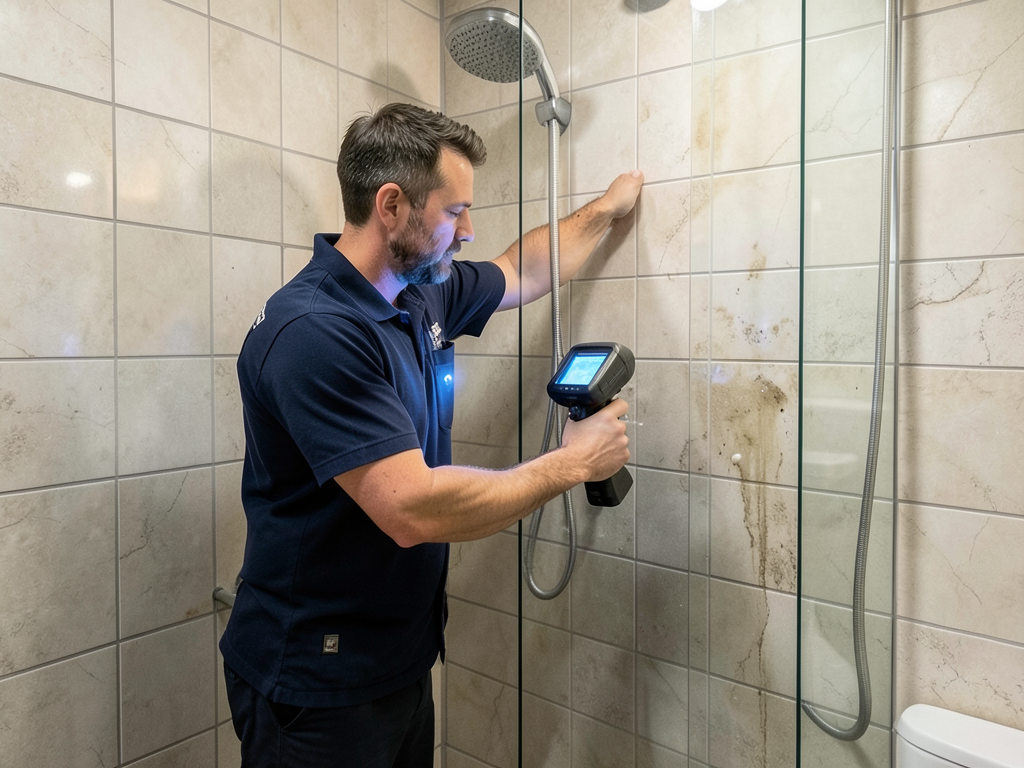
After material removal, we address the moisture source. Commercial mold removal fails if the underlying water problem persists. We inspect HVAC condensate lines, roof penetrations, plumbing chases, and exterior grading. Our moisture mapping identifies hidden water intrusion behind walls or under flooring using thermal imaging and pin-type meters. We provide a written assessment of necessary repairs to prevent recurrence.

Final clearance testing verifies successful remediation. We conduct post-remediation air sampling and surface testing to confirm spore counts fall within acceptable ranges per the American Industrial Hygiene Association guidelines. You receive a detailed report documenting baseline conditions, remediation activities, and clearance results. This documentation protects you during lease negotiations, property sales, or regulatory audits.

Liberty Water Damage Restoration Riverside uses commercial-grade dehumidifiers, truck-mounted extraction units, and hydroxyl generators to eliminate odors without ozone. We coordinate with your facility managers to schedule work during off-hours or staged phases that minimize disruption.

How We Execute Commercial Mold Abatement Projects

Commercial Mold Remediation in San Antonio – Minimizing Downtime for Your Business
01

Site Assessment and Containment

We begin with a comprehensive facility inspection, using moisture meters and thermal cameras to map contamination boundaries. Containment barriers go up immediately to isolate work zones. Negative air machines establish controlled airflow, preventing spore migration to clean areas. All HVAC systems serving affected zones are shut down and sealed. Entry and exit protocols include decontamination chambers for personnel and equipment.
02

Controlled Material Removal

Contaminated materials are removed using wet methods to suppress dust. We double-bag all debris in six-mil polyethylene and dispose of it according to San Antonio solid waste regulations. Non-porous surfaces receive HEPA vacuuming followed by antimicrobial application. All work follows IICRC S520 standards for mold remediation. We maintain detailed activity logs and chain-of-custody documentation for your records.
03

Verification and Restoration

After remediation, we conduct visual inspections and clearance air sampling through third-party industrial hygienists. Spore counts must meet or exceed baseline levels from unaffected building areas. Once cleared, we coordinate reconstruction with your timeline and budget. All work areas are cleaned, deodorized, and returned to pre-loss condition. You receive a final report with lab results, photographic evidence, and compliance certifications.

Why San Antonio Businesses Choose Liberty Water Damage Restoration Riverside

Commercial properties in San Antonio face unique challenges. The Medical Center district requires strict infection control protocols. Downtown high-rises need coordination with building management and multiple tenants. Industrial facilities along I-35 and Loop 410 demand large-scale dehumidification and rapid turnaround to avoid production delays.

We understand San Antonio's commercial real estate landscape. Our teams have worked in the Pearl Brewery historic district, where remediation must comply with preservation standards. We have managed projects in Stone Oak office complexes, Alamo Ranch retail centers, and Port San Antonio industrial parks. Each environment requires different containment strategies, equipment staging, and communication protocols.

Liberty Water Damage Restoration Riverside maintains relationships with local industrial hygienists, environmental consultants, and general contractors who specialize in commercial reconstruction. We provide detailed estimates that break down labor, materials, equipment rental, and disposal fees so you can make informed decisions. Our project managers communicate daily with your facilities team, providing progress updates and addressing concerns in real time.

Texas law does not require mold remediation companies to hold state licenses, but it does mandate proper training and adherence to industry standards. Our technicians complete IICRC-certified training in applied microbial remediation and maintain continuing education in evolving protocols. We carry commercial general liability coverage and workers compensation to protect your property and limit your exposure.

Speed matters in commercial mold mitigation. Every day of closure costs you revenue, damages your reputation, and extends employee displacement. We deploy crews within hours of your call, not days. Our equipment inventory includes industrial dehumidifiers, air movers, HEPA filtration units, and hydroxyl generators sufficient to handle projects from single rooms to entire floors.

What Your Business Can Expect from Our Commercial Mold Cleanup Process

Rapid Response and Staging

We dispatch assessment teams within two hours of your initial call. Our technicians arrive with moisture detection equipment, containment materials, and air filtration units to begin immediate stabilization. We work around your operational schedule, staging equipment during off-hours to minimize employee disruption. For facilities requiring 24/7 operations, we coordinate phased containment that allows partial occupancy while remediation proceeds in isolated zones. You receive a preliminary scope of work within 24 hours of assessment, detailing affected areas, recommended actions, and estimated timeline.

Comprehensive Damage Assessment

Our initial evaluation includes thermal imaging to detect hidden moisture, particle sampling to identify mold species, and structural inspection to assess building envelope integrity. We test HVAC systems for spore contamination and inspect ductwork for internal growth. You receive a written report with photo documentation, moisture readings, and recommended remediation steps. This assessment serves as your baseline for insurance claims and provides the technical justification for scope expansion if hidden damage emerges during demolition. We coordinate directly with your insurance adjuster to expedite approval.

Documented Compliance and Clearance

All remediation work follows IICRC S520 standards and Texas Department of State Health Services guidelines. We maintain daily activity logs, photograph each phase of work, and track all removed materials for disposal documentation. Post-remediation clearance testing includes air sampling, surface sampling, and visual inspection by independent third-party hygienists. You receive lab reports confirming spore counts meet acceptable thresholds before reconstruction begins. This documentation protects you during future property transactions, lease renewals, and regulatory inquiries. Final deliverables include a certificate of completion and digital archive of all project records.

Preventive Maintenance Recommendations

After remediation, we provide a written maintenance plan to prevent recurrence. Recommendations include HVAC maintenance schedules, humidity monitoring protocols, and building envelope improvements. For facilities with recurring moisture issues, we offer ongoing monitoring services with quarterly inspections and moisture mapping. Our maintenance agreements include priority response for future water emergencies and discounted rates on follow-up services. We train your facilities staff on early warning signs and proper response procedures to minimize damage if future incidents occur. Preventive maintenance is not upselling. It is risk management.

Frequently Asked Questions

You Have Questions,
We Have Answers

What do professionals use for mold remediation? +

Professionals use HEPA air scrubbers to filter airborne spores, antimicrobial agents to treat affected surfaces, and containment barriers to prevent cross-contamination during removal. Commercial jobs require moisture meters to locate hidden water sources feeding the mold, negative air machines to create pressure differentials, and industrial dehumidifiers to stabilize humidity levels. In San Antonio's high-humidity climate, proper moisture control is critical to prevent regrowth. Technicians also use personal protective equipment and document the entire process with moisture readings and clearance testing. The goal is complete removal while protecting your employees and business operations.

How much does it cost to professionally remove mold? +

Commercial mold remediation costs vary based on contamination extent, building size, and accessibility. Small projects may start lower, while large warehouse or multi-floor office spaces with extensive HVAC involvement cost significantly more. San Antonio properties often face humidity-driven issues requiring upgraded dehumidification systems. Your project scope determines the price, including containment setup, HVAC cleaning, disposal, and post-remediation testing. Most insurers cover remediation if tied to a covered peril like burst pipes. Request a detailed estimate that includes moisture control measures specific to your facility's needs and operational downtime considerations.

Is professional mold removal worth it? +

Professional removal is essential for commercial properties. Mold creates liability exposure, disrupts operations, and violates health codes in San Antonio. DIY methods cannot address hidden colonies in HVAC systems or behind walls, common in Texas buildings with moisture intrusion. Professional remediation includes containment to prevent spore spread, certified disposal, and documentation for insurance and regulatory compliance. You protect employee health, avoid OSHA violations, and maintain property value. The alternative is uncontrolled contamination, potential lawsuits, lease violations, and business interruption. For commercial facilities, professional remediation is not optional, it is risk management.

What is commercial mold remediation? +

Commercial mold remediation is the systematic removal of fungal contamination from business properties, warehouses, offices, and industrial facilities. The process includes assessment, containment, HVAC decontamination, removal of affected materials, antimicrobial treatment, and controlled drying. Commercial projects differ from residential work due to larger scale, operational continuity requirements, and regulatory compliance mandates. San Antonio businesses face unique challenges from high humidity and aging infrastructure. Remediation follows IICRC standards and Texas health codes. The goal is eliminating mold while minimizing downtime, protecting employees, and providing documentation for insurance, lease agreements, and potential litigation.

How much does professional mold removal cost? +

Professional commercial mold removal costs depend on contamination severity, square footage, and structural complexity. A small office space costs less than a multi-story retail building or warehouse with HVAC contamination. San Antonio properties with chronic humidity issues may require additional moisture control systems. Projects involving asbestos-containing materials or structural repairs increase costs. Most quotes include assessment, containment, removal, disposal, antimicrobial treatment, and clearance testing. Insurance often covers costs when tied to a covered water event. Get detailed written estimates outlining scope, timeline, and business disruption mitigation. Price reflects thoroughness, not just square footage treated.

What kills mold permanently? +

Nothing kills mold permanently without removing its food source: moisture. Antimicrobial agents eliminate visible growth, but mold returns if humidity and water intrusion persist. Effective remediation requires source identification, material removal where porous items are contaminated, surface treatment with EPA-registered biocides, and moisture control below 60 percent relative humidity. San Antonio's climate demands commercial-grade dehumidification and HVAC maintenance. You must fix roof leaks, plumbing issues, and condensation problems. Permanent mold control is a system: eliminate water, remove contaminated materials, treat surfaces, and maintain dry conditions. Without moisture management, mold always returns.

Can black mold be fully remediated? +

Black mold can be fully remediated when contamination is identified early and moisture sources are eliminated. The process requires physical removal of affected porous materials like drywall and insulation, HEPA vacuuming, antimicrobial treatment of non-porous surfaces, and strict moisture control. San Antonio facilities often face hidden black mold in HVAC systems and wall cavities due to humidity. Professional remediation includes air quality testing to verify clearance. Success depends on eliminating the underlying water problem. Simply killing visible mold without addressing moisture and hidden colonies results in regrowth. Complete remediation requires both removal and prevention.

Is mold remediation tax deductible? +

Mold remediation may be tax deductible for commercial properties as a business expense or repair cost. If remediation maintains the property's current condition rather than improving it, you can typically deduct costs in the year incurred. Remediation tied to casualty loss or necessary repairs qualifies. However, improvements adding value may require depreciation over time. Texas businesses should consult a CPA familiar with commercial property tax treatment. Document all costs, including assessment, removal, repairs, and preventive measures. If insurance reimburses you, deductibility changes. Keep detailed records showing the remediation was necessary for business operations and employee safety.

What are signs of mold exposure? +

Mold exposure causes respiratory issues, persistent coughing, wheezing, throat irritation, and nasal congestion. Employees may experience headaches, fatigue, skin rashes, and eye irritation. Those with asthma or allergies face severe reactions. In commercial buildings, multiple employees reporting similar symptoms simultaneously indicates a problem. San Antonio's humidity exacerbates indoor air quality issues. Cognitive symptoms include difficulty concentrating and memory problems. Immune-compromised individuals face greater risk. If your workforce shows these patterns, investigate immediately. OSHA requires safe working conditions. Document complaints, test air quality, and remediate promptly. Employee health complaints create liability exposure and potential workers' compensation claims.

How hard is it to win a mold lawsuit? +

Mold lawsuits are difficult because you must prove causation, negligence, and damages. You need documented property defects, proof the responsible party knew or should have known about moisture issues, medical evidence linking illnesses to specific mold exposure, and substantial damages. San Antonio courts require expert testimony connecting mold to health conditions. Commercial cases hinge on lease agreements, maintenance responsibilities, and duty of care. Success requires thorough documentation from discovery, medical records, property inspection reports, and remediation estimates. Most cases settle before trial. Winning demands clear evidence of negligence and quantifiable harm. Consult an attorney experienced in Texas construction defect litigation.

How San Antonio's Humid Subtropical Climate Amplifies Commercial Mold Risk

San Antonio averages 32 inches of annual rainfall, with intense summer thunderstorms delivering localized flooding in low-lying commercial districts near the San Antonio River and Leon Creek. Relative humidity stays elevated from May through September, creating ideal conditions for mold colonization in buildings with inadequate dehumidification. Older commercial properties in Southtown, King William, and downtown often lack modern HVAC systems with proper humidity control. The result is chronic condensation on cold surfaces, damp insulation in wall cavities, and hidden growth in crawl spaces and mechanical rooms. Commercial mold remediation in San Antonio requires understanding these regional patterns and designing moisture control strategies that account for seasonal extremes.

Liberty Water Damage Restoration Riverside works with San Antonio property managers, facility directors, and commercial real estate firms who understand the value of local expertise. We know which neighborhoods flood during heavy rains. We understand how San Antonio's clay soil affects foundation drainage. We maintain relationships with local industrial hygienists who provide third-party clearance testing accepted by insurance carriers and regulatory agencies. Choosing a local commercial mold abatement provider means faster response times, familiarity with municipal codes, and access to restoration contractors who specialize in Texas commercial construction standards. You get results, not excuses.
Water Damage Services in The San Antonio Area

We are proud to serve the entire San Antonio area. Our team is strategically located to ensure a rapid response to your location, no matter where you are. View our service area on the map to see if we cover your neighborhood, and please don't hesitate to reach out for immediate assistance. We're always here to help you navigate a water damage crisis with confidence and ease.

Address:
Titan Water Damage Restoration San Antonio, 5154 Broadway, San Antonio, TX, 78209

Additional Services We Offer

Our news updates

Latest Articles & News from The Blogs

Is Your San Antonio Short Term Rental Ready for a Pipe Burst? Your San Antonio short term rental sits in…

Is Your San Antonio Short Term Rental Ready for a Pipe Burst?

Is Your San Antonio Short Term Rental Ready for a Pipe Burst? Your San Antonio short term rental sits in…

Recovering After a Main Water Line Break Near Government Hill

Recovering After a Main Water Line Break Near Government Hill When a main water line breaks near Government Hill the…

The Connection Between San Antonio Humidity and Soft Spots in Your Subfloor

The Connection Between San Antonio Humidity and Soft Spots in Your Subfloor When your floor feels spongy underfoot or you…

Contact Us

Mold does not wait. Every hour increases contamination and extends downtime. Call Liberty Water Damage Restoration Riverside at (210) 390-5977 for immediate commercial mold assessment and remediation. We deploy crews now, not next week.